In high-temperature industries, raw material efficiency isn’t only about better ore, better fuel, or better process control. Refractories quietly determine how much usable output you get from every ton of input by stabilizing temperature, limiting contamination, reducing unplanned downtime, and enabling consistent processing ,especially in steel, cement, glass, and non-ferrous operations.
Why Refractories Influence Raw Material Yield
When a lining performs well, the process runs closer to its intended operating window. That means fewer temperature swings, fewer emergency slowdowns, and less off-grade production. Poor refractory performance can cause excessive heat loss, inconsistent thermal profiles, and increased slag-metal reactions ,leading to higher losses of valuable inputs. In steelmaking, uncontrolled erosion can increase refractory inclusion risk. In cement, lining instability can disrupt coating behavior and increase fuel and feed wastage.
Refractories also help control the “interfaces” where raw material losses happen: metal-slag contact, volatile cycling in kilns, and reaction zones where chemistry is sensitive.
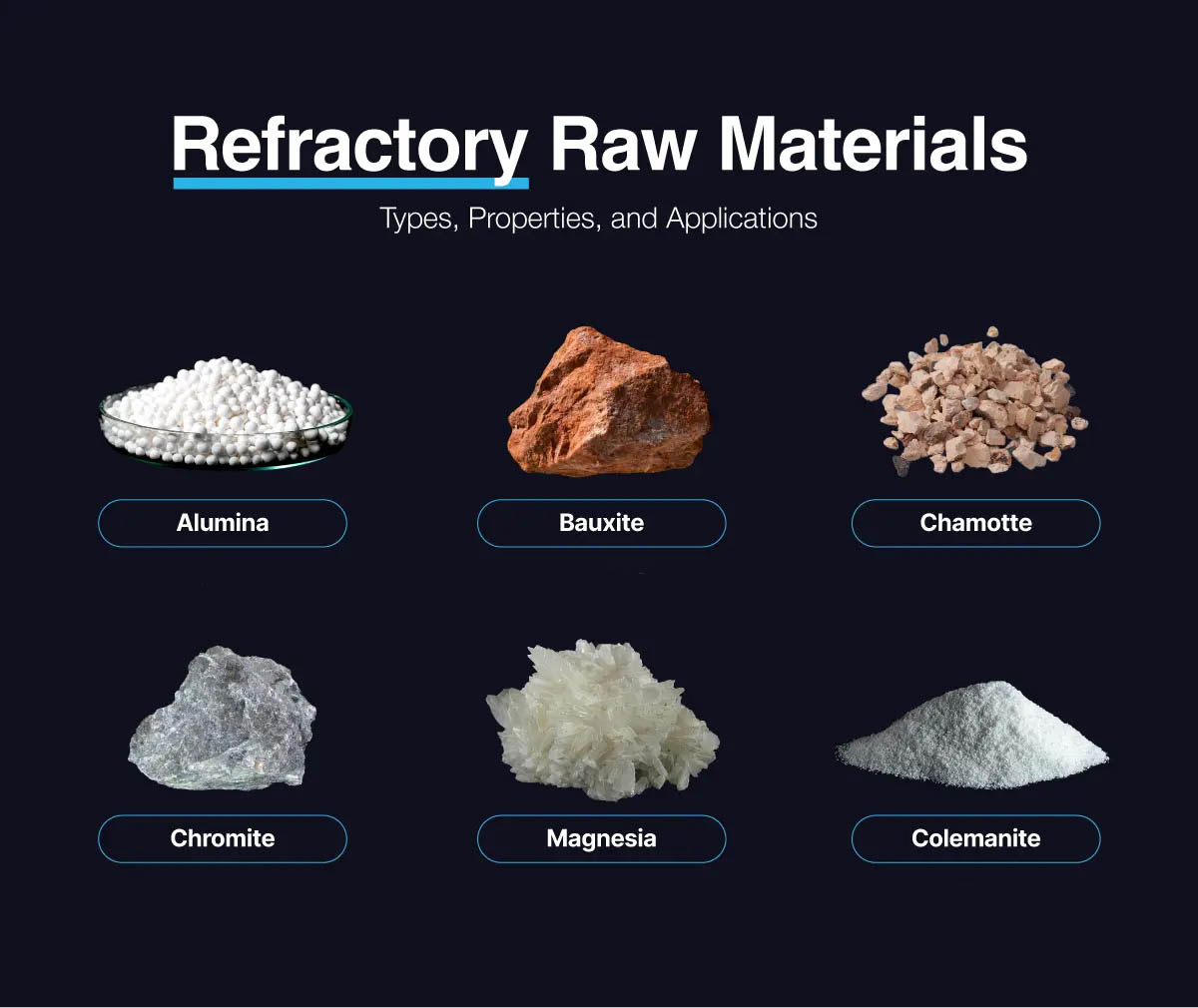
Heat Containment and Stable Thermal Profiles
Thermal efficiency is directly linked to how effectively refractories retain and manage heat. An optimized lining system reduces unwanted heat loss through the shell and limits thermal gradients that force operators to overcompensate with fuel. When the hot face stays stable, process temperatures remain more consistent ,improving reaction completion, reducing rework, and lowering scrap or reject rates.
In transfer vessels and ladles, better heat retention reduces temperature drops, which can otherwise drive additional reheating energy and increase oxidation losses.
Reducing Contamination and Quality Losses
Refractories are part of the product environment. When a lining erodes too fast or reacts with process chemistry, it can introduce contaminants, create inclusions, or alter slag behavior. Stable, compatible refractory materials help reduce these risks. That translates into better quality yields and less raw material wasted on off-spec batches.
In high-precision operations, the refractory’s chemical stability and low contamination profile become as important as its mechanical strength.
Enabling Longer Campaigns and Fewer Shutdowns
Every shutdown consumes raw materials indirectly: more start-up fuel, more stabilization losses, and often more “transition” production that may not meet target quality. By improving campaign life and reducing unplanned relines, refractories improve overall raw material efficiency over the full operating cycle.
A refractory strategy that prioritizes predictable wear can support planned maintenance ,reducing operational variability that forces conservative processing and material overuse.
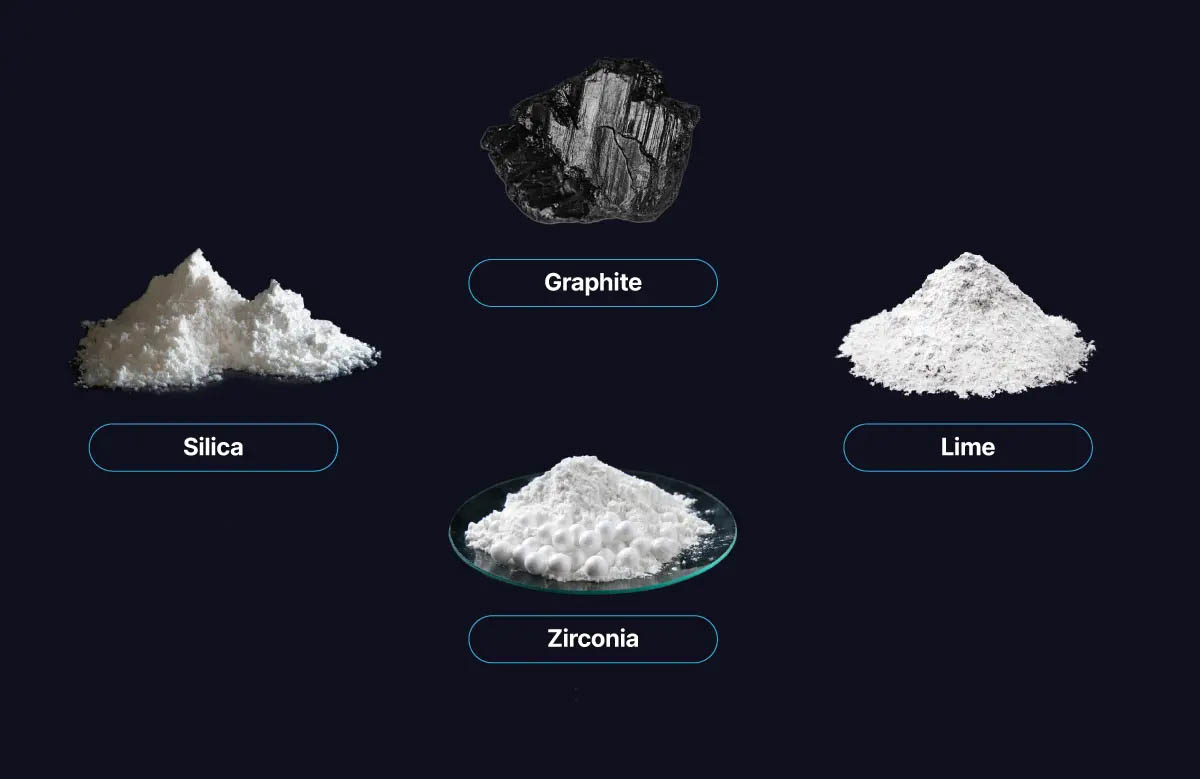
Practical Procurement View: What to Specify
For raw material efficiency, the best refractory is not always the most expensive ,it’s the one that keeps the process stable. Focus on corrosion resistance in the actual slag environment, thermal shock tolerance in cycling zones, and consistent density/permeability that limits infiltration. Demand traceability, batch consistency, and relevant field references.
If your goal is better yield and reduced waste ,whether in steel, cement, glass, or non-ferrous ,contact Pennekamp Middle East. Share your process route and the zones where losses occur, and our team will recommend refractory raw materials and finished products designed to support stable operations and better raw material utilization.