Thermal shock is one of the most common causes of premature refractory failure, especially in furnaces with frequent cycling or uneven heating. This case study outlines how a targeted change in material selection and lining design can reduce spalling, stabilize performance, and extend campaign life without increasing operational risk.
Operating Context and Failure Pattern
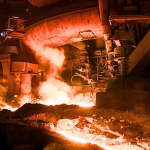
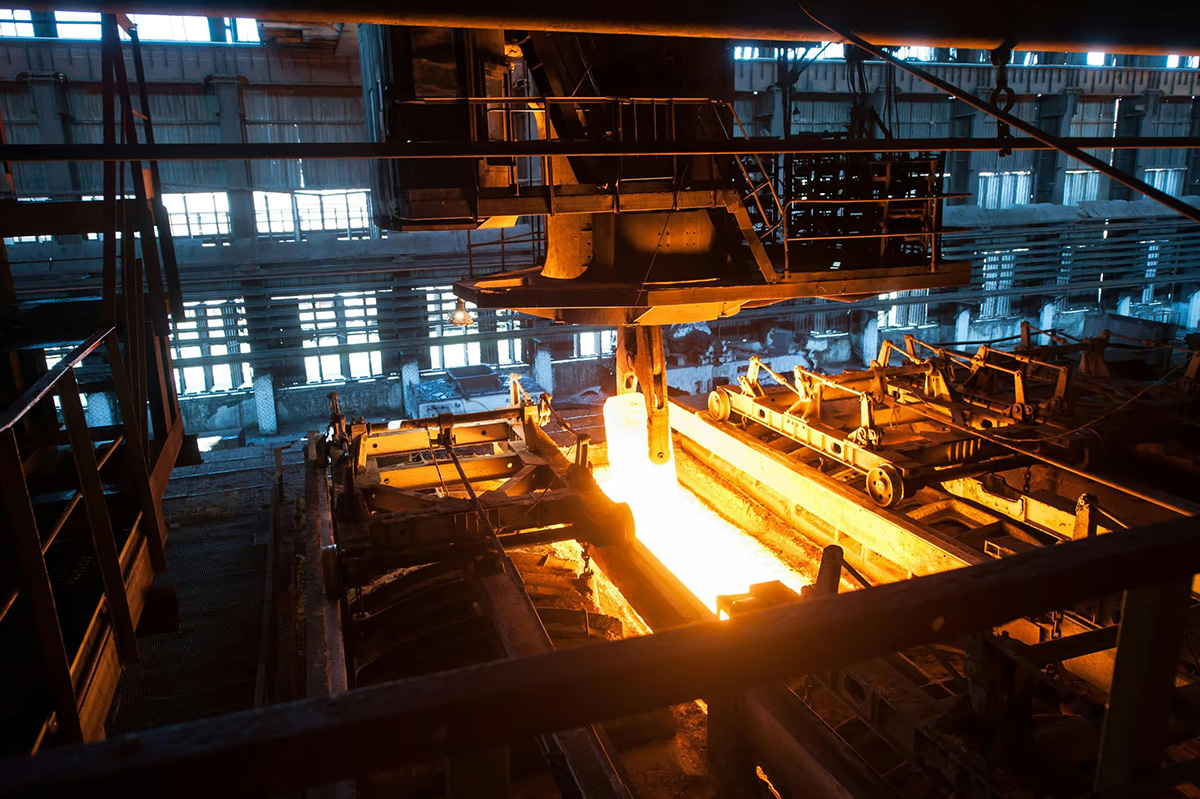
A high-temperature furnace operating with frequent start-stop cycles experienced recurring spalling and crack formation on the hot face. Failures concentrated near transition zones where temperature gradients were steepest. The result was shorter lining life, emergency patching, and increasing downtime.
Root Cause: Cycling + Microstructural Brittleness
Inspection indicated that the existing refractory had adequate refractoriness but insufficient thermal shock tolerance for the duty cycle. The lining’s pore structure and bonding behavior promoted crack propagation during rapid temperature changes, especially when heat-up was uneven.
Solution: Material + Installation Control
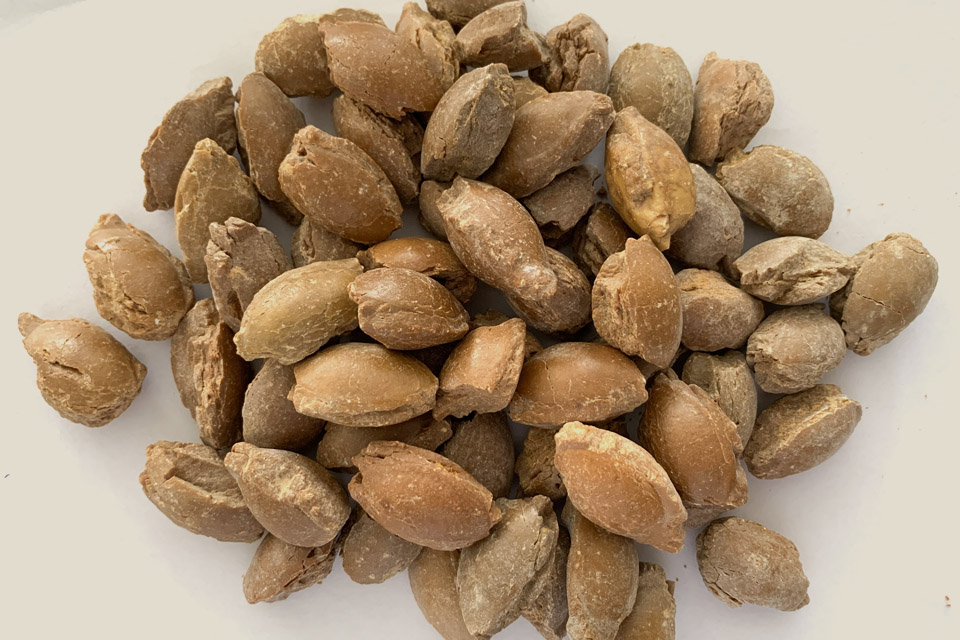
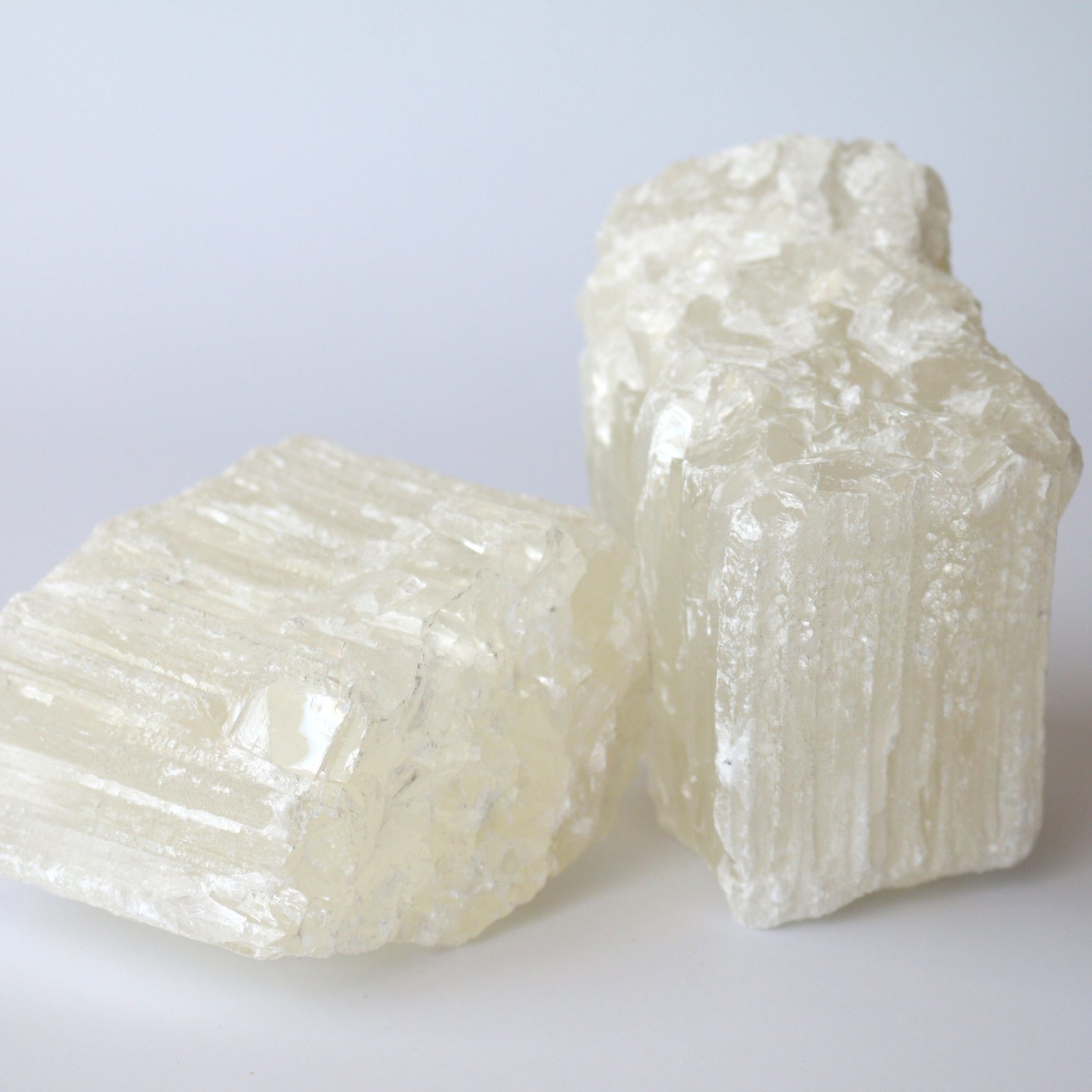
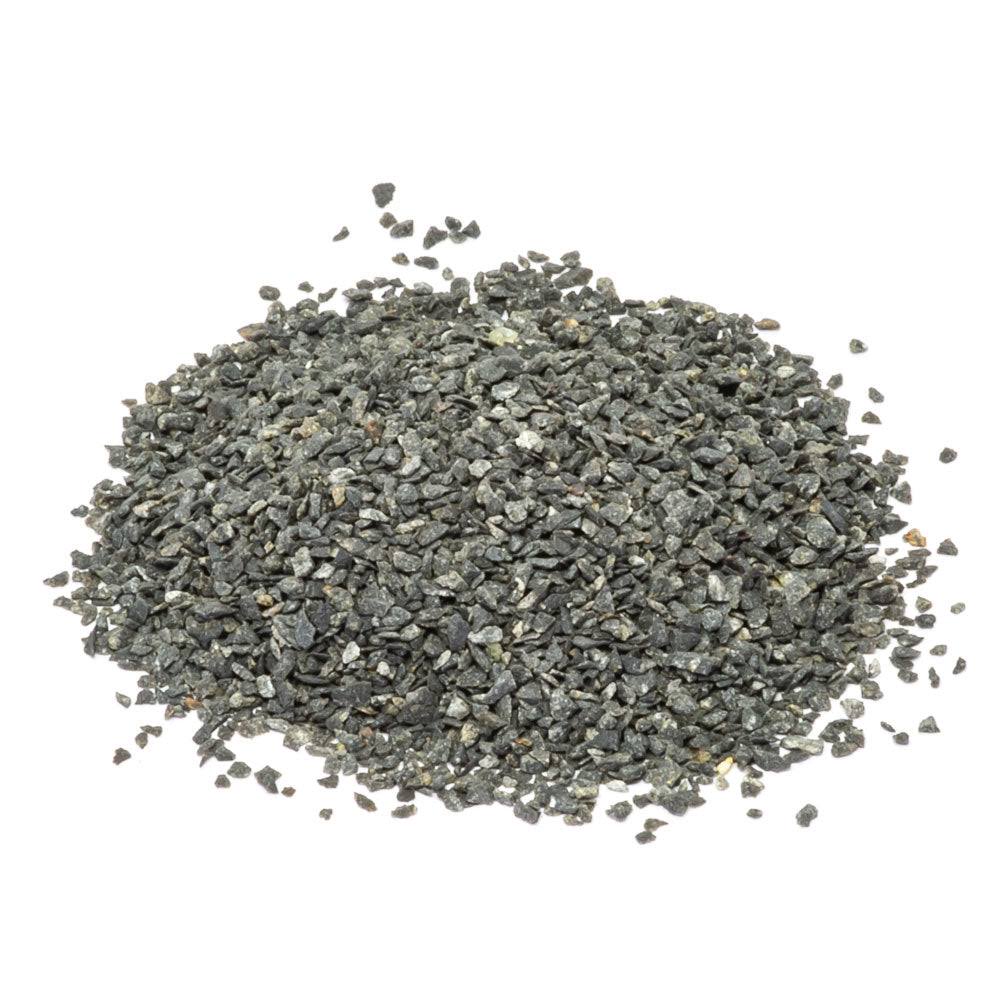
The refractory strategy shifted to a system with improved thermal shock resistance, balancing density with crack tolerance. Aggregate gradation and bonding were selected to reduce brittleness while maintaining corrosion resistance. Installation and dry-out procedures were standardized to minimize initial microcracking and moisture-related damage.
Results and Operational Impact
After implementation, the furnace showed reduced spalling frequency and more stable hot-face condition across cycles. Maintenance became more predictable, and emergency repairs decreased. The key gain was not only longer lining life but improved confidence in campaign planning.
If thermal shock is shortening your refractory life, contact Pennekamp Middle East with your furnace cycling profile and failure zones. We can recommend materials and lining concepts that improve thermal shock resistance while protecting long-term performance.