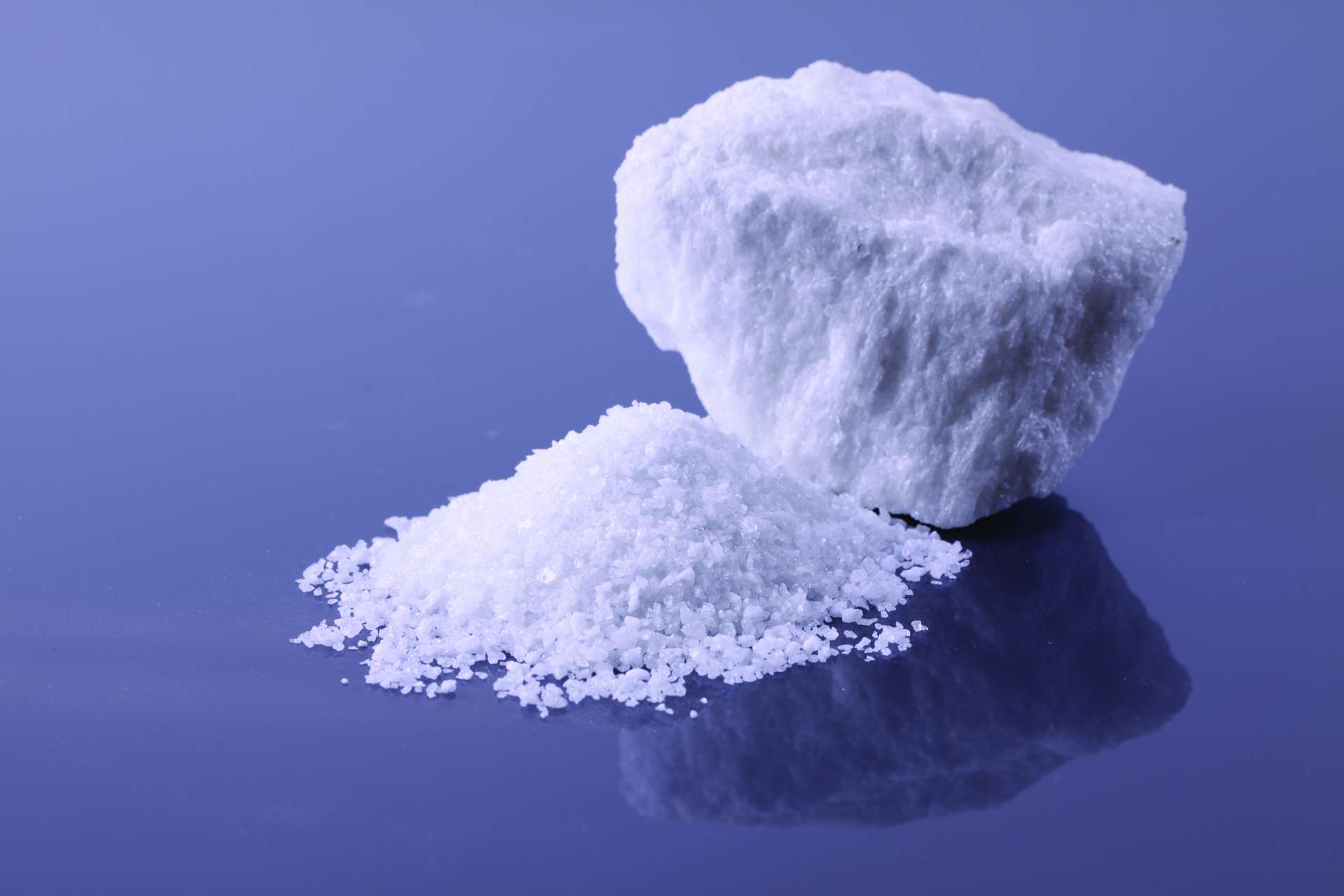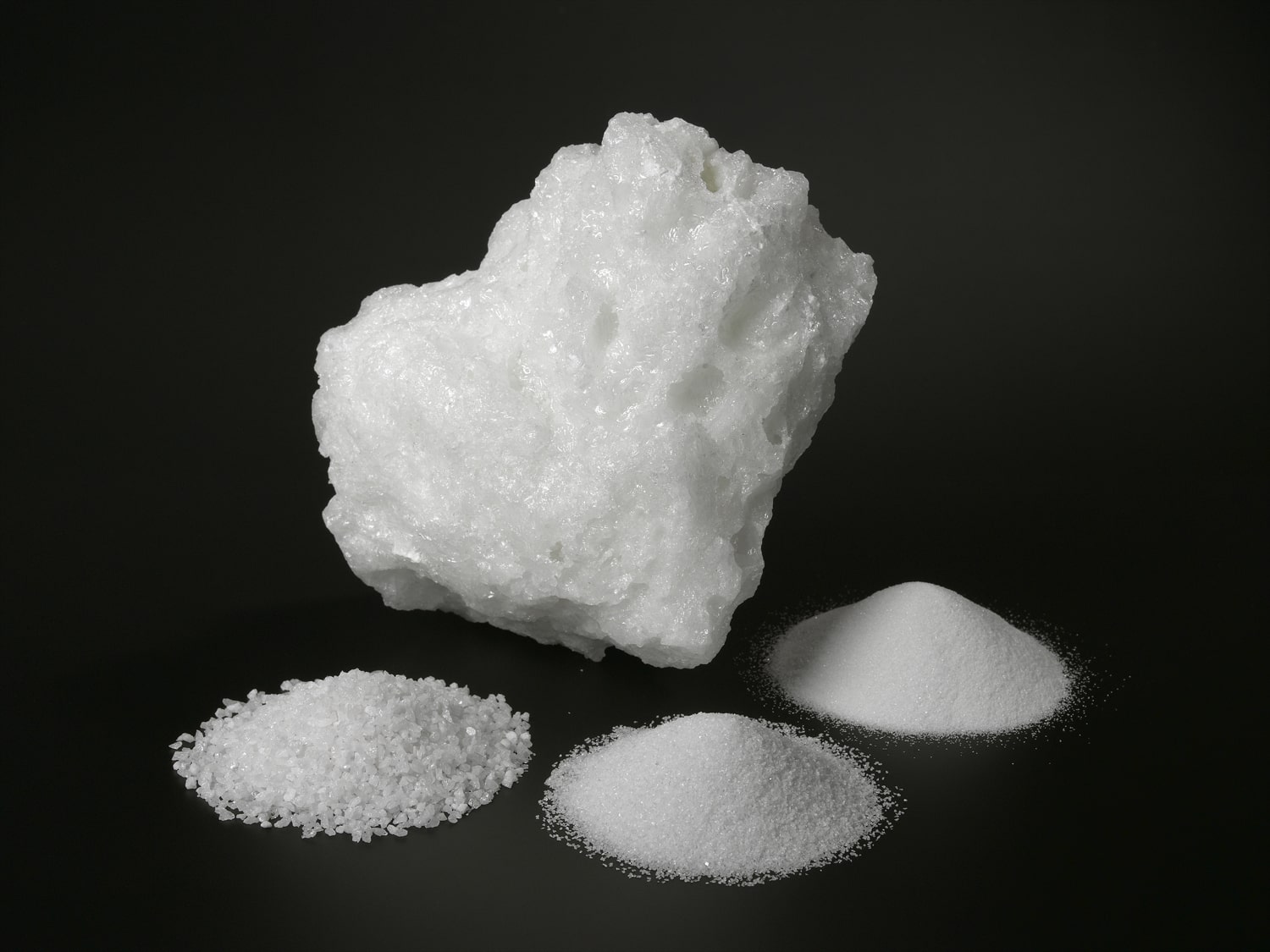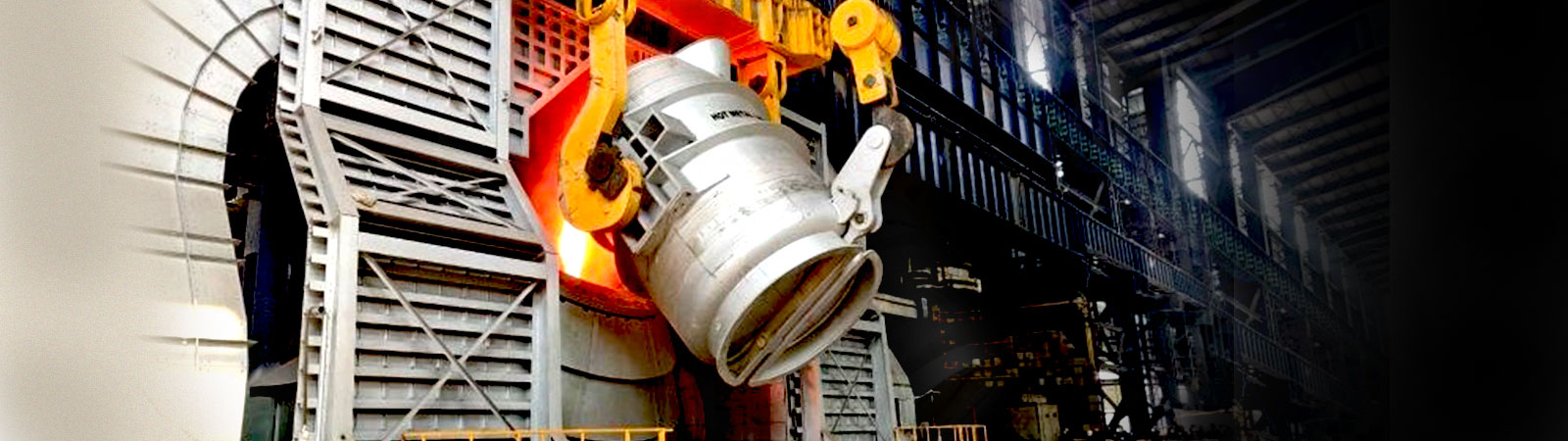
Converter tap-hole blocks in BOF steelmaking are exposed to extreme thermal shock, mechanical stress, and aggressive slag/metal conditions ,yet they must deliver reliable tapping performance heat after heat. Long service life depends on the right refractory composition, microstructure control, tap-hole design compatibility, and disciplined installation practices.
Why Tap-Hole Blocks Are a Critical Reliability Component
The tap-hole is not just a wear zone; it is an operational risk zone. Instability at the tap-hole can create irregular tapping, delays, safety hazards, and accelerated local damage that forces emergency interventions. A long-life tap-hole block helps keep tapping predictable and reduces the need for frequent repairs that disrupt converter availability.
From a plant economics standpoint, improving tap-hole reliability improves cycle time consistency and supports safer, smoother operations.
Main Wear Mechanisms at the Converter Tap-Hole
Tap-hole blocks face severe thermal gradients as tapping begins and ends. Rapid temperature changes drive thermal shock stresses that can crack the structure. Chemical attack from slags and steel can infiltrate pores and react with bond phases, weakening the block over time. Mechanical erosion occurs due to high-velocity flow during tapping and repeated opening/closing practices. Localized oxidation or chemical reaction can accelerate degradation depending on converter practice.
Because these mechanisms interact, the tap-hole solution must resist cracking, limit infiltration, and maintain geometry under repeated cycles.
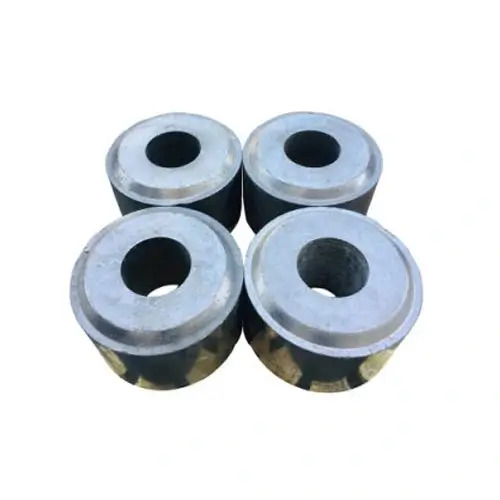
What Drives “Long Service” in Tap-Hole Blocks
Long service life typically comes from a controlled microstructure: high density to reduce penetration, strong bonding to resist washout, and phase stability at operating temperatures. The choice of raw materials and their purity influences whether low-melting phases form under BOF conditions. Manufacturing control ,pressing, firing, and quality consistency ,determines whether the block behaves predictably across heats.
Design compatibility matters as well. Tap-hole blocks must match converter geometry and tapping practice, including the interaction with tap-hole mixes and repair routines. A mismatch between block properties and operating method can cause premature failure even if the material is “high grade.”
Installation and Maintenance Discipline
Tap-hole blocks are highly sensitive to installation quality. Alignment, joint integrity, and proper seating reduce stress concentration points. Heat-up practices and early-life handling influence microcracking risk. Over time, consistent tap-hole maintenance ,using compatible repair materials and disciplined opening/closing procedures ,helps preserve the block’s designed behavior.
Plants seeking long service typically benefit from treating the tap-hole as a managed system: block + tap-hole repair mass + operating routine, not a single purchased component.
Selection Criteria for Engineers and Procurement
Specify tap-hole blocks based on converter size, tapping frequency, slag practice, and historical failure modes. Evaluate density and corrosion resistance indicators, thermal shock tolerance, and proven performance references. Demand quality traceability and consistent supply, because variability can create unpredictable wear and increase operational risk.
In Middle East supply chains, delivery reliability and packaging integrity matter for scheduling converter maintenance windows and preventing damage in storage.
If you want to extend converter tap-hole block service life and stabilize tapping performance, contact Pennekamp Middle East with your BOF details and current tap-hole challenges.