What Rotary Kiln Bauxite Is
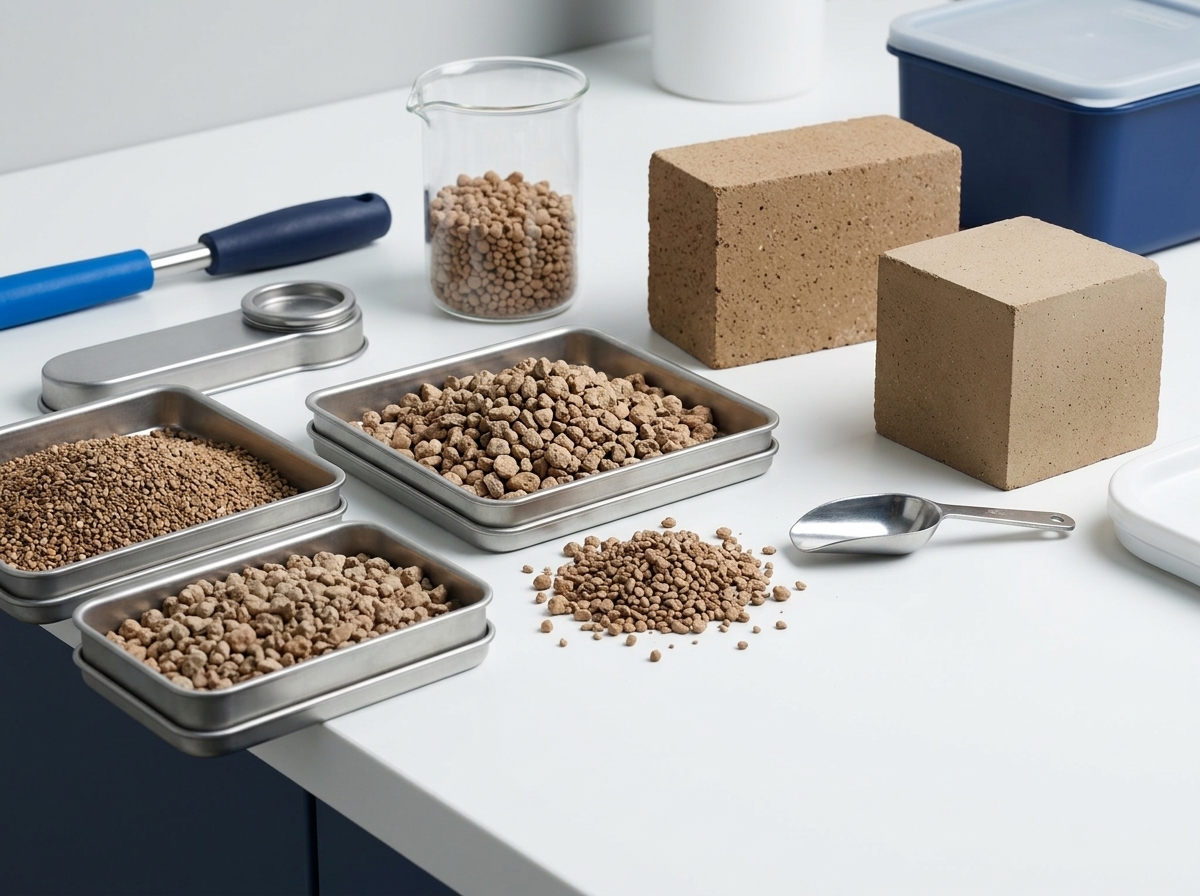
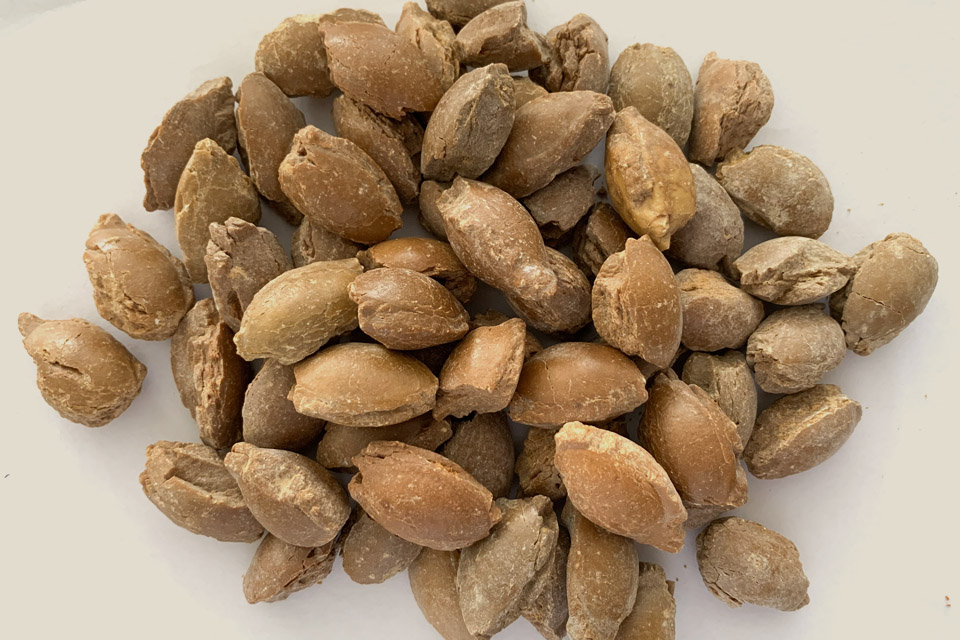
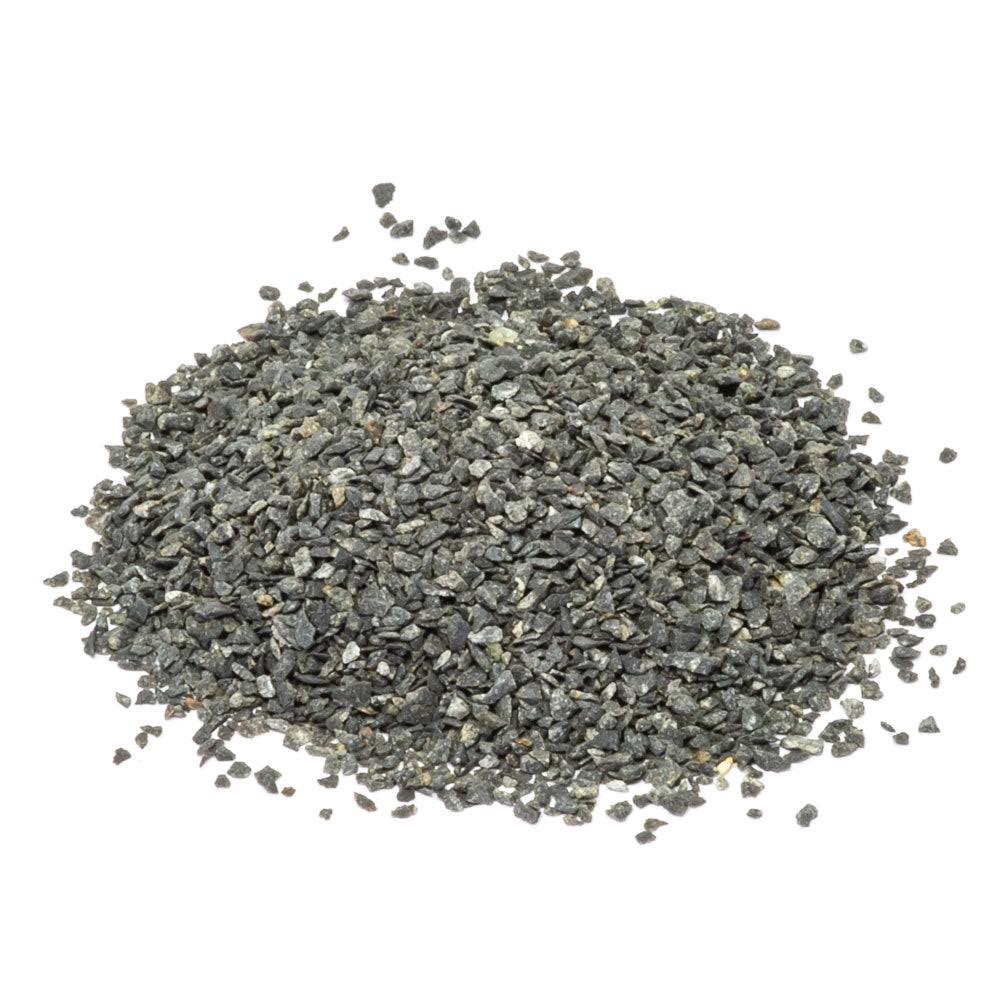
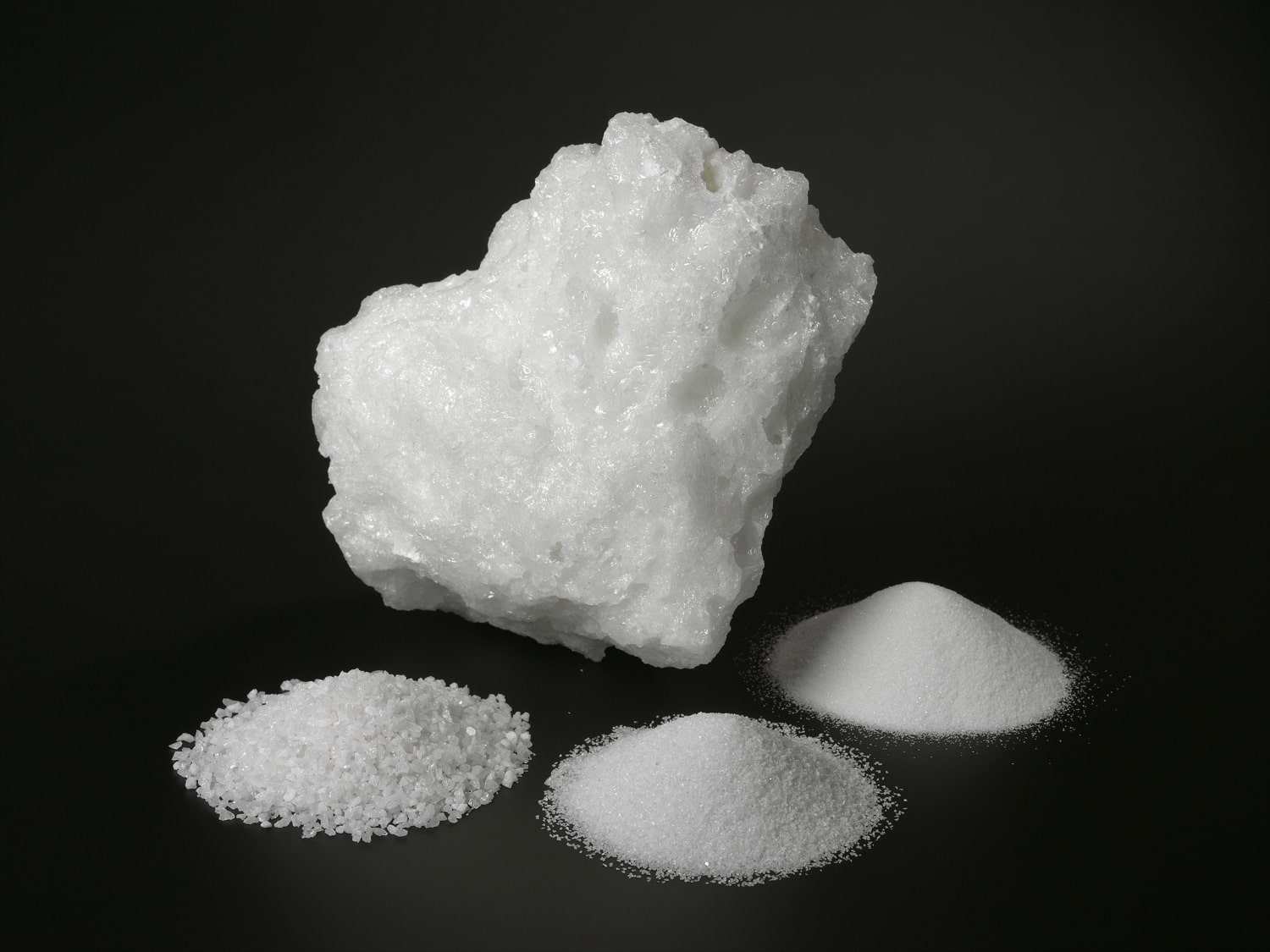
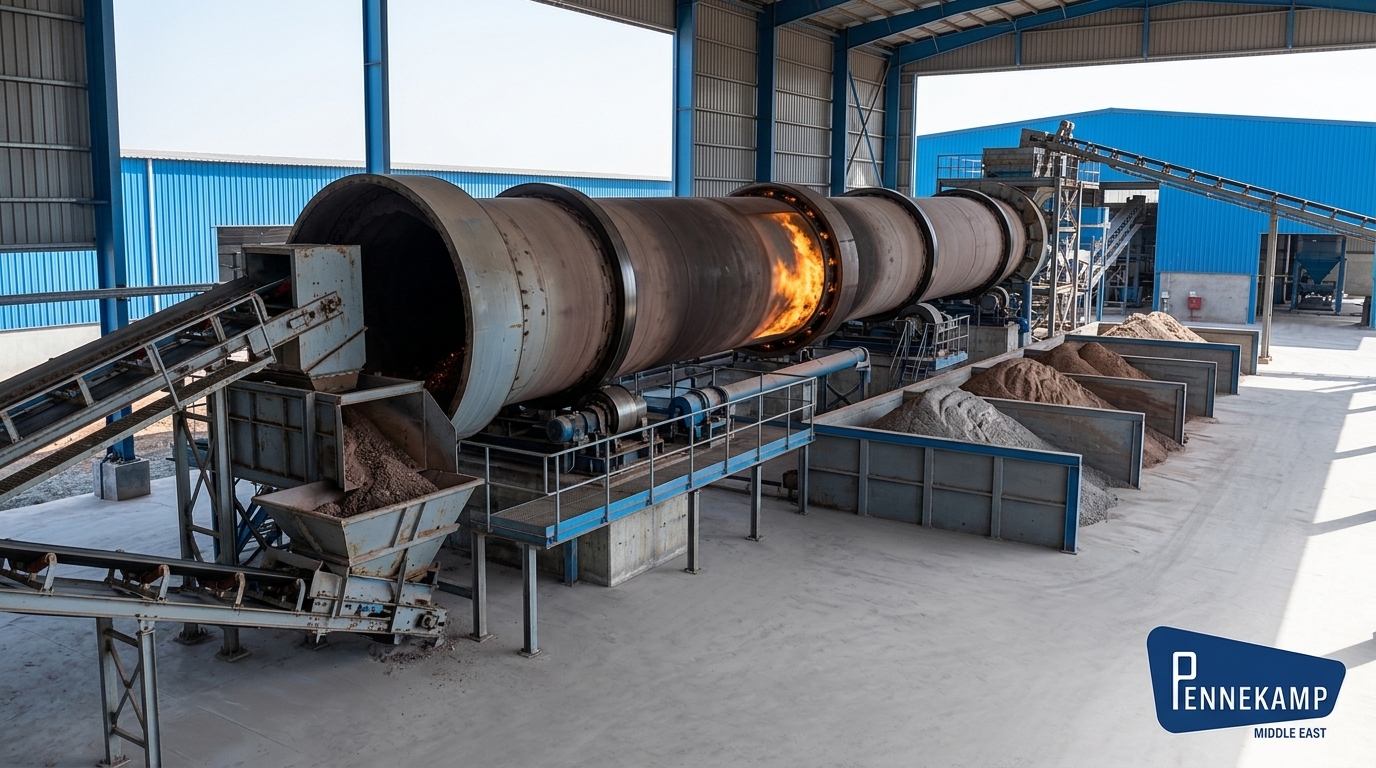
Bauxite used for refractory production is processed to develop high-alumina phases and remove volatiles and unwanted components. Rotary kiln processing produces a calcined bauxite material with improved stability and consistency compared to raw ore. The controlled thermal treatment supports phase formation that contributes to refractoriness and strength in finished products.
For high-performance refractories, the value of rotary kiln bauxite is consistency: predictable chemistry and mineralogy that produce predictable lining outcomes.
Production and Quality Control Considerations
In rotary kiln processing, raw bauxite is heated under controlled conditions to drive off moisture and initiate phase transformations. Kiln parameters influence final mineralogy, bulk density, and porosity. Quality control typically evaluates Al₂O₃ content, impurity limits, phase composition, sizing distribution, and physical property indicators relevant to refractory manufacturing.
Impurity control is crucial. Certain impurities can form low-melting phases that reduce hot strength and accelerate corrosion. Consistent processing helps minimize these risks and improves batch repeatability.
Key Properties and Why They Matter
Rotary kiln bauxite supports high refractoriness and can contribute to strong abrasion resistance and mechanical stability. In many refractory systems, it helps build density and hot strength when combined with appropriate binders and other aggregates. Its mineralogical stability supports predictable performance in environments where thermal load and wear are severe.
The specific performance depends on grade and sizing. Coarse fractions support structural stability and wear resistance; finer fractions influence packing density and binder interaction in castables.
Major Applications in Refractory Manufacturing
Rotary kiln bauxite is widely used for high-alumina bricks, castables, and monolithics for steel, cement, and non-ferrous industries. It is commonly selected for zones where abrasion and high temperature coincide—such as kiln inlets, certain furnace linings, and high-wear ducting areas—depending on formulation strategy.
Because many Middle East operations prioritize reliability and high utilization, consistent raw materials for refractory production are strategically important.
Selection Criteria and Sourcing Priorities
When sourcing rotary kiln bauxite, focus on Al₂O₃ content, impurity limits, phase consistency, sizing accuracy, and supply reliability. For producers, repeatability is often more valuable than a small cost difference because it reduces production variability in bricks and monolithics. For end users, consistent refractory quality ultimately reduces downtime risk.
Storage and handling matter as well. Protect bauxite from contamination and moisture, maintain segregation by size and grade, and ensure packaging supports stable material condition through logistics and warehouse storage.
If you’re sourcing rotary kiln bauxite for refractory manufacturing or evaluating raw material options for more consistent high-alumina performance, contact Pennekamp Middle East. Share your target products and application conditions, and our team will recommend suitable grades and sizing aligned with your performance and reliability goals.