How to Improve the Durability of Refractory Materials in Harsh Environments
Meta Title: Improving Refractory Material Durability in Harsh Environments
Meta Description: Learn key technical mechanisms to enhance the durability of refractory materials under extreme thermal and mechanical stresses.
Primary Keyword: Refractory material durability
Secondary Keywords: high-temperature refractory, industrial furnace lining, refractory materials supplier
Introduction: High-Temperature Challenges in Industrial Operations
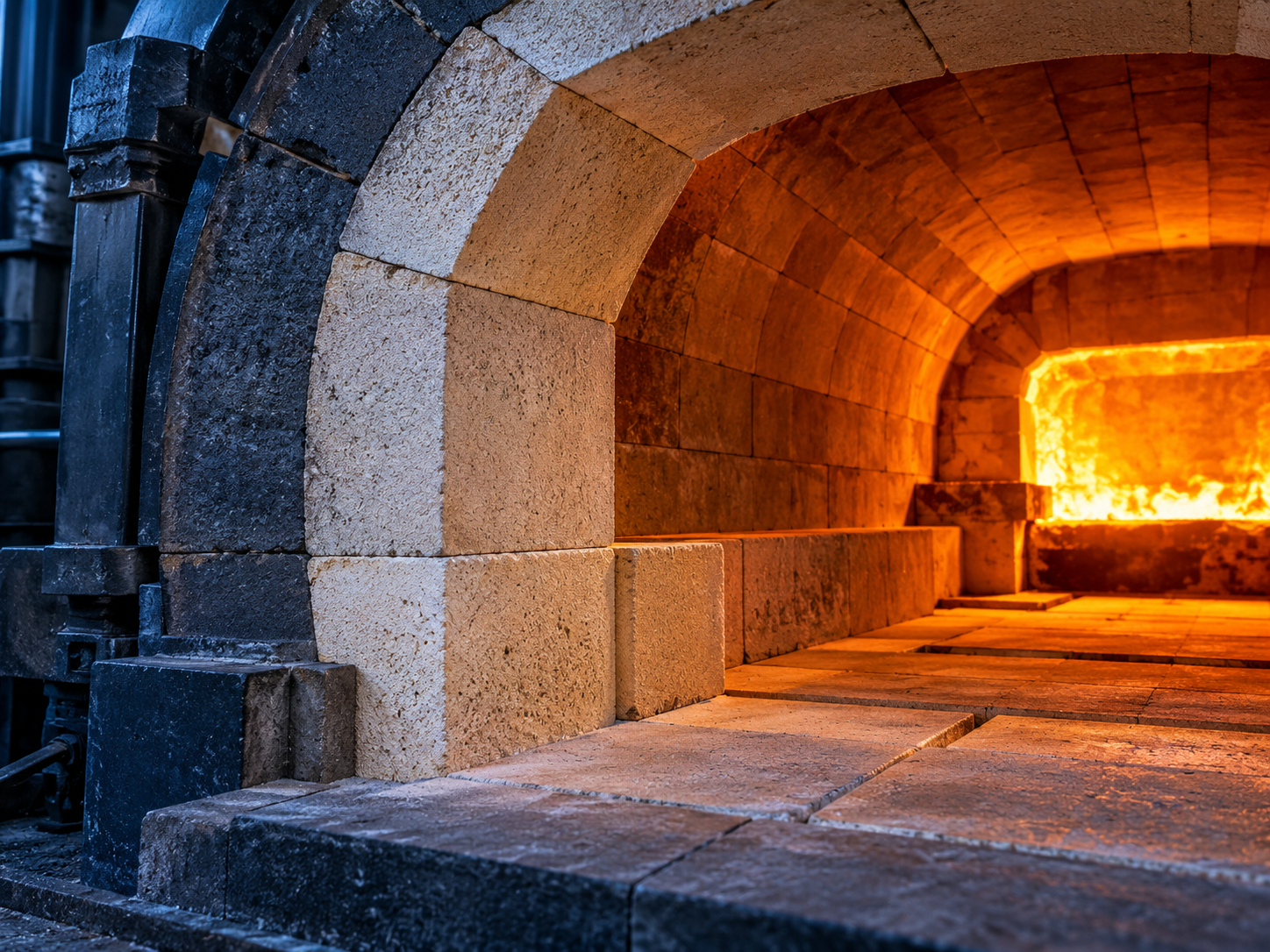
Industrial furnaces and high-temperature processing units operate under intense thermal, chemical, and mechanical stresses. For production managers and quality control engineers in the steel and manufacturing sectors, maintaining the structural integrity of furnace linings is critical to operational continuousness. Refractory material durability directly affects lining service life, campaign longevity, and overall production efficiency.
Understanding how materials degrade under extreme conditions enables operators to specify appropriate refractory solutions, minimizing unplanned downtime and maintaining thermal performance.
Primary Mechanisms of Refractory Deterioration
Refractory degradation in harsh environments is rarely caused by a single factor. Instead, it results from multiple concurrent thermal and mechanical stress mechanisms:
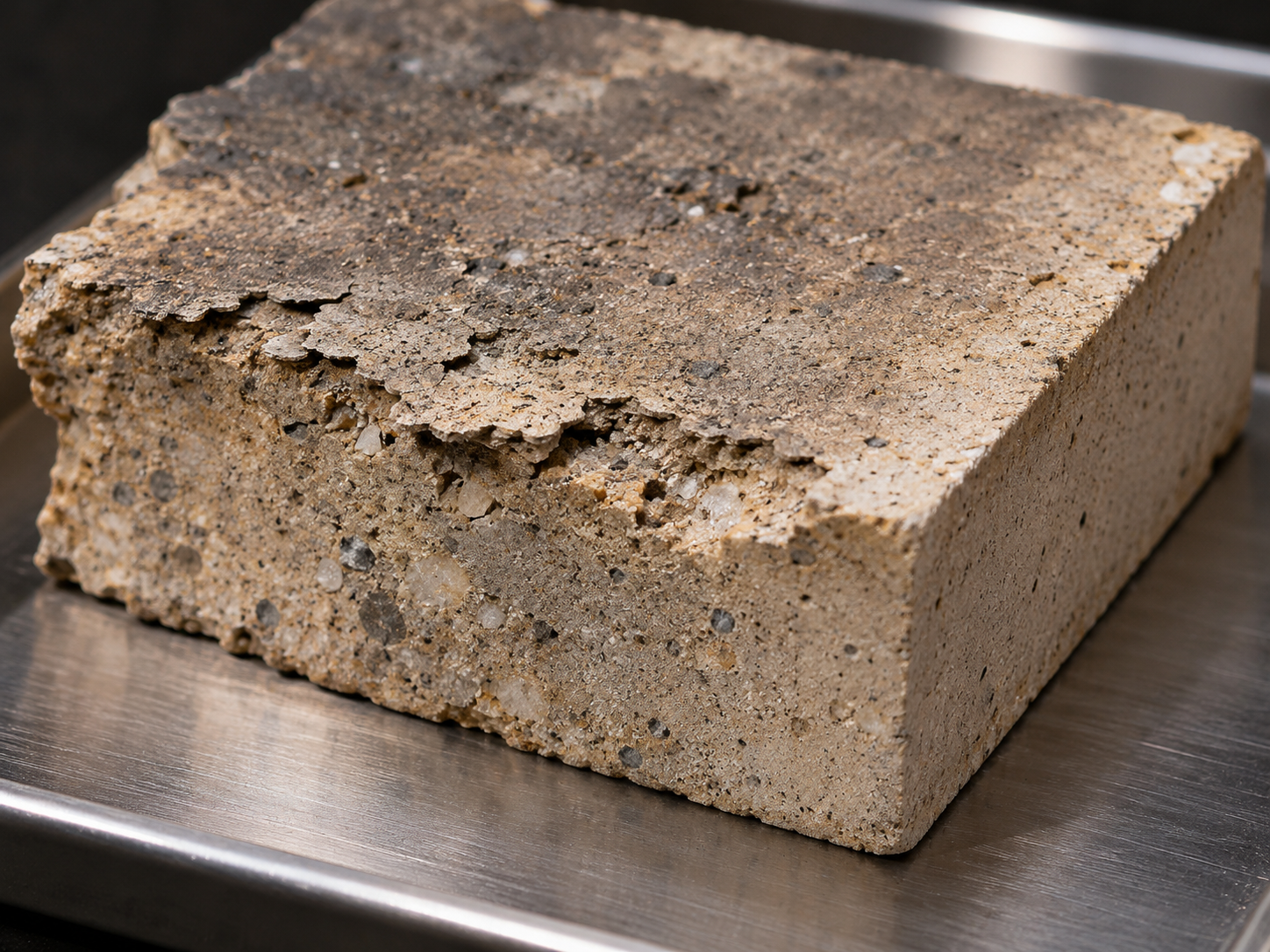
- Thermal Shock and Spalling: Rapid fluctuations in operating temperature create steep thermal gradients within refractory bricks or castables. Differential expansion generates internal tensile stresses, causing micro-cracking, surface spalling, and eventual structural degradation.
- Mechanical Wear and Abrasion: High-velocity gas streams, movement of heavy solid charges, and physical impact during charging cause surface wear. Over time, abrasion thins the working lining, exposing structural components to excessive heat.
- Chemical Corrosion and Slag Penetration: Liquid slag, molten metals, and corrosive process gases react chemically with refractory matrix phases. Liquid slag penetrates open pores, dissolving binder phases and altering the mineralogical composition of the lining.
Key Physical Properties of High-Durability Materials
To counteract these failure modes, dense high-temperature refractory materials rely on specific physical and chemical properties:
- Low Open Porosity and High Bulk Density: Minimizing pore volume restricts liquid slag and molten metal penetration, significantly reducing chemical attack and interior corrosion.
- Optimized Thermal Expansion Coefficients: Materials engineered with balanced thermal expansion exhibit superior resistance to thermal shock during rapid heating and cooling cycles.
- High Cold Crushing Strength (CCS) and Modulus of Rupture (HMOR): High mechanical strength at both ambient and elevated operating temperatures ensures resistance to impact, charge abrasion, and structural deformation.
- Chemical Compatibility: Matching the acidity or basicity of the refractory material (e.g., magnesia, alumina, or silica-based compositions) to the process slag prevents aggressive chemical dissolution.
Material Selection and End-to-End Technical Support
Selecting the ideal refractory lining requires precise alignment between operational furnace conditions and material specifications. Factors such as operating temperature profile, slag chemistry, mechanical load, and cycle frequency dictate whether shaped finished products or unshaped castables provide optimal performance.
Based in Dubai, UAE, Pennekamp Middle East LLC supplies over 100 types of refractory raw materials, finished products, and castables to global industrial manufacturers and steel plant operators. Beyond material delivery, Pennekamp Middle East LLC provides comprehensive technical support, helping engineers evaluate lining conditions, select suitable material grades, and optimize refractory performance for extreme environment operations. Integrated logistics and financial services further streamline material procurement for complex industrial facilities.
Conclusion
Improving refractory material durability requires a thorough analysis of operational wear mechanisms and precise material selection. By prioritizing high-density, thermally resistant refractory grades tailored to specific furnace environments, industrial facilities can maximize lining performance and operational efficiency. Contact Pennekamp Middle East LLC in Dubai for technical consultation on high-durability refractory solutions.