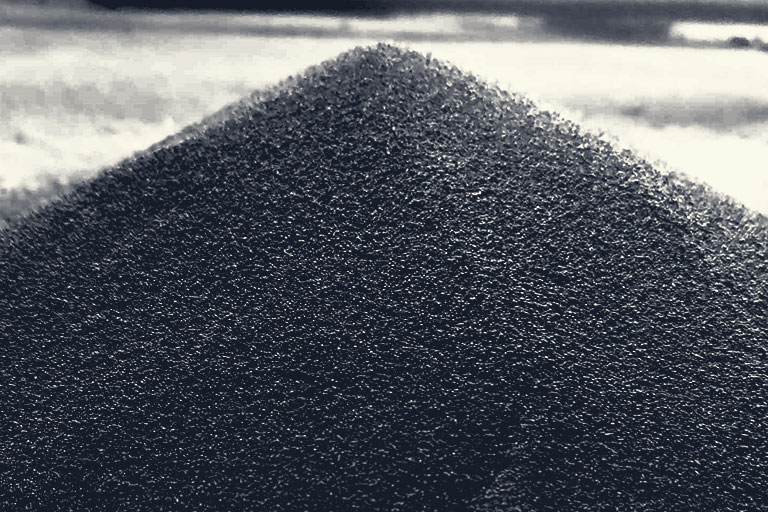
Casting fluxes play a central role in continuous casting quality by controlling heat transfer, lubricating mold-wall interaction, and protecting molten steel from re-oxidation. The right flux selection supports stable casting, reduces surface defects, and contributes to cleaner steel ,especially when matched to steel grade, casting speed, and tundish-to-mold practice.
What Casting Flux Does in Practice
In the mold, casting flux forms a slag layer that melts and infiltrates the gap between the strand shell and the mold wall. This slag film provides lubrication to reduce friction and prevent sticking. At the same time, flux controls heat extraction; too much heat loss can cause cracks, while too little can destabilize shell formation.
Flux also shields steel from atmospheric oxygen, reducing re-oxidation risk and helping maintain cleanliness.
Clean Steel and Flux Chemistry
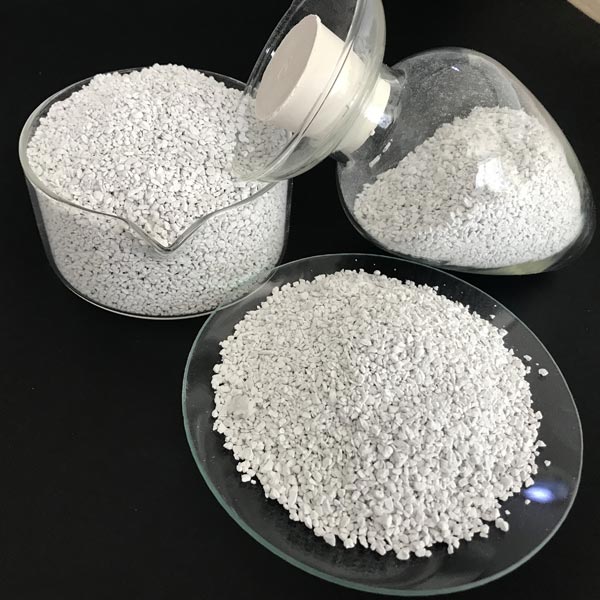
Cleanliness is influenced by inclusion behavior and surface stability. Flux chemistry affects viscosity, melting range, and crystallization tendency. These properties influence lubrication uniformity and heat transfer control, which in turn affect surface quality and defect formation.
Selecting a flux is therefore not only a “casting consumable” decision; it is a metallurgical quality decision. Different steel grades ,especially those sensitive to cracking or surface defects ,often require fluxes tuned for specific viscosity and melting behavior.
Balancing Lubrication and Heat Transfer
A stable casting operation requires balance. If flux melts too quickly or becomes too fluid, it can lead to unstable film behavior. If it is too viscous or melts too slowly, lubrication may be insufficient, increasing sticker risk and surface defects.
Crystallization behavior also matters. Some fluxes form crystalline phases that reduce heat transfer, helpful for controlling thermal gradients in certain casting conditions. The correct profile depends on casting speed, mold cooling, and grade sensitivity.
Operational Benefits: Stability and Fewer Defects
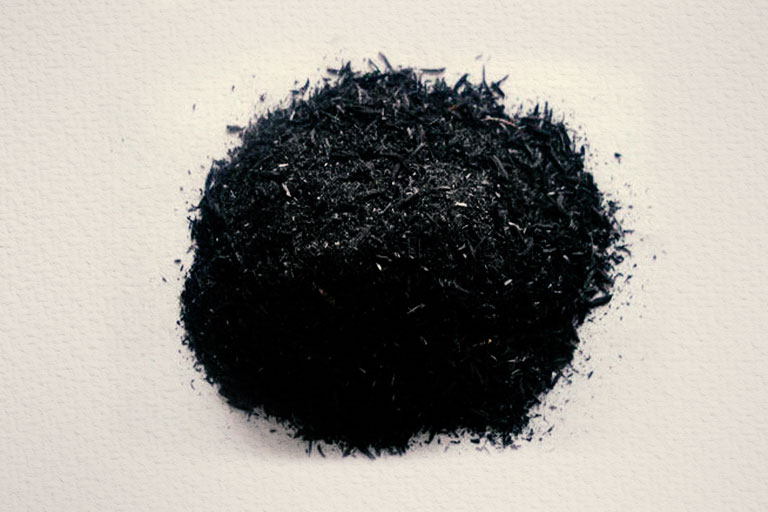
A well-matched casting flux supports stable meniscus behavior, reduces mold friction variability, and improves surface finish. It can reduce breakout risk and improve productivity by allowing consistent speed without frequent corrective actions.
From a quality standpoint, stable flux performance reduces the likelihood of oscillation marks, longitudinal cracks, and other surface issues that increase rework and yield loss.
Procurement and Quality Control Considerations
Flux supply should be consistent. Small variations in composition can shift melting and viscosity behavior, impacting casting stability. Buyers should demand stable specification control, traceability, and performance references for similar grades and casting conditions.
Storage matters as well. Flux must be protected from moisture and contamination. In humid environments, packaging integrity can influence flowability and dosing consistency.
If you want to improve casting stability and surface quality through optimized casting flux selection, contact Pennekamp Middle East with your steel grades, casting speeds, and defect profile. Our team can support flux selection and technical alignment with your casting practice.