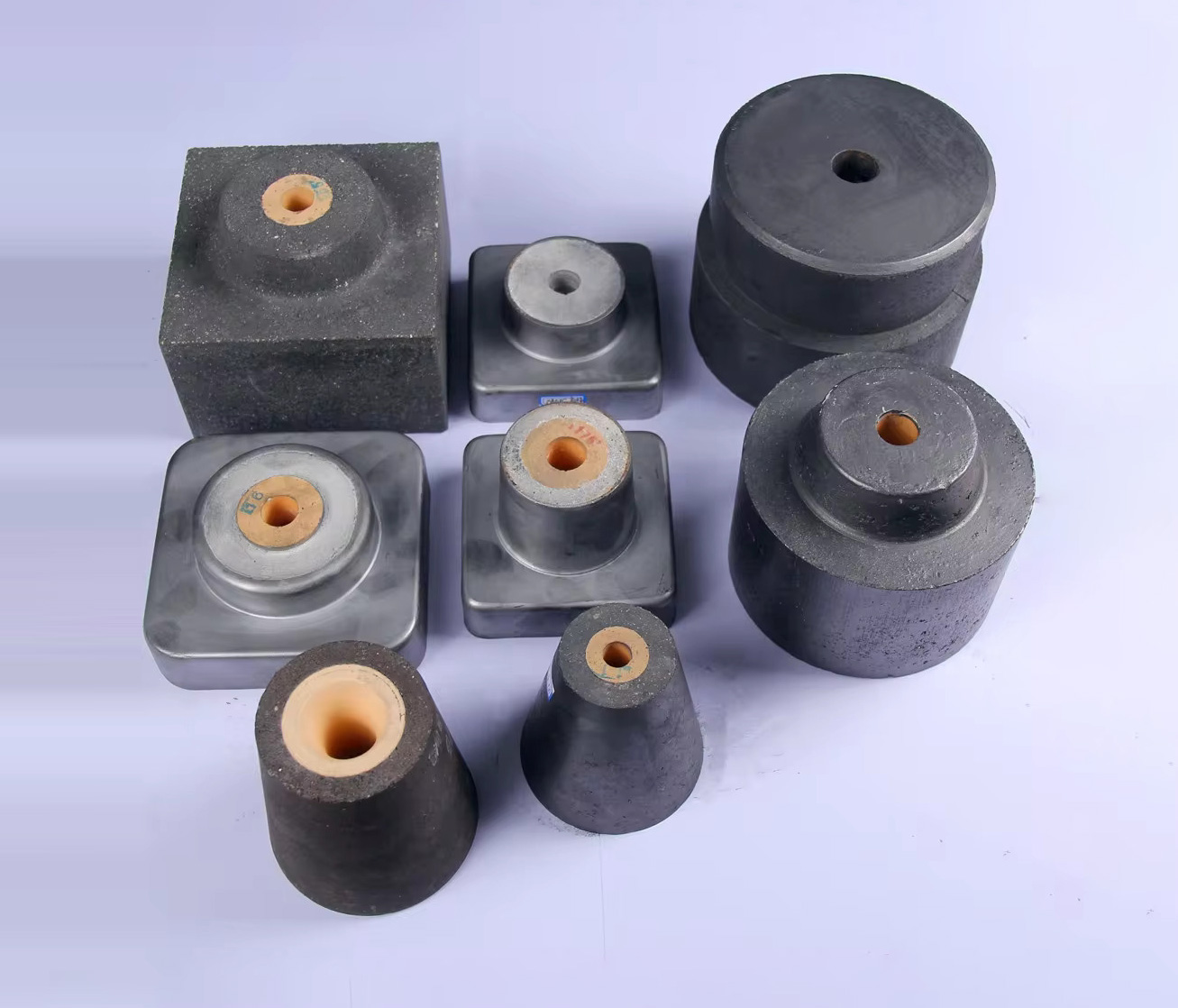
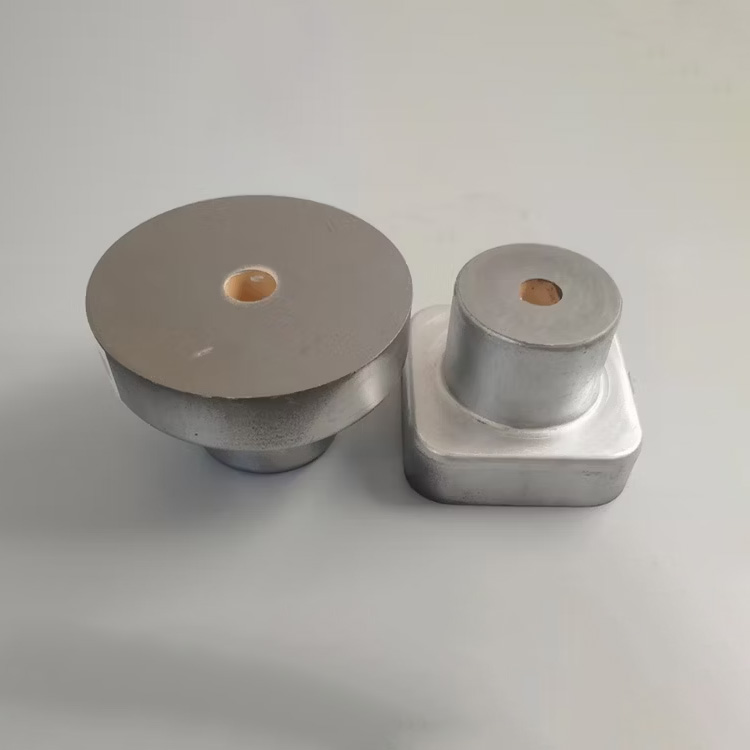
The tundish porous upper nozzle is a critical flow-control and cleanliness component in continuous casting. By managing steel flow behavior and supporting stable casting conditions, it helps reduce turbulence, minimize re-oxidation risks, and contribute to improved inclusion control ,especially when engineered to match casting speed, steel grade, and tundish practice.
Role of the Upper Nozzle in Continuous Casting
In the tundish-to-mold flow path, the upper nozzle acts as a controlled interface that influences stability and steel cleanliness. Small geometry differences can shift flow patterns, affecting turbulence levels, slag entrainment risk, and re-oxidation exposure. Inconsistent flow can translate into quality defects, clogging behavior changes, and reduced casting stability.
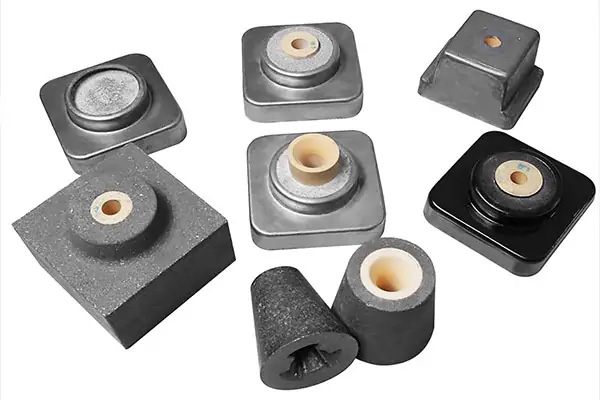
A porous upper nozzle introduces an additional functional layer: controlled porosity that supports specific flow or gas-related objectives depending on tundish and stopper/slide gate design.
What “Porous” Means and Why It’s Used
Porosity in an upper nozzle is engineered ,not accidental. Controlled pore structure can influence permeability and interaction with steel flow and surrounding conditions. In some designs, porous characteristics contribute to more stable flow patterns and reduced localized turbulence. The exact functional objective depends on casting practice and nozzle system design.
Because tundish components operate in highly demanding conditions ,thermal shock, steel/slag contact, and mechanical constraints ,material selection must balance porosity with strength and corrosion resistance.
Material Requirements and Performance Drivers
Upper nozzles typically rely on refractory compositions that resist steel and slag corrosion, maintain dimensional stability, and tolerate thermal cycling. The porous structure must remain stable at temperature without collapsing or cracking. Resistance to erosion and chemical attack is essential, particularly for long casting sequences where wear can change flow conditions.
Quality control focuses on dimensional accuracy, density and porosity control, corrosion indicators, and consistency across batches. Even slight variation can affect flow stability and operational predictability.
Operational Benefits in the Casting Line
A well-matched porous upper nozzle can support steadier casting, reduce sensitivity to transient events, and improve consistency in steel delivery to the mold. It can also help manage the operational window related to clogging tendencies, depending on steel grade and inclusions behavior.
From a procurement viewpoint, the value is not only product cost ,it’s the stability of casting operations and quality outcomes. In continuous casting, the cost of instability is often far higher than the cost of the component.
Selection Criteria for Engineers and Buyers
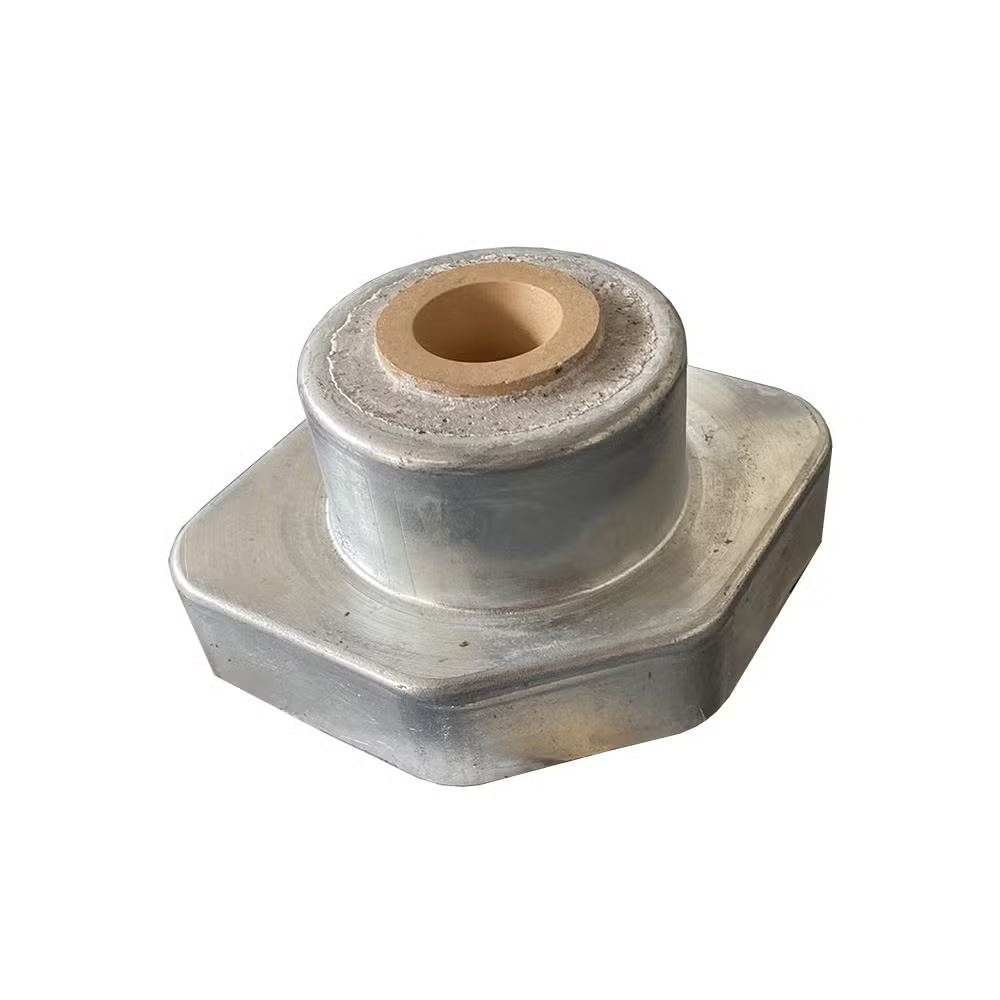
Select a porous upper nozzle based on casting speed, steel grade sensitivity, tundish practice, and compatibility with the stopper/slide gate system. Demand traceability, dimensional control, and validated performance history. Consider supplier capability to deliver consistent pore structure and to support troubleshooting if flow issues arise.
Middle East Supply and Reliability Considerations
For regional plants, consistent availability and protected packaging are essential. Tundish components must arrive in condition-ready form, with minimal storage risk and stable quality across deliveries, especially when casting schedules are tight.
If you are evaluating tundish porous upper nozzles to improve casting stability or reduce flow-related defects, contact Pennekamp Middle East. Share your tundish setup, steel grades, and current issues (turbulence, clogging, inclusion-related defects), and our team will recommend suitable nozzle solutions aligned with your casting practice.