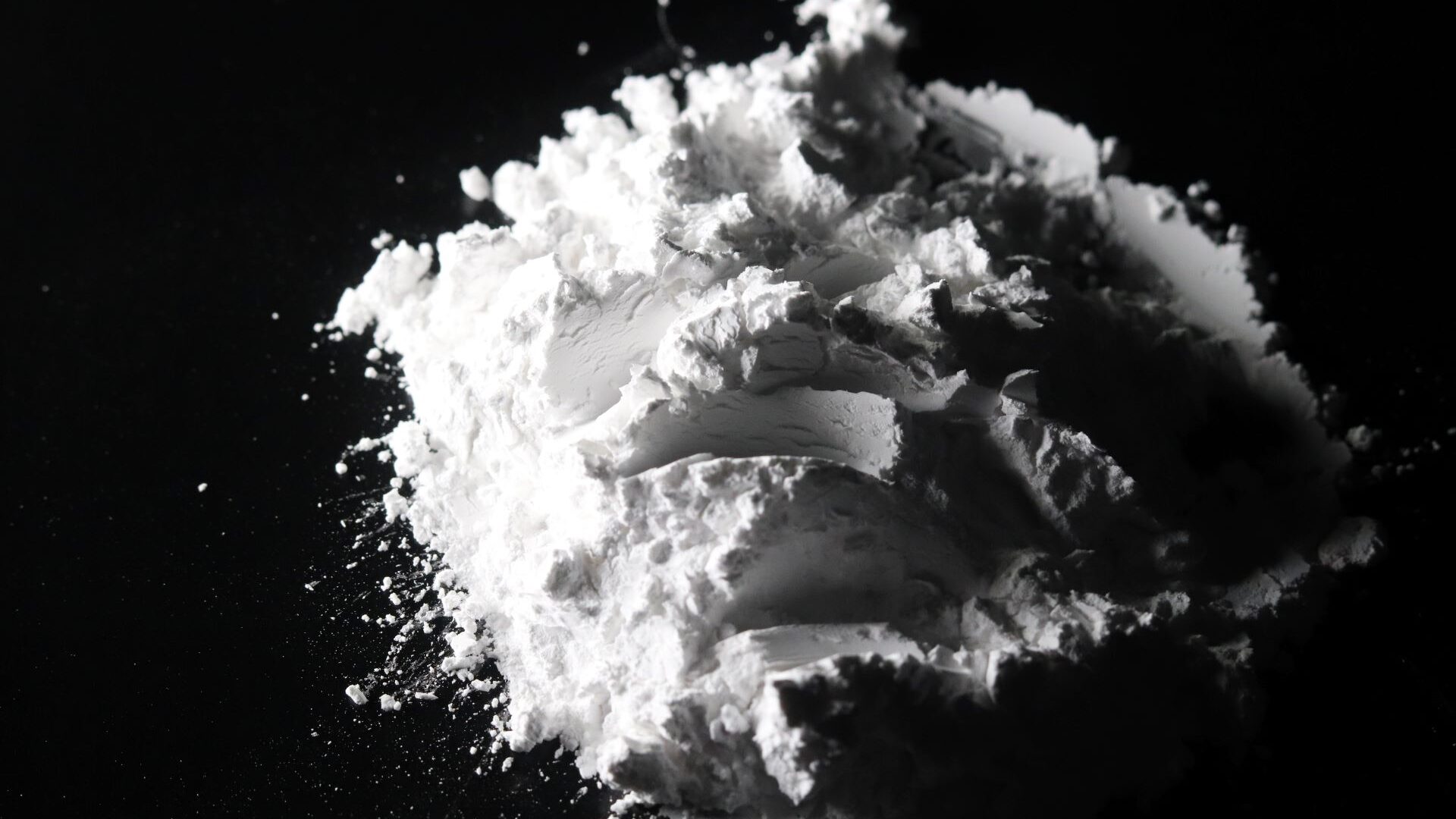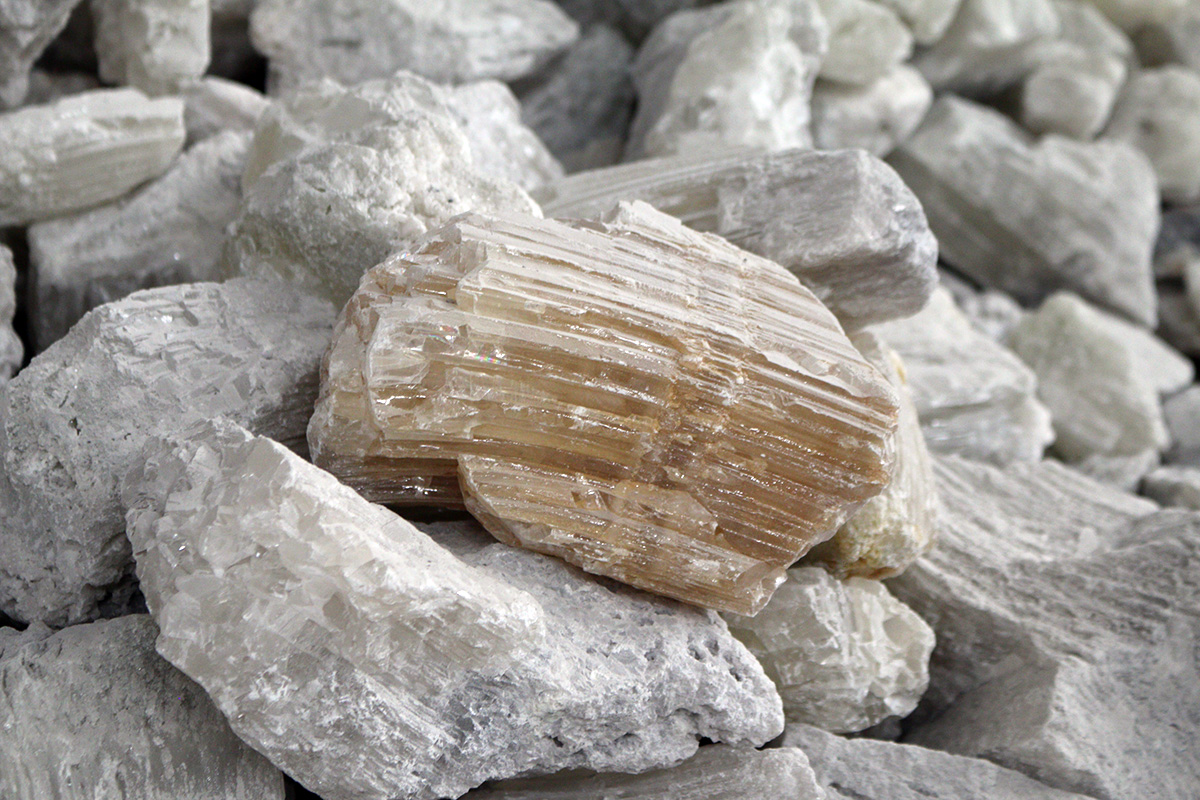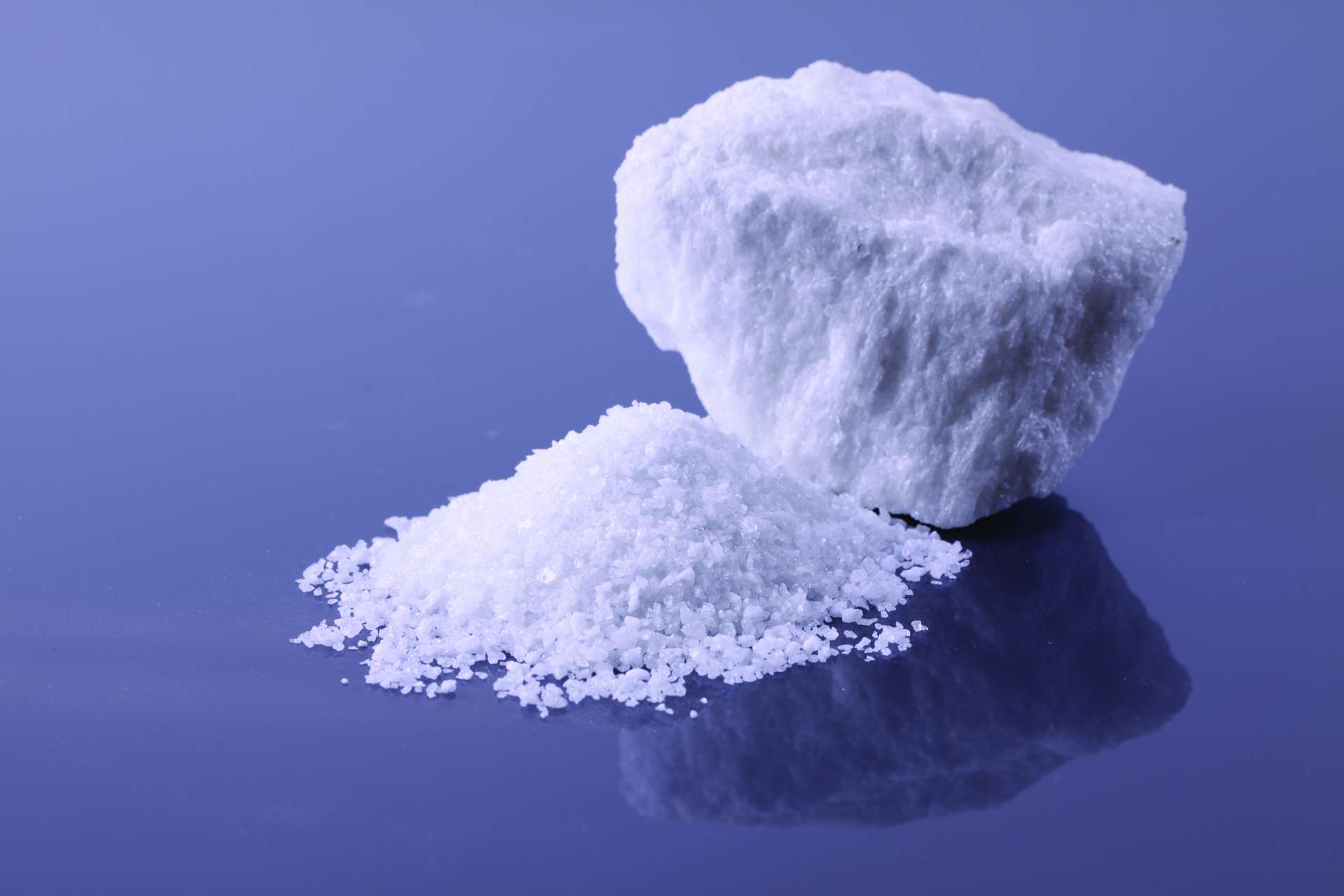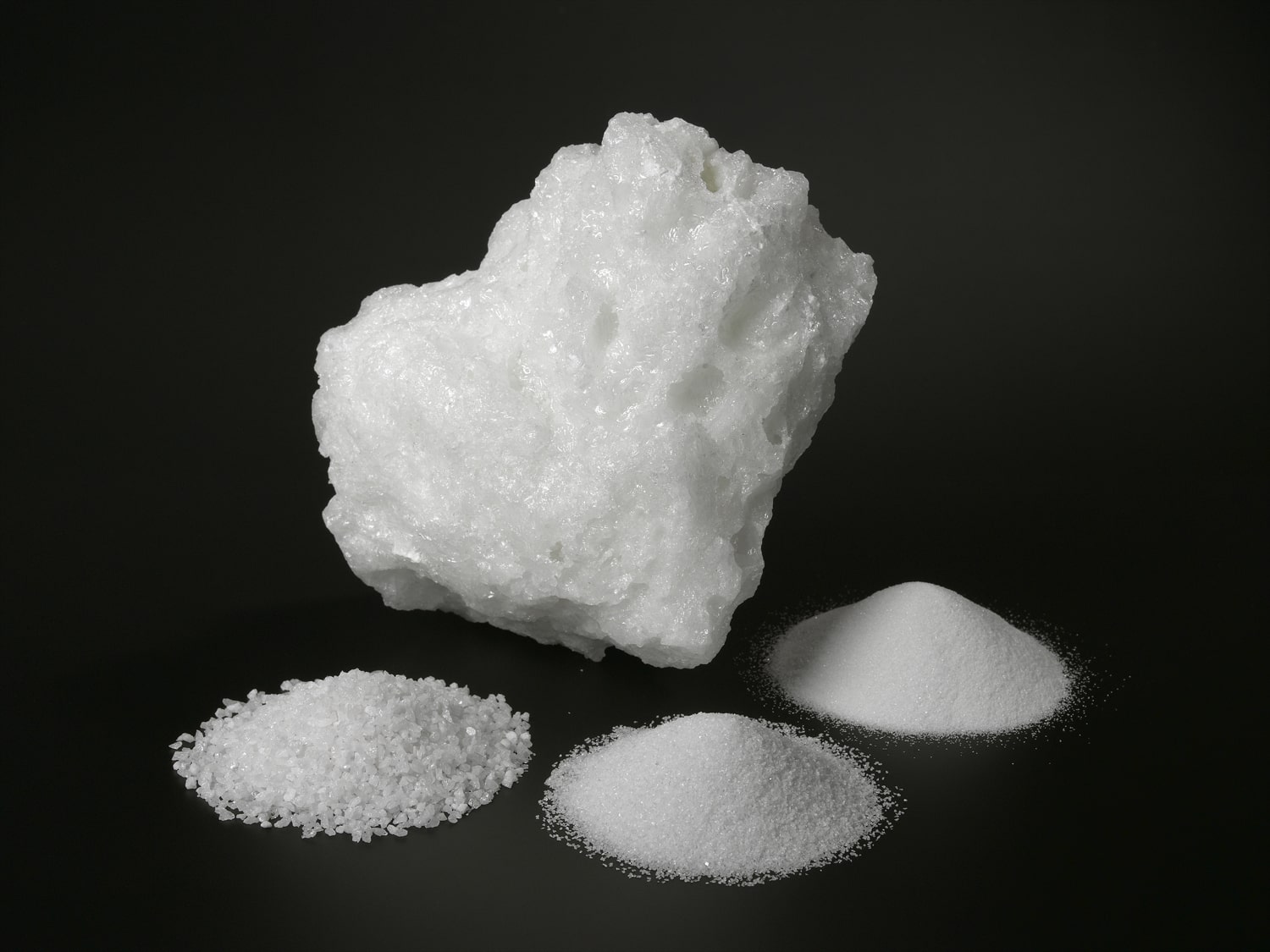
Calcined alumina is a core raw material behind many high-performance refractory bricks and monolithics. Its purity, phase composition, and particle characteristics directly influence density, hot strength, corrosion resistance, and thermal stability ,making it a critical choice for engineers and procurement teams targeting consistent refractory performance.
What Calcined Alumina Is
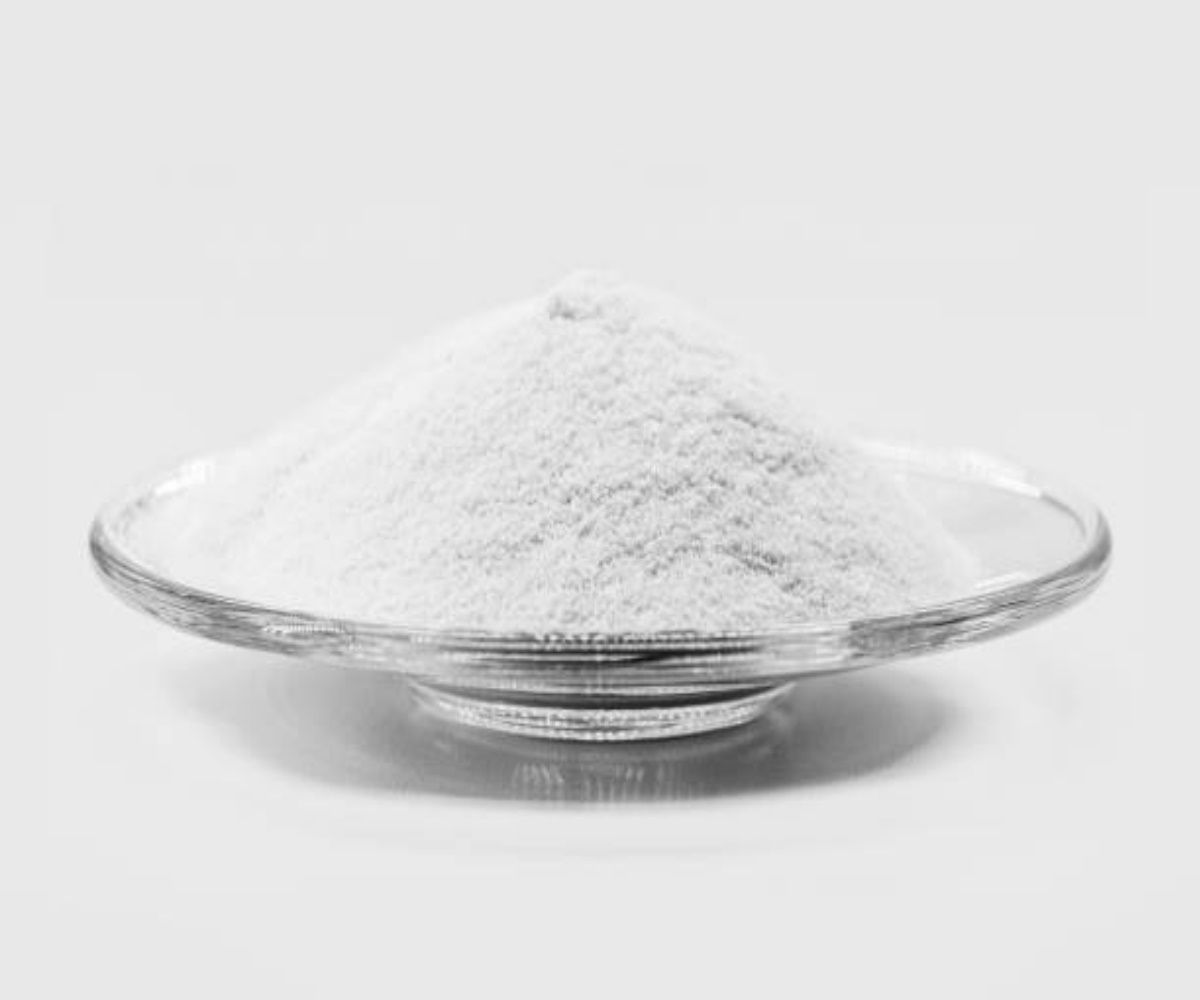
Calcined alumina is aluminum oxide (Al₂O₃) that has been heat-treated to drive off chemically bound water and convert precursor materials into stable alumina phases. Unlike hydrated aluminas or reactive aluminas used for specific bonding behaviors, calcined alumina is typically selected for its stability, controlled reactivity, and ability to support dense, corrosion-resistant microstructures.
How It’s Produced and Controlled
Production typically starts from alumina hydrates, which are calcined at controlled temperatures to achieve target phase composition and surface characteristics. Quality control focuses on chemical purity, sodium content, phase distribution (alpha vs transitional phases), particle size distribution, and consistency across batches.
For refractory performance, these parameters affect sintering behavior and final microstructure. A consistent calcined alumina can help manufacturers achieve predictable density and mechanical strength while limiting unwanted glassy phases.
Key Properties and Why They Matter
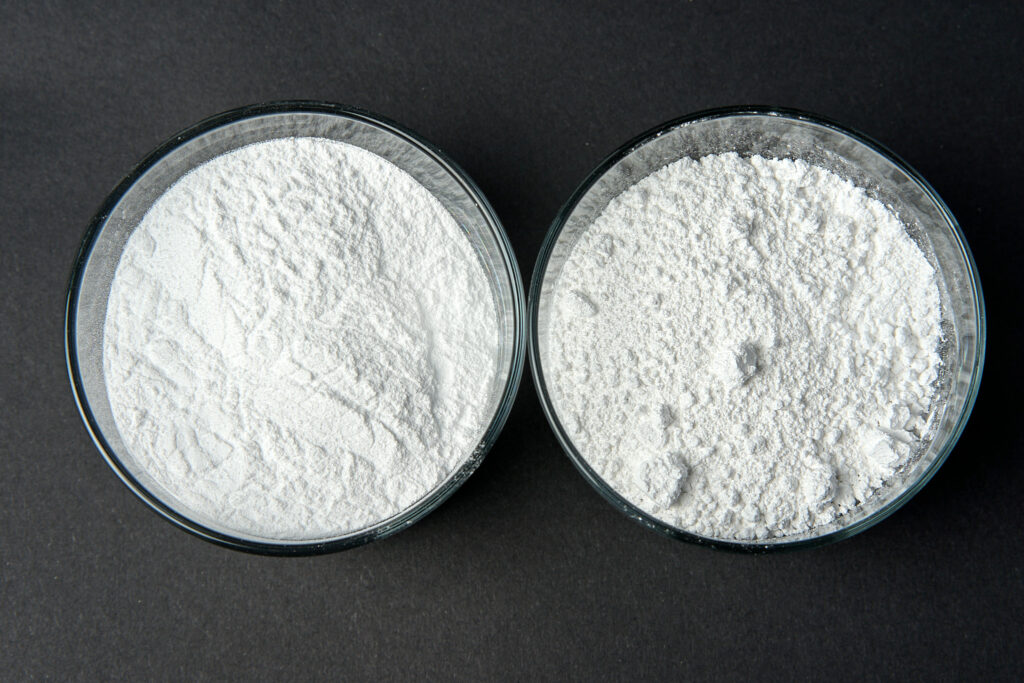
High Al₂O₃ content supports refractoriness and hot strength. Controlled impurities improve corrosion resistance, especially in chemically aggressive environments. Particle sizing influences packing density and water demand in castables. Phase composition influences how the refractory develops strength at temperature and how it resists creep and deformation.
For procurement, a key benefit is reliability: consistent raw material inputs support consistent lining outcomes, which is often more valuable than chasing marginal cost reductions.
Industrial Applications
Calcined alumina is widely used in high-alumina bricks, castables, low-cement castables, and specialized monolithics for steel, cement, glass, and petrochemical furnace applications. It also supports formulations where abrasion resistance and hot strength are required, such as kiln inlets and high-wear zones.
In many Middle East operations, calcined alumina is a strategic raw material due to the region’s strong industrial base and the need for stable, high-performance lining solutions.
If you are sourcing calcined alumina for refractory manufacturing or maintenance programs, contact Pennekamp Middle East for available grades, sizing options, and technical data suited to your application and operating environment.