Why the EAF Bottom Is a Special Zone
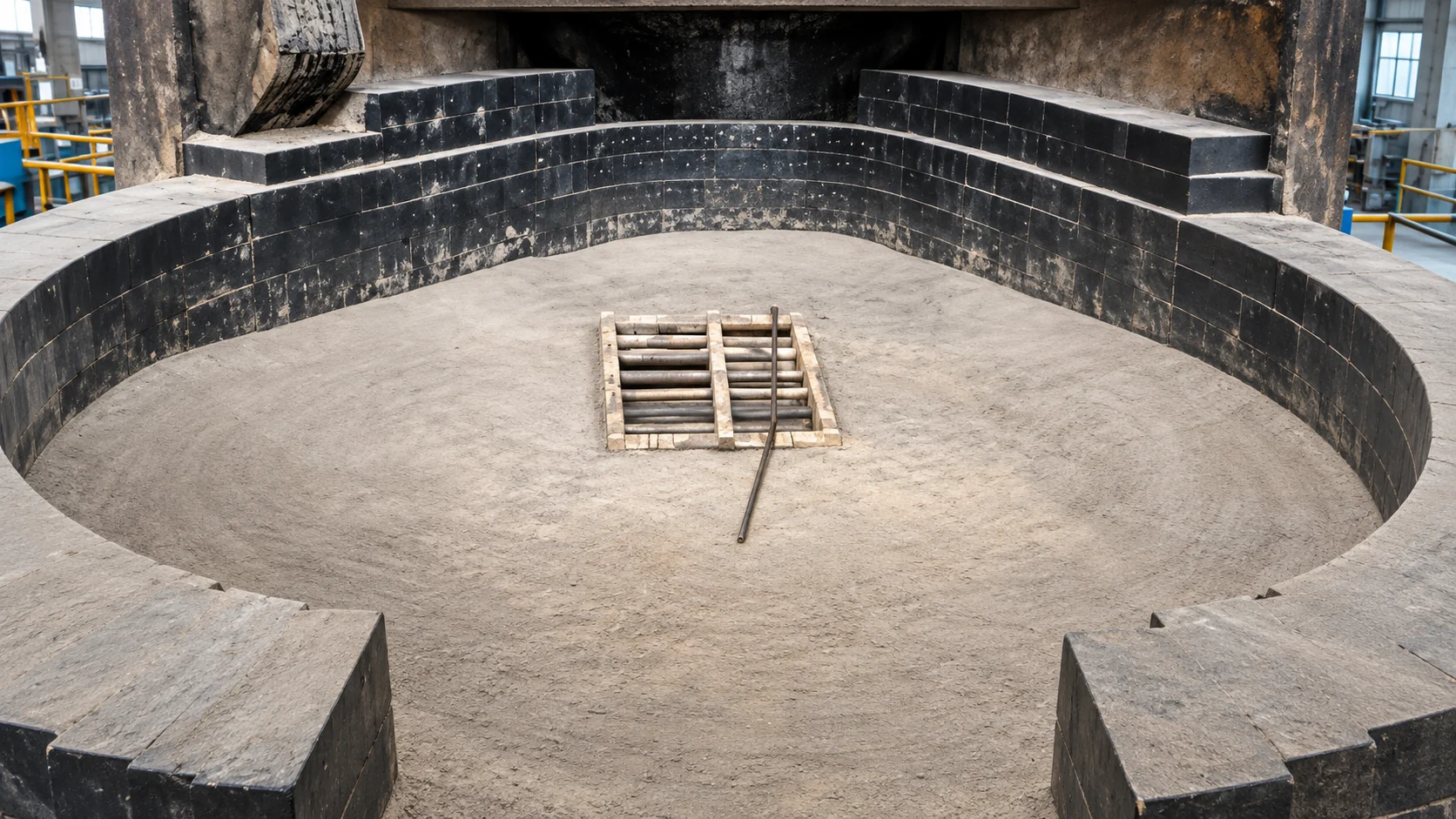
EAF bottoms face severe conditions: thermal gradients, repeated cycling, metal penetration risk, and slag exposure—often with mechanical stress from furnace movement and tapping practice. Bottom failure can create safety risk and force long shutdowns. This makes bottom lining design a high-impact reliability decision.
A dry ramming mass solution is attractive because it can be installed quickly and can be maintained through targeted repairs, supporting high furnace availability.
What “Dry Ramming” Means in Practice
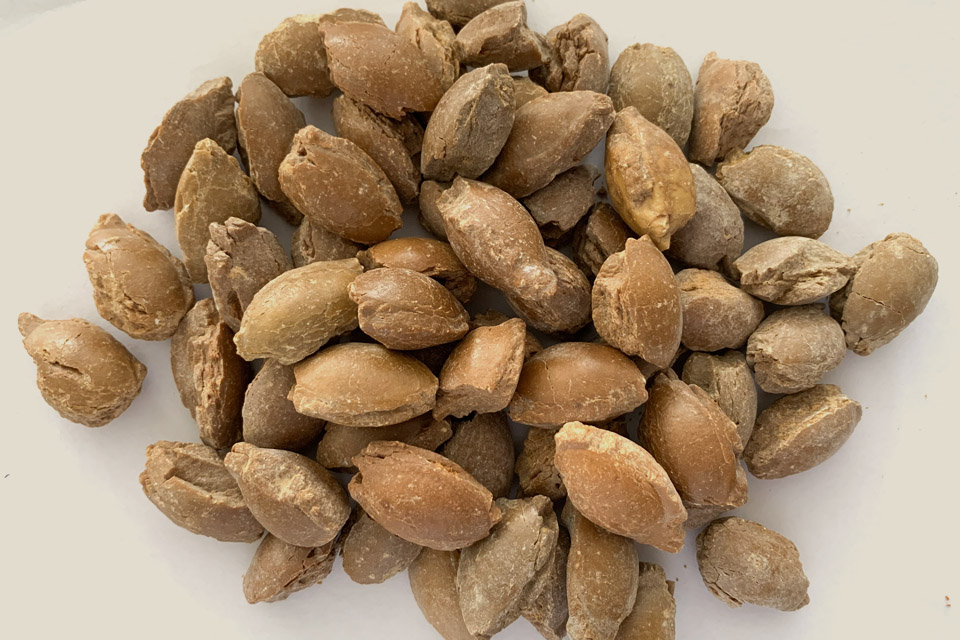
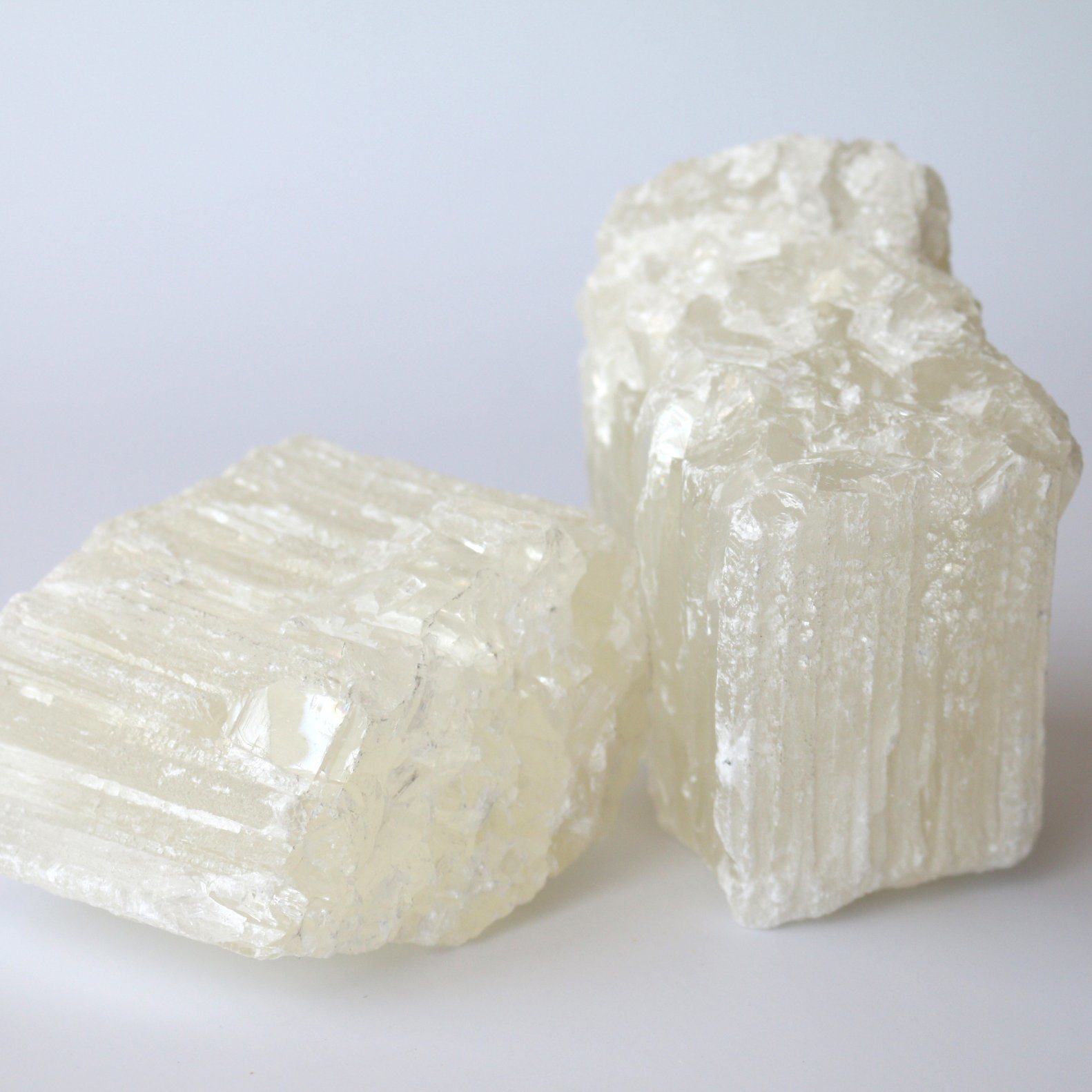
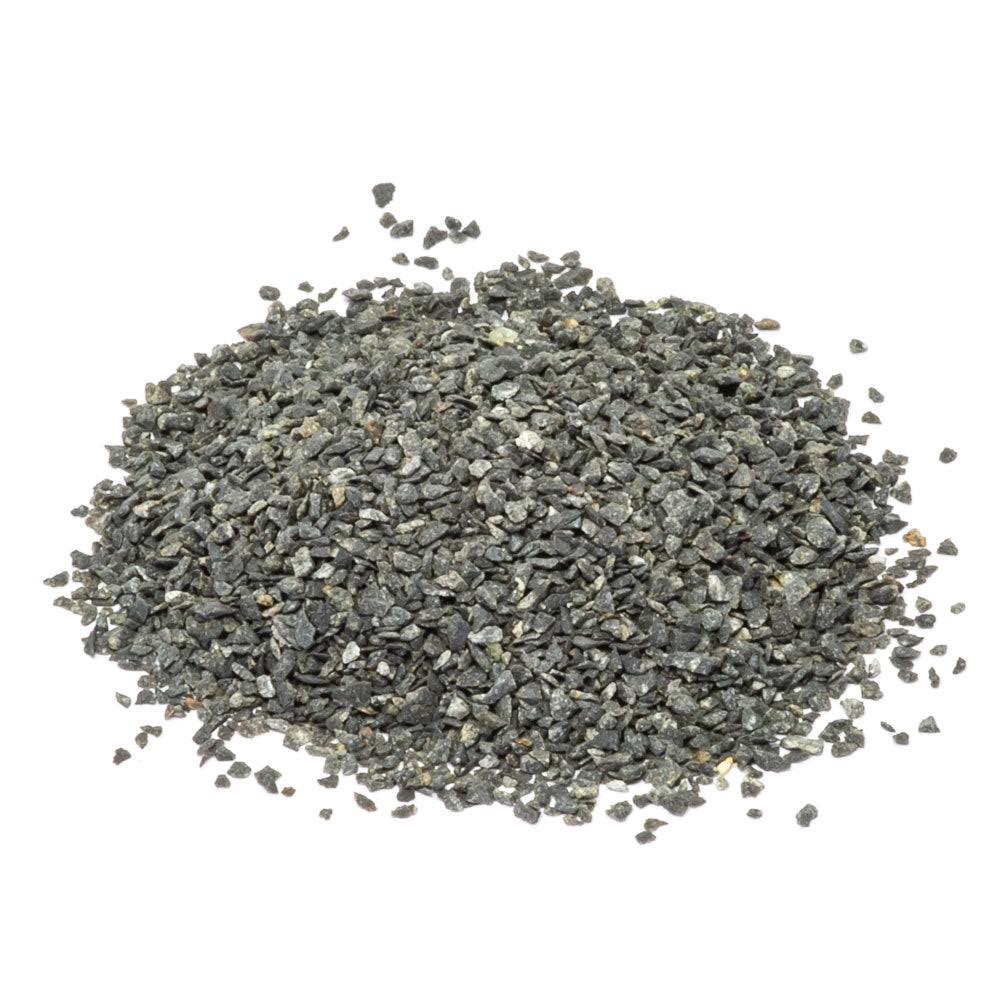
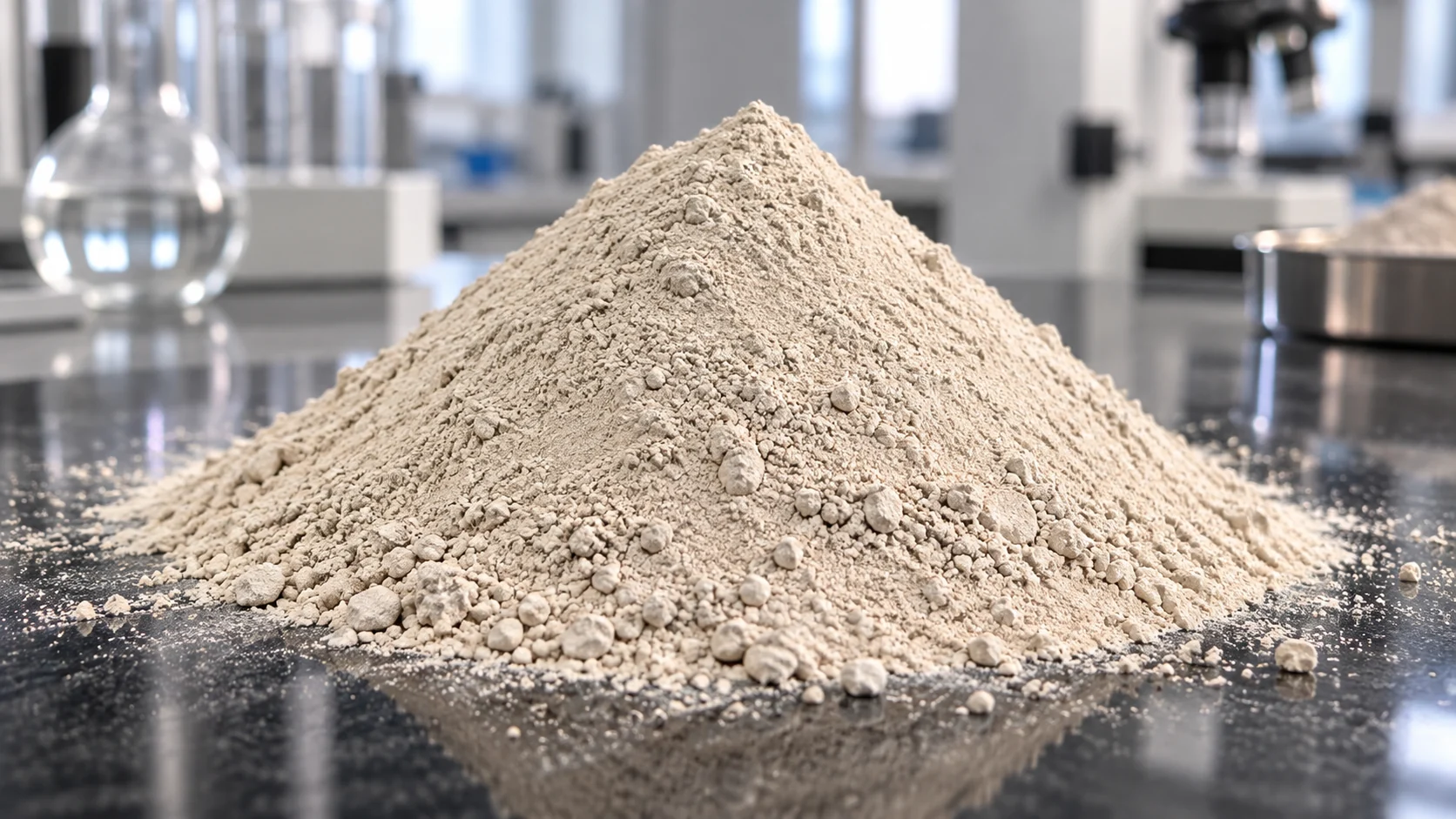
Dry ramming masses are installed by compaction rather than casting. The performance depends heavily on achieving high density through proper ramming technique. Good compaction reduces open porosity, which reduces infiltration risk. The material must also tolerate thermal cycling without excessive cracking or loss of cohesion.
Unlike wet-installed materials, dry ramming systems reduce water-related drying risks, which can be advantageous under tight shutdown schedules.
Key Performance Drivers
The most important drivers are density after installation, resistance to penetration, and stability under cycling. A well-designed ramming mass should maintain cohesion at temperature and resist washout and erosion. Chemical compatibility with slag practice also matters; a mismatch can accelerate corrosion even if density is good.
Consistency is critical. If grain sizing or binder behavior varies, ramming behavior changes and installed density becomes inconsistent—creating weak zones.
Installation Discipline: The Deciding Factor
Dry ramming success is installation-dependent. Compaction energy, layer thickness control, and consistent ramming coverage determine density and uniformity. Poor compaction creates voids, which become penetration pathways and crack initiators. Standardizing procedures and training operators often delivers immediate performance improvements.
Heat-up practice also matters. While dry systems avoid some water-related issues, controlled initial heating helps stabilize the lining and reduces early thermal shock damage.
Maintenance and Repair Strategy
One advantage of dry ramming bottoms is repairability. Localized damage can often be corrected without full relining, improving uptime and lowering lifecycle cost. The best results come when maintenance is planned around wear indicators rather than waiting for deep damage.
Middle East Considerations
High utilization and tight windows make dry ramming solutions particularly relevant in Middle East EAF operations. Reliable supply, consistent material behavior, and packaging integrity support predictable shutdown planning and stable installation outcomes.
If your EAF bottom is experiencing penetration, cracking, or rapid wear—or if you want to optimize installation speed without sacrificing durability—contact Pennekamp Middle East with your furnace size and bottom wear pattern. We’ll recommend suitable dry ramming mass options designed for density, stability, and predictable maintenance outcomes.