Kiln performance is not only driven by fuel, feed chemistry, or mechanical alignment ,refractory design plays a decisive role in uptime, thermal efficiency, and coating stability. Custom refractory design, built around zone-specific conditions, can reduce heat loss, control shell temperature, and extend lining life in ways that standard “one-size” solutions rarely achieve.
Why Kilns Demand Zone-Based Refractory Thinking
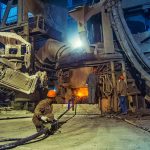
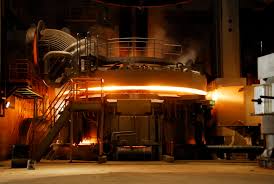
Rotary kilns ,especially in cement, lime, and minerals processing ,operate with complex gradients: temperature, chemical exposure, abrasion, and coating behavior vary dramatically along the kiln length. The burning zone faces extreme thermal load and chemical attack; transition zones experience high cycling and coating instability; inlet and preheater areas face abrasion and volatile-driven chemical stresses.
A standard lining approach often leads to over-specification in low-stress zones and under-performance in critical zones. Custom design aligns refractory properties with real operating conditions.
What “Custom Design” Actually Means
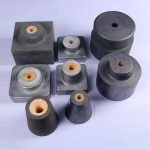
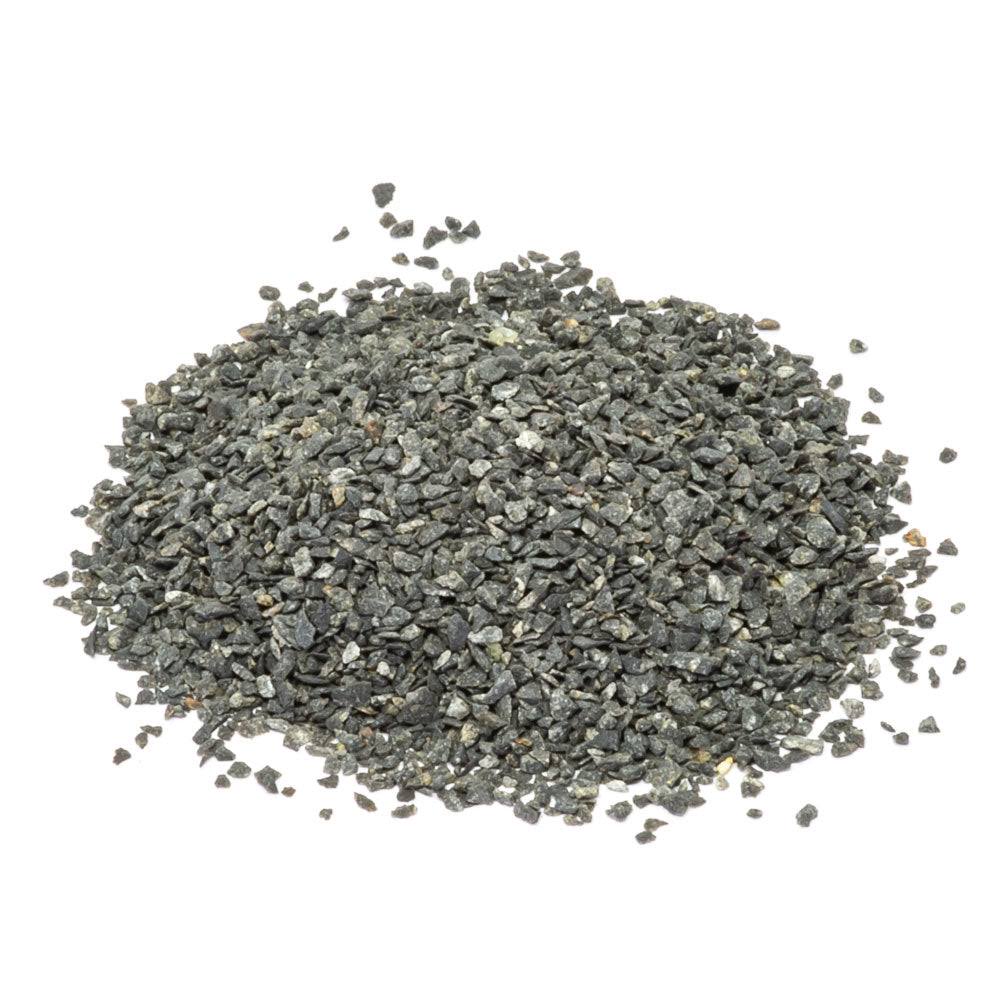
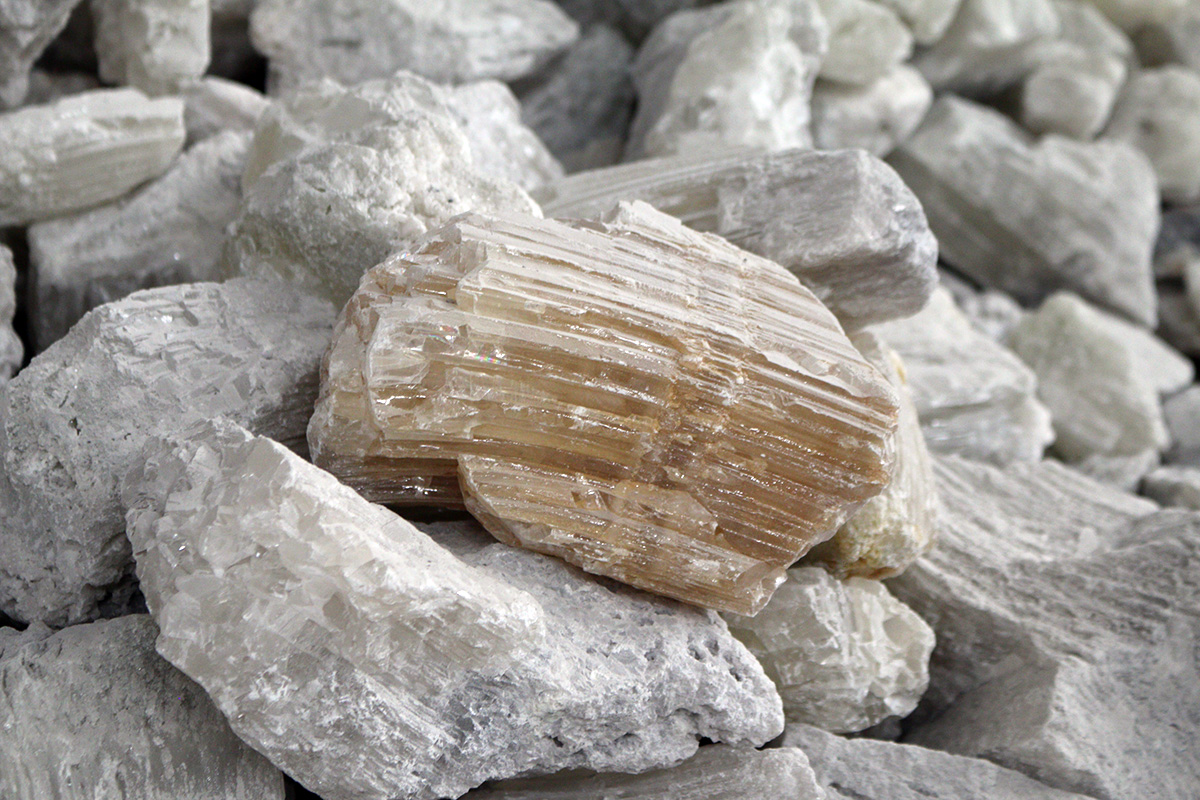
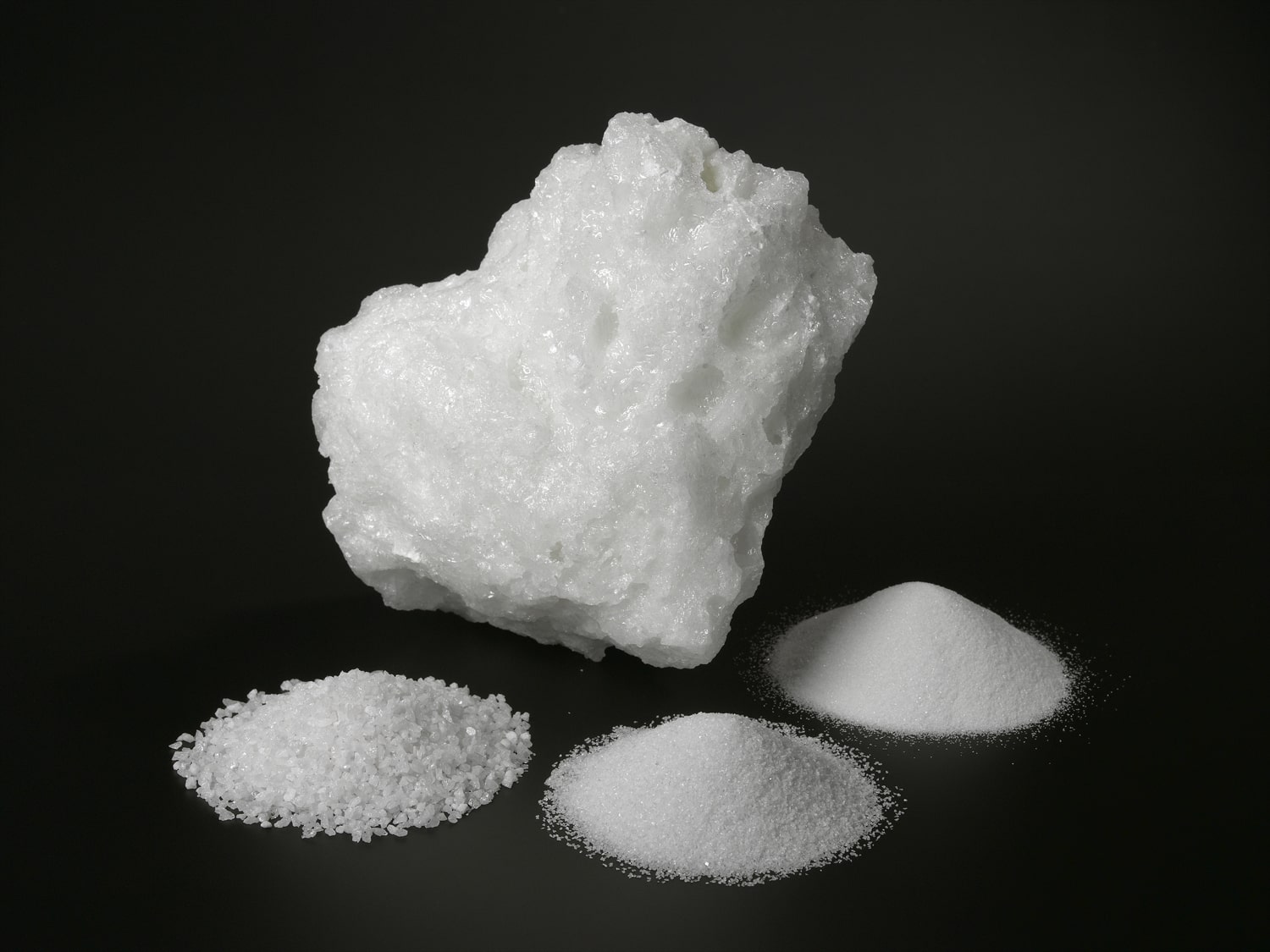
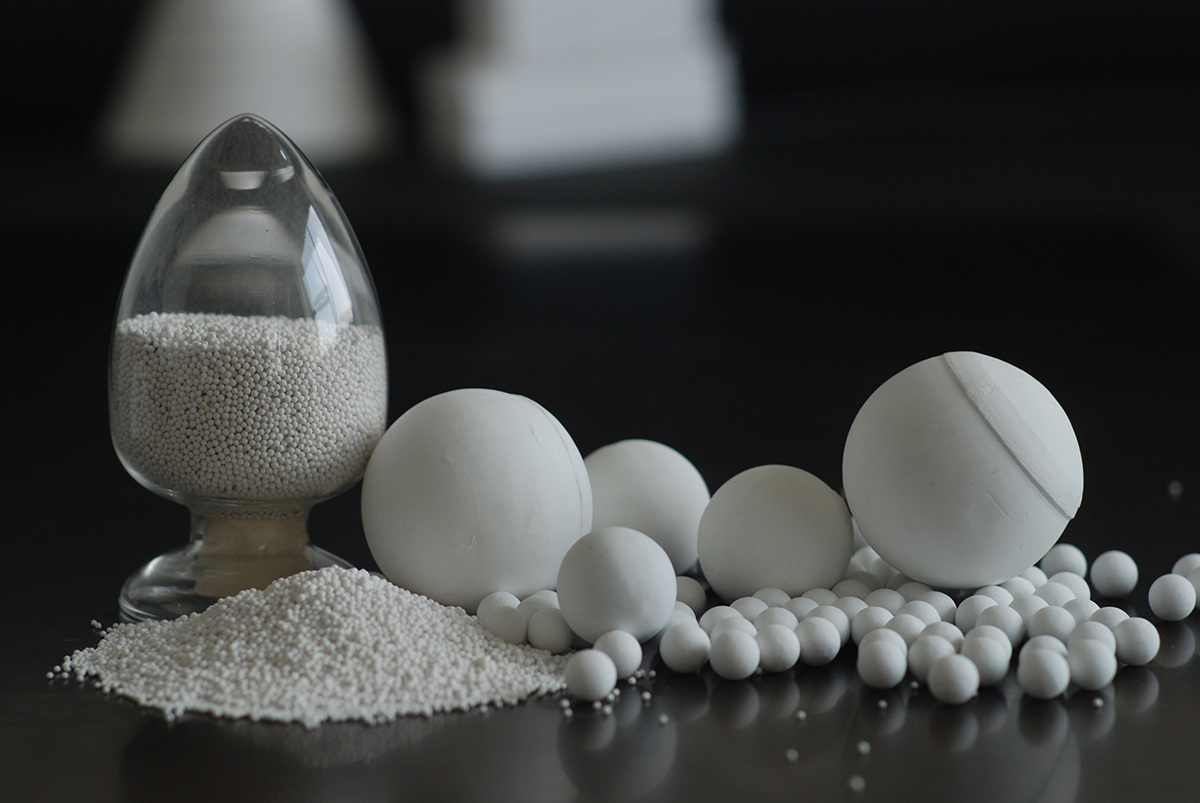
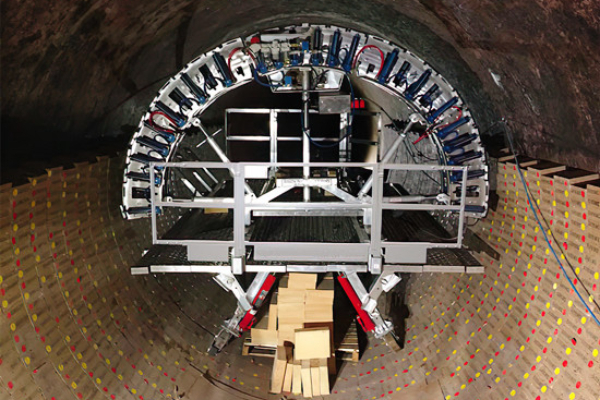
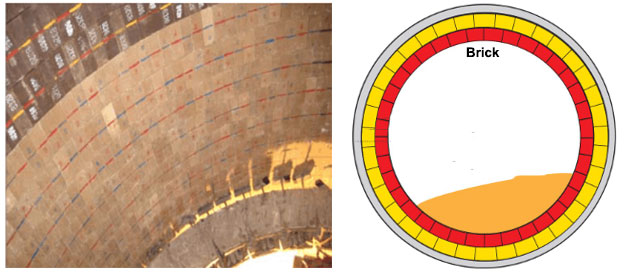
Custom refractory design includes material selection, lining thickness strategy, anchoring and installation method, and expansion management. It may combine different brick qualities and monolithics to match wear drivers. It also considers how the lining influences heat flow, coating formation, and mechanical stability of the kiln shell.
The goal is not complexity for its own sake; it’s predictable performance: stable coating where desired, reduced hot spots, and controlled wear rates that support planned maintenance.
Performance Gains That Matter Operationally
When refractory design matches the kiln’s operating reality, plants often see fewer shutdowns caused by lining failure, improved thermal efficiency due to better insulation control, and more stable process conditions. Reducing infiltration and preventing structural spalling can protect both the kiln shell and downstream equipment.
In many cases, the largest benefit is consistency. A kiln that runs in a stable thermal and coating regime produces more reliable output quality and lowers the cost of production disruptions.
Engineering Inputs Required for Effective Customization
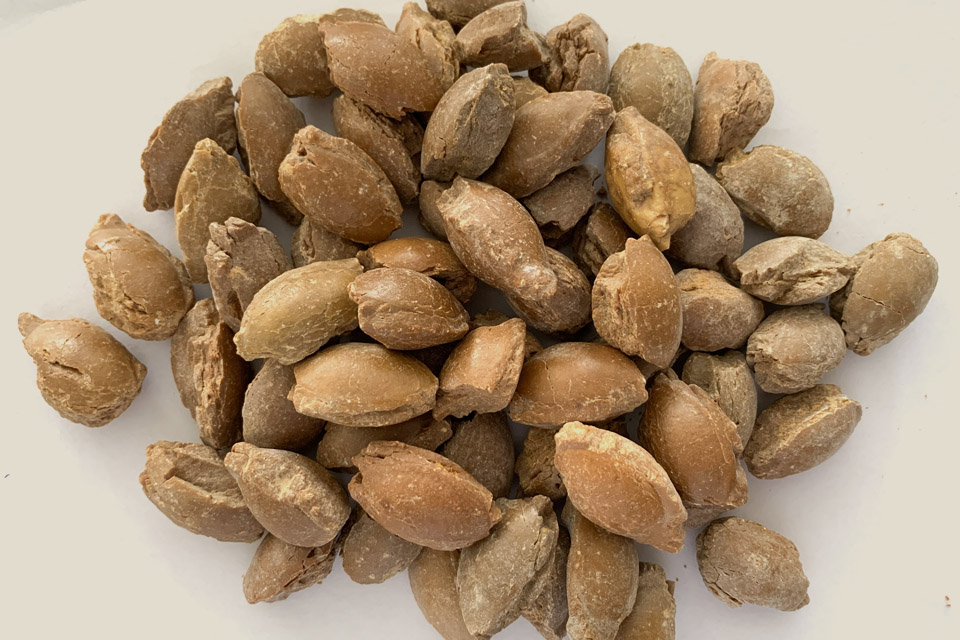
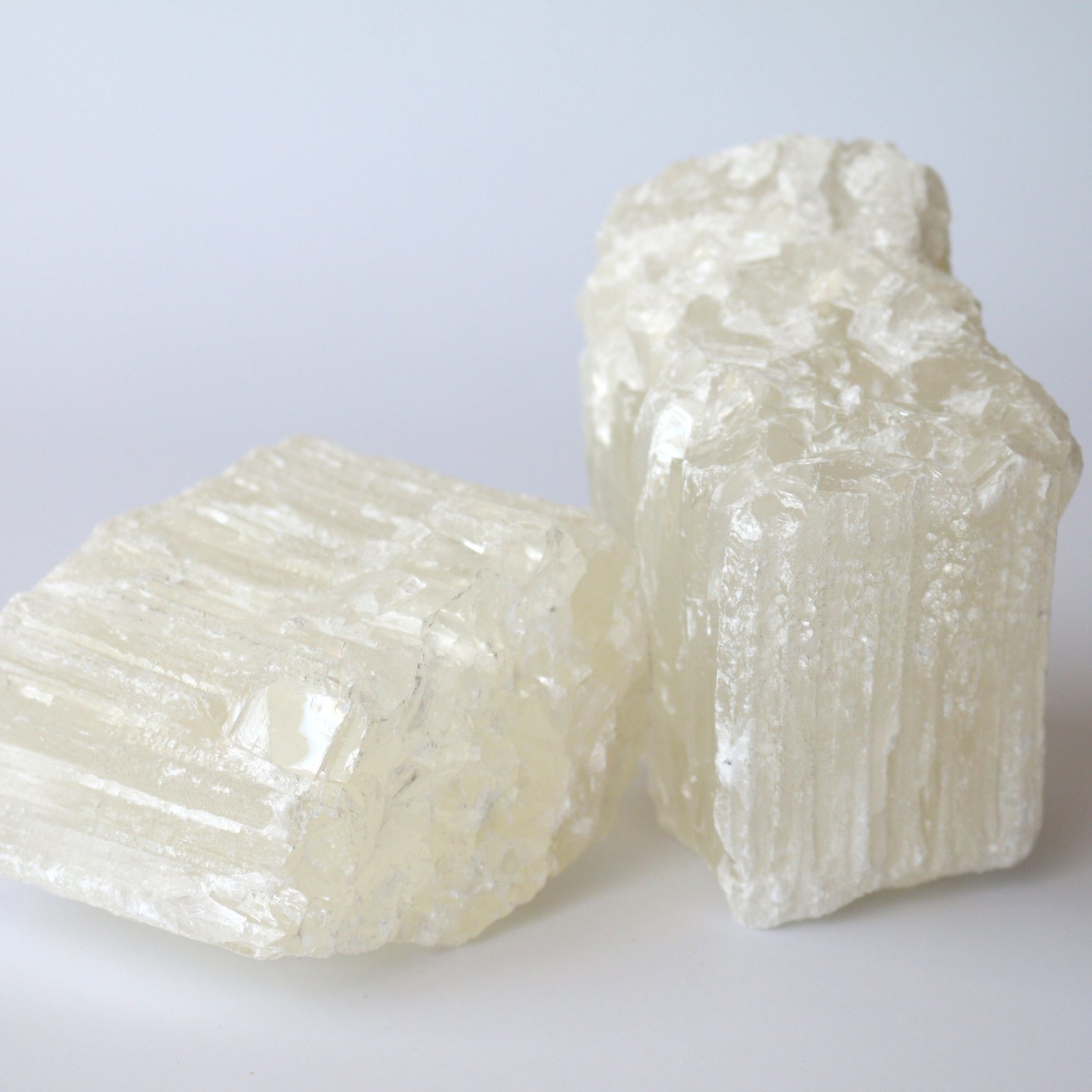
Meaningful customization starts with data: kiln dimensions, fuel type, feed chemistry, process temperature profile, coating patterns, and failure history. Where do hot spots occur? Which zones crack first? Is wear driven by abrasion, alkali attack, or thermal cycling? Answers to these questions guide selection of raw materials and finished products with the right density, corrosion resistance, and thermal shock behavior.
Middle East Considerations: Downtime and Reliability
In the Middle East, kiln availability often ties directly to production commitments and energy efficiency targets. Reliable refractory supply, consistent quality, and strong technical support are essential for custom strategies to succeed ,especially when shutdown windows are short and logistics must be predictable.
If your kiln is suffering from recurring lining failures, unstable coating, or hot spots that threaten shell integrity, contact Pennekamp Middle East. Provide your kiln zone map and failure history, and we’ll recommend a custom refractory approach ,raw materials and finished products ,designed to improve performance, campaign predictability, and total cost of ownership.