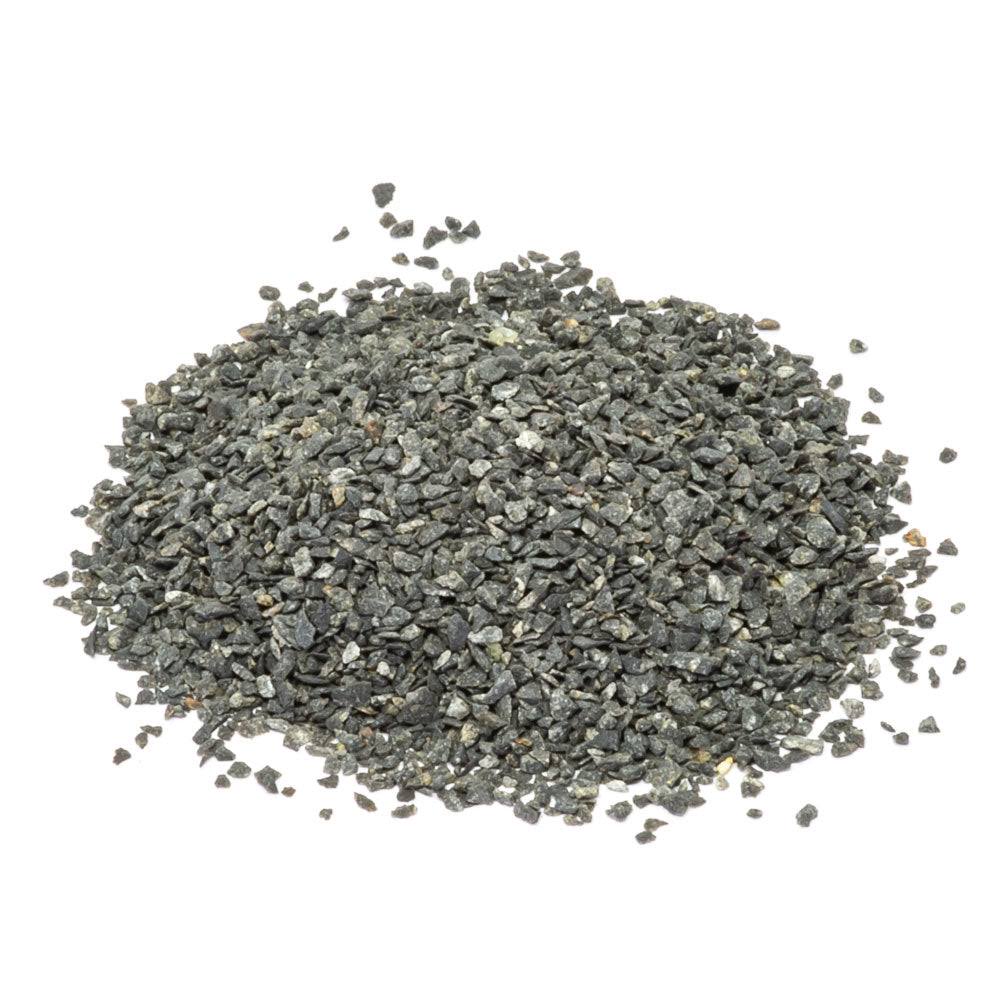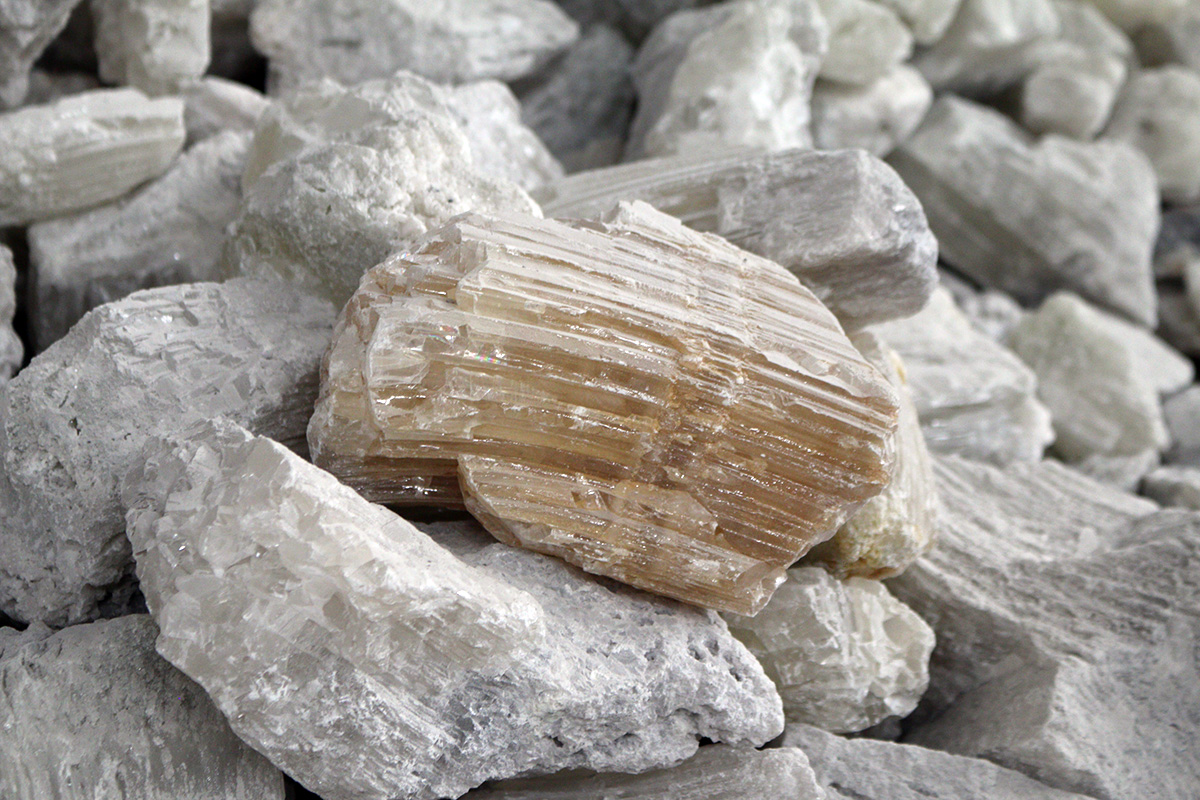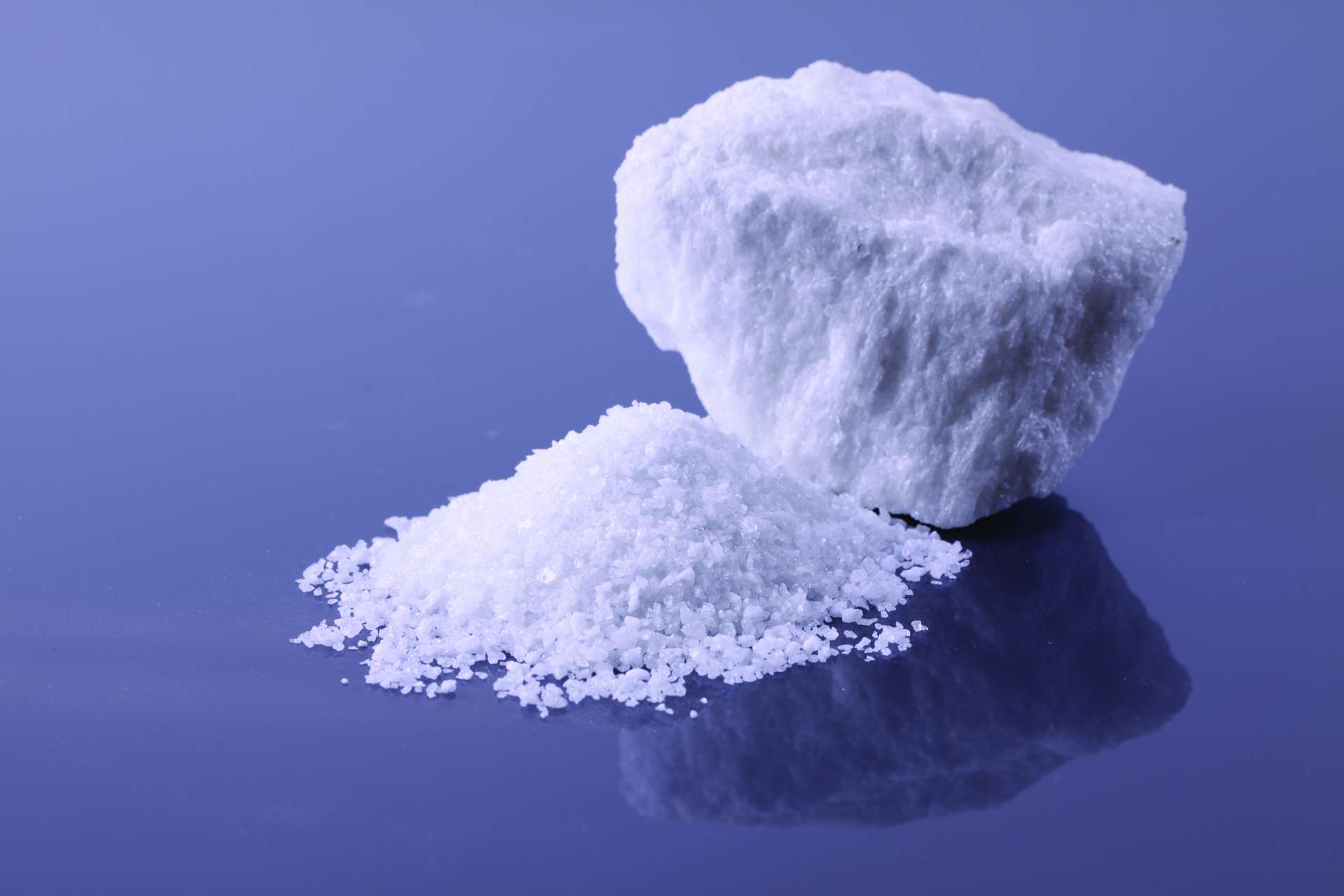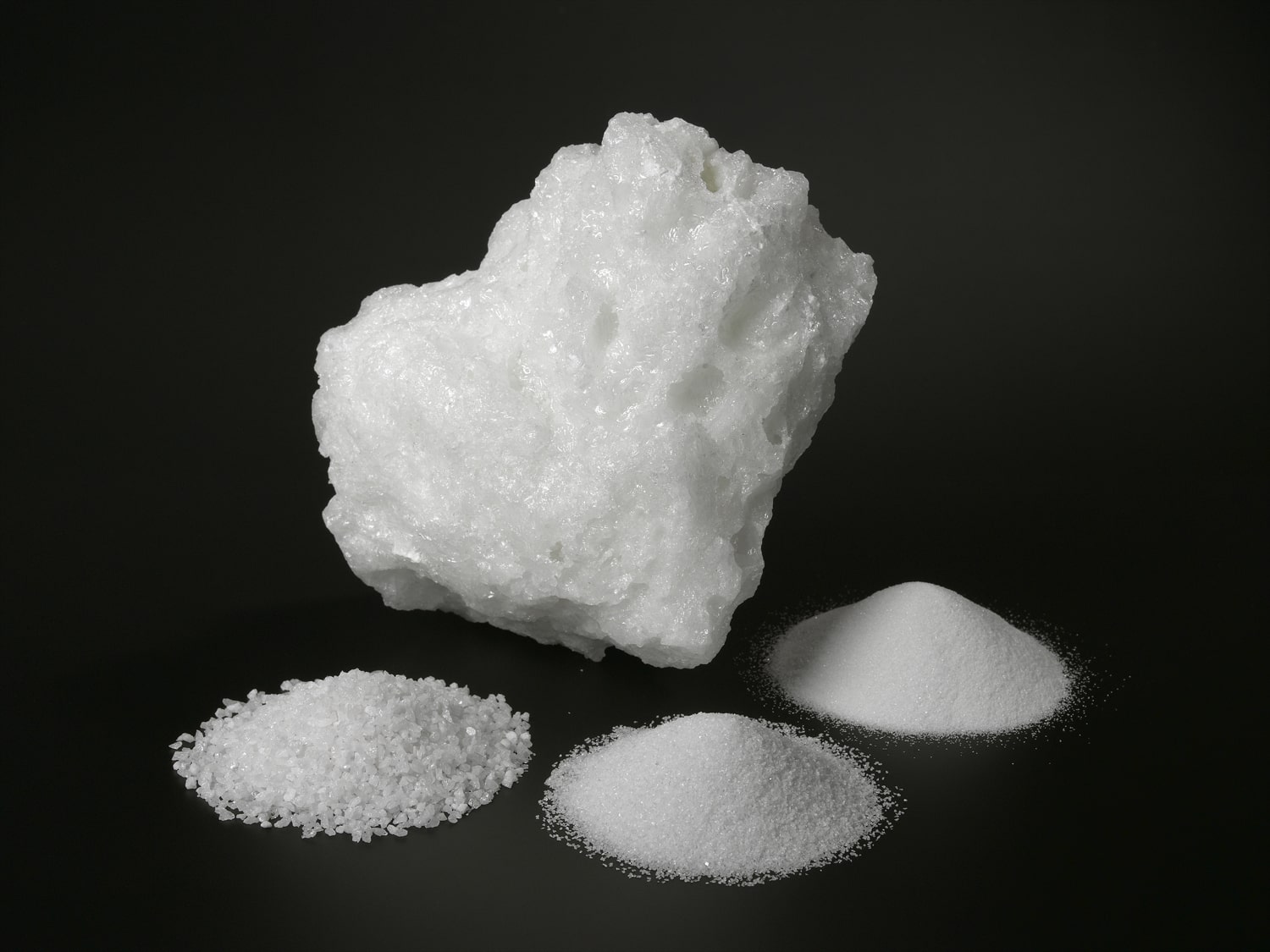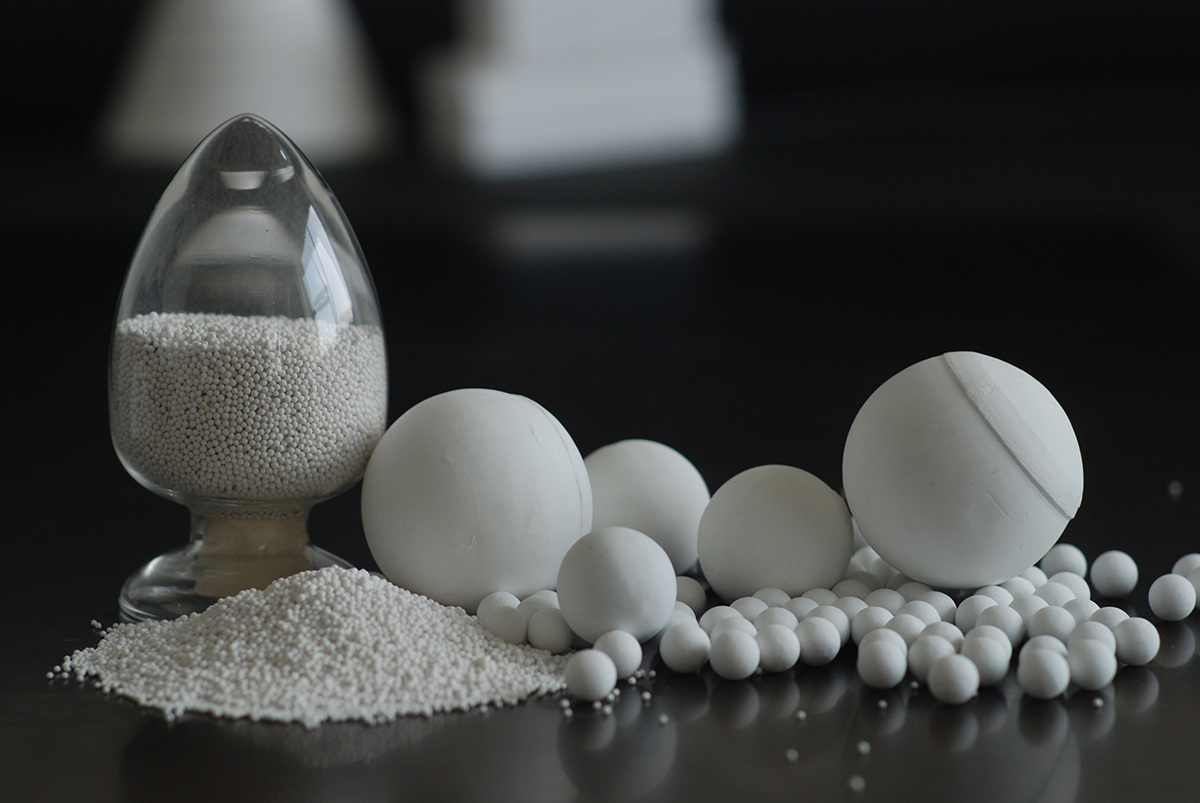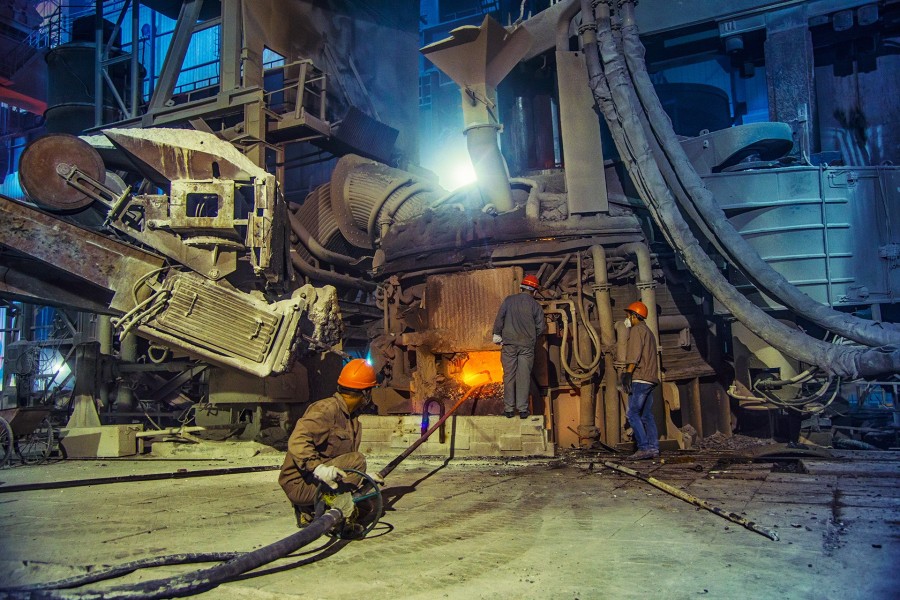
Gunning mixes are a practical maintenance and repair solution for ladle linings ,especially when production demands quick turnaround and minimal downtime. The right gunning mix can restore working lining thickness, protect vulnerable zones, and extend ladle campaign life when matched to slag chemistry, operating temperature, and application method.
Why Gunning Matters in Ladle Maintenance
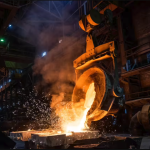
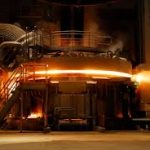
Steel ladles operate under severe conditions: basic slags, high temperatures, thermal cycling, and mechanical erosion from stirring and tapping. Even high-quality linings develop localized wear patterns ,slag line recession, impact damage, and hot spots. Gunning allows targeted repair without full relining, enabling plants to maintain safety margins while keeping ladles in rotation.
The economic value is clear: fewer emergency shutdowns, longer campaigns, and better control of refractory consumption.
What Makes a Good Ladle Gunning Mix
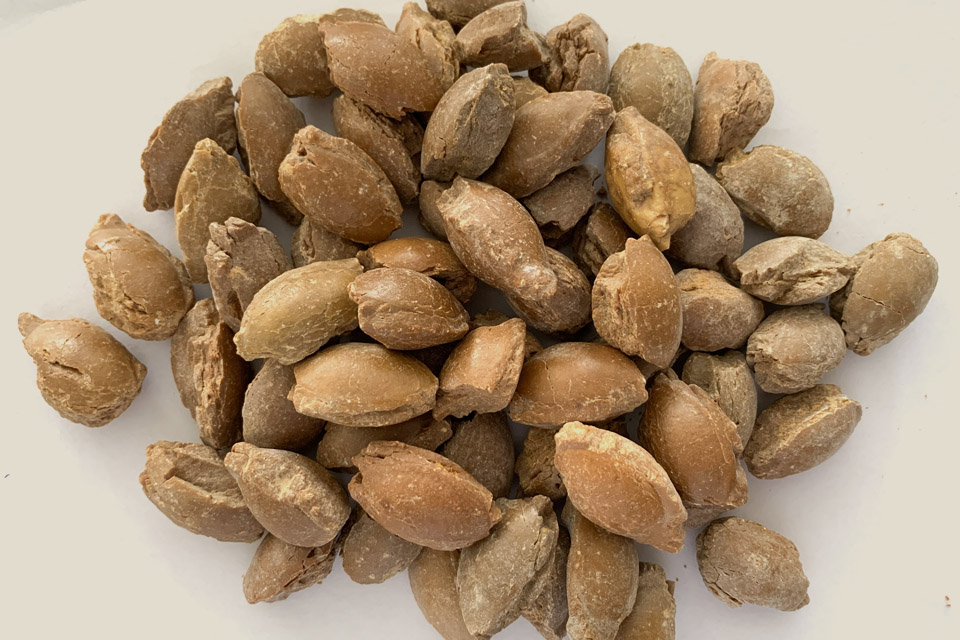
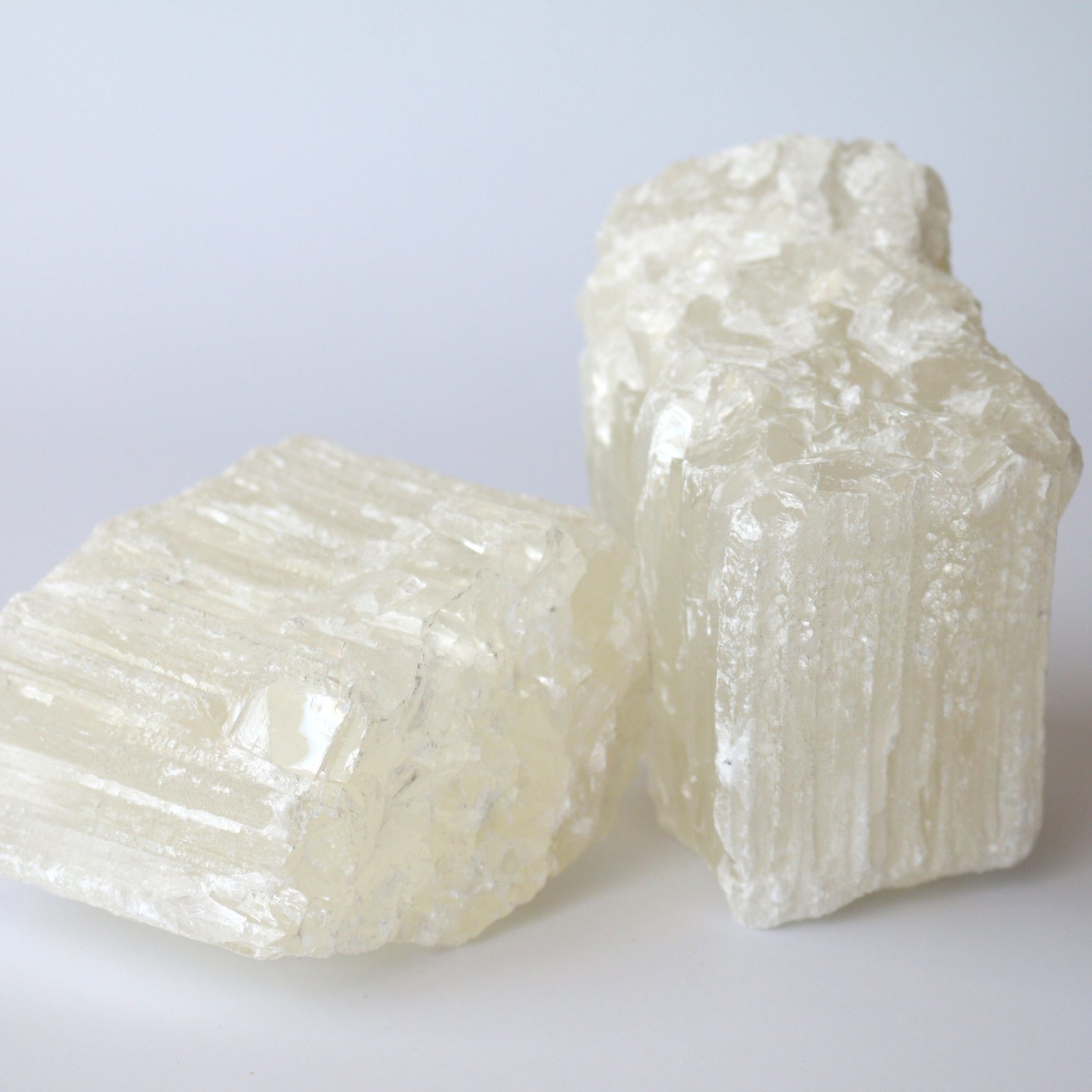
A gunning mix must adhere well, densify appropriately, and resist corrosion and spalling once in service. The formulation is typically tailored to a specific ladle zone. For basic slag environments, magnesia-based or doloma-based systems may be used, often engineered to resist slag infiltration and maintain hot strength. In other cases, alumina-based gunning mixes may be selected depending on compatibility and repair objectives.
Bonding behavior is crucial. The mix must build thickness without excessive rebound loss and must develop sufficient strength after application and heat-up. If bonding is weak, repairs can peel off, creating safety risks and wasted material.
Application Factors That Drive Performance
Gunning performance depends on equipment setup, air pressure, nozzle distance, and operator consistency. Surface preparation also matters: removing loose material, controlling hot-face temperature where possible, and ensuring the repair area has a suitable profile for mechanical interlock improve adhesion and repair durability.
Moisture control is another common challenge. If the mix is too wet or too dry for the chosen method, density and bonding suffer. Plants that standardize application parameters often see more consistent repair outcomes.
Typical Ladle Repair Zones
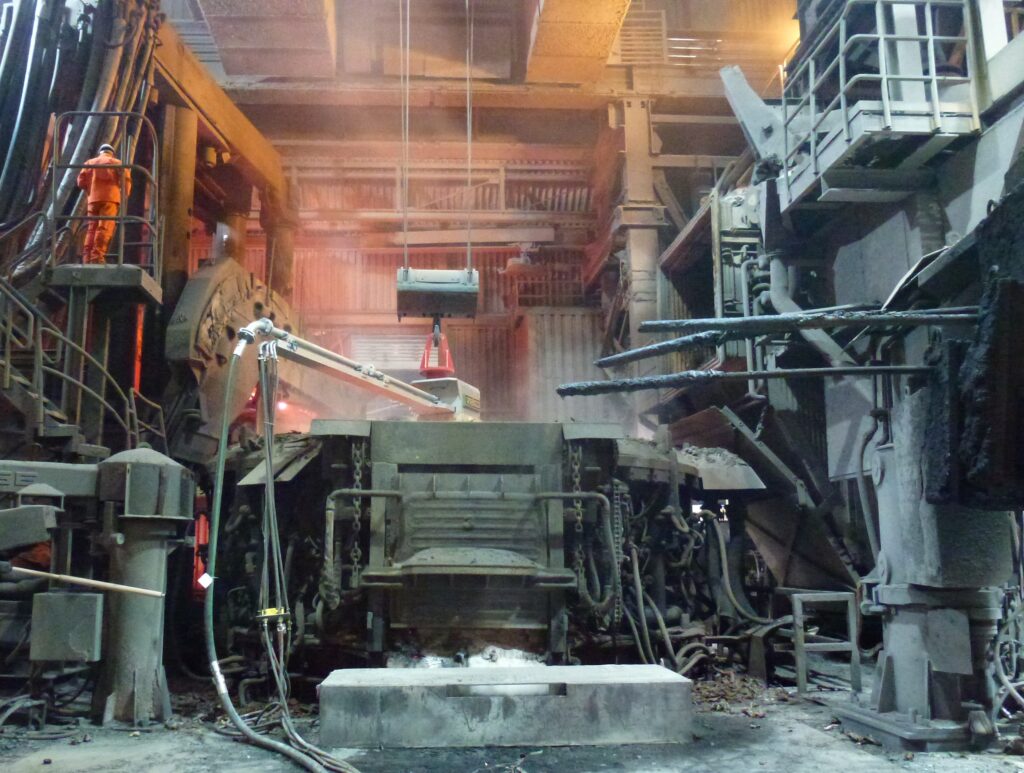
Gunning mixes are frequently used at the slag line, lip, trunnion areas, and local erosion zones. Each zone has different stress drivers. The slag line requires excellent corrosion resistance and low permeability; the lip needs thermal shock resistance and mechanical durability; impact areas demand toughness and resistance to washout.
A single “universal” gunning mix may simplify purchasing, but zone-optimized materials often deliver better total cost performance.
Selection Criteria for Procurement and Engineering
Specify gunning mixes based on slag basicity, temperature exposure, and repair objective ,whether you need fast build-up, improved corrosion resistance, or crack sealing. Evaluate density, rebound characteristics, hot strength development, and track record in similar operations. Also consider supplier support: consistent batch control and on-site technical guidance can materially improve results.
In Middle East operations, logistics reliability and packaging integrity are critical ,especially when repairs are planned around tight production schedules.
If you want to improve ladle campaign stability through more reliable gunning repairs, contact Pennekamp Middle East. Share your ladle zone challenges, slag conditions, and current repair performance, and we’ll recommend suitable gunning mix options and application guidance aligned with your operating reality.