Density is one of the most decisive predictors of refractory performance, influencing corrosion resistance, strength, and permeability to slag and gases. Achieving optimal density is not about “maximum” density in every case ,it’s about the right density profile for the operating zone, installation method, and wear mechanism.
Why Density Matters in Service
Higher density typically means lower open porosity, which reduces pathways for slag infiltration and chemical attack. It often improves mechanical strength at ambient and elevated temperatures, supporting structural integrity during thermal cycling and load-bearing conditions. However, density must be balanced: some applications require controlled permeability or thermal insulation, and overly dense systems may be more sensitive to thermal shock if not engineered properly.
For high-wear hot-face zones in steel, cement, and non-ferrous furnaces, optimizing density usually targets improved corrosion resistance and longer campaigns.
The Building Blocks: Particle Packing and Gradation
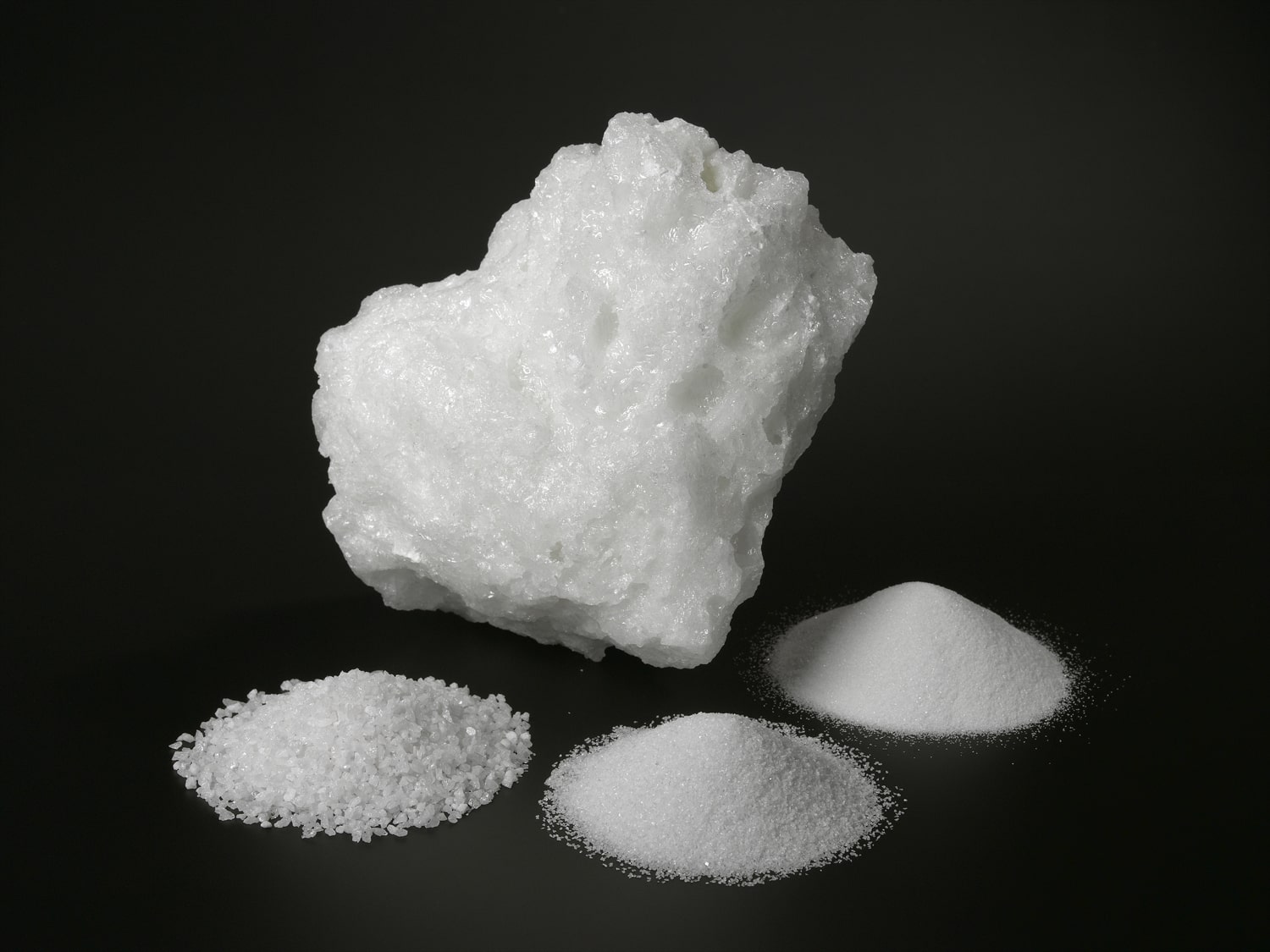
In refractory design, density starts with particle size distribution. Well-graded aggregates allow smaller particles to fill voids between larger grains, creating a tightly packed structure. The quality and shape of aggregates also matter: consistent grain sizing, controlled fines, and low impurity content support better packing and stronger bonding.
The binder system ,whether chemical, hydraulic, or ceramic ,must complement the packing design. Too much binder can increase water demand and shrinkage; too little can reduce green strength and create defects.
Processing Factors That Make or Break Density
For monolithics, water addition and mixing energy are critical. Excess water increases porosity after drying and firing. Insufficient mixing can leave dry pockets and poor dispersion, creating weak zones. Proper vibration or placement technique influences how the castable consolidates, directly affecting density and uniformity.
For bricks, pressing pressure, moisture content, and firing profiles determine final density and microstructure. Controlled firing supports sintering without excessive closed porosity formation or microcracking.
Quality Control Indicators
Density is not a single number; it’s part of a property set. Apparent porosity, bulk density, and cold crushing strength provide a useful first picture, but performance-related tests ,corrosion resistance, hot strength, thermal shock behavior ,tell you whether density is delivering real operational value.
Consistency across batches is essential. Even small variations in fines content, water demand, or curing conditions can shift density and cause premature wear in critical zones.
Matching Density to Application Needs
In ladle and furnace hot-face linings, higher density often improves corrosion resistance and reduces penetration. In backup linings, lower density insulating materials may be preferred to reduce heat loss and shell temperature. In some processes, controlled permeability can help manage gas release or reduce explosive spalling risk during heat-up.
The right approach is zone-based: specify density targets aligned with thermal gradients, slag exposure, and mechanical load.
If your operation is facing premature wear, infiltration, or inconsistent lining performance, contact Pennekamp Middle East with your lining type and failure pattern. We can recommend material systems and raw material combinations that deliver the density profile your application actually needs ,without sacrificing installation reliability.