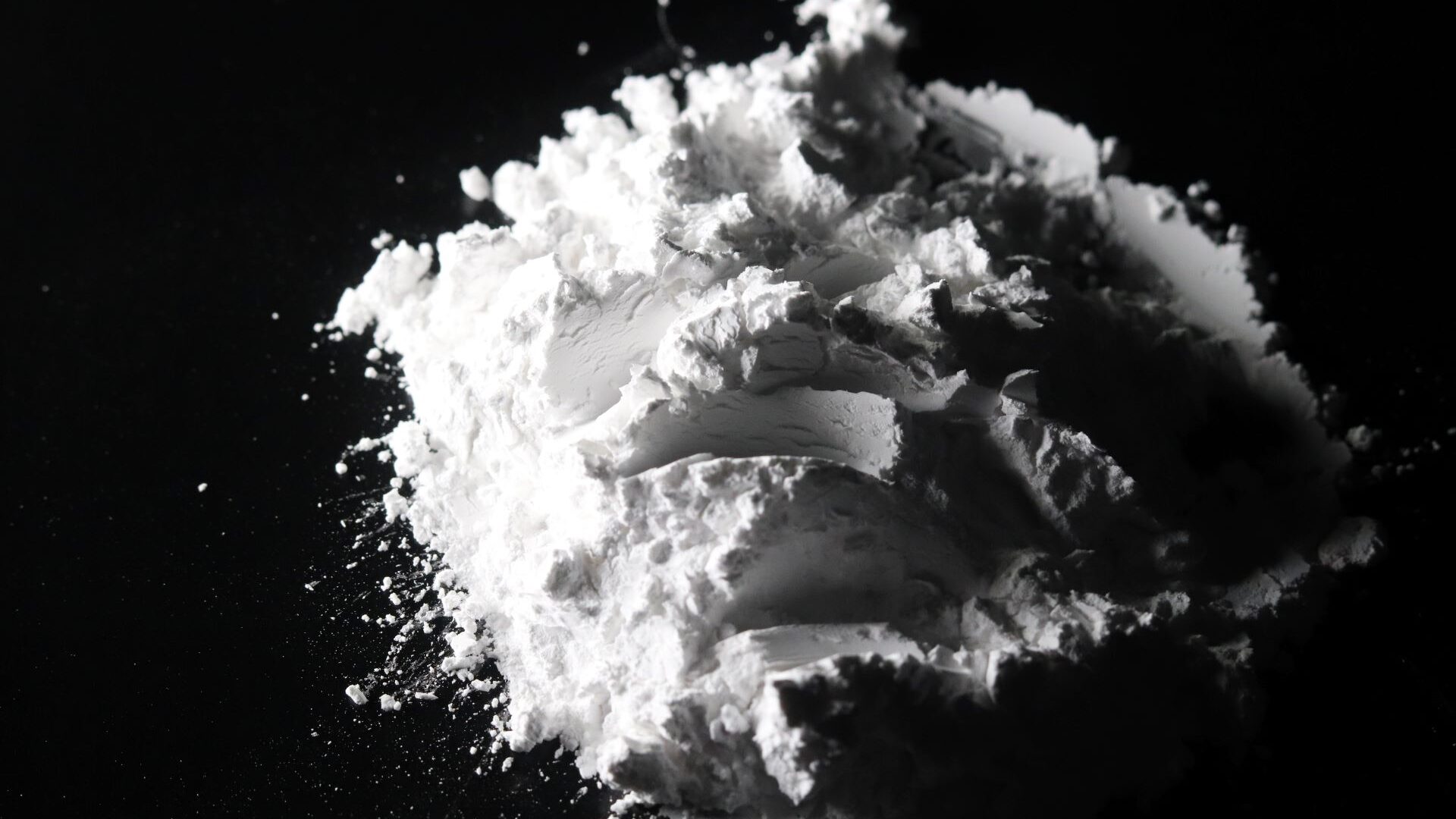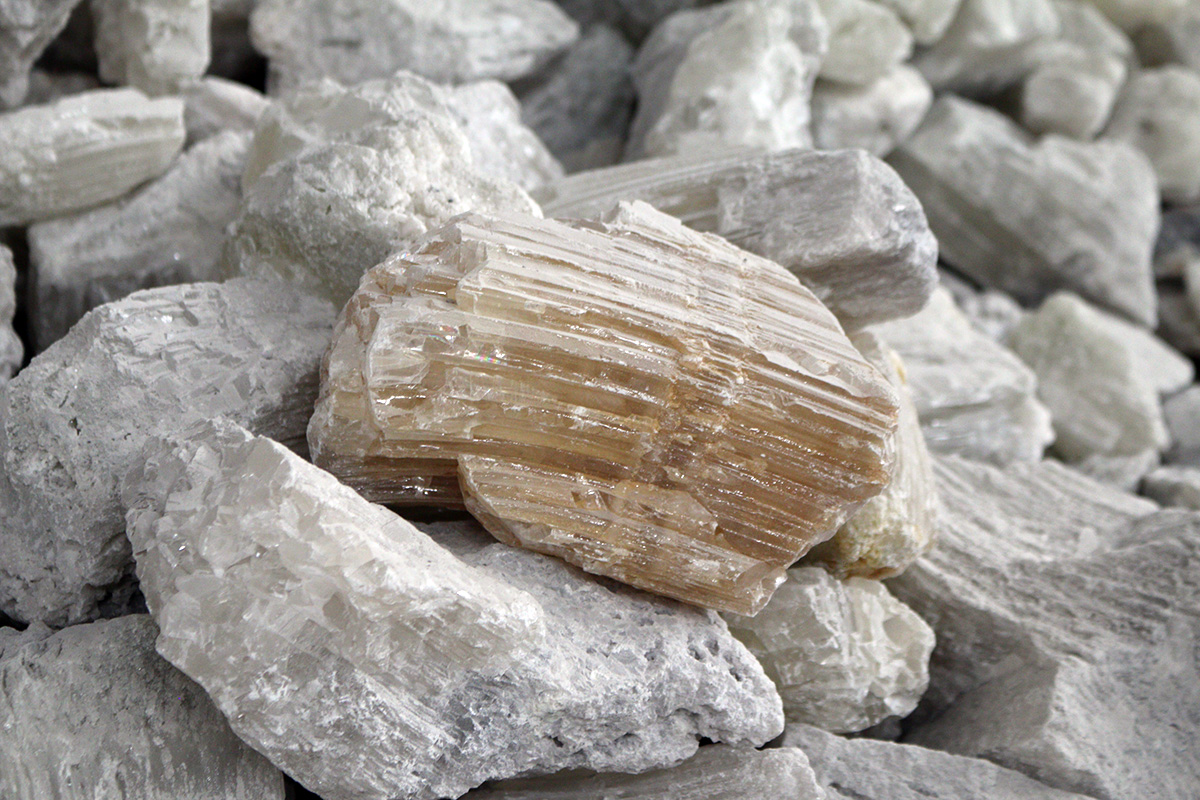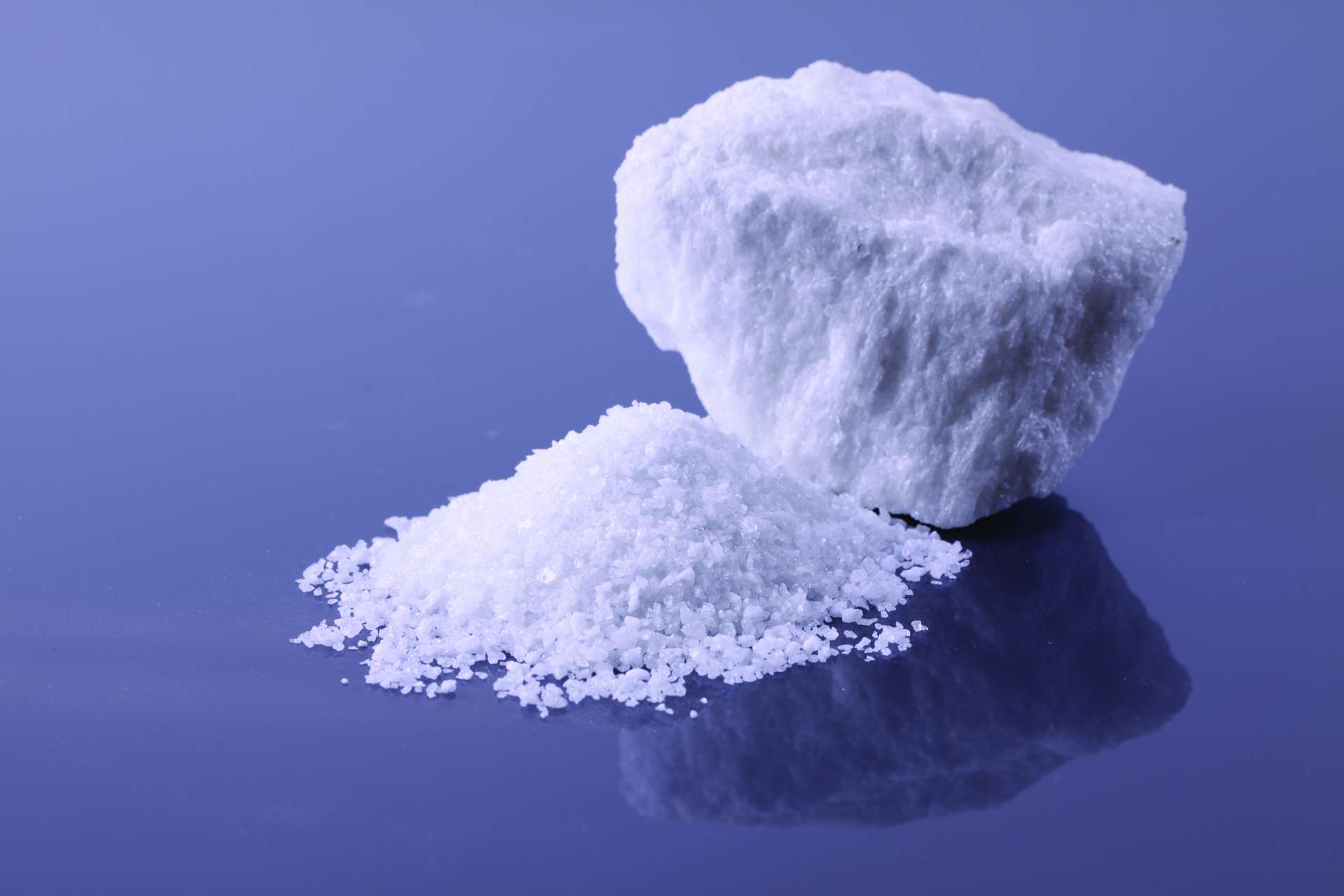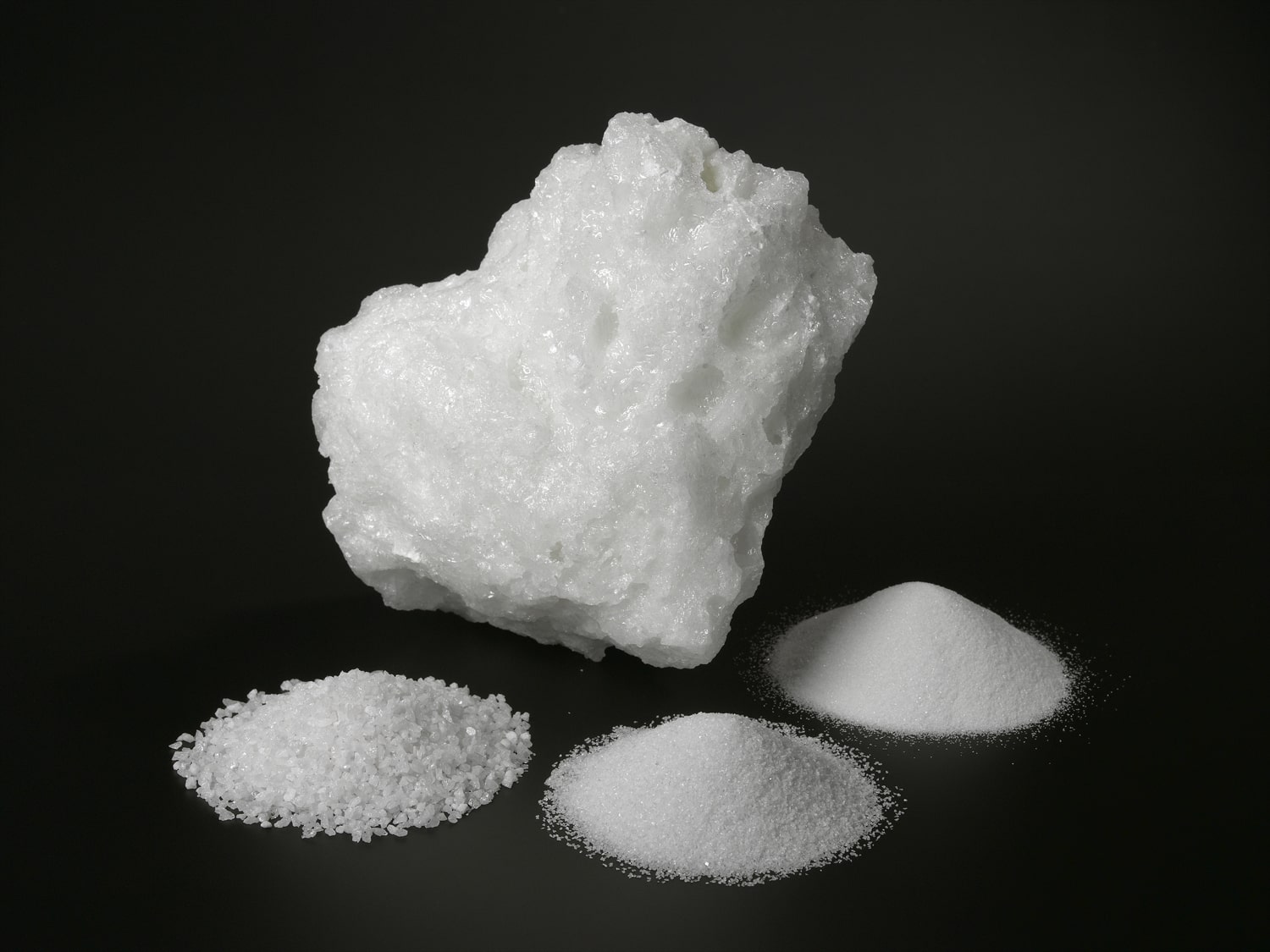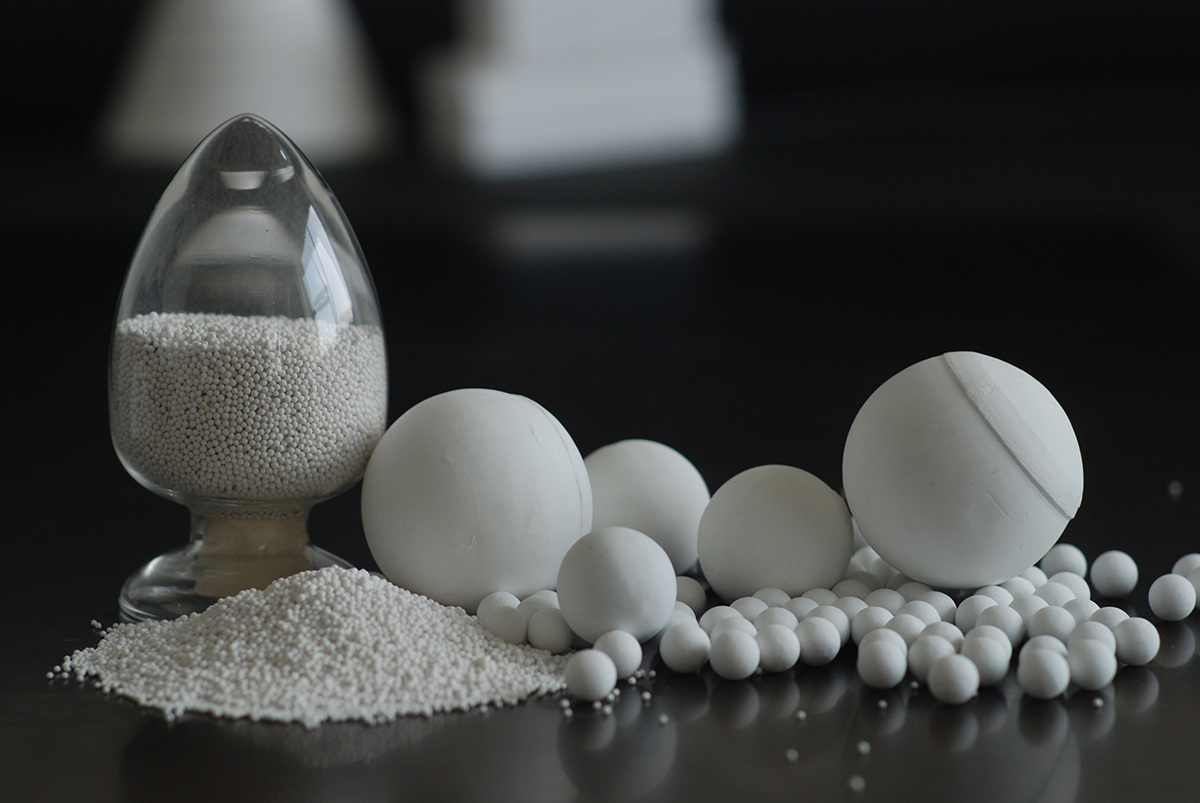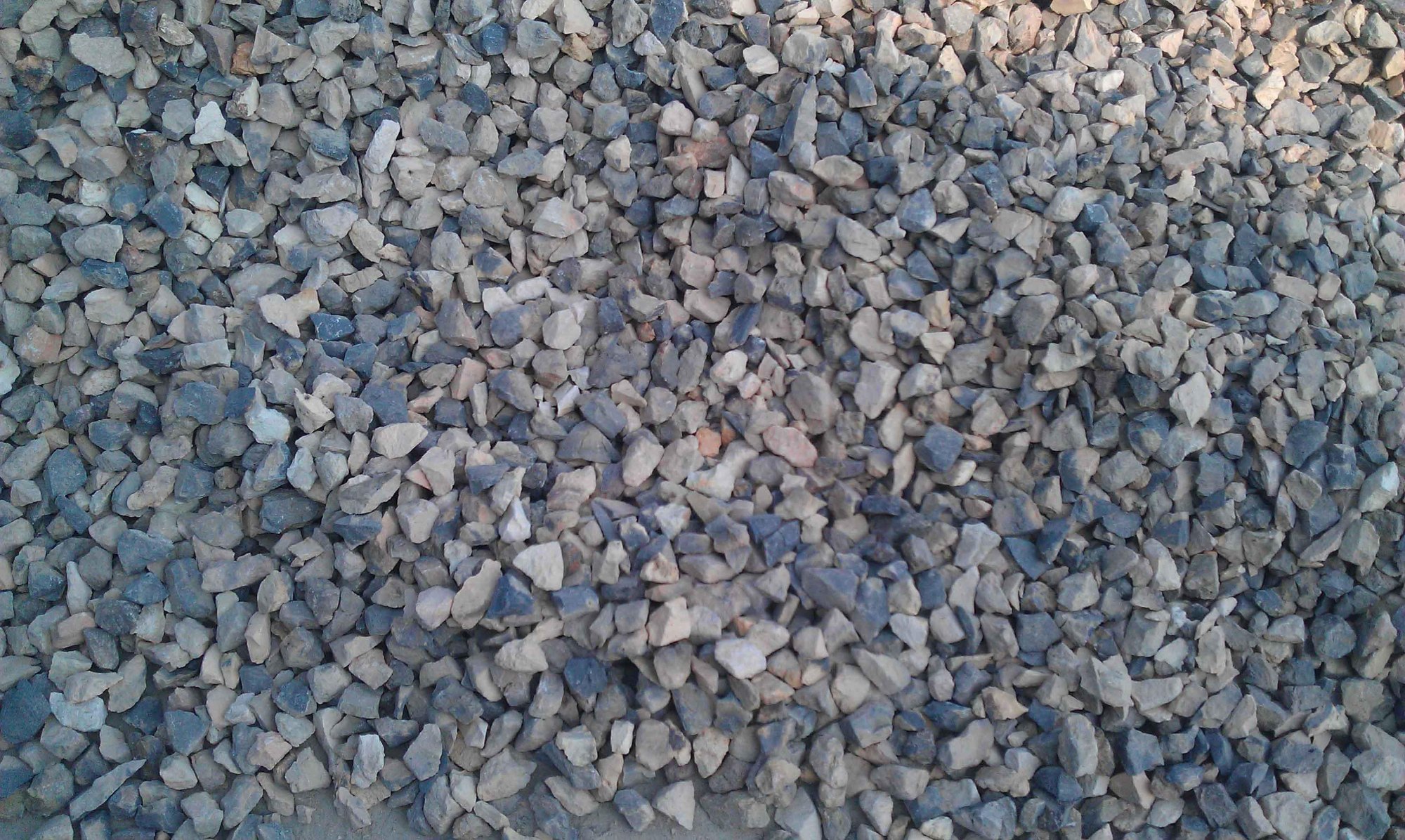
Sintered dolomite is a key basic refractory raw material valued for its high-temperature stability and compatibility with basic slags ,especially in steel and lime-related processes. When properly manufactured and handled, it can deliver strong corrosion resistance and cost-effective performance in demanding industrial linings.
What Sintered Dolomite Is
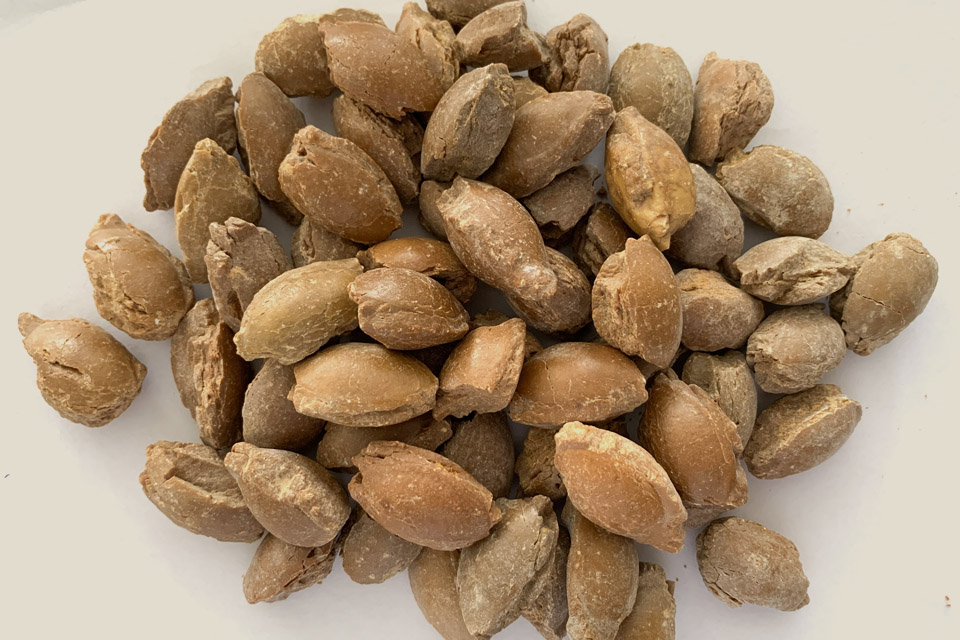
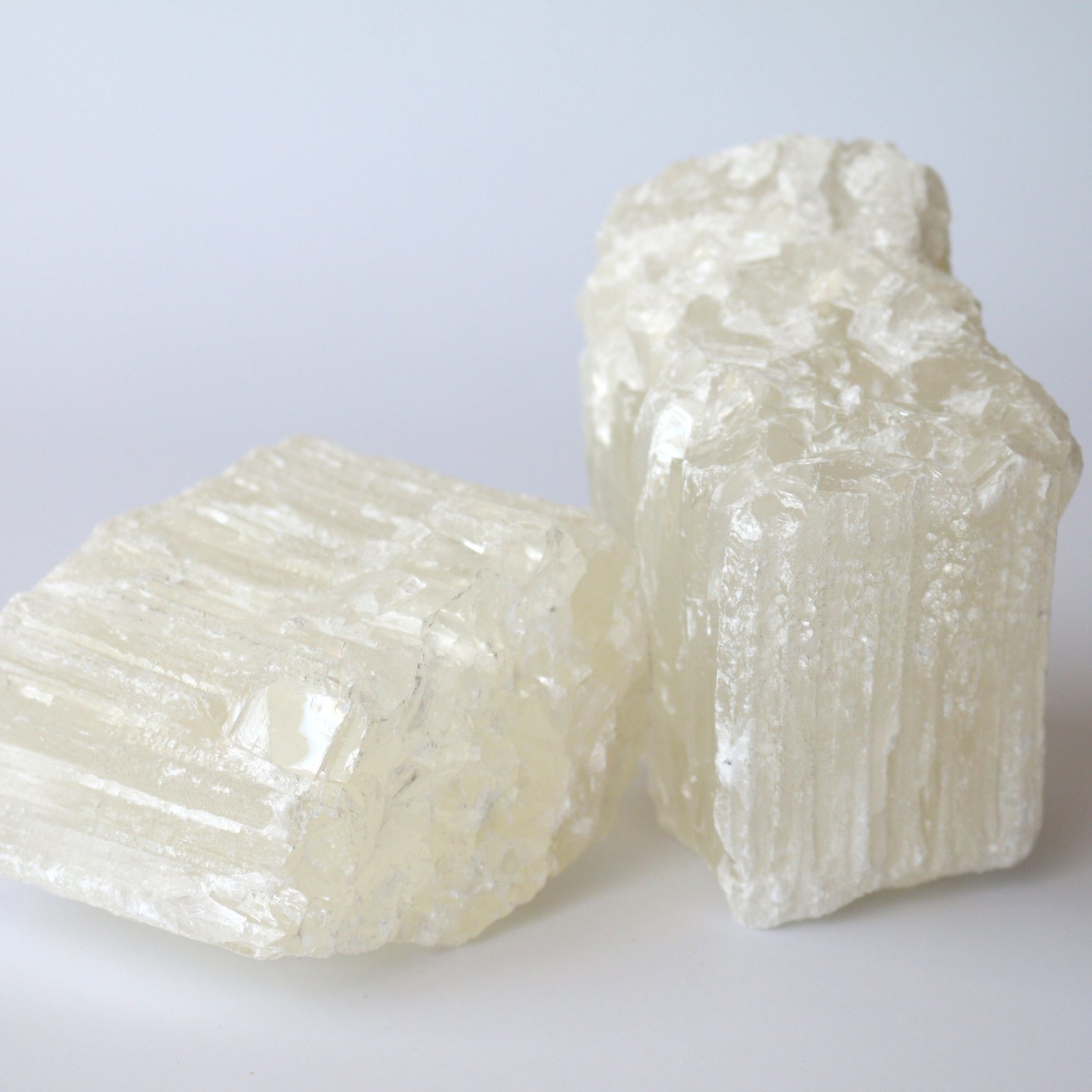
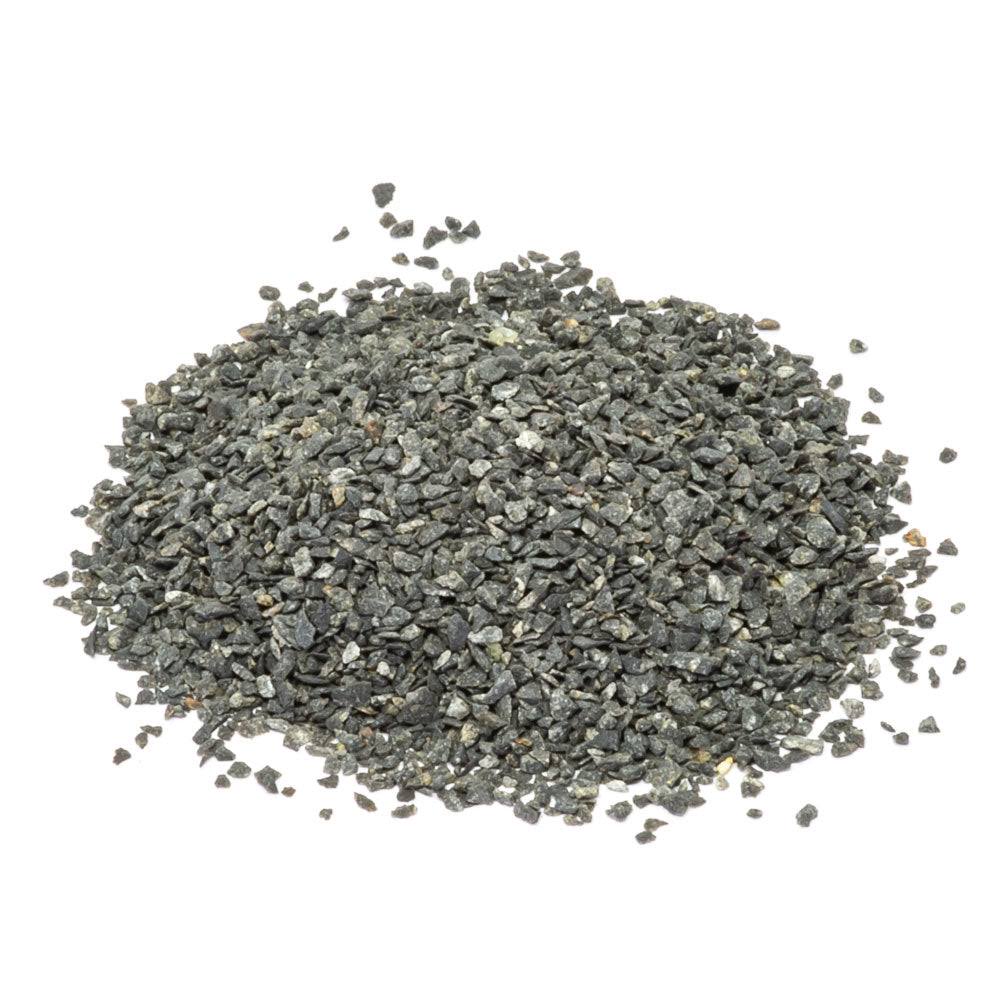
Sintered dolomite is produced from natural dolomite rock, primarily composed of calcium and magnesium carbonates. Through calcination and high-temperature sintering, the material is converted into a dense refractory aggregate with phases that support performance in basic environments.
Compared with some other basic aggregates, sintered dolomite often offers an attractive balance of cost and functionality, particularly where slag chemistry and operating conditions favor CaO–MgO systems.
Production Process and What “Good” Looks Like
The process begins with selecting suitable dolomite ore, then calcining to remove CO₂ and convert carbonates to oxides. Subsequent sintering at high temperatures densifies the structure and improves strength. Quality depends on controlled raw feed, firing profiles, and achieving a dense microstructure with limited open porosity.
Quality control typically includes chemical composition, bulk density, porosity, and stability tests. A practical concern in dolomite-based materials is hydration sensitivity ,free lime can react with moisture ,so manufacturing and storage discipline is essential.
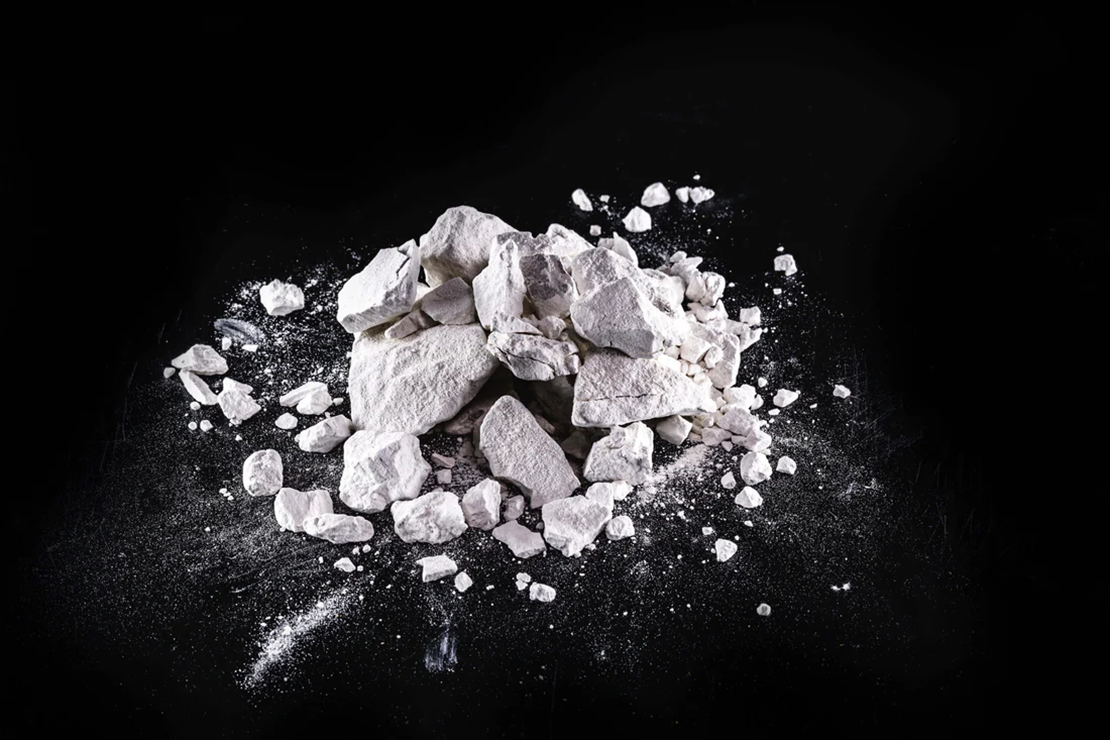
Key Properties and Mineralogical Characteristics
Sintered dolomite’s performance is driven by its basic nature and its ability to resist basic slags. Density and porosity heavily influence corrosion resistance. Chemically, controlling impurities such as silica and iron oxides can help reduce unwanted low-melting phases that may accelerate wear.
In service, the material’s stability at temperature and interaction with slag determine lining life. For certain applications, dolomite’s chemistry can be advantageous in controlling slag behavior and maintaining process conditions.
Where It’s Used in Industry
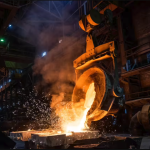
Steelmaking remains a major application area, particularly where basic slags dominate and lining design benefits from CaO–MgO compatibility. Sintered dolomite can also be relevant in lime kilns and other high-temperature basic environments where cost-performance balance is a procurement priority.
The exact use case depends on whether the refractory is a brick, a monolithic, or a component within a larger formulation. In many plants, dolomite-based solutions are deployed strategically in zones where slag compatibility and economics align.
Selection Criteria and Sourcing Considerations
When specifying sintered dolomite, focus on density, porosity, chemical consistency, and hydration resistance. Ask for clear packaging standards, moisture protection, and batch traceability. For many buyers, the supplier’s ability to deliver consistent quality over time is as important as a single lab report ,especially when lining campaigns depend on predictable wear.
In Middle East supply chains, storage conditions can be challenging due to humidity variations across ports and warehouses. Ensuring proper packaging and dry storage is part of maintaining the material’s value.
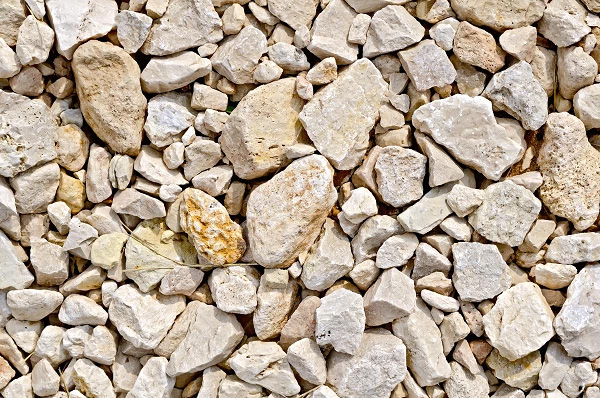
Storage and Handling
Sintered dolomite must be protected from moisture during transport and storage. Controlled warehousing, sealed packaging, and disciplined inventory rotation help prevent hydration-related degradation. Once compromised by moisture, the material may lose performance and create installation problems.
If you are evaluating sintered dolomite for a refractory formulation or lining program, contact Pennekamp Middle East with your target application and slag environment, and we will recommend appropriate grades, sizing, and handling practices to ensure stable performance from delivery to installation.