Sustainability in heavy industry is not only about fuels and emissions ,it also depends on refractory performance. Longer lining life, improved thermal efficiency, and reduced waste from refractory consumption are directly linked to lower CO₂ intensity and more stable production. Modern refractory materials are becoming an enabling technology for greener steel, cement, glass, and non-ferrous operations.
Refractories and the Hidden Carbon Footprint
Refractories sit at the heart of high-temperature manufacturing. Every shutdown for relining means energy losses, production interruptions, and additional consumption of materials, transport, and labor. When a lining fails early, the environmental cost is real: more refractory waste, more replacement materials, and often more fuel required to restart and re-stabilize the process.
Extending lining life and improving thermal containment reduces total emissions per ton of output, even when the process route itself remains unchanged.
Improving Thermal Efficiency Through Material Engineering
Heat loss is a sustainability issue. Insulating refractories and optimized lining designs reduce energy consumption by retaining heat in the hot face and controlling temperature gradients through the vessel wall. In many applications, the best sustainability gain comes from stable thermal profiles that keep processes within optimal temperature windows without constant fuel compensation.
Advanced refractory formulations also improve resistance to infiltration and corrosion, helping linings maintain their designed thermal properties over time, rather than gradually becoming more conductive as porosity opens and cracks spread.
Reducing Refractory Waste via Longer Campaign Life
A key lever is durability under combined wear: chemical corrosion, abrasion, and thermal cycling. Higher-purity raw materials, better particle packing, and tailored bond phases can reduce wear rate and slow crack propagation. The result is fewer shutdowns, less waste, and reduced overall refractory consumption.
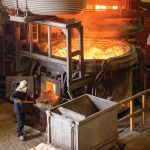
In steelmaking, for example, refractory stability under basic slags and thermal shock is central to improving vessel availability. In cement, controlling alkali and coating behavior can extend lining life and reduce the need for emergency repairs.

Supporting Alternative Fuels and New Process Chemistries
As industries adopt alternative fuels and new feedstock blends, refractory exposure conditions change. Cement kilns using alternative fuels may see altered alkali cycles, chlorine content, and volatile behavior. Low-carbon steel routes and higher scrap usage can shift slag composition and oxygen potential. Refractories must evolve to tolerate these new operating chemistries without sacrificing safety and uptime.
Material selection increasingly becomes a sustainability decision: the refractory must resist the byproducts of cleaner fuels and changing process conditions.
Circularity: From Waste to Resource
Refractory recycling is gaining traction, particularly for certain brick types and used materials that can be processed into secondary aggregates. While not all refractory waste is suitable for reuse, improved traceability and controlled demolition practices can increase recycling potential.
From a procurement perspective, partnering with suppliers who understand both performance and lifecycle impact supports sustainability goals without compromising operational risk.
Middle East Context: Efficiency and Reliability
In the Middle East, sustainability efforts are often tied to efficiency: reducing energy waste, improving asset utilization, and meeting stricter industrial performance targets. Refractories that enable stable campaigns and lower fuel intensity align directly with these objectives.
If your operation is targeting lower energy consumption, fewer shutdowns, and measurable improvements in refractory waste reduction, contact Pennekamp Middle East. Share your process route and lining challenges, and we’ll recommend refractory raw materials and finished products designed to support both performance and sustainability outcomes.