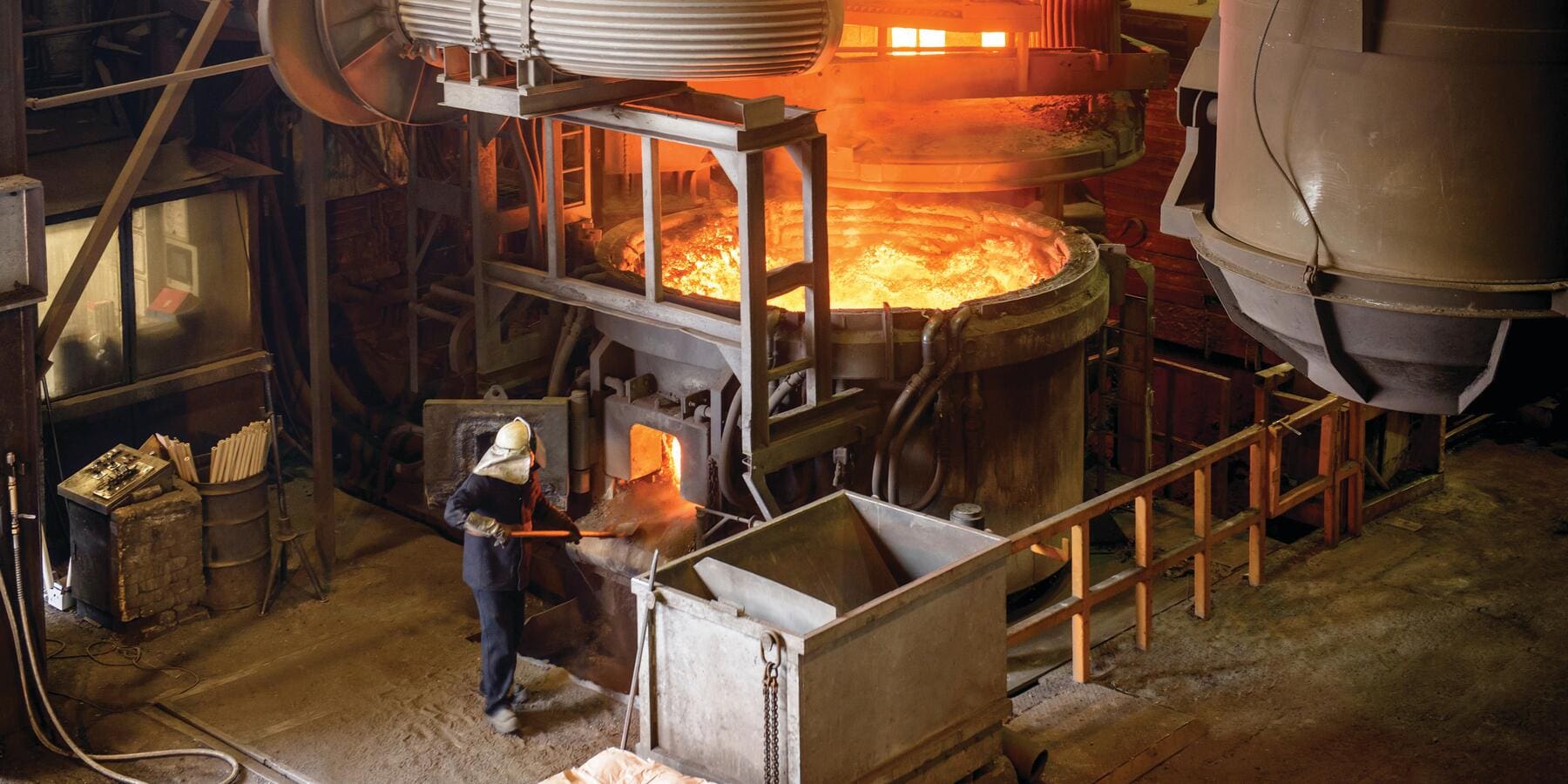
Charge ladles operate in a tough space between transport and high-temperature metal handling ,facing thermal cycling, mechanical impact, and chemical exposure that can quickly degrade unsuitable linings. Selecting the right refractory system for a charge ladle is about balancing safety, campaign life, and total cost, while keeping turnaround times predictable.
Understanding the Charge Ladle Duty Profile
A charge ladle typically handles hot metal or molten material transfer under repeated cycles: preheating, filling, transport, tapping, and emptying. These cycles create steep thermal gradients that drive spalling, particularly at lip, slag line, and impact zones. Unlike steady-state vessels, charge ladles rarely enjoy gentle heating. They see fast ramp rates, exposure to slag carryover, and mechanical stresses from cranes, tilting, and impact during pouring.
Key Wear Mechanisms in Charge Ladles
Thermal shock is often the primary enemy, especially when a ladle experiences intermittent operation or uneven preheating. Chemical corrosion follows closely, driven by slag composition, metal chemistry, and oxygen potential. Mechanical erosion and impact damage appear in high-flow regions and during scrap contact, depending on process configuration.
A well-designed refractory package addresses all three. That usually means a multi-zone lining strategy rather than a “one material everywhere” approach.
Common Lining Concepts and Material Choices
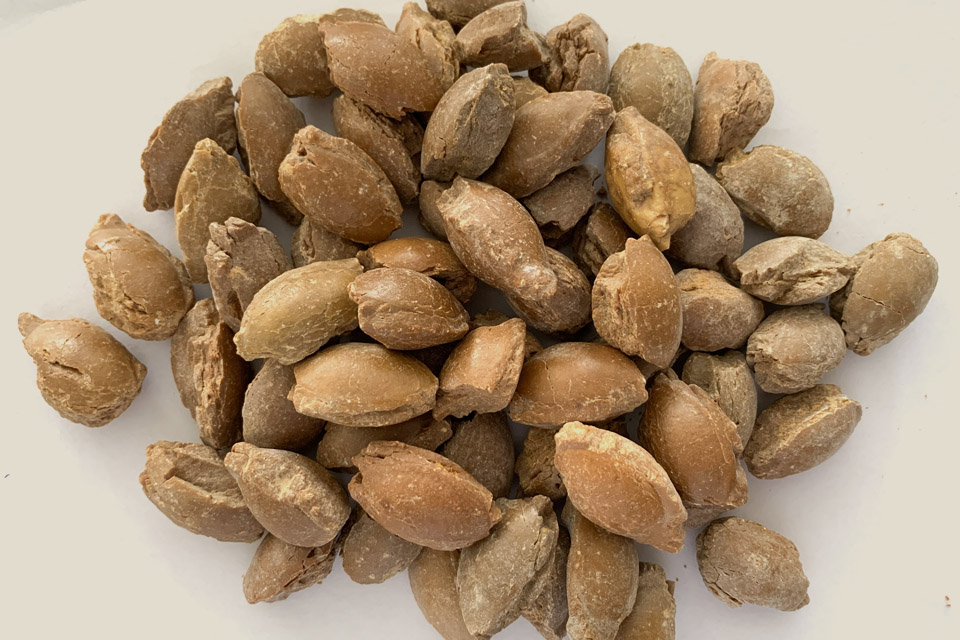
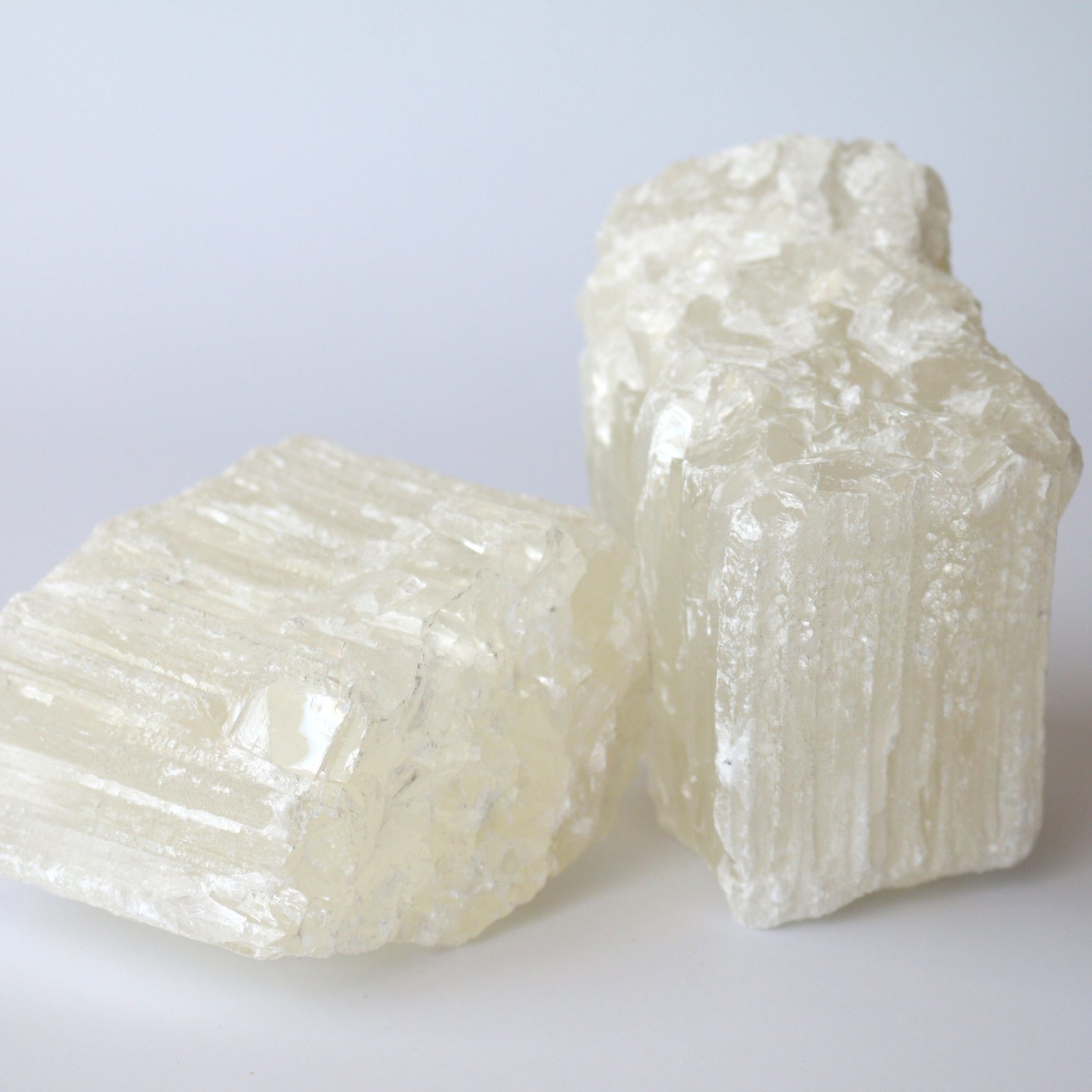
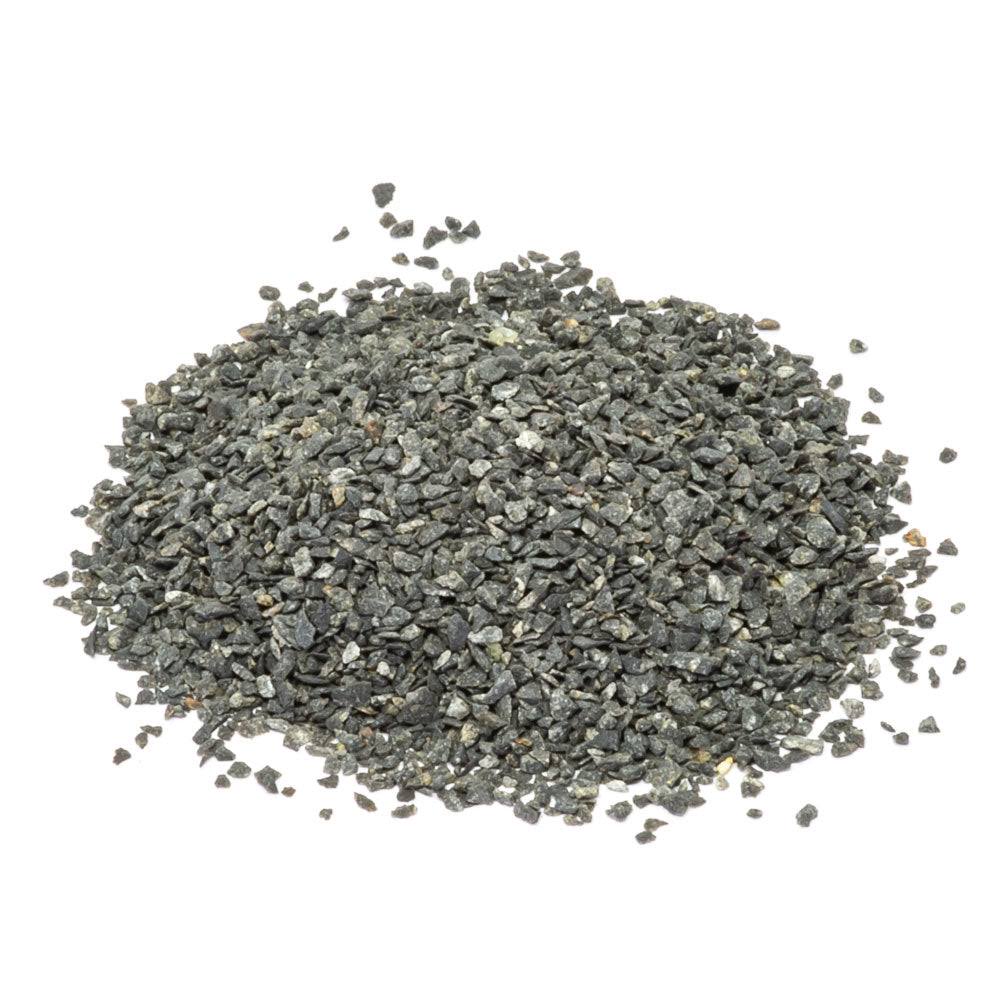
Charge ladle lining systems often use a durable safety lining with a higher-performance working lining. Depending on operating temperature and slag basicity, magnesia-based refractories may be preferred in basic environments, while high-alumina systems can perform well in many transfer applications where thermal shock resistance and installation flexibility matter.
In high-stress zones ,lip, slag line, and impact areas ,reinforced solutions or higher-grade materials may be required. For certain operations, carbon-containing refractories provide strong resistance to slag attack, but oxidation management becomes essential, particularly during preheating and idle times.
Installation and Dry-Out: Often Overlooked, Always Critical
Even the best refractory design can fail early if installation and dry-out are rushed. Charge ladles are frequently pushed for fast turnaround, making controlled drying and preheating a commercial necessity. In monolithic linings, managing water content, compaction, and curing conditions impacts porosity and crack formation. For brick linings, joint integrity and expansion allowance are key.
A reliable refractory partner helps align material selection with practical installation realities ,what your team can install consistently under your operational constraints.
Selection Criteria for Engineers and Procurement
When sourcing refractories for charge ladles, start from operating conditions: temperature range, cycle frequency, slag chemistry, expected metal carryover, and mechanical handling practices. Then match those conditions to measurable properties: thermal shock resistance indicators, corrosion performance in representative slags, hot strength, density and permeability behavior, and track record in similar facilities.
Supply stability matters too. Charge ladle campaigns are planned around production schedules; delayed deliveries or inconsistent batches can disrupt maintenance planning and increase risk.
Middle East Operating Considerations
Regional operations often face high ambient temperatures, varying storage environments, and logistics-driven inventory constraints. Packaging quality, moisture protection, and predictable lead times become part of performance ,especially for monolithics and moisture-sensitive systems.
If you want to optimize refractory life and safety for your charge ladles, contact Pennekamp Middle East with your ladle size, temperature, slag profile, and current failure pattern, and our team will propose a zone-based lining approach and suitable raw materials or finished products for your operating reality.