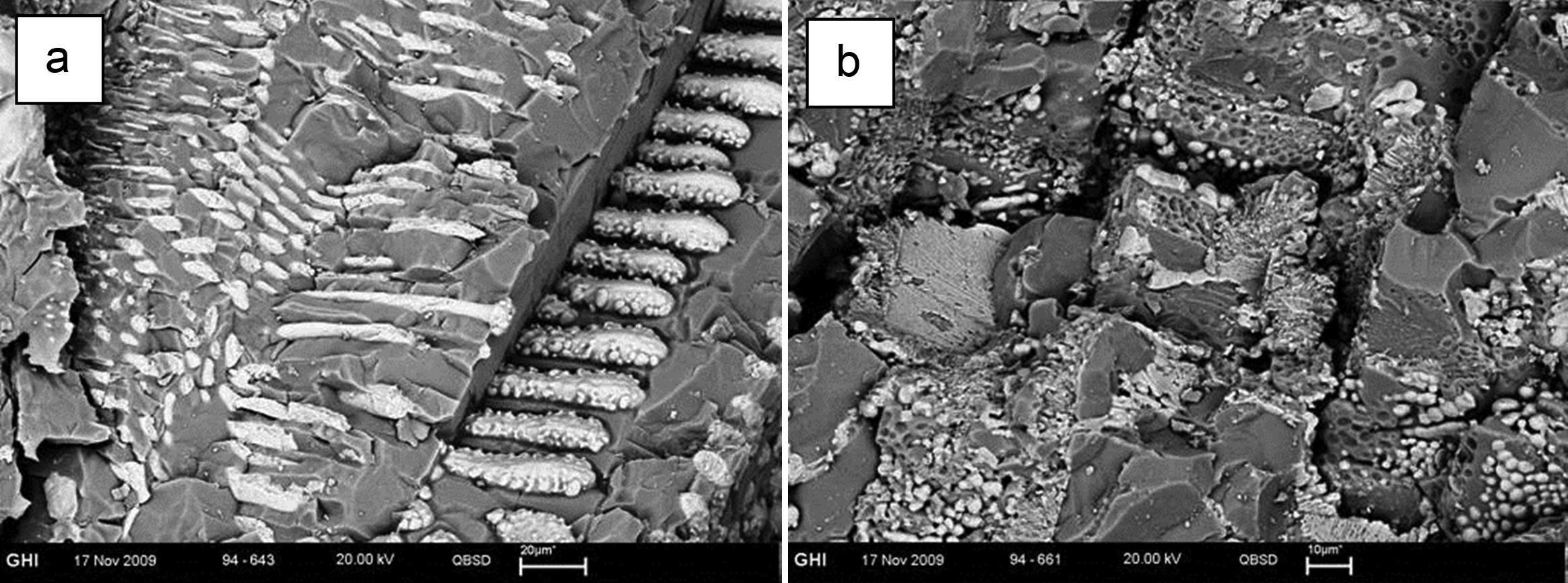
Nanotechnology is quietly changing how refractories are formulated, engineered, and validated ,especially where extreme thermal loads, chemical attack, and rapid cycling demand more than conventional grain sizing can deliver. By tailoring microstructure at the nano scale, refractory developers can influence density, bonding, permeability, and crack resistance in ways that directly impact lining life and process stability.
Why Nanotechnology Matters in Modern Refractories
Refractory performance is often decided at the microstructural level: pore networks, grain boundaries, bond phases, and crack paths. Traditional optimization focuses on raw material purity, particle size distribution, and firing regimes. Nanotechnology pushes this further by introducing nano-sized additives or engineered nano-structured binders that can modify how a refractory sinters, densifies, and resists damage under real furnace conditions.
For engineers and procurement teams, the value proposition is practical: longer service life, reduced unplanned downtime, and more predictable campaign planning. In high-throughput operations, small improvements in wear rate and thermal shock resistance can translate into meaningful cost savings.
Where Nano-Additives Influence Performance
Nano-sized oxides and carbons can act as microstructural “control agents.” They may fill voids between larger particles, refine bond phases, and reduce open porosity when properly dispersed. In some systems, nano additives promote more uniform sintering, helping a lining maintain strength at temperature while reducing pathways for slag infiltration.
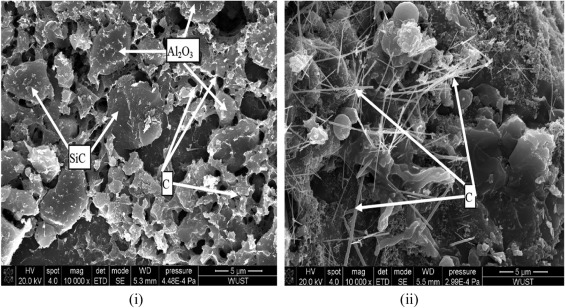
In carbon-containing refractories, engineered carbon structures can improve oxidation resistance and mechanical resilience. In alumina- and magnesia-based systems, nano oxides can strengthen grain boundaries and enhance resistance to corrosion, especially in zones exposed to aggressive slags and thermal gradients.
Dispersion and Processing: The Real Challenge
Nanotechnology is not a magic ingredient; it is a processing discipline. Nano particles have high surface energy and tend to agglomerate. If dispersion is poor, the same additive intended to improve density and strength can create weak points and inconsistent properties. Successful nano-enabled refractory development typically requires controlled mixing, optimized binder selection, and robust rheology management for monolithics.
Quality control becomes more process-focused as well. Beyond standard chemistry checks, developers often evaluate particle dispersion indicators, controlled water demand in castables, green strength stability, and repeatability across batches.
Applications with the Highest Near-Term ROI
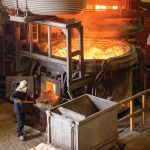
Nano-enabled development is especially relevant where refractories face combined wear mechanisms: chemical corrosion plus thermal shock plus mechanical erosion. Steel ladles, tundish working linings, EAF sidewalls, kiln transition zones, and certain non-ferrous furnaces are prime candidates. The goal is not novelty ,it’s measurable improvement in hot strength, reduced crack propagation, and more stable permeability.
In the Middle East, where production schedules are tightly managed and shutdown windows are expensive, refractories that offer predictable performance and faster installation cycles can be highly attractive.
How to Evaluate Nano-Enhanced Refractories as a Buyer
The decision should remain data-driven. Ask for application-specific validation: corrosion testing, thermal cycling results, hot modulus of rupture, and field references in comparable operating conditions. Also assess supply stability and the supplier’s ability to provide consistent formulation control ,nano systems are less forgiving to variability.
Market Direction and Practical Outlook
Nanotechnology is likely to expand first in monolithic refractories, where formulation flexibility is higher, and performance gains can be captured without retooling brick production lines. Over time, expect more hybrid approaches: micro-optimized particle packing combined with nano-scale bond tailoring.
If you’re exploring how nano-enabled refractories could improve lining performance in your operation, contact Pennekamp Middle East with your furnace zone details, temperature profile, and wear mechanism (slag, abrasion, thermal cycling), and our team will recommend suitable materials and validation pathways for your conditions.