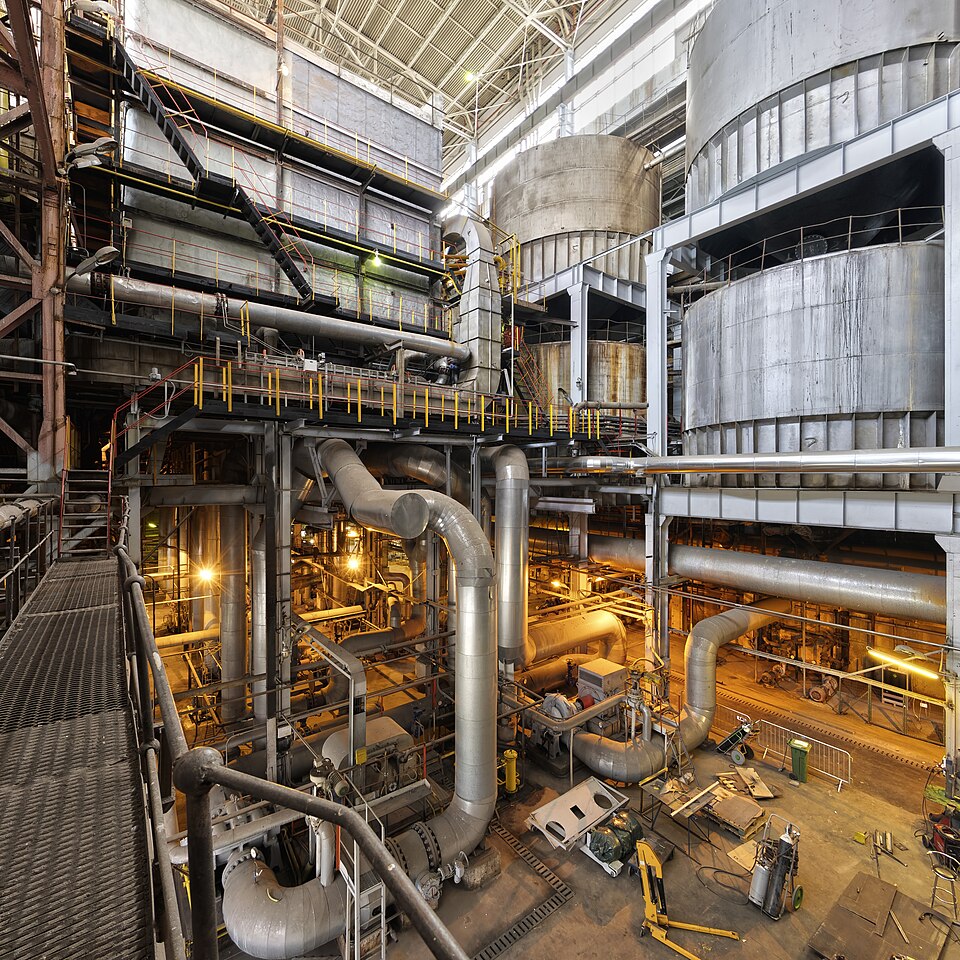
Power plant boilers operate in a complex environment of heat, ash, erosion, chemical attack, and cycling ,especially in units facing variable fuel quality or frequent load changes. Refractory solutions enhance boiler durability by protecting steel structures, stabilizing temperature profiles, resisting erosion in gas paths, and reducing maintenance events that compromise availability.
Why Boilers Suffer Premature Wear
Boilers face wear mechanisms that often act together. High-velocity ash and particulate-laden gas streams abrade surfaces. Chemical species in flue gases can react with linings, especially where condensation occurs. Thermal cycling during start-ups and load changes creates cracking and spalling. In many units, the most severe damage concentrates in specific areas: burner quarls, windboxes, duct transitions, cyclone/ash handling zones, and areas with strong flow impingement.
When refractory protection is weak or inconsistent, steel temperatures rise, distortion increases, and corrosion accelerates ,shortening equipment life and increasing outage frequency.
What Refractory Systems Do for Boiler Durability
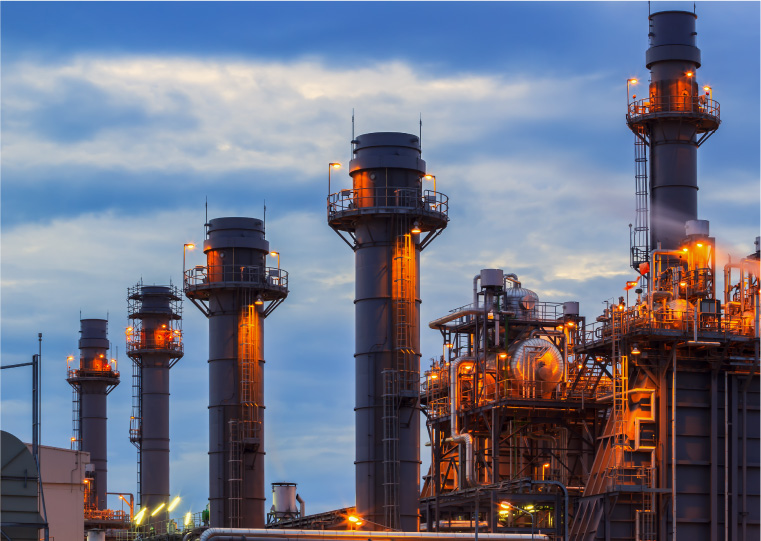
A refractory is not only a “hot face.” It is a system: hot-face materials resist erosion and chemistry, while backup insulation controls shell temperature and reduces heat loss. In many boiler applications, the refractory also stabilizes flow paths by maintaining geometry, reducing localized turbulence and impingement that accelerate wear.
A durable refractory system reduces hot spots and keeps operating conditions stable, which lowers long-term mechanical fatigue in boiler structures.
Erosion Resistance Where It Matters Most
Erosion is often the dominant driver in boiler-related refractory failures. Material selection must account for particle velocity, impact angle, and temperature. Dense, abrasion-resistant refractories are typically required in high-velocity zones, but they must still tolerate thermal cycling. If a lining is overly brittle, it may crack and shed under cycling, negating its abrasion resistance.
The most successful solutions balance abrasion resistance with crack tolerance and strong bonding to the substrate.
Chemical Attack and Condensation Zones
Certain boiler areas experience chemical attack due to condensable compounds and corrosive species in the gas stream. In these zones, refractories must resist reaction-driven weakening and maintain low permeability to prevent deep infiltration. This is where material chemistry and microstructure control become decisive, not optional.
Installation Quality: The Durability Multiplier
Boiler refractory life can be shortened dramatically by rushed installation: poor surface preparation, incorrect water addition, inconsistent curing, and insufficient dry-out. Cracks formed during early heat-up become pathways for erosion and corrosion. Because power plant outages are time-sensitive, selecting materials that install reliably and designing an achievable heat-up schedule are essential for durability.
How to Specify for Better Availability
A boiler durability specification should be zone-based. Identify the erosion hot spots, the condensation/chemical zones, and the cycling-sensitive areas, then match materials accordingly. Ask for performance references in similar service and demand batch consistency. A refractory partner that supports inspection, root-cause interpretation, and continuous improvement can meaningfully reduce outage risk over time.
If you’re seeing recurring boiler refractory failures, hot spots, or erosion-related lining loss, contact Pennekamp Middle East with your boiler type, fuel characteristics, and damage map. We’ll recommend refractory raw materials and finished solutions designed to enhance durability and reduce maintenance disruptions.