Background: Rising Hot Spots and Increasing Repair Frequency
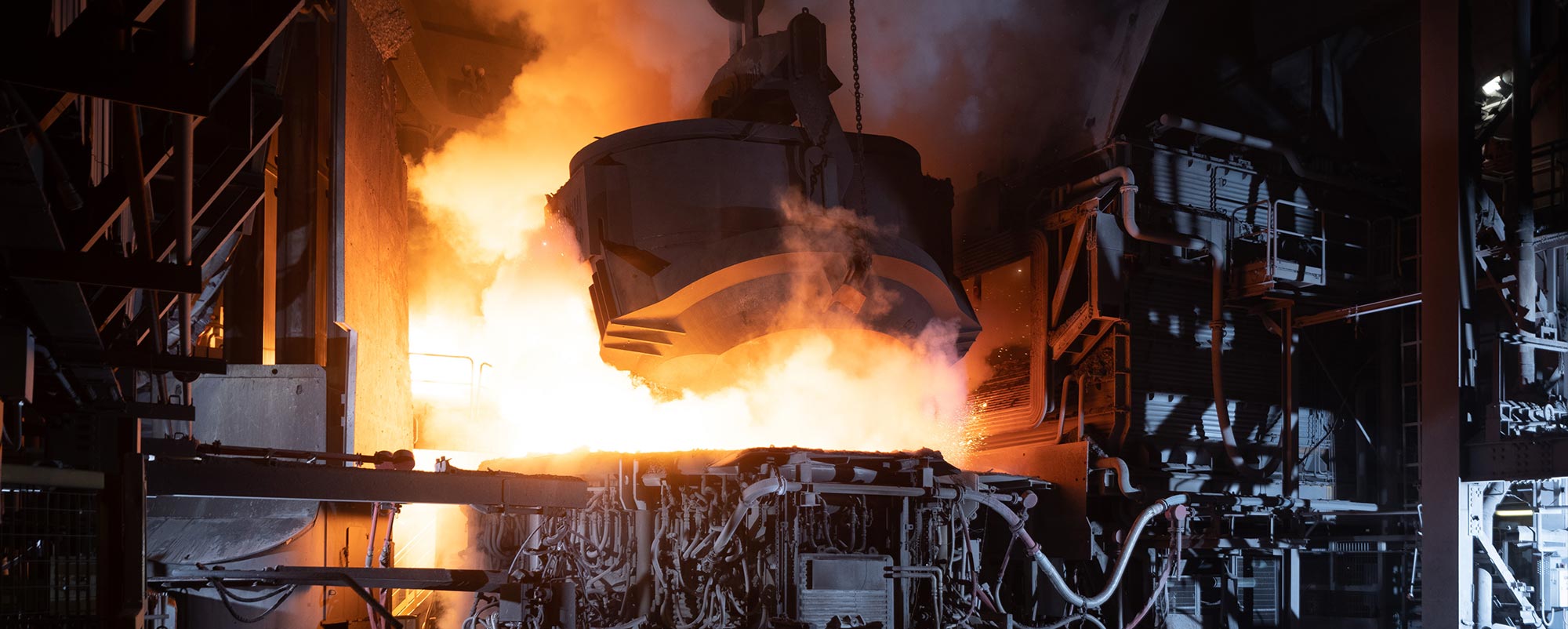
A high-temperature furnace operating under a demanding production schedule began showing an increase in shell temperature hot spots and localized lining failures. Maintenance records showed that repairs were becoming more frequent, but the interventions were reactive and inconsistent. Over time, the furnace experienced repeated thermal instability, increasing energy consumption and raising concerns about long-term structural integrity.
The plant’s goal was not only longer refractory life, but longer furnace life. That meant protecting the shell and maintaining stable thermal behavior.
Diagnosis: Local Wear Becoming an Asset Risk
Inspection revealed that lining thinning in specific zones was driving heat flux increases to the shell. Infiltration through cracks and joints had accelerated degradation behind the visible hot face, creating a risk of sudden failure despite ongoing patching. The maintenance approach was also uneven: some repairs were applied too late, and some were applied with inconsistent installation parameters, leading to variable outcomes.
The root issue was maintenance timing and method, not simply refractory grade.
Maintenance Strategy Upgrade: Predictive Zones and Standardized Repairs
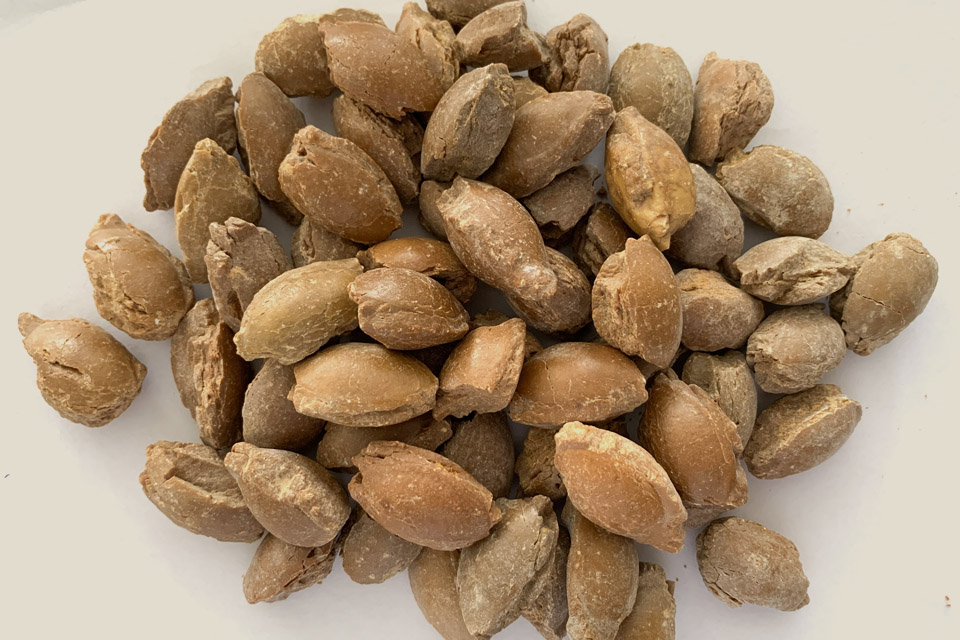
The furnace team implemented a zone-based maintenance plan. Instead of waiting for visible damage, repairs were triggered by thermal trend thresholds and wear indicators. Targeted repair materials were selected to match the specific wear mechanisms of each zone, and application parameters were standardized to improve consistency.
Heat-up and cool-down practices were also reviewed. Controlled thermal management reduced thermal shock severity and helped limit crack growth after repairs.
Results: Lower Shell Temperature, More Predictable Campaigns
After implementing the program, shell hot spots decreased in frequency and severity, indicating improved lining protection. Repair intervals became more predictable, and emergency interventions dropped. The furnace’s thermal behavior stabilized, reducing the need for operational compensation and improving process control.
Most importantly, the program reduced asset risk. By preventing prolonged hot-spot exposure, the maintenance strategy helped protect the furnace structure, extending the useful life of the equipment itself.
Key Takeaway: Maintenance Is a Lifespan Multiplier
Refractory maintenance is not only about saving refractory cost; it is about protecting capital equipment. Early, consistent interventions typically cost less than late, deep repairs and reduce the probability of structural damage driven by chronic hot spots.
If you want to extend furnace lifespan through smarter refractory maintenance, contact Pennekamp Middle East with your equipment type, hot-spot history, and current repair routine. We can recommend maintenance-aligned refractory raw materials and finished products that support predictable repairs, lower shell temperature risk, and longer equipment service life.