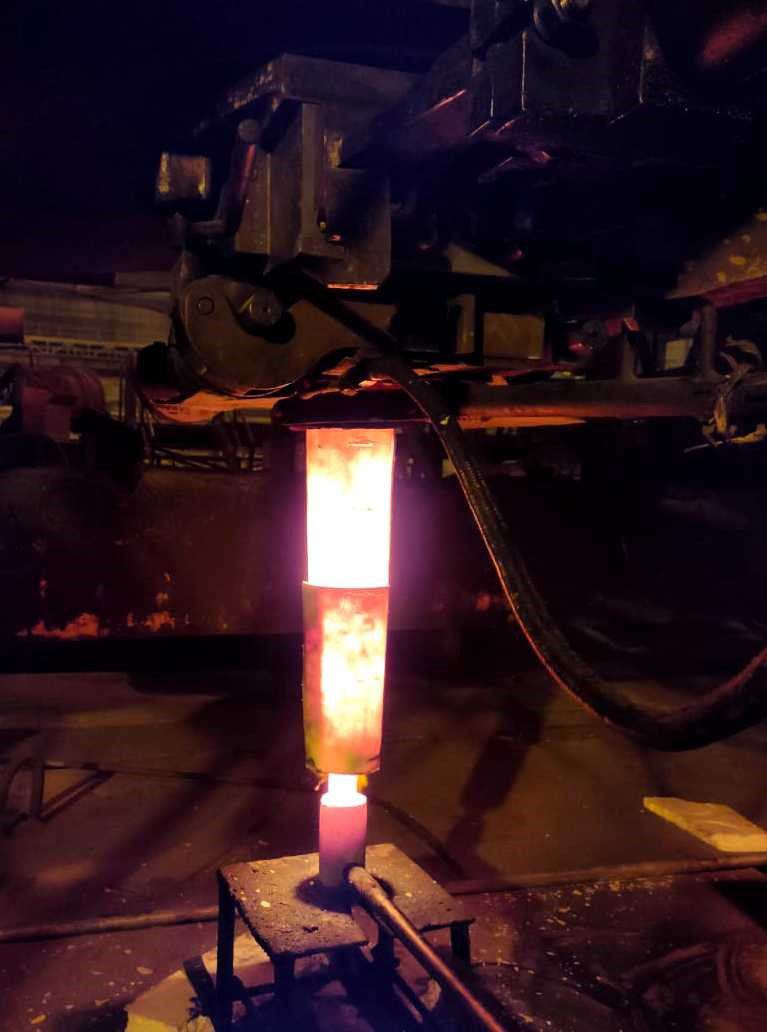
In continuous casting, stability is engineered ,not hoped for. Submerged Entry Nozzles (SEN nozzles) are among the most critical flow-control refractory components, shaping steel flow into the mold, protecting the melt from re-oxidation, and influencing inclusion behavior and surface quality. A well-chosen SEN nozzle supports stable casting sequences, fewer interruptions, and cleaner steel.
Why SEN Nozzles Matter More Than Most People Admit
Casting performance is often discussed in terms of powder/flux selection, mold cooling, and process automation. Yet the SEN nozzle sits at the heart of the steel’s final “delivery” into the mold. Its geometry and internal surface condition determine turbulence level, flow symmetry, and the risk of slag entrainment. When SEN performance drifts ,due to wear, clogging, or thermal shock ,operators typically see speed reductions, unstable meniscus behavior, and surface defects.
From a procurement perspective, SEN quality affects far more than component cost. It influences throughput, yield, and defect rates across the sequence.
What an SEN Nozzle Actually Does in the Mold
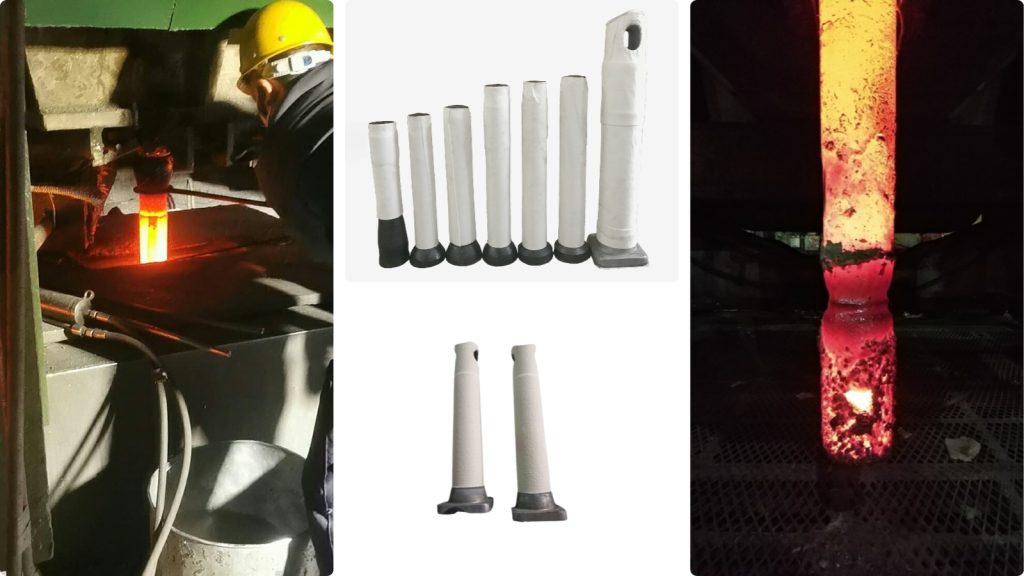
A submerged entry nozzle delivers steel below the mold powder layer, shielding it from atmospheric oxygen and reducing re-oxidation. It also acts as a flow conditioning device. Port angles and bore design control the flow pattern: downward jets, swirl tendencies, and distribution between strands (in multi-strand casters). The target is consistent, symmetric flow that supports stable shell formation and predictable heat transfer.
Poorly controlled flow increases risk of meniscus turbulence and slag entrainment, which can introduce inclusions and surface defects. In severe cases, unstable flow contributes to breakout risk and unplanned casting stops.
Key Failure Modes: Clogging, Erosion, and Thermal Shock
SEN nozzles fail in a few common ways, each with its own operational signature.
Clogging typically appears as rising stopper/slide gate positions or increased flow resistance. It can be driven by inclusion deposition, re-oxidation products, or reaction layers on the bore surface. Erosion and chemical attack change port geometry over time, shifting jet direction and increasing turbulence. Thermal shock can create cracks that accelerate wear or lead to sudden breakage ,especially during start-up transitions and grade changes.
Because these failure modes can overlap, selecting the right SEN is about matching composition and design to casting practice, steel grade sensitivity, and sequence length.
Material Design Considerations for SEN Performance
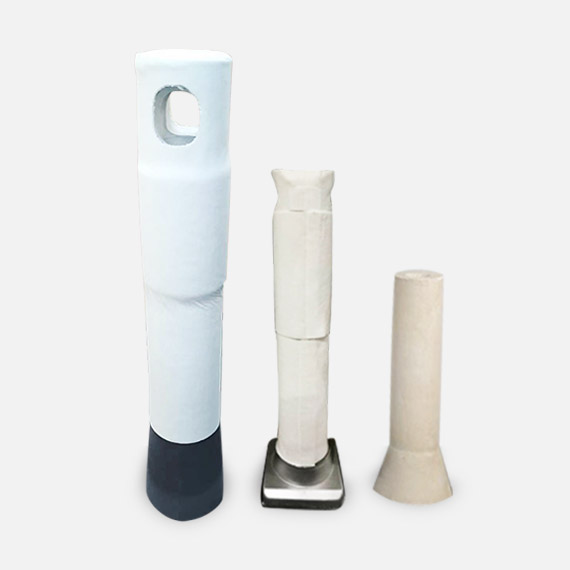
SEN nozzles generally require a material system that resists chemical corrosion, maintains geometry, and manages thermal cycling. Many operations rely on alumina-graphite based systems due to their combination of thermal shock resistance and stability, while inserts and engineered zones can be used to improve resistance where slag and steel exposure are most aggressive.
The internal bore surface quality is a practical performance factor. Surface condition influences deposition tendency and flow stability. Manufacturing consistency ,especially for porosity control and dimensional accuracy ,directly affects casting behavior. For plants targeting longer sequences, maintaining stable properties over time matters more than peak properties on day one.
How to Specify SEN Nozzles for Real Casting Conditions
Start by describing the casting reality: steel grade family, sequence length targets, casting speed range, tundish practices, and known defect patterns. Then align SEN selection to the failure mechanism you must control.
For clogging-sensitive grades, prioritize a design and material approach that supports stable bore behavior and minimizes deposition risk. For high-speed casting, port geometry stability and erosion resistance are decisive because small changes can create big flow differences. For operations with frequent start-stop events, thermal shock resistance becomes the leading requirement.
Quality documentation should include dimensional tolerances, consistency commitments, and traceability. In practice, the most valuable supplier is one that can align nozzle design with process goals and troubleshoot based on observed casting behavior.
Operational Handling and Storage
SEN nozzles must arrive and remain intact. Packaging protection matters, especially for long-distance logistics and site storage. Handling damage can create microcracks that only reveal themselves under thermal shock. Controlled storage and disciplined installation reduce failure risk and help keep performance predictable from the first heat.
If you’re aiming to reduce turbulence-related defects, extend sequence length, or improve casting stability through better SEN nozzle selection, contact Pennekamp Middle East with your caster type, grade mix, and current SEN failure pattern.