As industrial automation advances, refractory materials play a less visible but essential role in enabling stable, efficient, and predictable high-temperature processes. From smart steel plants to automated kilns, refractory performance directly supports the reliability automation demands.
Industrial automation is reshaping manufacturing across sectors such as steel, cement, energy, and chemical processing. Automated systems rely on precise temperature control, stable operating conditions, and predictable equipment behavior. In high-temperature environments, these requirements cannot be met without refractory materials that perform consistently over long operating cycles.
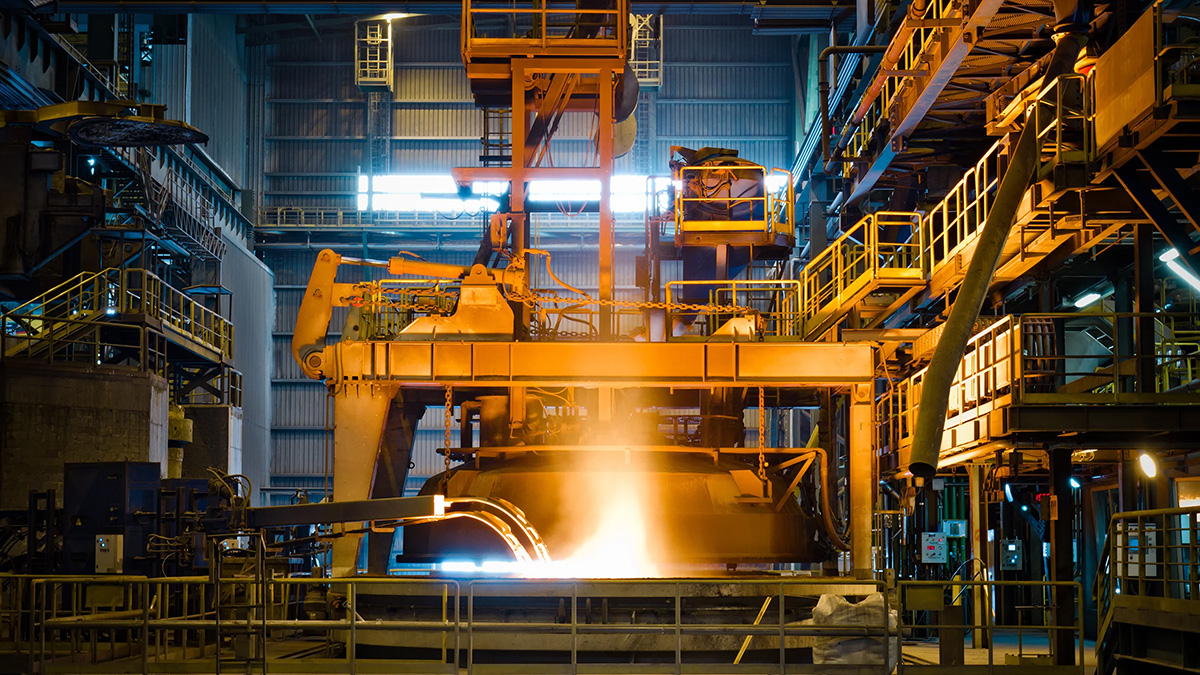
Refractories form the physical boundary between automated processes and extreme heat. In furnaces, ladles, reactors, and kilns, refractory linings must maintain structural integrity while allowing automated systems to operate without interruption. Unplanned refractory failure undermines automation by forcing shutdowns, disrupting data-driven control systems, and increasing operational risk.
Modern refractory materials are designed with tighter tolerances, consistent chemistry, and improved thermal behavior. This consistency is critical for automation, as process control systems depend on stable heat transfer and predictable thermal response. Variations in refractory performance can lead to uneven heating, inaccurate sensor readings, and reduced process efficiency.
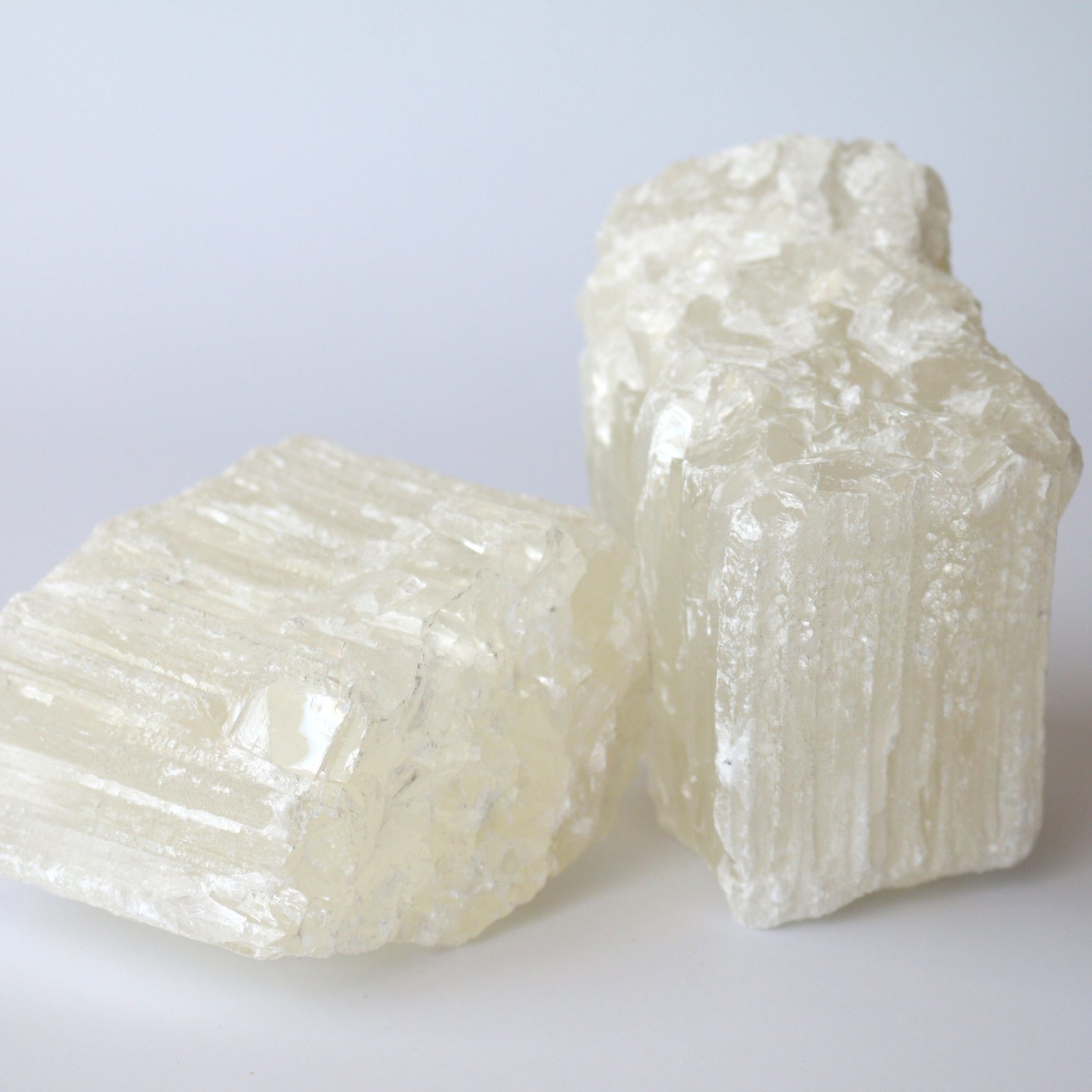
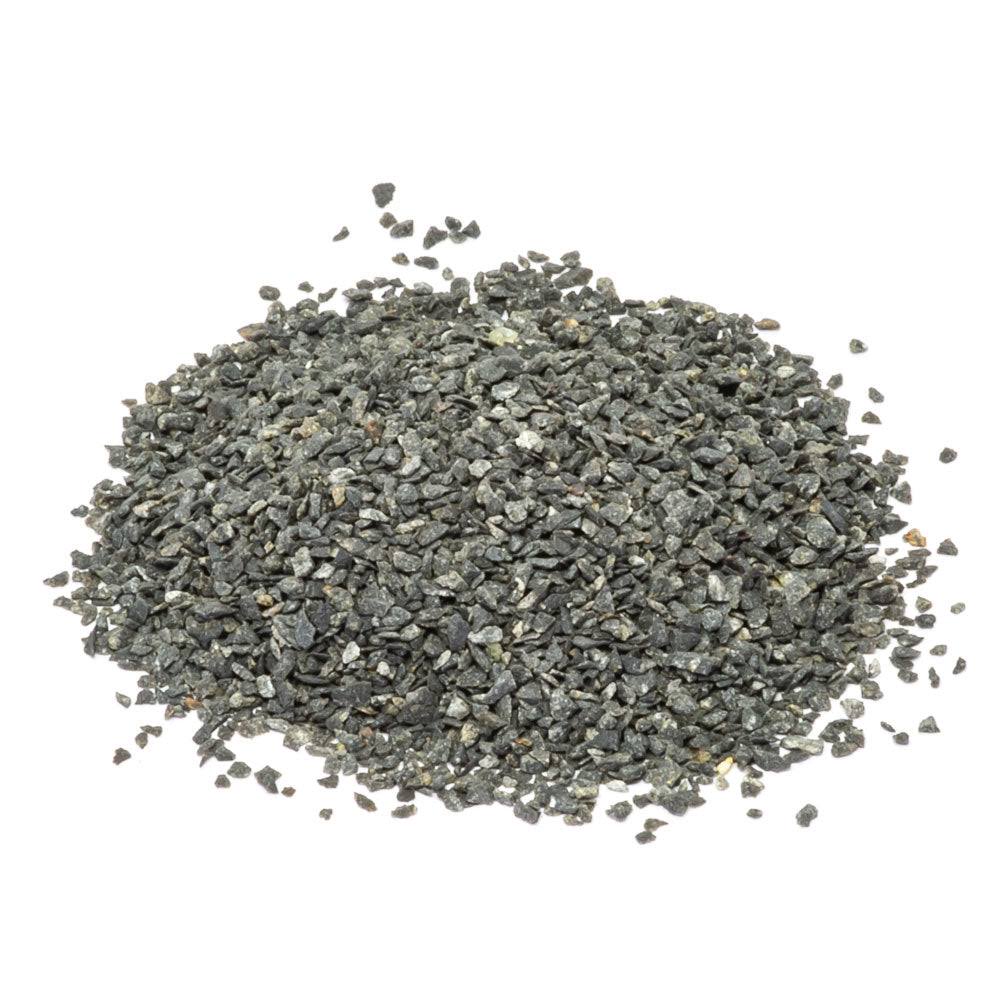
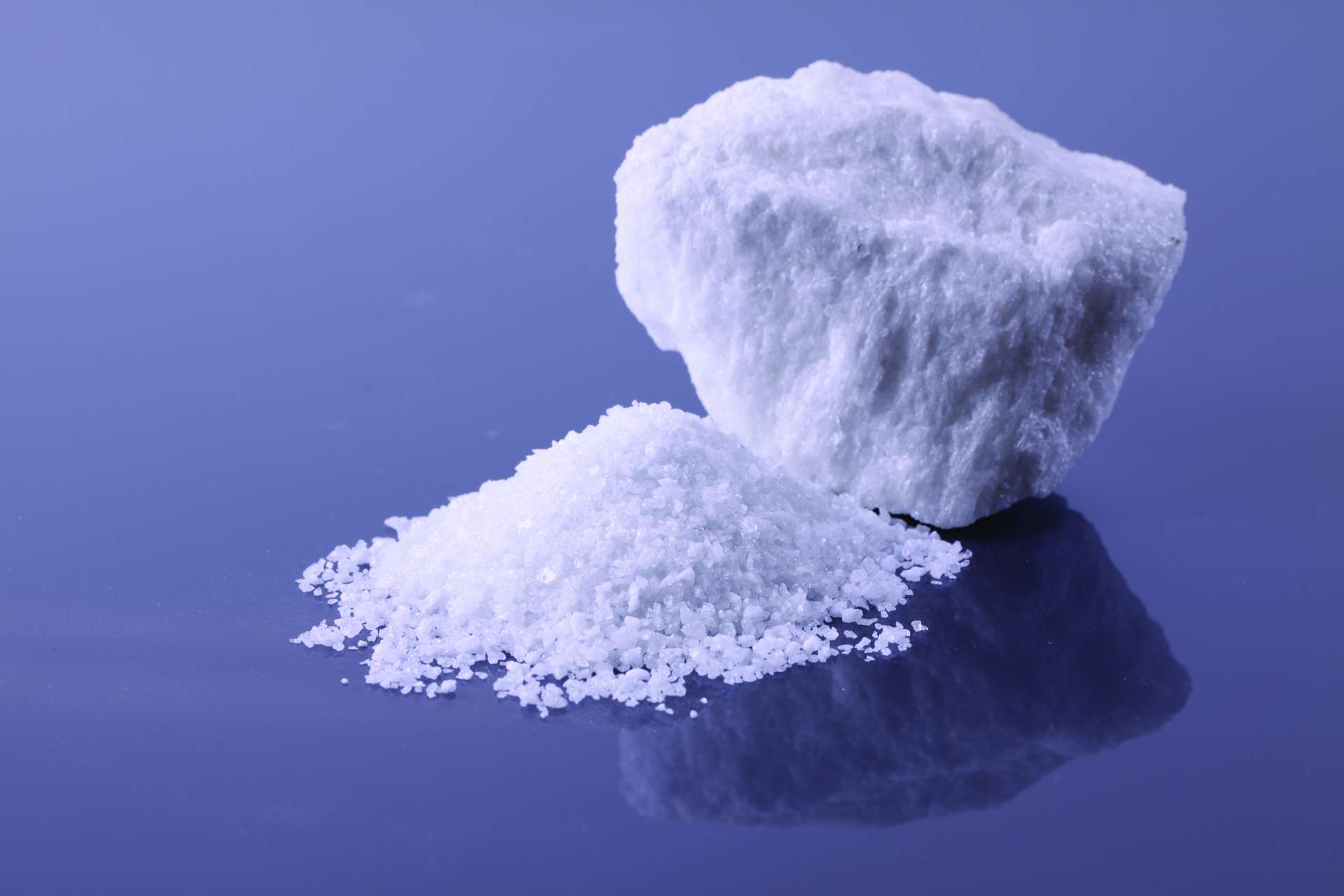
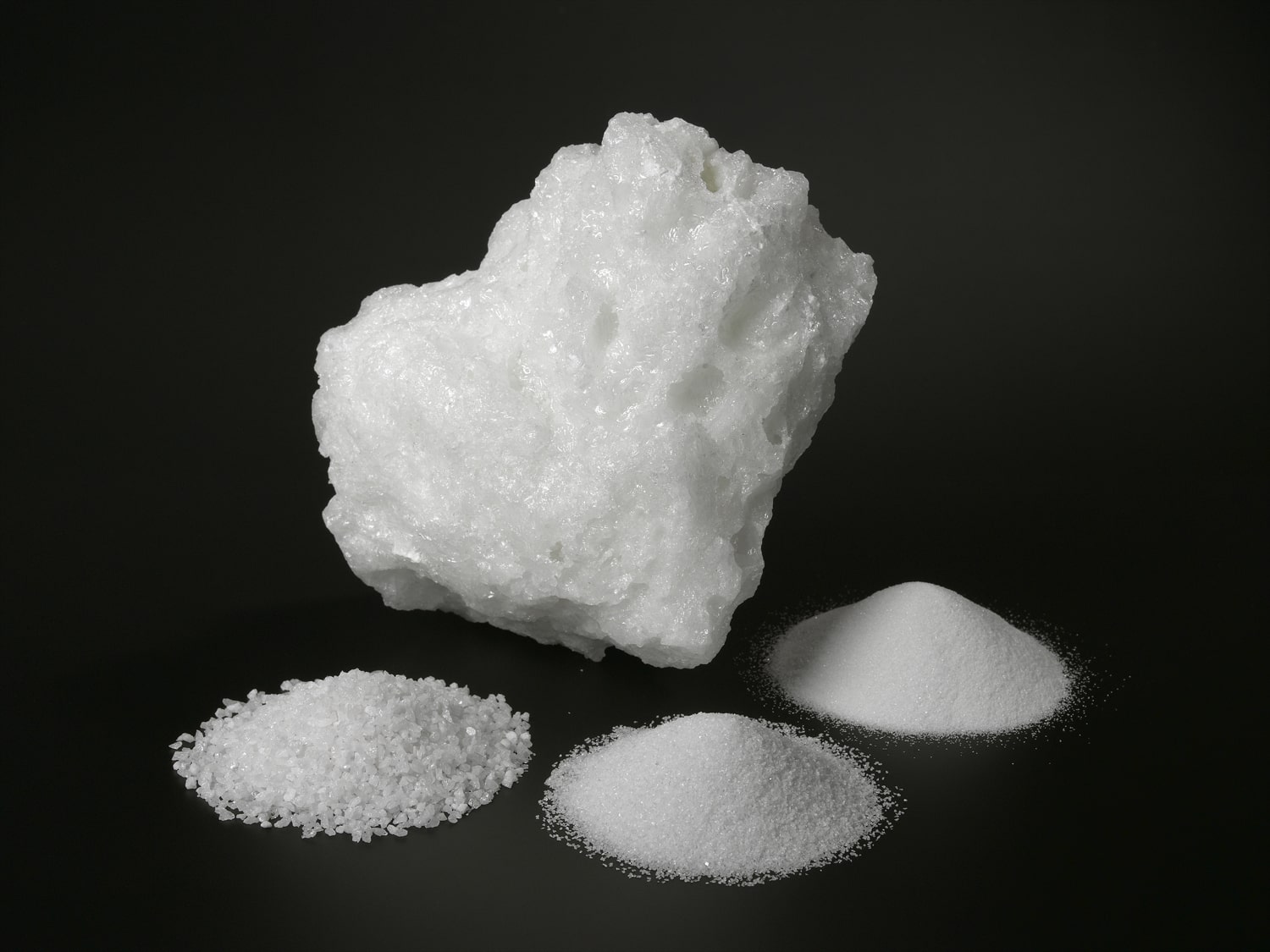
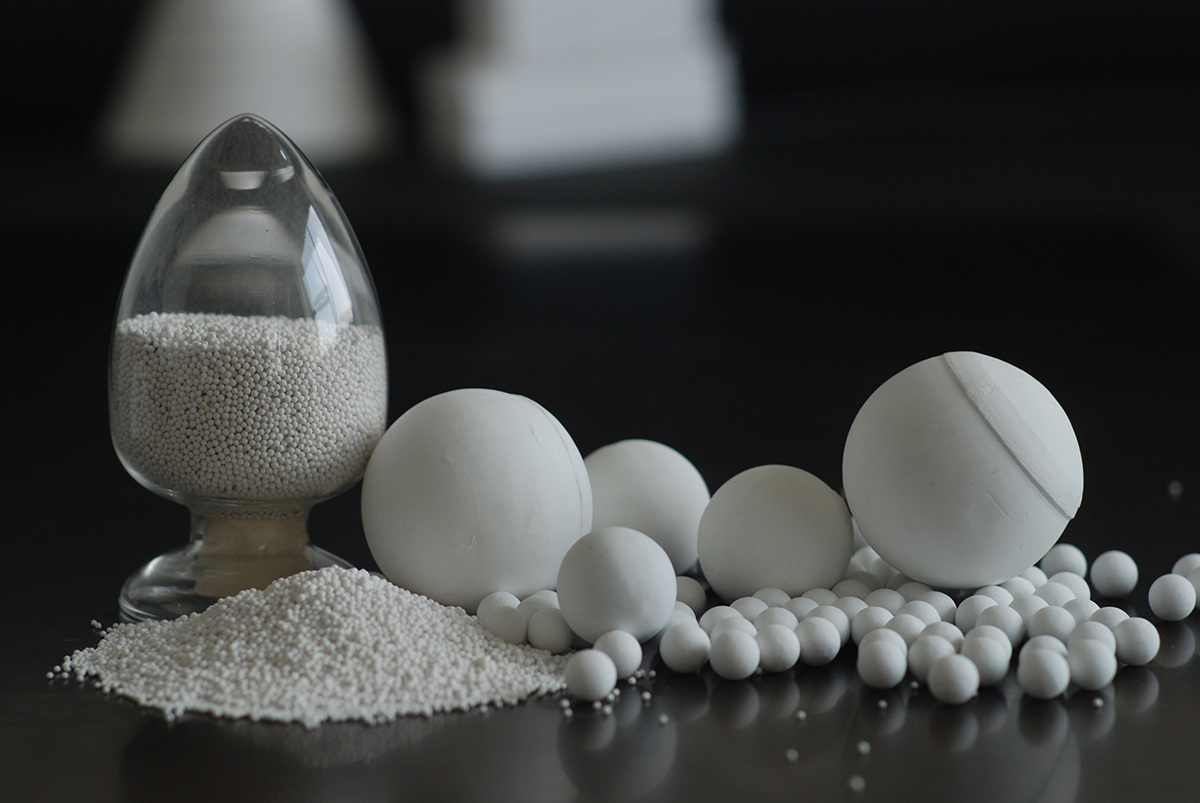
Automation also places higher demands on refractory durability. Continuous operation, rapid heating cycles, and reduced manual intervention mean that linings must withstand longer campaigns with minimal maintenance. Advanced raw materials such as high-purity alumina, magnesia-based products, silicon carbide, and fused magnesite support these requirements by offering improved resistance to thermal shock, corrosion, and mechanical wear.
Another important factor is compatibility with monitoring technologies. In automated plants, sensors, thermocouples, and inspection systems are often integrated into refractory-lined equipment. Stable refractory materials protect these components and ensure accurate data collection, which is essential for automated decision-making.
Refractories also support automation through faster installation and repair solutions. Monolithic refractories, including castables and gunning mixes, allow for controlled application and reduced installation time. This aligns with automated maintenance strategies that prioritize speed, repeatability, and minimal downtime.
As industries move toward digitalization and smart manufacturing, refractory materials are no longer passive components. They actively enable automation by providing the stable thermal and mechanical environment required for advanced control systems to function effectively.
Pennekamp Middle East supplies refractory materials designed for modern, automated industrial operations. Contact our team to support your automation-driven processes with reliable refractory solutions.