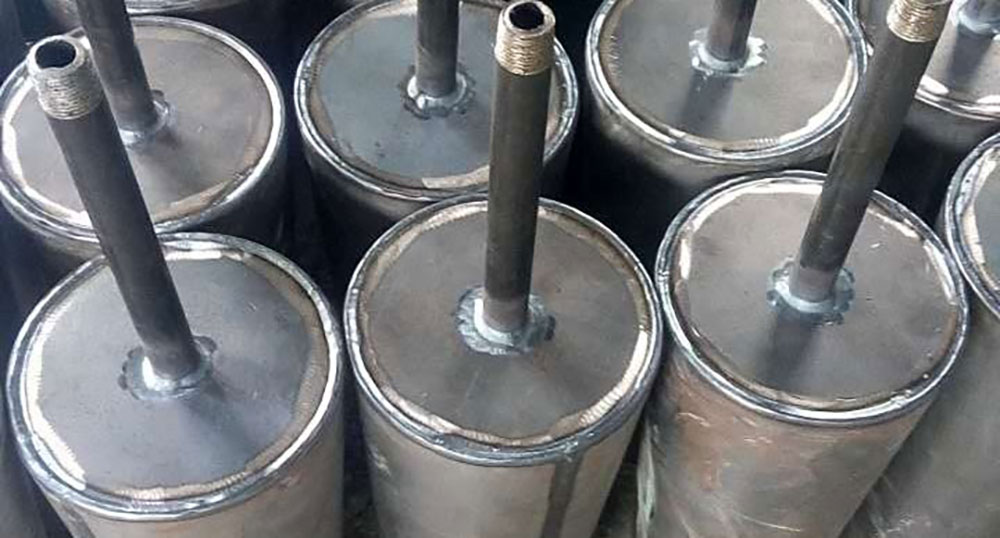
In modern EAF steelmaking, purging plugs are not just accessories ,they directly influence bath stirring, temperature uniformity, alloy recovery, and inclusion behavior. Choosing the right purging plug solution improves process efficiency, supports cleaner steel, and reduces operational variability that can translate into higher power consumption and longer tap-to-tap times.
Why Purging Matters in EAF Steelmaking
EAF operations rely on controlled refining. Effective gas stirring helps homogenize temperature and chemistry, improves reaction kinetics, and supports slag-metal interaction under controlled conditions. Purging plugs deliver that stirring, typically through argon or inert gas injection.
When purging performance is inconsistent ,due to plugging, cracking, or uneven flow ,operators compensate by increasing energy, extending refining time, or accepting greater variability in steel quality. That is why the purging system must be engineered as part of the overall furnace strategy.
Purging Plug Design and Material Requirements
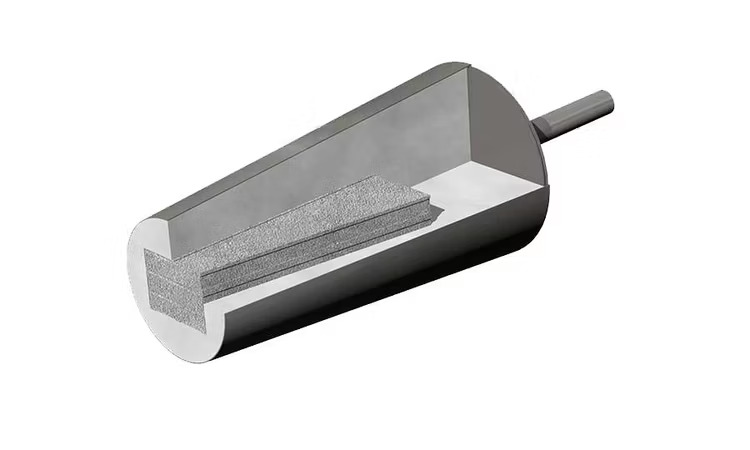
Purging plugs face severe conditions: high temperature, thermal cycling, chemical exposure, and mechanical stress during furnace movements and tapping. The plug must maintain structural integrity while delivering stable gas flow through its porous structure.
A successful plug balances permeability and strength. Too permeable, and erosion accelerates. Too dense, and gas flow becomes unstable or requires higher pressure, increasing risk of operational problems. Material selection and manufacturing control are critical to achieving consistent porosity and reliable performance.
Performance Drivers: What Engineers Should Watch
Stable gas flow rate is the core indicator. Inconsistent flow can indicate clogging, cracking, or pore structure degradation. Resistance to slag infiltration and metal penetration is also decisive, because infiltration changes permeability over time and can trigger sudden failure.
Thermal shock resistance matters in EAF conditions, where rapid changes are common. A plug that cracks early can create leakage paths, reduce process control, and increase maintenance burden.
Operational Benefits: Efficiency, Quality, and Stability
A well-performing purging plug supports faster homogenization and more stable refining, which can reduce tap-to-tap time and improve power efficiency. Better stirring can improve alloy recovery and reduce the tendency for localized overheating or chemistry gradients.
From a quality perspective, controlled stirring supports inclusion flotation and can contribute to cleaner steel outcomes, depending on overall furnace practice and slag management.
Selection Criteria for Procurement
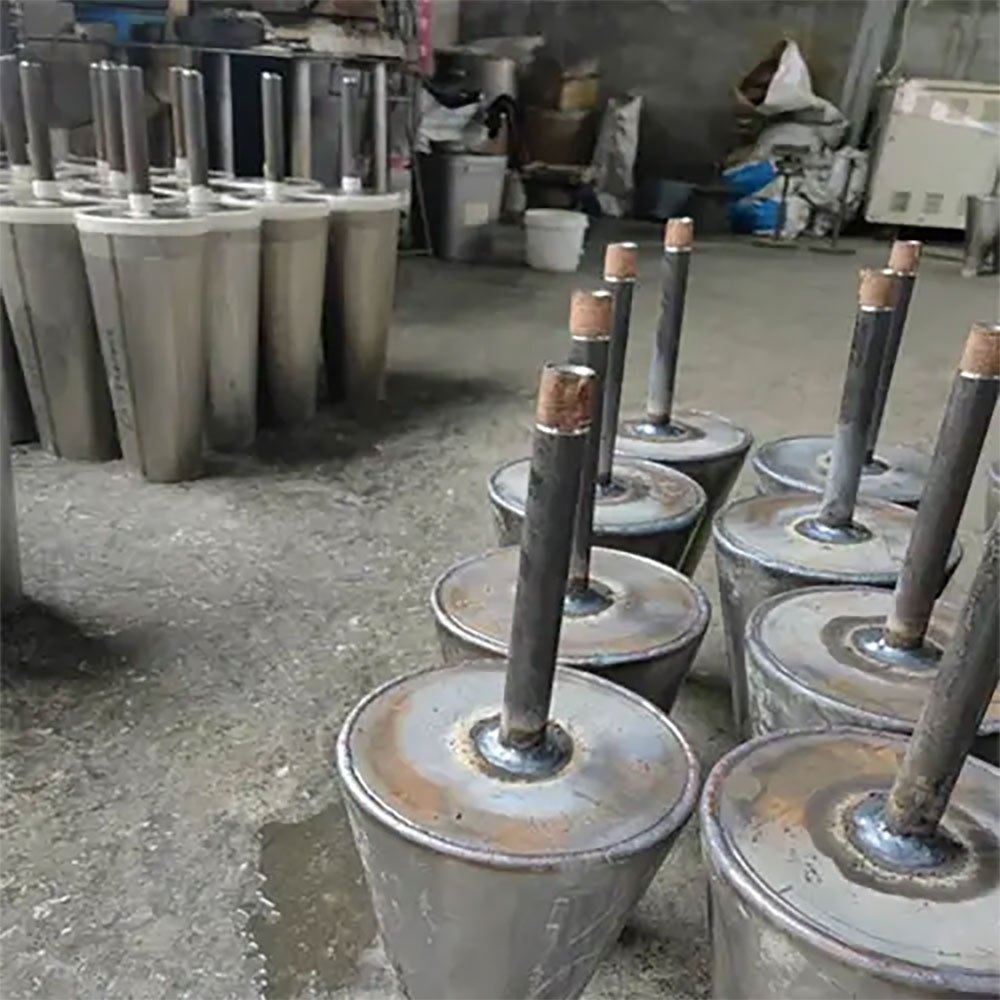
When sourcing purging plugs, prioritize repeatability: consistent pore structure, dimensional accuracy, and traceable quality. Ask for performance references in comparable EAF sizes and practices. Consider the supplier’s ability to support correct installation and to troubleshoot flow issues with practical guidance.
In Middle East operations, reliable delivery schedules and robust packaging are essential because purging components are often needed to keep maintenance planning on track.
If you want to improve EAF efficiency through more stable purging performance, contact Pennekamp Middle East with your furnace size, typical heat profile, and current plug issues (clogging, cracking, uneven flow). We’ll recommend suitable purging plug options designed for durability and consistent metallurgical performance.