Ladle Furnaces (LF) impose one of the toughest combinations of thermal cycling, chemical exposure, and mechanical wear in steelmaking. Extending LF campaign life requires zone-based refractory design, disciplined installation, and material choices aligned to slag practice, stirring intensity, and treatment time—not just high headline chemistry.
Understanding LF Wear Mechanisms
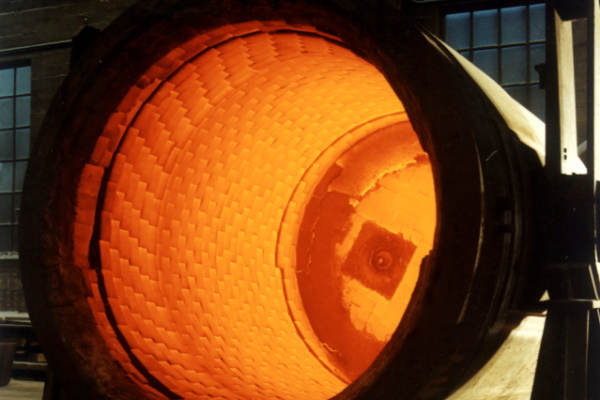
LF linings face repeated heating cycles, aggressive slags, and stirring-driven erosion. Common high-wear areas include the slag line, impact zones, and regions around porous plugs and stirring patterns. Thermal shock is often amplified by uneven heating and operational interruptions, while chemical corrosion depends heavily on slag basicity, FeO/MnO levels, and oxygen potential.
A refractory system that performs well must resist infiltration and spalling while maintaining hot strength and structural stability.
Zone-Based Strategy: The Only Real Path to Longer Campaigns
LF wear is not uniform. Slag line demands high corrosion resistance and low permeability. Impact zones need toughness and resistance to washout. Bottom regions may require stability under thermal gradients and interaction with purging systems. Extending campaigns usually means optimizing each zone rather than applying a single product across the lining.
In practice, that can involve higher-performance materials at the slag line, more damage-tolerant systems in cycling zones, and carefully selected monolithics for repairable sections.
Material Considerations That Matter Operationally
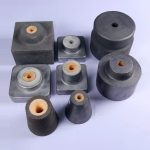
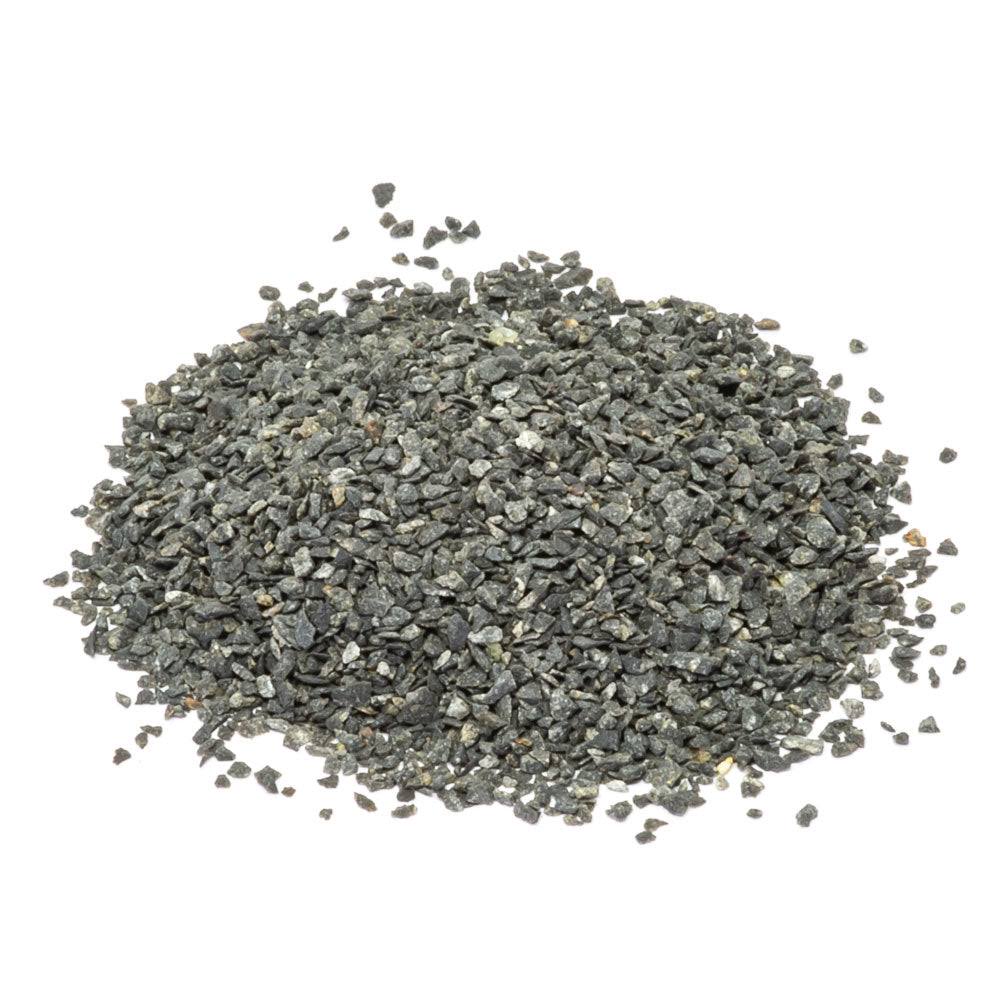
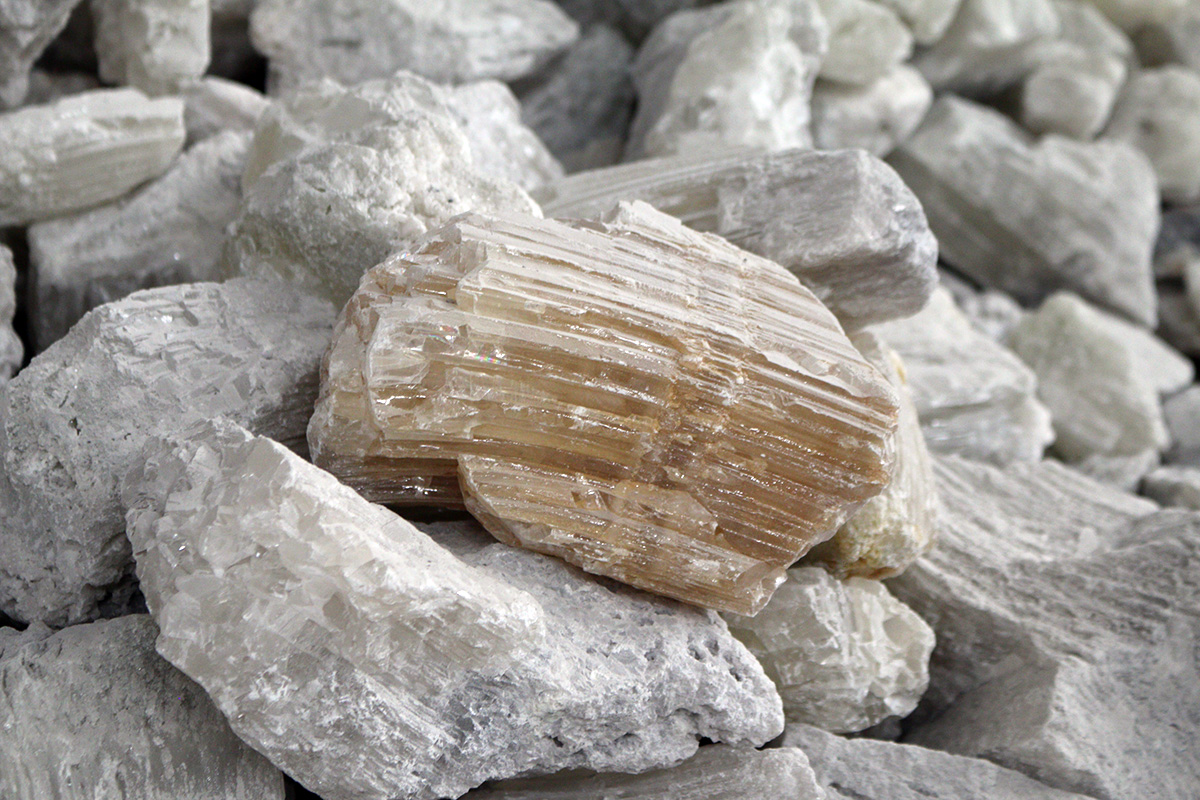
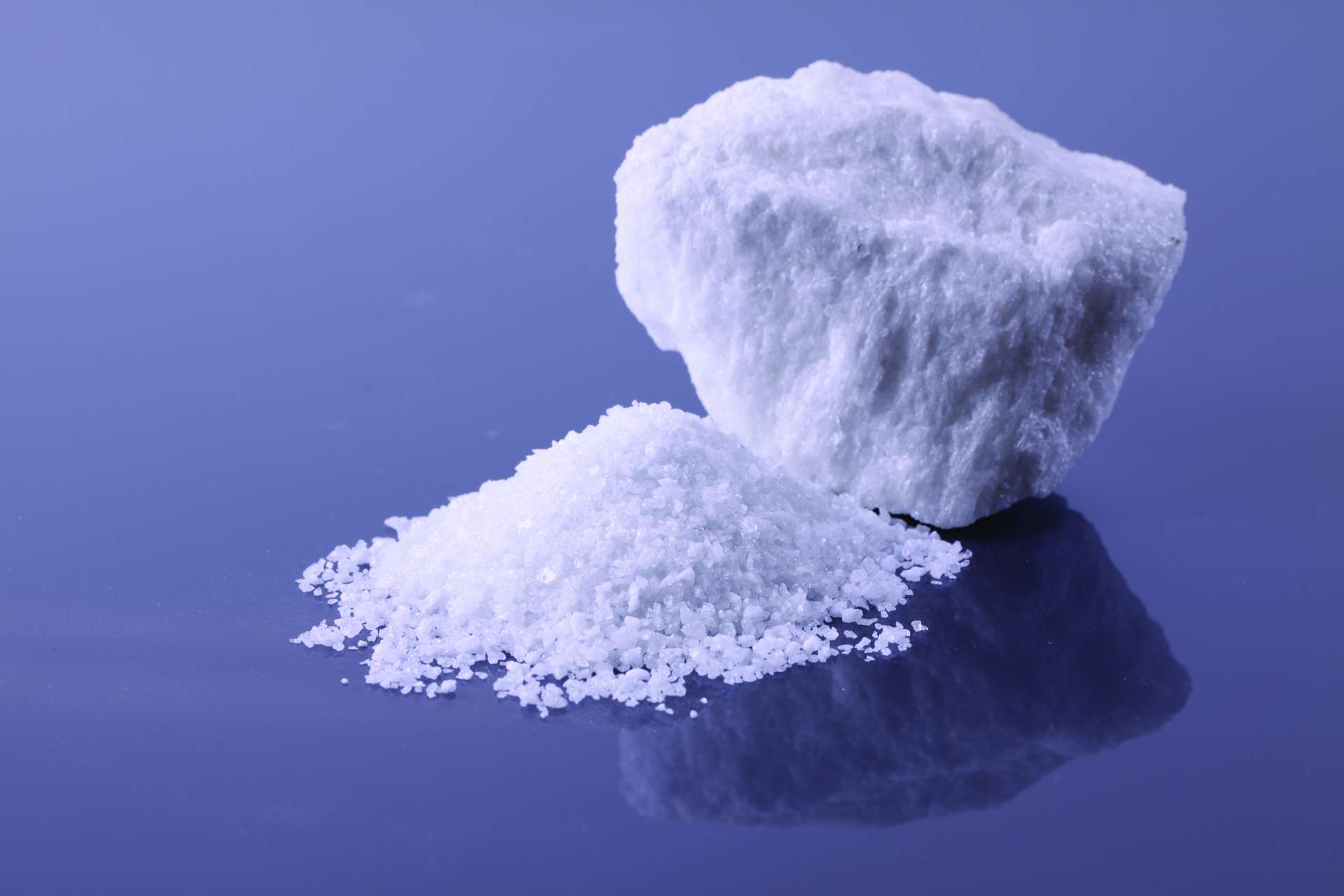
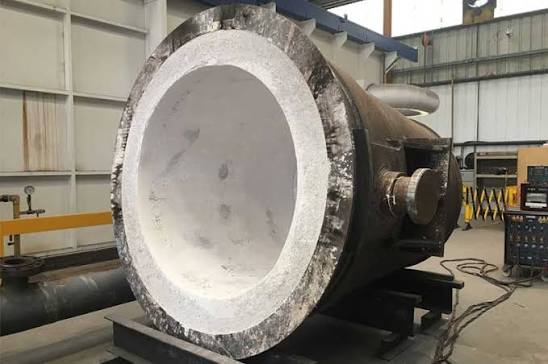
In basic slag environments, magnesia-based systems are commonly favored for corrosion resistance, while carbon-containing designs can provide strong slag resistance but require oxidation management during preheating and idle periods. High-alumina systems may play roles depending on compatibility and operational goals, particularly where installation flexibility and thermal shock resistance are prioritized.
The correct choice should be driven by your LF practice: treatment time, stirring intensity, slag control discipline, and temperature targets.
Installation and Heat-Up: The Campaign Starts Here
Early-life cracking is a common reason campaigns shorten. Water control in castables, vibration discipline, proper curing, and controlled dry-out protect density and reduce microcracking. For brick systems, joint quality and expansion allowances determine stability under cycling. Standardizing procedures is often the fastest route to measurable campaign improvement.
Maintenance Integration: Repairability and Predictability
Extended campaigns are usually achieved by combining durable base linings with disciplined repair routines: localized gunning, patching, and targeted replacement in predictable wear zones. The best refractory strategy reduces emergency interventions and turns maintenance into planned work.
Middle East Supply and Scheduling Reality
LF maintenance is planned around production schedules, so delivery reliability and consistent batches are critical. Packaging integrity and moisture protection matter, especially for monolithics and repair materials.
If you want to extend your Ladle Furnace campaign life, contact Pennekamp Middle East with your slag practice, treatment time, and current wear map. We’ll recommend refractory raw materials and finished products designed for your LF duty cycle, along with practical guidance to improve predictability and reduce unplanned maintenance.