What “Converter Performance” Really Means
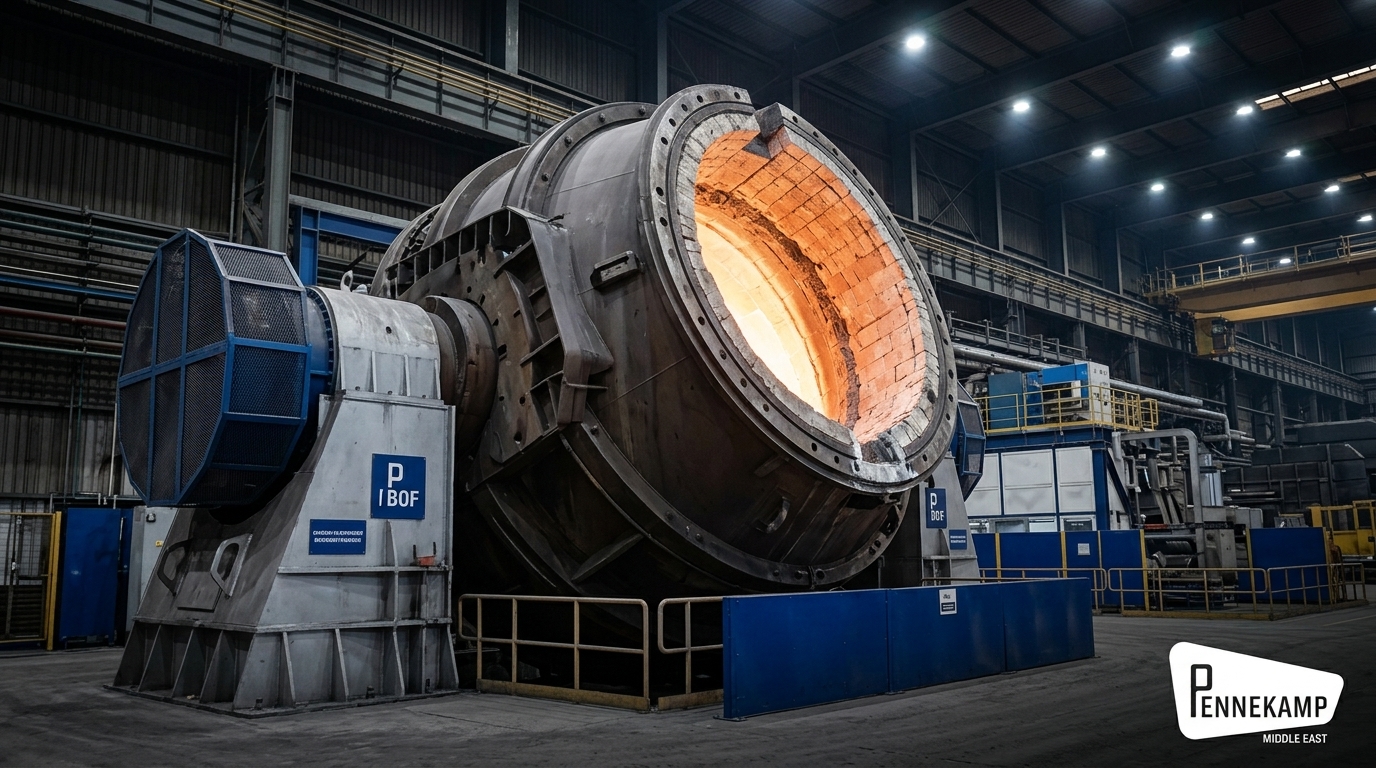
Performance is more than lining life. It includes availability, tapping stability, process consistency, and maintenance predictability. In BOF operations, refractory wear affects everything from heat rhythm and turnaround time to slag carryover risk and safety margins. When wear becomes unpredictable, converters become bottlenecks.
A high-performing BOF refractory system is designed to keep wear controlled and localized, enabling planned repairs rather than emergency shutdowns.
Key Wear Mechanisms in BOF Operations
The slag line is typically the most severe zone, facing aggressive basic slags and strong turbulence. Thermal shock and spalling also occur due to rapid temperature changes and process fluctuations. Mechanical wear can be intense in impact areas and regions exposed to high flow. Infiltration through open porosity accelerates internal degradation, often turning a manageable wear rate into sudden failure.
These mechanisms demand materials with low permeability, strong corrosion resistance, and stability under cycling.
Material Strategy: Zone-Based, Not Generic
BOF refractories are typically zoned. High-wear areas require premium corrosion resistance and damage tolerance. Other zones can use balanced solutions that maintain overall cost control. This zoning concept supports better total cost of ownership: you place highest performance where it returns the most campaign life.
In many BOF practices, carbon-containing refractories are used strategically to improve spalling resistance and reduce slag wetting, while oxidation management becomes a key operational factor—especially during preheating and idle periods.
Installation Quality and Operational Discipline
Converter campaigns are strongly influenced by installation and heat-up. Joint quality, alignment, and expansion allowance help reduce crack initiation. Controlled heat-up reduces thermal shock severity. Operationally, stable slag practice and disciplined oxygen use can significantly influence wear patterns.
The best refractory product can still underperform if installation is inconsistent or if operating practice creates uncontrolled cycling or slag variability.
Procurement Criteria: Consistency and Field-Proven Performance
For BOF refractories, consistency across deliveries is crucial. Batch variability can change wear rate and make maintenance planning unreliable. Procurement should prioritize traceability, documented quality control, and proven field references under similar converter practice and slag conditions. Supplier support also matters—particularly for troubleshooting wear patterns and refining zone strategy.
In Middle East operations, logistics reliability and packaging integrity support maintenance planning and reduce risks associated with moisture, damage, or delayed deliveries.
If your BOF converter is facing short campaigns, slag-line instability, or frequent hot repairs, contact Pennekamp Middle East with your converter size, practice data, and wear map. We’ll recommend BOF refractory raw materials and finished products designed to improve durability, predictability, and converter availability.