Why Mortar Matters More Than It Looks
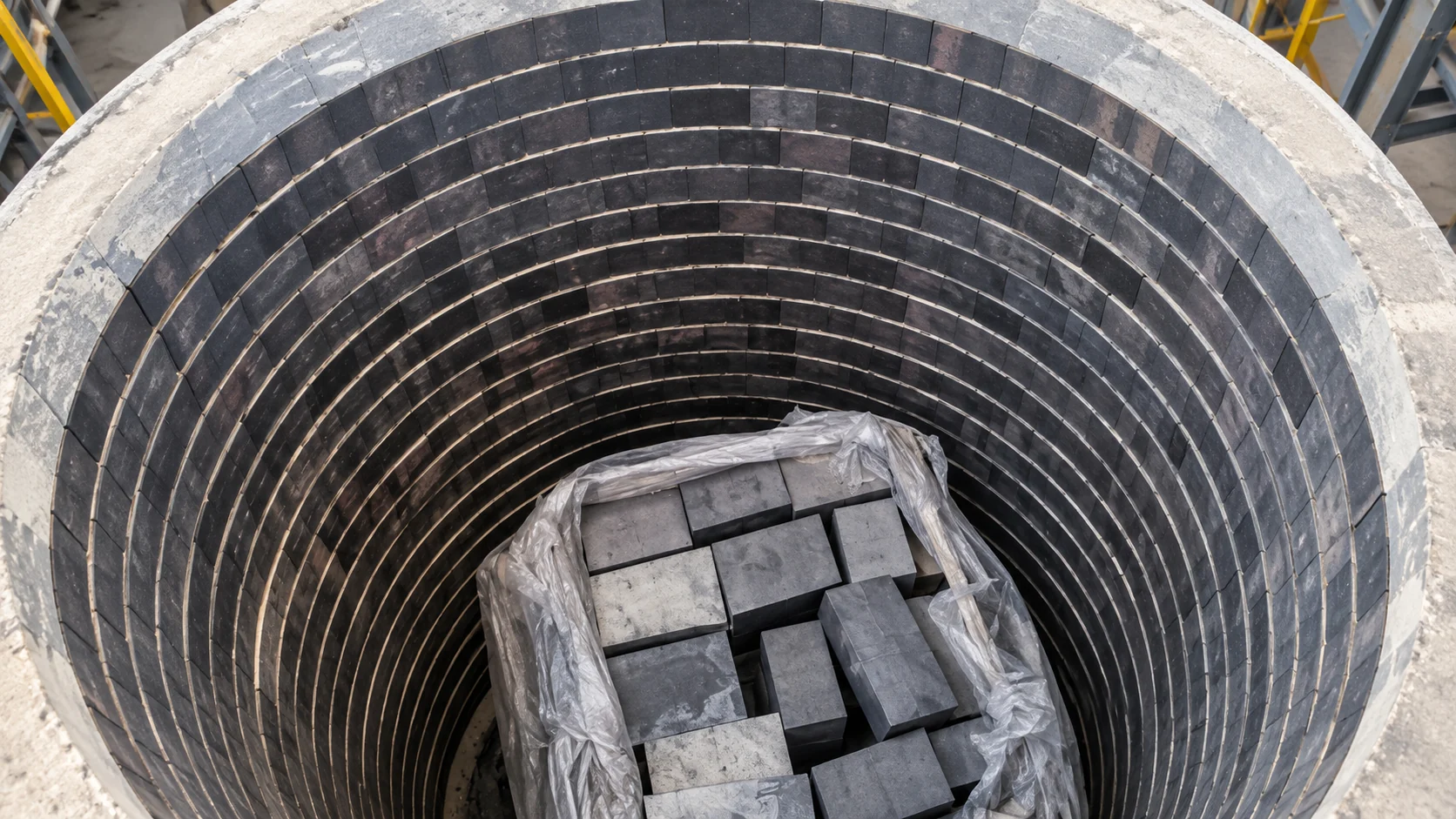
Joints are natural weak points. Slags and gases will penetrate where they find pathways, and thermal cycling will exploit poor bonding and uneven expansion. Even premium bricks can fail early if joints are inconsistent, mortar chemistry is incompatible, or application is rushed.
Mortar also influences lining geometry. Uneven joint thickness can create stress concentrations and misalignment, increasing the likelihood of cracking under thermal gradients and mechanical loads.
Mortar Types and What They Must Achieve
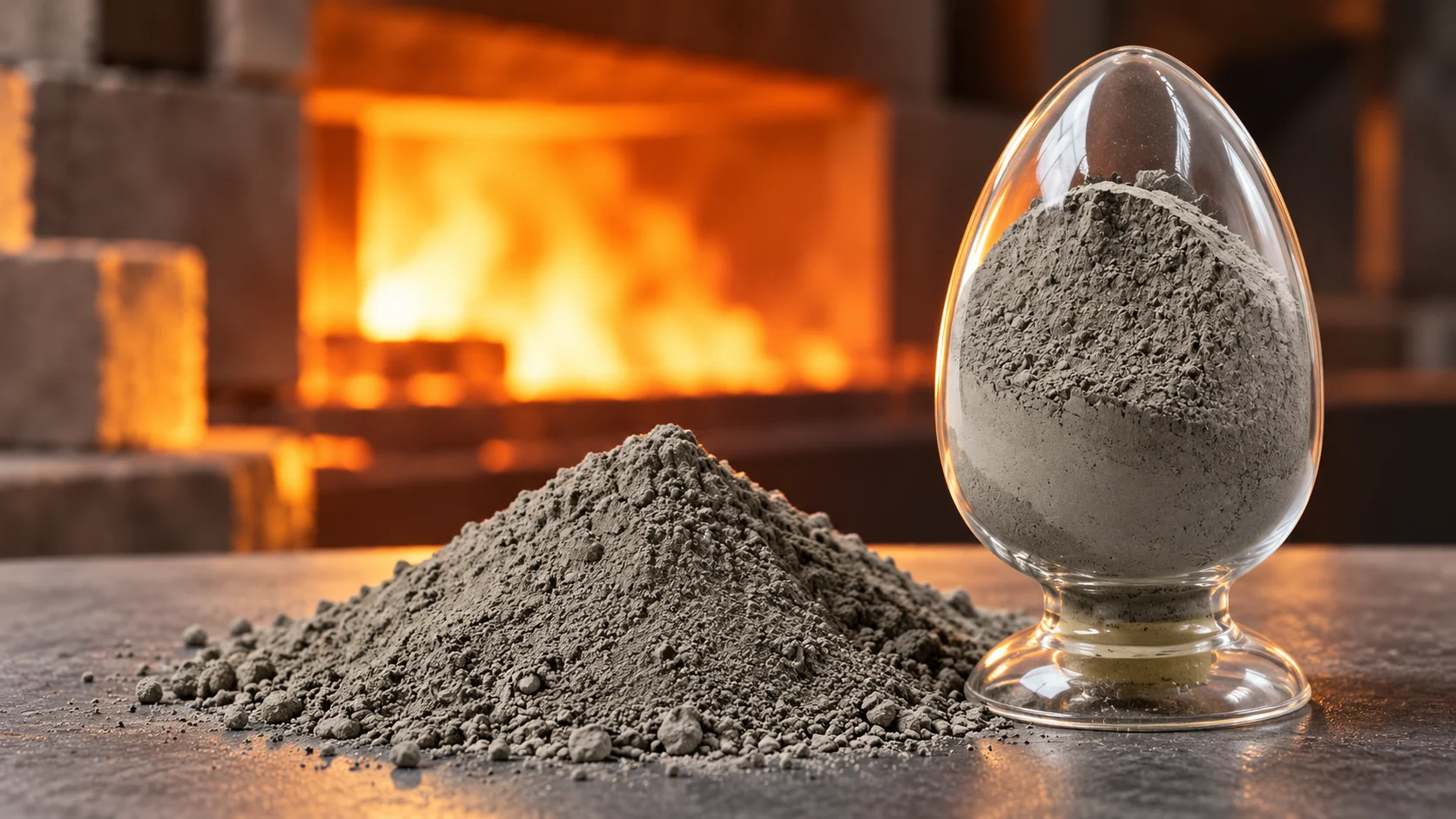
Refractory mortar must wet and bond to brick surfaces, develop sufficient green strength for installation stability, and maintain integrity at operating temperature. It must also be chemically compatible with the service environment. In basic slag conditions, mortar composition must resist infiltration and avoid forming weak, low-melting phases. In high-alumina systems, mortar should support stable bonding without increasing contamination risk or shrinkage stress.
A reliable mortar also supports sealing. Reduced permeability at joints lowers infiltration, helping maintain the lining’s corrosion resistance as a system—not just as individual bricks.
Joint Integrity Under Thermal Cycling
Thermal cycling creates repeated expansion and contraction. Mortar must tolerate movement without cracking away or pulverizing. If mortar becomes brittle or reacts unfavorably at temperature, joints open and infiltration accelerates. Proper expansion allowance in brickwork is part of joint design, but mortar choice and joint thickness control are equally important.
In cyclic operations—charge ladles, EAF-related vessels, certain kilns—mortar performance becomes a key determinant of stability.
Application Discipline: The Practical Difference
Mortar performance depends heavily on correct preparation and consistent application. Water content, mixing uniformity, working time control, and joint thickness discipline impact final results. Mortar that is too wet can shrink excessively and weaken joints; mortar that is too dry can fail to bond and create leakage paths.
Standardized application practices and training often produce immediate improvements in lining life—because joint problems are among the fastest ways to lose campaign performance.
Procurement and Quality Considerations
Mortar should be specified based on service temperature, brick type, slag chemistry, and installation method. Demand consistent batch quality and documentation, especially in critical zones. Because mortar is often treated as a “minor” item, it is sometimes sourced without the same discipline as bricks—yet the performance impact can be decisive.
In Middle East operations, storage conditions and moisture control matter. Packaging integrity helps preserve mortar consistency, ensuring predictable workability on site.
If you want stronger, more reliable brick linings with fewer joint-related failures, contact Pennekamp Middle East with your brick type, operating conditions, and installation approach. We can recommend refractory mortar solutions designed to secure bonding, improve sealing, and support stable high-temperature service life.