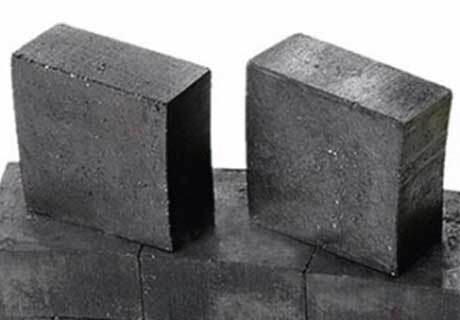
High alumina bricks remain a backbone solution for tough furnace conditions where abrasion, load, and high temperatures challenge ordinary linings. With the right alumina content and microstructural control, these bricks deliver reliable hot strength, corrosion resistance in many environments, and stable performance across long campaigns ,especially when specified by zone and wear mechanism.
What Defines a “High Alumina” Brick
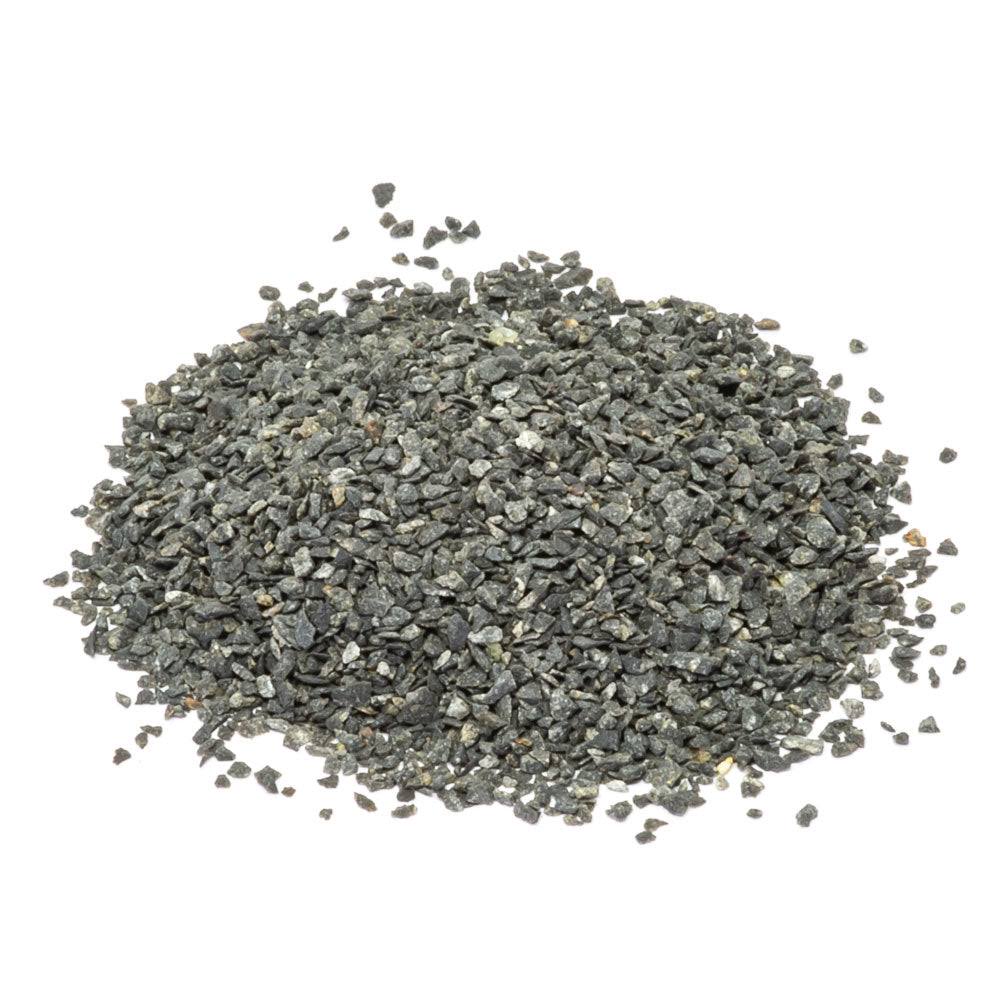
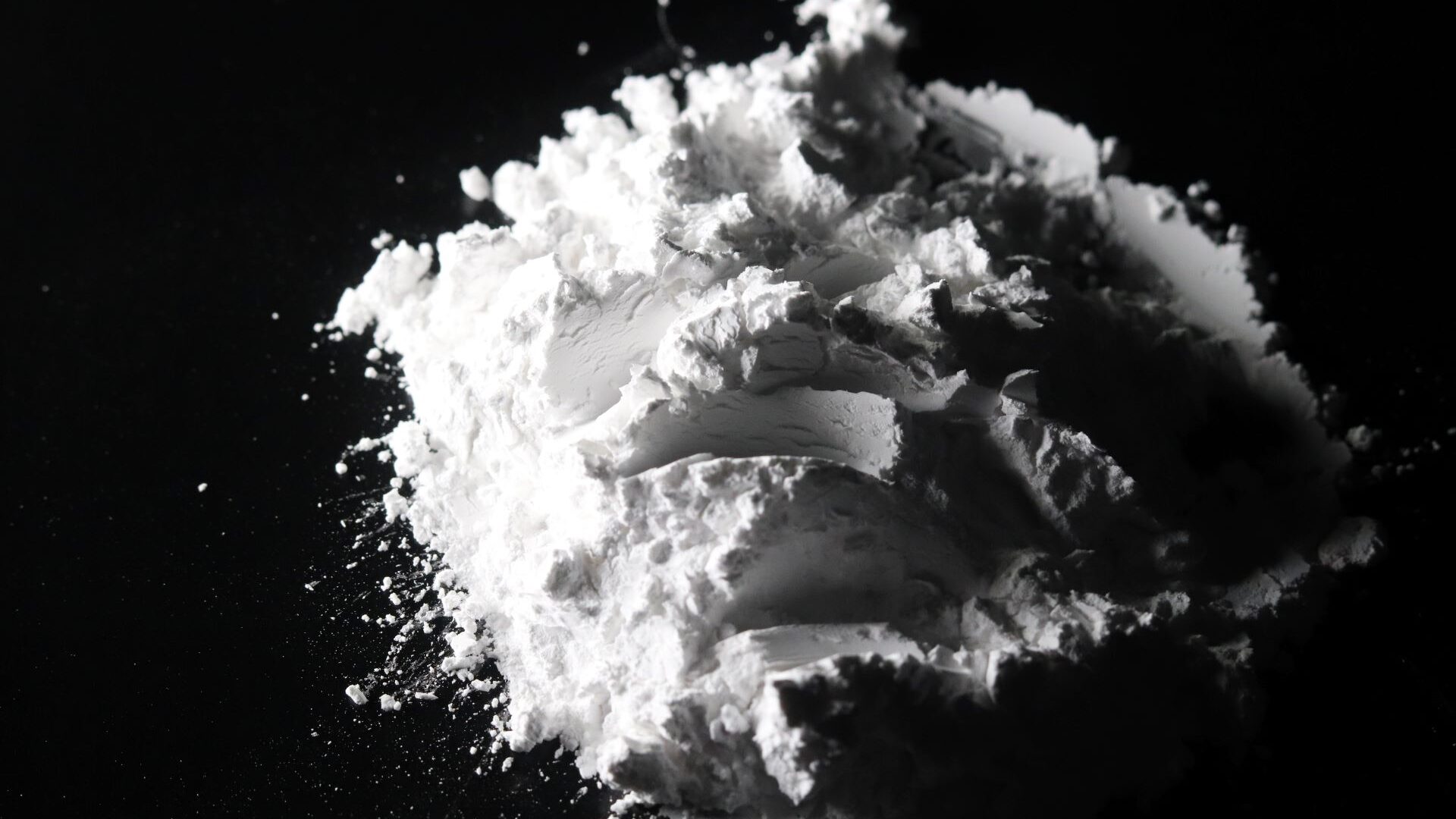
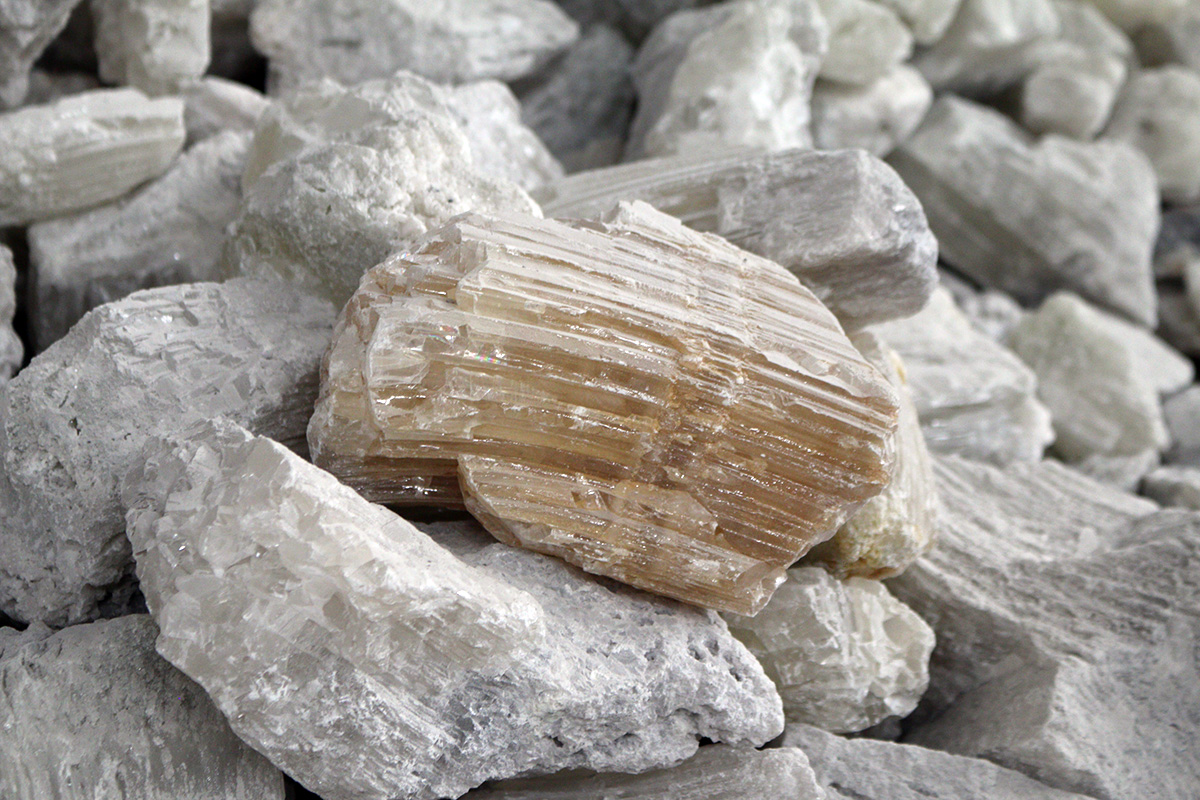
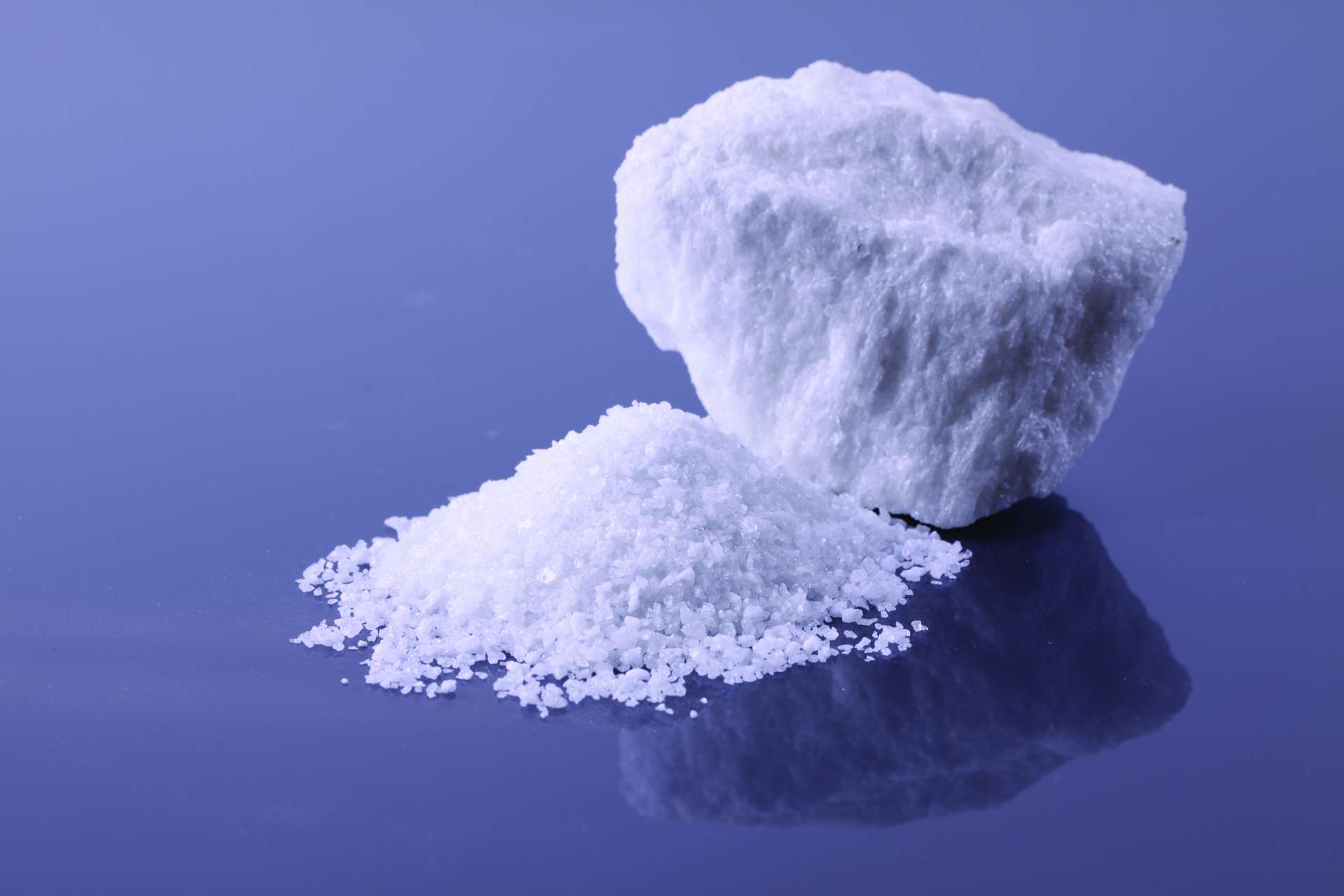
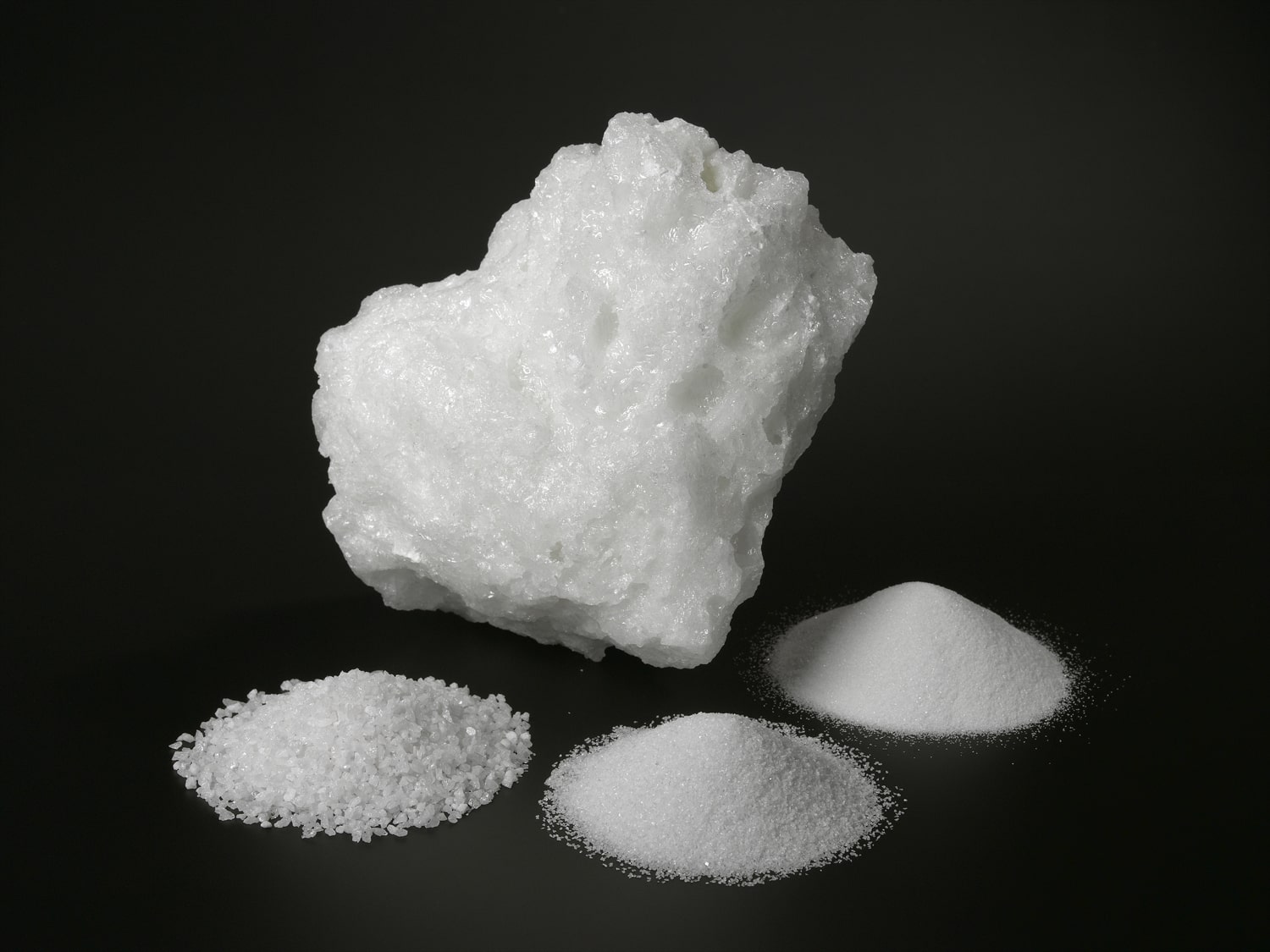
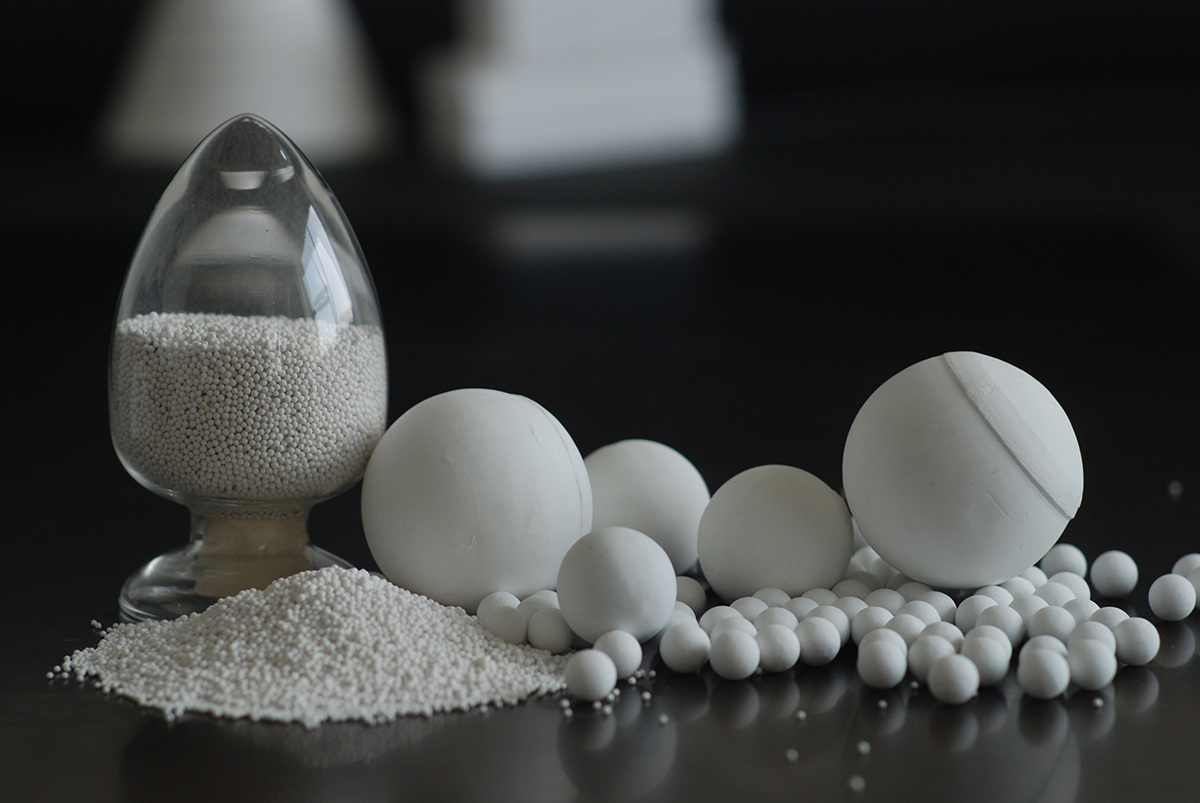
High alumina bricks are shaped refractories primarily based on Al₂O₃-bearing raw materials. As alumina content increases, refractoriness and hot strength generally improve, while resistance to many slags and high-temperature deformation becomes stronger. However, performance is not only a function of chemistry; it depends on mineral phases, density, porosity distribution, and firing control.
From a purchasing standpoint, a brick with similar alumina percentage can perform very differently depending on raw material quality and manufacturing discipline.
Why These Bricks Succeed in “Tough” Applications
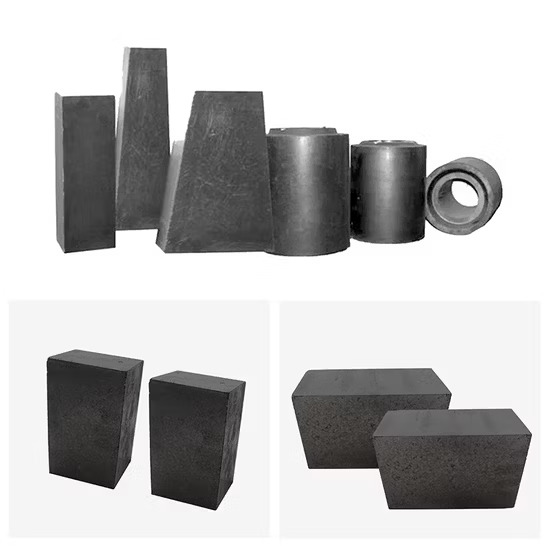
Tough furnaces usually combine multiple wear mechanisms. Abrasion removes the hot face; thermal cycling cracks the structure; chemical vapors or slags infiltrate and weaken bonds. High alumina bricks are often chosen because they can provide a stable balance of refractoriness, mechanical strength, and wear resistance ,especially where load-bearing or structural integrity is required.
They are commonly used where the lining must maintain geometry and resist deformation, not just survive temperature.
Key Performance Drivers: Density, Porosity, and Phase Stability
Density and porosity influence infiltration resistance. Lower open porosity typically reduces penetration of slags and dust-laden gases. Phase stability matters because some phases soften or react under service conditions, reducing hot strength.
Manufacturing control ,pressing, firing temperature, and firing time ,shapes the final structure. Under-fired bricks may be porous and weak; over-fired bricks may become overly brittle. The best solutions are those with controlled structure and consistent properties across batches.
Typical Industrial Uses
High alumina bricks are widely used in high-temperature furnaces across steel, cement, ceramics, and many thermal processing operations. They are relevant in zones where abrasion is high, where thermal load is intense, or where structural support is required.
In many plants, high alumina bricks also serve as a reliable “workhorse” material for sections where corrosion risk is moderate and mechanical reliability is the priority.
How to Select the Right Grade
Selection should start with the operating zone: peak temperature, thermal cycling frequency, abrasion level, and chemical exposure (dust, alkalis, slag, vapors). Then specify properties that directly address the wear mechanism: density and porosity for infiltration resistance, hot strength for load and stability, and proven track record for similar furnace duties.
Consistency should be treated as a specification requirement. If your furnace performance depends on predictable campaigns, you need stable supply and repeatable properties ,not occasional peaks and valleys in quality.
Storage and Handling
High alumina bricks should be stored in dry conditions with protected packaging. Physical damage during handling can create microcracks that reduce service life under thermal shock. Proper installation practices ,joints, mortars where relevant, and expansion allowances ,help preserve structural integrity during cycling.
For high alumina bricks tailored to your furnace zone and duty cycle, contact Pennekamp Middle East to discuss available grades and supply options for your operation.