In high-temperature industries, product consistency is not only driven by raw inputs and process control ,it depends on the stability of the refractory environment. Refractory solutions shape temperature uniformity, protect chemistry, and minimize contamination, helping plants maintain consistent quality in steel, cement, glass, and chemical processing where variation quickly becomes scrap, rework, or customer complaints.
Consistency Begins with a Stable Thermal Environment
Many quality problems start as thermal problems. Temperature gradients, hot spots, and fluctuating heat loss change reaction rates, viscosity, solidification behavior, and phase formation in the product. Refractories define the furnace’s thermal “geometry.” When a lining maintains its designed insulation and hot-face integrity, operators can control temperature with fewer corrections, leading to more repeatable outputs.
When refractories degrade ,opening porosity, cracking, or infiltrating ,heat transfer shifts. The process becomes harder to control, and quality variation increases even if the upstream raw materials are unchanged.
Chemical Compatibility and Controlled Reactions
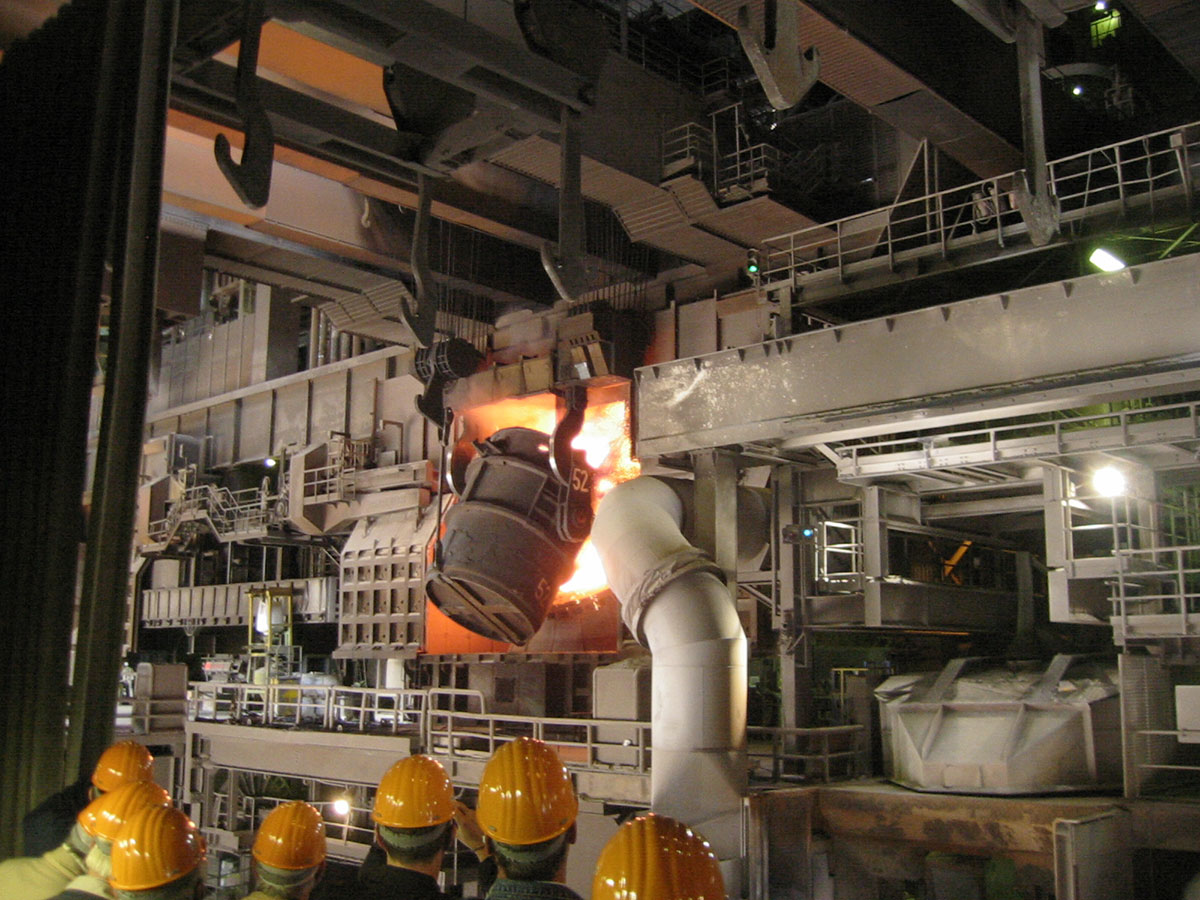
Refractories are part of the process chemistry. In steelmaking and casting, refractory erosion can generate inclusions or change slag behavior locally. In cement kilns, volatile cycles (alkalis, chlorides, sulfur) interact with linings and can destabilize coating behavior, creating swings that affect clinker quality. In glass, refractory reactions can influence defects and contamination risk.
A compatible refractory solution reduces unwanted reactions and helps the process chemistry behave predictably over time. That predictability is a direct driver of product consistency.
Reduced Contamination and Fewer Defect Pathways
Erosion is not only a maintenance issue ,it’s a quality issue. When the hot face erodes quickly, particles can enter the product stream or create surfaces that promote turbulence and entrainment. In continuous casting, flow stability depends on refractory components that hold geometry and resist wear. In chemical processing, lining reactions can introduce contaminants that alter product purity.
High-quality refractory solutions reduce contamination risk by resisting corrosion and by maintaining stable microstructure under the operating atmosphere and chemical exposure.
Campaign Predictability = Process Predictability
Consistency is easier when campaigns are predictable. A lining that fails unexpectedly forces emergency repairs, unstable start-ups, and transitional production that often deviates from target specifications. Planned campaigns allow controlled heat-up, stable operation, and disciplined quality control. That is why refractory strategy and quality strategy are linked.
For procurement, this means evaluating refractories using lifecycle performance: not only cost per ton, but variance reduction, fewer disruptions, and lower defect rates.
Installation Quality: The Overlooked Consistency Variable
Even the best materials can deliver inconsistent results if installation is inconsistent. Water addition in castables, vibration discipline, curing conditions, and heat-up ramps all influence porosity and crack formation, which then influence thermal and chemical behavior in service.
Plants that standardize installation practices typically see better product consistency because the refractory “platform” becomes stable and repeatable. Supplier support and documentation can make the difference, especially when shutdown windows are short.
Middle East Reality: High Throughput, Tight Schedules
In the Middle East, many plants operate with aggressive utilization targets. Quality issues and downtime carry immediate commercial impact. Refractory solutions that stabilize thermal behavior, reduce contamination, and support predictable maintenance contribute directly to product consistency ,and therefore to customer confidence and profitability.
If your plant is seeing quality variation linked to thermal instability, lining wear, or contamination indicators, contact Pennekamp Middle East with your process details and failure/defect patterns. We’ll recommend refractory raw materials and finished products designed to stabilize your process environment and support consistent, repeatable output.