White fused alumina (WFA) is a high-purity Al₂O₃ aggregate produced by electric arc fusion, valued for low impurity levels, strong refractoriness, and stable performance in demanding applications. For refractory manufacturers and end users, it offers a clean, consistent raw material base for high-performance bricks and monolithics where contamination risk and property stability matter.
What White Fused Alumina Is
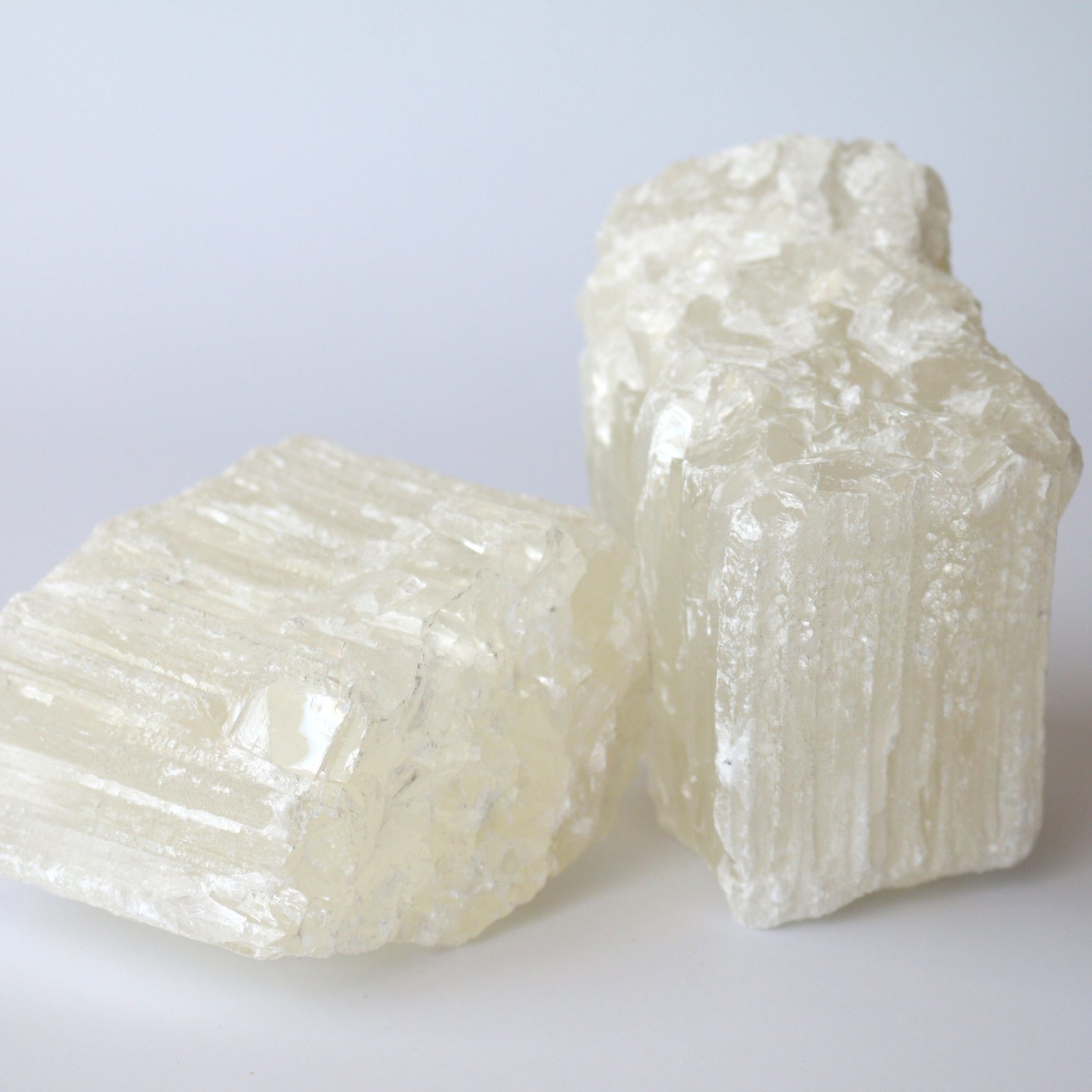
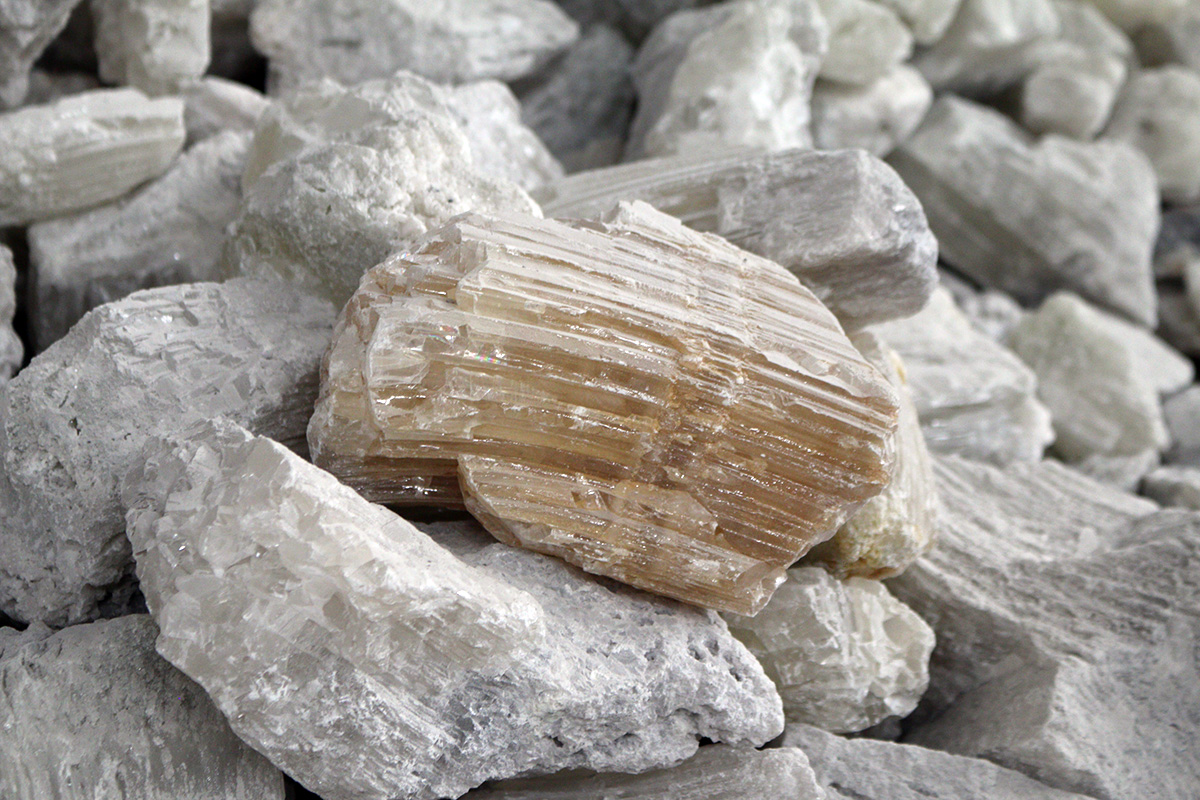
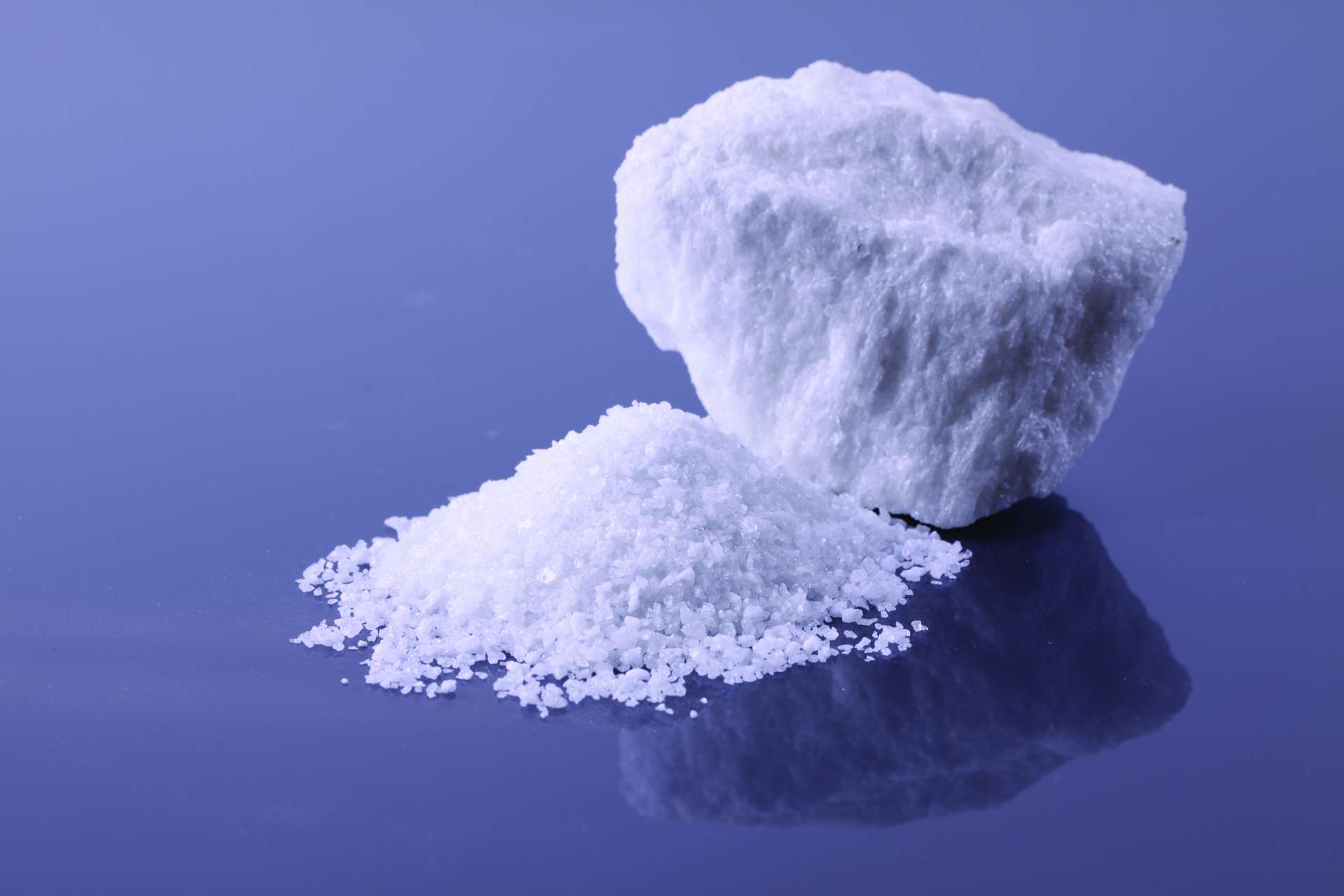
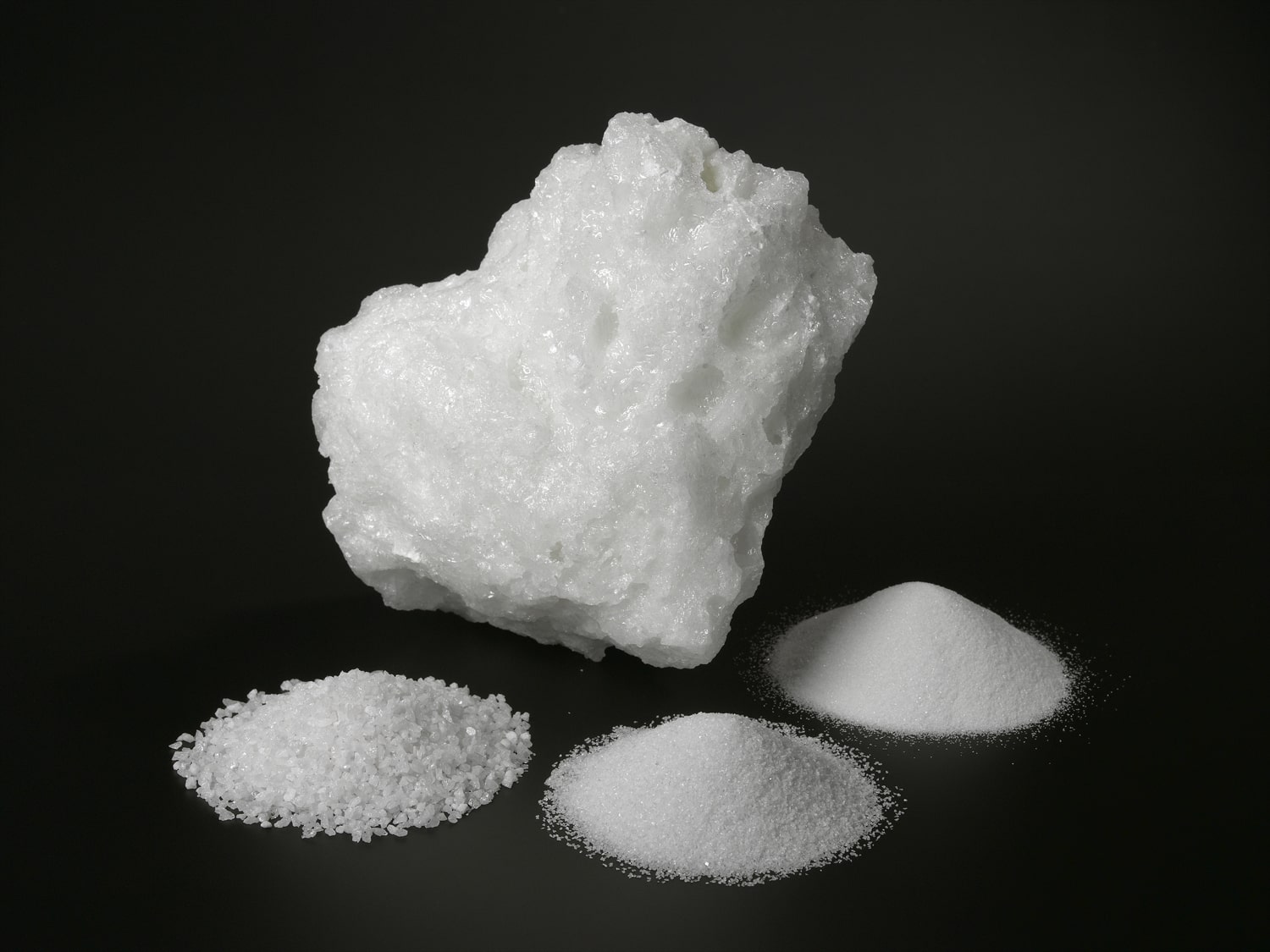
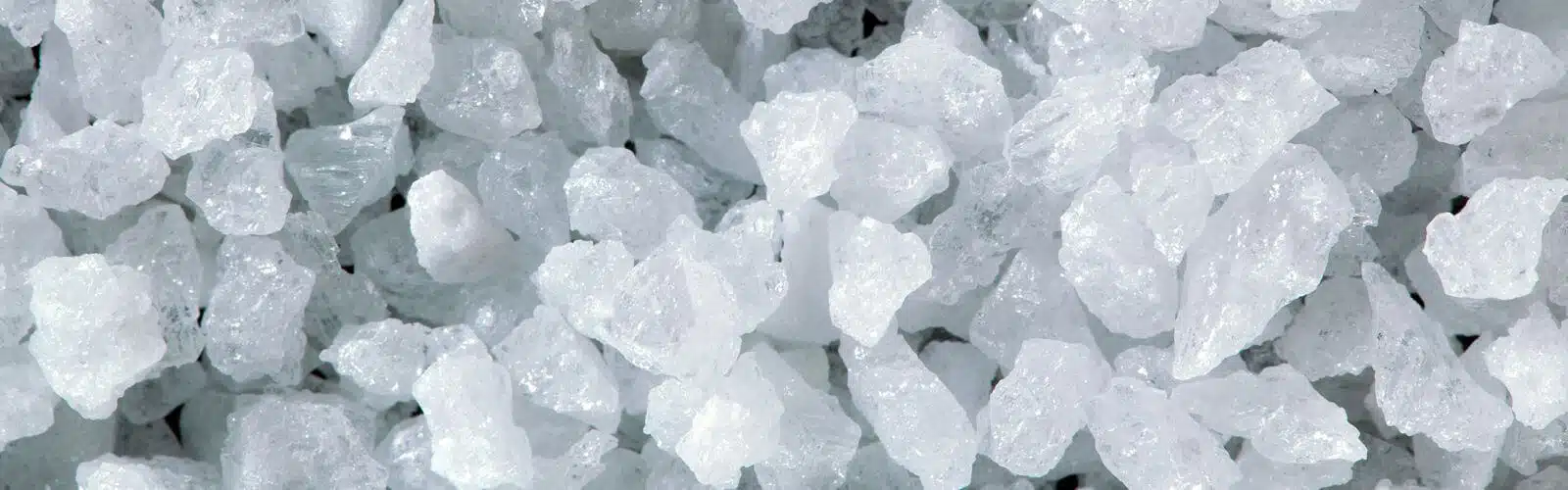
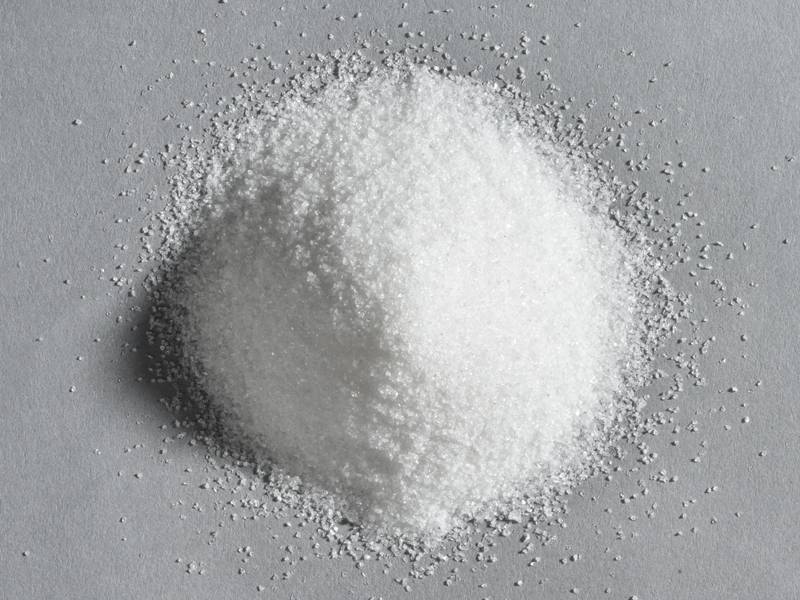
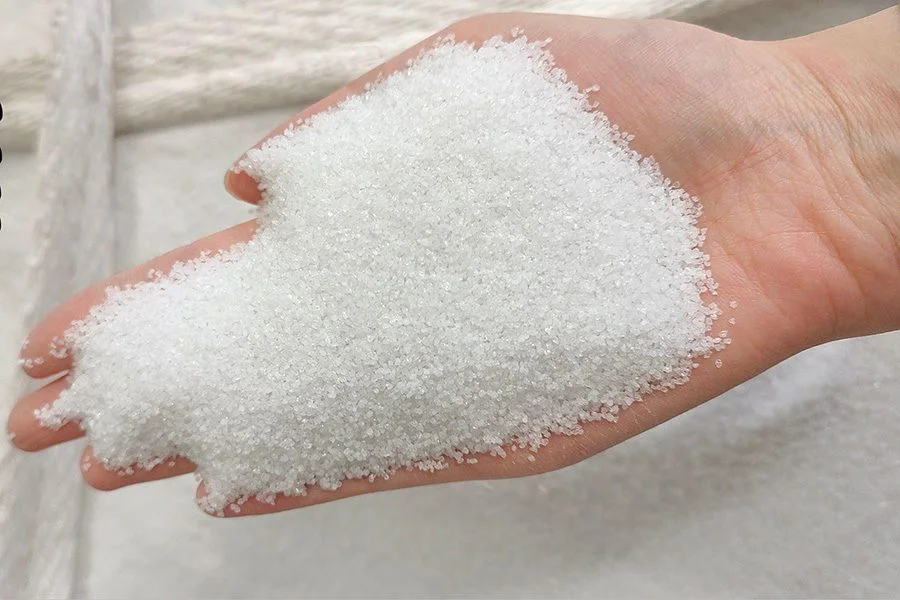
White fused alumina is produced by melting high-purity alumina in an electric arc furnace and then cooling it to form dense, crystalline blocks. Those blocks are crushed and classified into controlled particle sizes for refractory formulations. Compared with many calcined aluminas, WFA typically offers higher purity and a fused crystal structure that supports strong refractoriness and chemical stability.
In practical terms, WFA is selected when you want a refractory aggregate that is clean, stable at temperature, and less likely to introduce unwanted phases driven by impurities.
How It’s Produced and Why Fusion Changes Performance
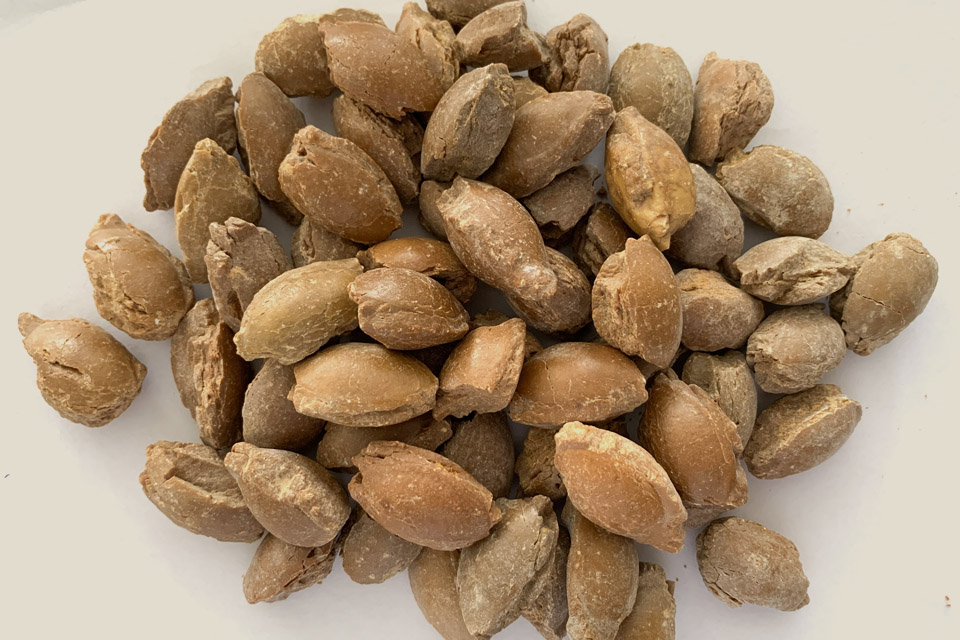
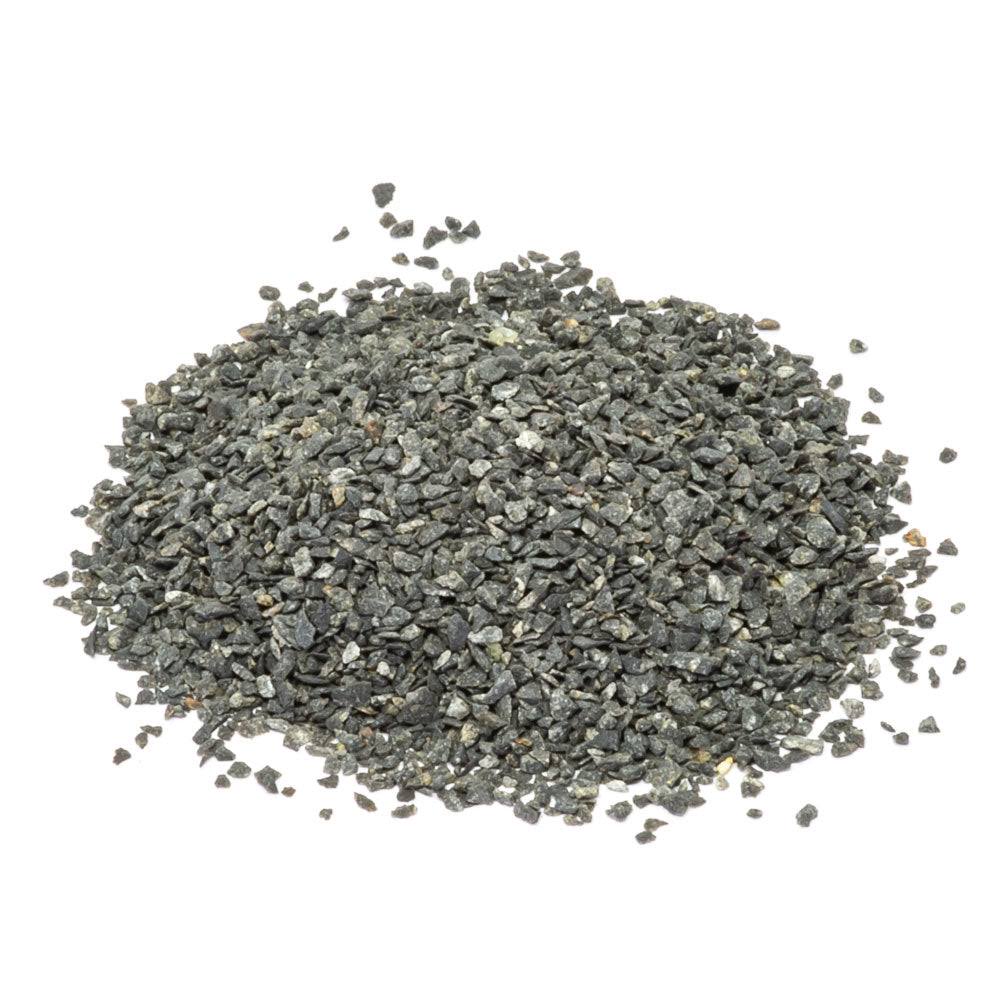
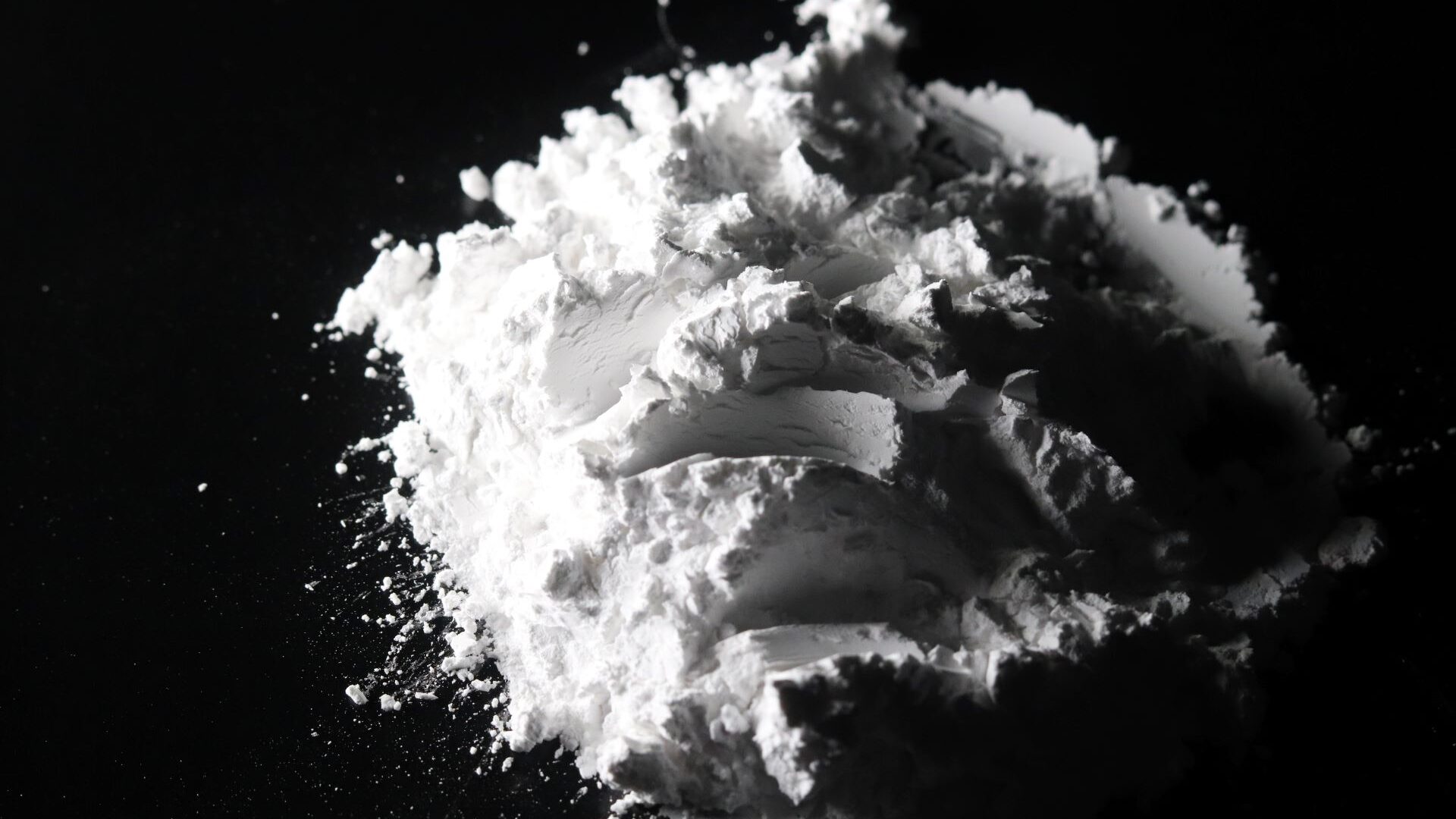
The fusion process is the defining characteristic. Electric arc melting creates a fully fused alumina structure, and the controlled solidification produces hard, dense crystals. After cooling, the material is processed into fractions suitable for bricks, castables, ramming mixes, and specialty refractories.
Quality control typically focuses on chemical purity (especially low alkalis and low contaminant oxides), sizing distribution, bulk density, and consistency across batches. Because WFA often targets premium applications, repeatability is a major buying criterion.
Key Properties and Typical Characteristics
WFA is known for high refractoriness, strong hardness, and chemical cleanliness. Its high Al₂O₃ content supports stability in high-temperature service. Low impurity levels reduce the likelihood of forming low-melting glassy phases that can weaken a refractory under load or accelerate corrosion.
Microstructurally, its fused nature often supports good wear resistance and stable behavior where abrasion is present. In many formulations, WFA also supports improved consistency in sintering and bonding behavior, helping manufacturers achieve predictable density and strength.
Performance Benefits in High-Temperature Operations
The major benefit is reliability. In harsh thermal environments, small chemical inconsistencies can produce large performance differences ,especially in precision-focused or contamination-sensitive processes. WFA helps reduce variability.
In service, WFA-based refractories can show strong resistance to abrasion and maintain integrity at high temperature. Depending on the system design, it can contribute to improved hot strength, stable thermal behavior, and reduced risk of property drift caused by impurity-driven liquid phase formation.
Major Industrial Applications
WFA is widely used in high-performance castables and bricks for applications where purity matters: specialty furnaces, heat treatment, certain petrochemical heater linings, wear-resistant zones, and refractory components where chemical stability is a priority.
It is also used where abrasion is a strong wear mechanism ,such as in ducts, cyclone areas, or high-dust environments ,because the material’s hardness and stability can support longer lining life when the overall formulation is well designed.
Selection Criteria and What to Ask When Sourcing
WFA should be specified beyond “white fused alumina” as a generic label. Key considerations include Al₂O₃ content, impurity limits (especially alkalis and oxides that can influence liquid phase formation), particle size distribution, and consistency of supply.
For manufacturing, sizing precision matters because it controls packing density and water demand in monolithics. For end users, documentation and traceability matter because WFA is often used in critical or premium zones where failures are costly.
In the Middle East, supply reliability and packaging integrity are especially important due to logistics and storage realities. Moisture protection and clean handling prevent contamination and preserve flowability in fine fractions.
Storage and Handling
Store WFA in dry, covered conditions and maintain segregation between sizes and grades. Protect packaging from humidity and contamination, especially for fines used in castables where small changes can affect water demand and installation behavior.
If you’re specifying white fused alumina for premium refractory performance ,or you want to compare grades for your formulations ,contact Pennekamp Middle East for available sizing, specifications, and technical support aligned with your application requirements.