Downtime in high-temperature industries is rarely caused by one factor, but refractory failures remain one of the most common triggers of unplanned stoppages. The right refractory solutions reduce downtime by making wear predictable, repairs faster, and performance stable ,so maintenance becomes a planned activity instead of an emergency response.
Downtime Starts with Unpredictable Wear
Most plants can tolerate wear. What they cannot tolerate is unpredictable wear: sudden spalling, rapid slag-line recession, infiltration-driven collapse, or lining instability after a minor process upset. These issues turn a normal maintenance schedule into an emergency shutdown, often at the worst possible time.
Refractory strategy reduces downtime when it focuses on predictable degradation patterns. That requires matching materials to actual wear mechanisms, not to generic specifications.
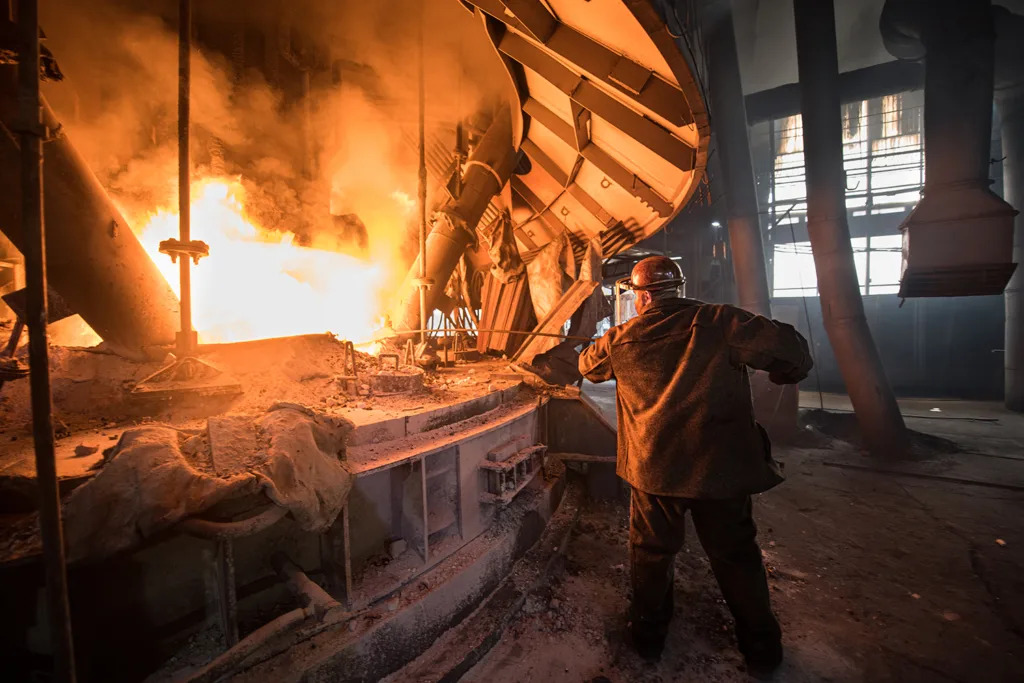
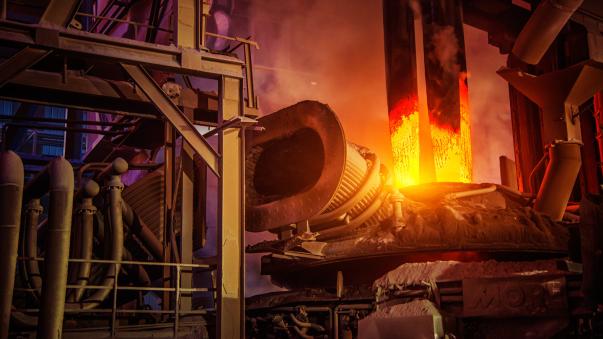
Steelworker at work near the arc furnace
Zone-Based Lining: The Foundation of Uptime
A furnace, ladle, or kiln does not “wear evenly.” Slag lines, impact zones, burner zones, transition areas, and outlets all experience different stress drivers. Zone-based refractory design places high-performance materials where they pay back and more economical materials where conditions are less severe.
This approach reduces premature failures in critical zones without inflating costs across the entire lining. It also makes inspections and repairs more straightforward because wear patterns become repeatable.
Faster Repairs Through Better Product Choices
Reducing downtime is not only about lifespan; it’s also about repairability. Gunning mixes, ramming mixes, and fast-setting castables can enable quick interventions that restore safety margins without a full relining. Precast shapes can improve installation consistency and reduce on-site variability, which often causes early-life failures.
The key is selecting repair solutions that bond reliably, densify properly, and match the chemical environment. A repair that falls off after a few heats increases downtime rather than reducing it.
Installation Discipline and Consistency
Many “material failures” are actually installation failures: wrong water addition, poor vibration, rushed curing, or incorrect heat-up. Refractory solutions that reduce downtime must be practical for the plant’s installation realities. That means clear application windows, predictable setting behavior, and technical support that aligns with how maintenance crews work under pressure.
Quality consistency from the supplier is equally important. A plant cannot build predictable downtime reduction on inconsistent batches.
Data-Driven Maintenance Planning
Modern uptime strategies connect refractory selection to measurable outcomes: campaign life, hot spot frequency, repair intervals, and time-to-reline. Plants that track failure modes and correlate them with operating conditions make better refractory decisions over time ,especially in high-throughput environments.
Suppliers who can interpret these patterns and propose adjustments deliver value beyond product supply.
Middle East Operations: Downtime Is a Commercial Risk
In the Middle East, downtime often has direct commercial consequences ,missed deliveries, lost production windows, and higher restart costs. Reliable refractory logistics, protected packaging, and responsive technical service become part of downtime reduction.
If your operation is dealing with unexpected refractory failures or frequent emergency repairs, contact Pennekamp Middle East with your equipment type, process conditions, and failure history. We’ll recommend refractory raw materials and finished products that support predictable wear, faster repairs, and fewer unplanned stoppages.