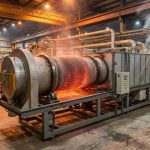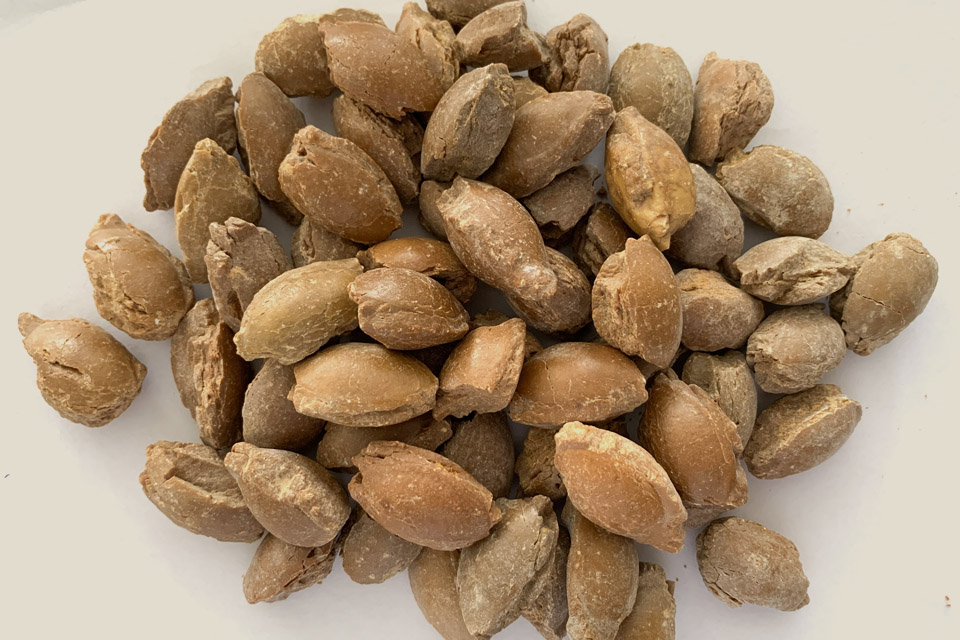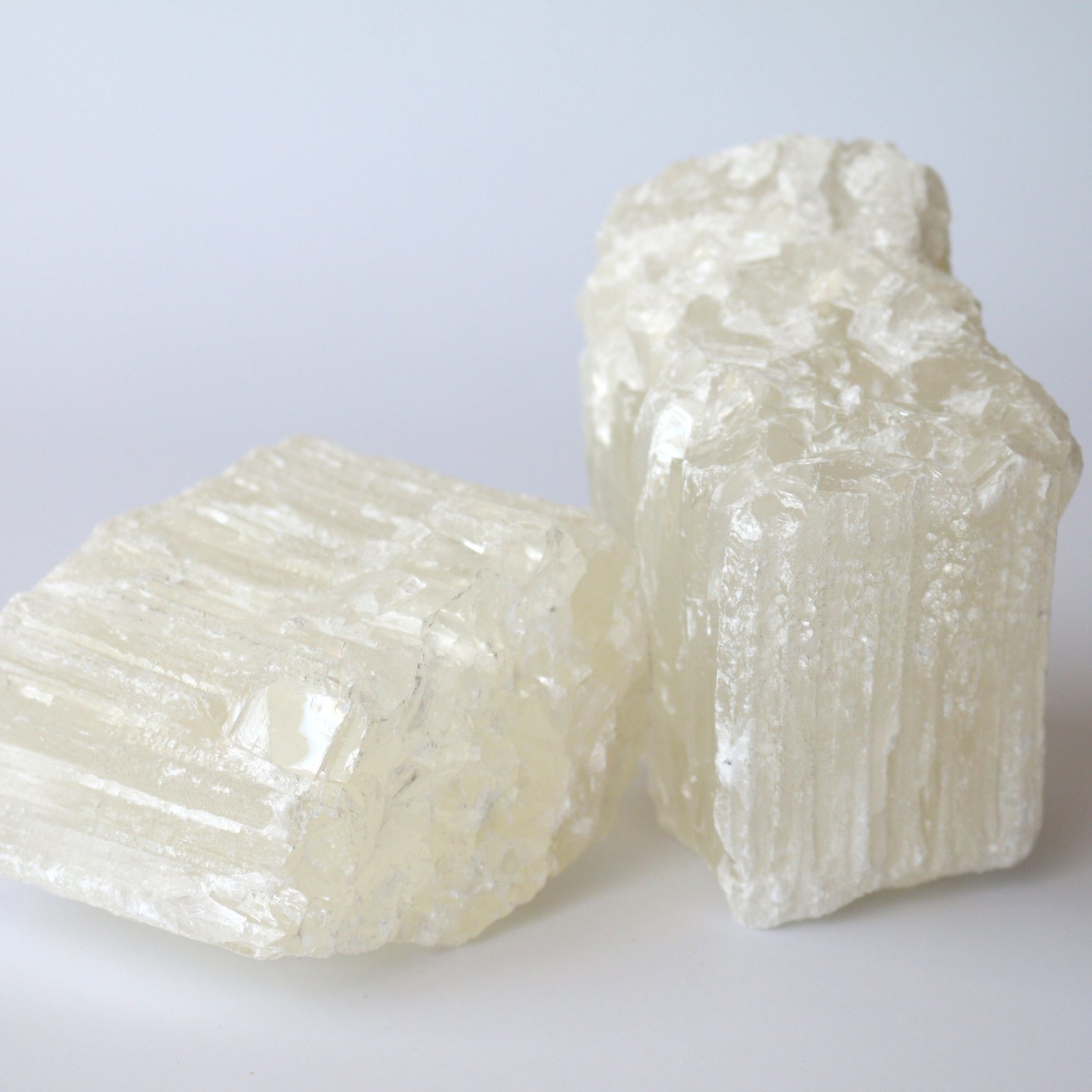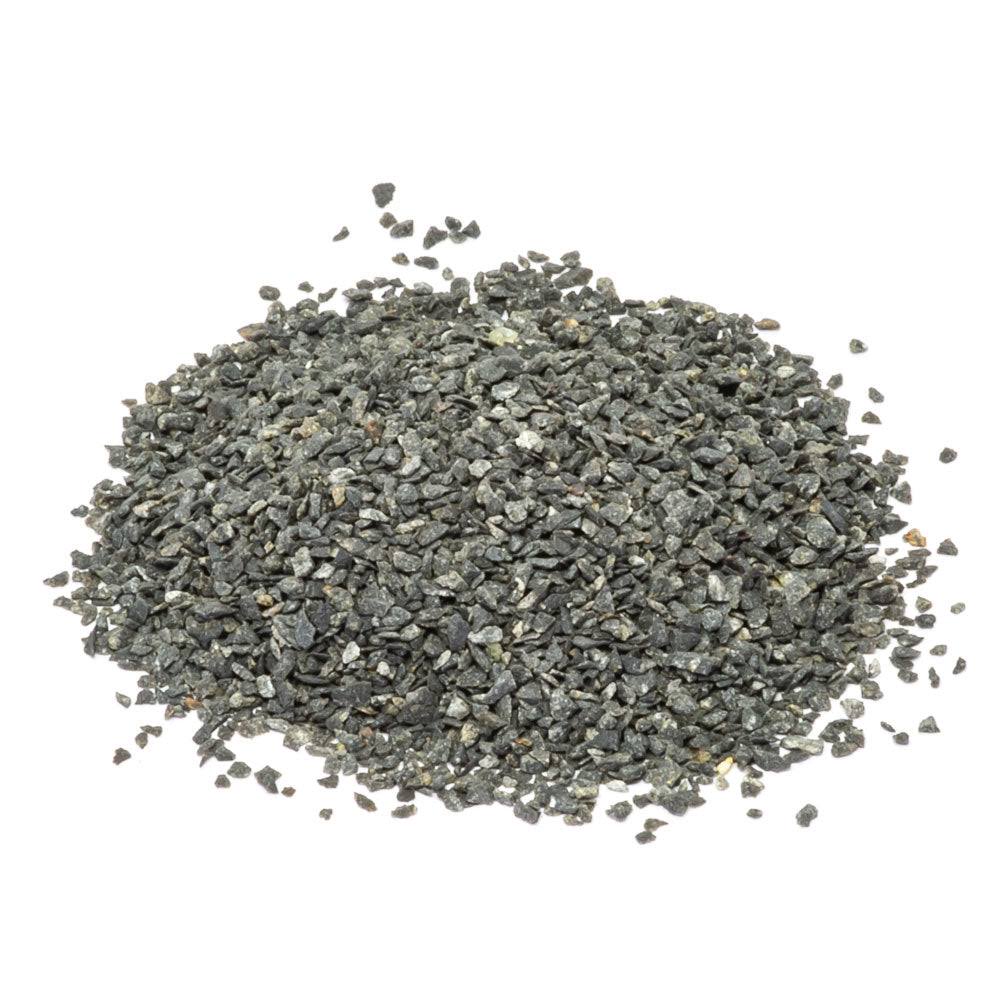
In steel, cement, glass, and non-ferrous production, equipment lifespan is rarely limited by the steel shell or mechanical frame alone ,it’s limited by how well the internal refractory system protects the asset from heat, corrosion, abrasion, and thermal cycling. The right refractory products can turn frequent repairs into predictable campaigns, reduce structural fatigue, and keep critical equipment productive for years longer.
Why Refractories Decide the “Real” Lifespan of Equipment
High-temperature equipment fails in familiar ways: hot spots damage shells, corrosion eats away hot-face layers, thermal cycling drives spalling, and infiltration creates hidden weakness that shows up as sudden collapse. Refractories are the protective barrier that absorbs these stresses so the vessel, kiln, or furnace structure doesn’t have to.
When a lining is under-specified ,or inconsistent in quality ,the equipment experiences higher heat flux, stronger gradients, and more frequent thermal shocks. Over time, that shortens the life of steel shells, anchors, cooling panels, and structural supports. Extending equipment life is therefore not only a maintenance objective; it’s an asset protection strategy.
Heat Management and Shell Protection
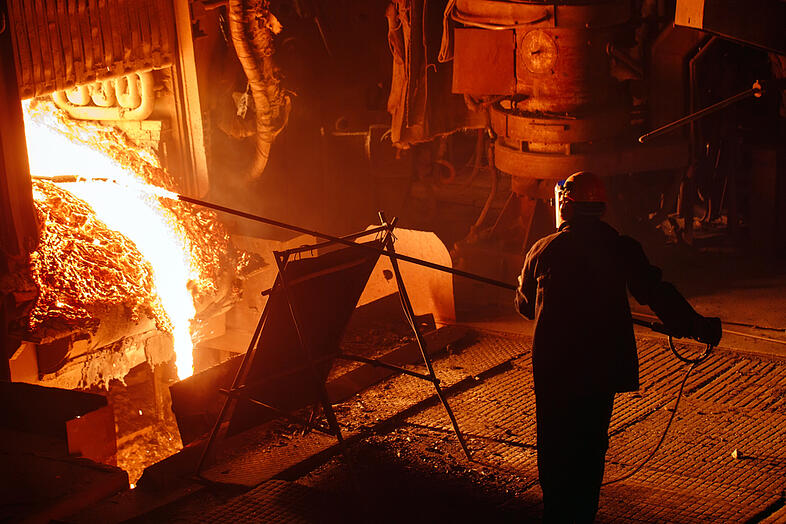
One of the most direct ways refractories extend lifespan is by controlling heat flow. Proper hot-face materials resist chemical attack, while backup and insulating layers reduce heat transfer to the shell. Stable insulation performance lowers shell temperature and reduces thermal fatigue ,especially in cyclic operations like EAFs, ladles, and intermittently fired kilns.
Even small reductions in sustained shell temperature can translate into meaningful reductions in mechanical distortion, cracking risk, and weld stress accumulation over time.
Corrosion, Infiltration, and “Invisible” Damage
Many equipment failures are not dramatic; they are gradual. Slag and metal infiltration through open pores or microcracks can change lining structure internally, weakening the system even if the surface looks acceptable. Once infiltration reaches backup layers or interfaces, erosion accelerates and safety margins shrink quickly.
High-quality refractory products ,selected for the actual slag environment and installed to achieve target density ,slow down infiltration and keep wear predictable. That predictability is what allows planned maintenance, rather than emergency shutdowns.
Abrasion and Mechanical Wear in Real Production
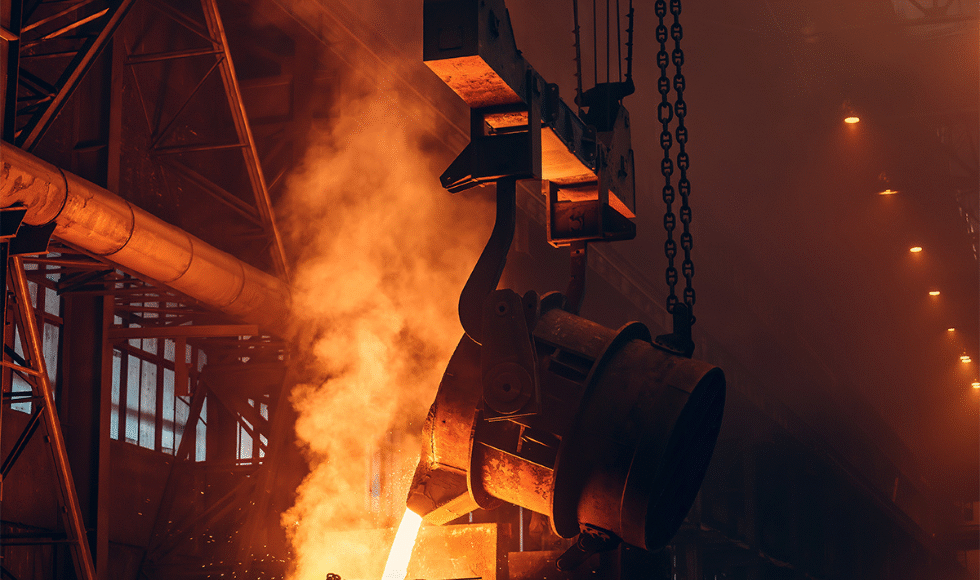
Kiln feed, dust, and clinker movement abrade linings. In steel, stirring, tapping, and material impact create localized high-wear zones. If a refractory is not designed for abrasion resistance in those areas, the wear pattern can expose steel shells and create concentrated hot spots. In turn, the equipment experiences uneven thermal loading and structural stress.
The most effective approach is zone-based specification: use the right refractory product in the right place, rather than forcing a single “general purpose” material across the entire unit.
Procurement View: Lifespan Is a Total Cost Metric
Asset lifespan is where procurement decisions echo the longest. A lining that looks cheaper per ton may cost more per year if it increases shutdown frequency, causes shell repairs, or drives premature replacement of expensive components. Engineers and procurement managers benefit from evaluating refractories using lifecycle logic: campaign length, repair time, risk reduction, and equipment protection ,not only unit price.
Consistency also matters. A plant can build a strong maintenance program around predictable products; inconsistent batches destroy planning and drive reactive spending.
Middle East Considerations: Reliability Under Tight Schedules
In the Middle East, production schedules and maintenance windows are often tightly managed. That makes refractory reliability an operational priority. Packaging integrity, stable supply, and application-focused technical support are part of “equipment protection,” because delays and rushed installation increase the chance of early failure.
If you want to reduce hot spots, extend campaign life, and protect critical equipment for the long term, contact Pennekamp Middle East with your unit type, operating temperatures, and current lining failure pattern. Our team can recommend refractory raw materials and finished products designed to improve predictability and extend equipment lifespan.