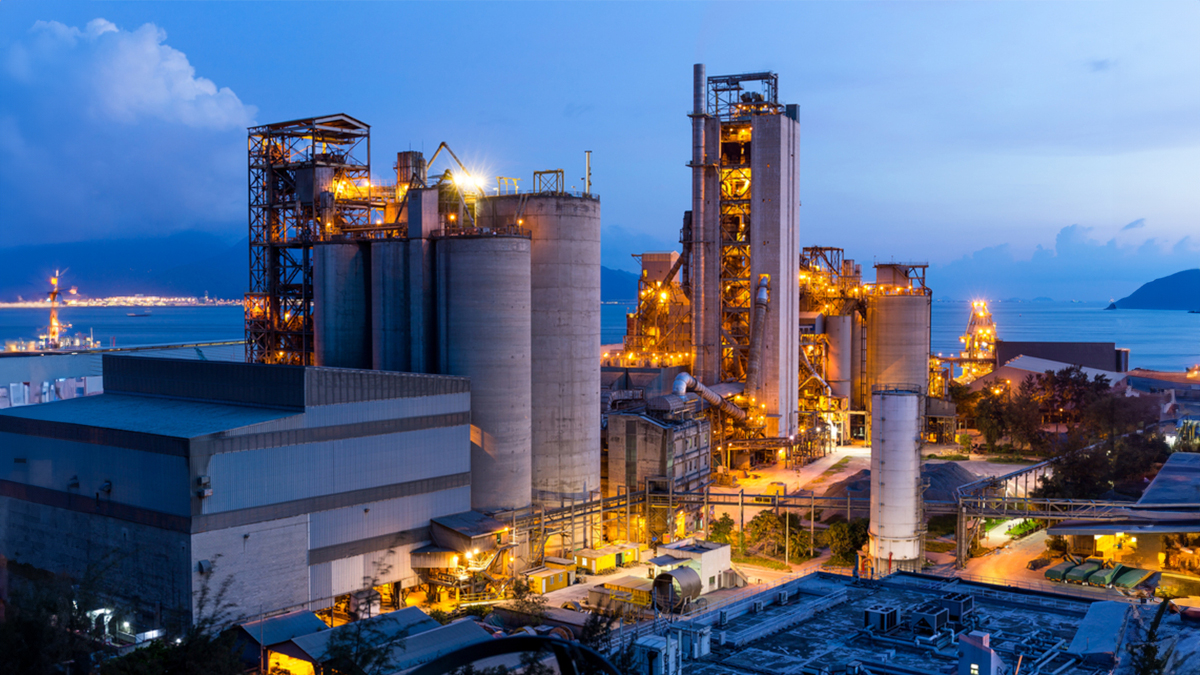
The global cement industry is at the forefront of a major industrial transformation, driven by a commitment to reduce its carbon footprint and enhance environmental stewardship. Two of the most powerful levers for achieving these goals are improving energy efficiency and increasing the use of alternative fuels. The success of both of these initiatives, however, is fundamentally dependent on the performance and durability of the refractory linings inside the cement kiln.
Modern refractory solutions are no longer just passive components; they are active enablers of sustainability, engineered to perform in the increasingly complex and aggressive chemical environments created by greener manufacturing processes.
The Challenge of Alternative Fuels and Co-processing
A key strategy for reducing reliance on fossil fuels is co-processing, which involves using waste materials such as biomass, tires, solvents, and municipal waste as fuel. While this is highly beneficial from a carbon-reduction and circular-economy standpoint, it creates a severe challenge for the kiln’s refractory lining.
Alternative fuels introduce a highly variable and aggressive chemical cocktail into the kiln system. This often includes higher concentrations of damaging volatile compounds like chlorine, sulfur, and alkalis. These agents can infiltrate the refractory brick, reacting with its mineral components to cause rapid degradation, buildup formation, and premature failure of the lining.
The Refractory Solution: Designing for Chemical Resistance
To counter this chemical assault, the refractory industry has developed advanced solutions specifically for kilns that use high rates of alternative fuels.
- Advanced Basic Bricks: High-purity, dense magnesia-spinel bricks are increasingly used in the burning zone. Their stable chemistry offers superior resistance to the alkali salt melts and sulfatic atmospheres created by co-processing.
- Silicon Carbide (SiC) Enhanced Bricks: For the kiln areas most susceptible to alkali and chloride attack, refractories incorporating silicon carbide are a powerful solution. The SiC helps to form a protective, glassy layer on the brick surface that seals pores and prevents the infiltration of corrosive vapors.
Enhancing Energy Efficiency Through Advanced Linings
Beyond enabling the use of greener fuels, refractory selection plays a direct role in a plant’s energy consumption.
- Improved Insulation: Modern kiln lining designs often feature a multi-layer approach, incorporating high-performance insulating materials behind the primary hot-face bricks. This strategy minimizes the amount of heat lost through the kiln shell, which directly reduces the fuel needed to produce each ton of clinker and lowers overall energy consumption.
- Increased Campaign Life: A more durable refractory lining that can withstand the rigors of co-processing leads to longer campaign lives and fewer stops for relining. Each time a kiln is stopped and restarted, it consumes a massive amount of energy, so maximizing uptime is a key sustainability lever.
The choice of refractory lining is no longer just a maintenance decision; it is a core strategic decision that directly impacts a cement plant’s ability to achieve its sustainability targets.
Your Partner in Sustainable Cement Production
At Pennekamp Middle East, we understand the unique challenges of modern cement manufacturing. We offer a comprehensive portfolio of advanced refractory solutions designed to provide exceptional durability in alternative fuel environments and enhance thermal efficiency.
Contact us today to learn how our expertise can help you optimize your kiln lining for a more sustainable and profitable operation.