The global industrial landscape is undergoing a fundamental shift towards a circular economy—a system designed to eliminate waste and keep materials in use for as long as possible. This transition relies heavily on our ability to effectively recycle and recover value from used products and waste streams. At the heart of nearly every one of these recycling and recovery processes is a high-temperature furnace, and at the heart of every furnace is a durable refractory lining.
Far from being just a consumable in a linear economy, refractory products are a critical enabling technology, providing the heat containment necessary to make large-scale recycling a reality.
Enabling the Recycling of Essential Metals
The recycling of metals is a cornerstone of the circular economy, and it is entirely dependent on refractory-lined furnaces.
- Circular Steel Production: The Electric Arc Furnace (EAF) is the primary engine of steel recycling. EAFs melt down steel scrap to produce new steel, a process that consumes significantly less energy and resources than producing steel from virgin iron ore. These furnaces operate at extreme temperatures and rely on high-performance magnesia-carbon refractory bricks to contain the violent process.
- Aluminum and Copper Recycling: Similarly, the furnaces used to melt down and recycle aluminum cans, copper wires, and other non-ferrous scrap are lined with specialized refractories designed to resist corrosion from the molten metals and their impurities.
Enabling Waste-to-Energy and Advanced Recovery
Refractories are essential for transforming what was once considered waste into valuable resources.
- Waste-to-Energy (WtE): Modern incinerators that convert municipal or industrial waste into heat and power operate at high temperatures. Their refractory linings must withstand a highly aggressive and variable chemical environment, including attacks from chlorides, alkalis, and heavy metals. Advanced materials, such as silicon carbide-based refractories, are crucial for making these WtE facilities viable.
- Advanced Recycling: Emerging technologies for chemically recycling plastics or vitrifying hazardous waste also rely on high-temperature reactors lined with specialized refractories capable of handling complex and corrosive materials.
Circularity Within the Refractory Industry Itself
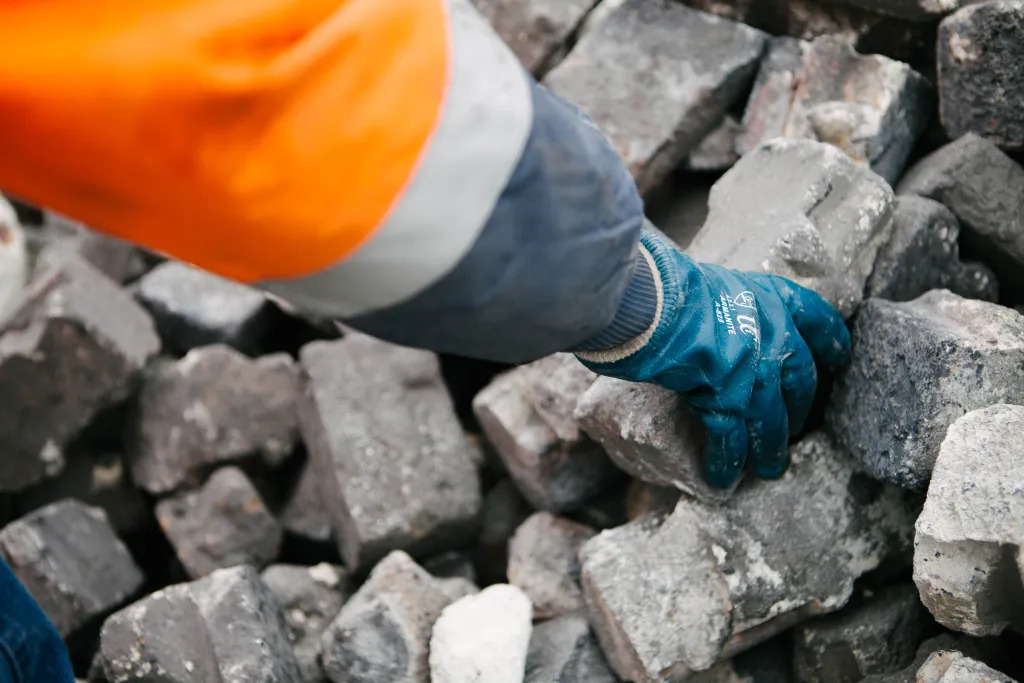
The refractory industry is also embracing circular principles. The practice of recycling spent refractories is a growing trend. After a furnace lining is dismantled, the used bricks can be sorted, crushed, and processed. This recycled material can then be used as a high-quality raw material in the production of new refractory products, reducing the demand for virgin mineral extraction and diverting tons of material from landfills.
The development of more durable, longer-lasting refractory products is in itself a key contribution to sustainability, as it reduces the overall consumption and disposal of materials over time.
Your Partner for Sustainable Industrial Solutions
At Pennekamp Middle East, we are proud to support the growth of the circular economy by providing the durable and specialized refractory solutions that recycling and recovery industries depend on. We are committed to delivering products that offer longer service life and support sustainable manufacturing practices.
Contact us to learn how our refractory products can enhance the efficiency and reliability of your circular processing operations.