Controlled cooling is a critical step in refractory manufacturing that directly affects material structure, mechanical strength, and long-term performance in high-temperature applications.
In refractory manufacturing, the cooling stage is just as important as raw material selection and firing temperature. During cooling, refractory materials undergo significant structural transformations that determine final properties such as porosity, grain bonding, phase stability, and resistance to thermal shock. If cooling is rushed or uneven, internal stresses can develop within the material, leading to microcracks that may not be visible initially but can cause premature failure during service.
Carefully controlled cooling allows mineral phases to stabilize gradually. This process supports uniform grain growth and strong bonding between particles, resulting in a more mechanically stable structure. Controlled cooling also minimizes differential contraction between phases, which is a common source of internal stress in refractory products exposed to extreme temperature variations during operation.
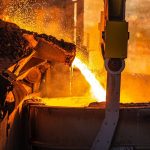
Another key benefit of controlled cooling is improved thermal shock resistance. Refractories that cool in a regulated manner are better able to withstand rapid heating and cooling cycles in service, especially in applications such as steel furnaces, ladles, and rotary kilns. This directly contributes to longer service life and more predictable performance.
Manufacturers that prioritize controlled cooling consistently deliver refractory products with stable properties and repeatable results. For end users, this translates into reduced maintenance frequency, fewer unexpected failures, and greater confidence in lining performance under demanding conditions.
Pennekamp Middle East supplies refractory materials manufactured under strict quality control standards. Contact us for dependable solutions designed for consistent performance.