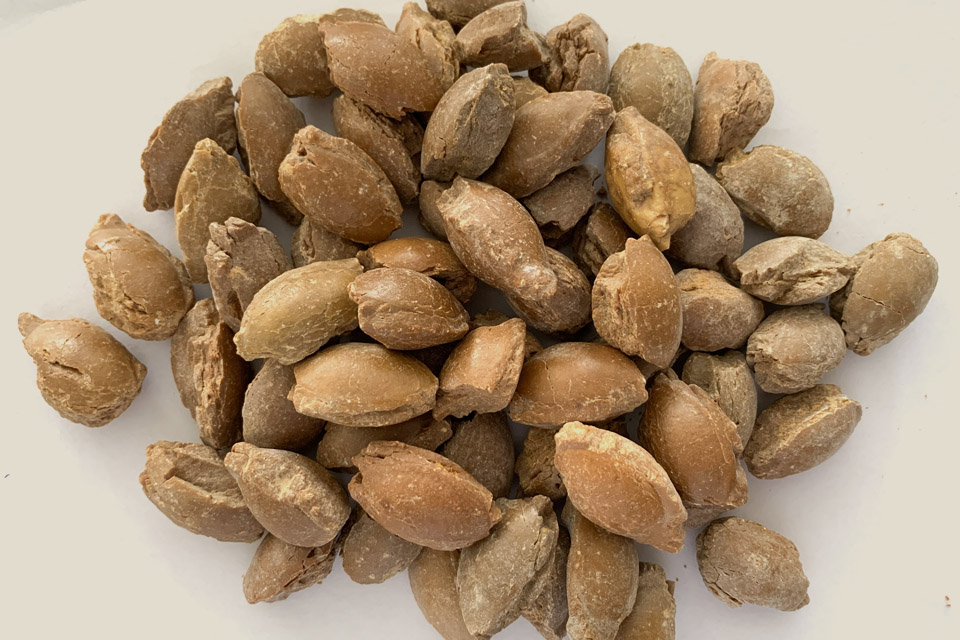
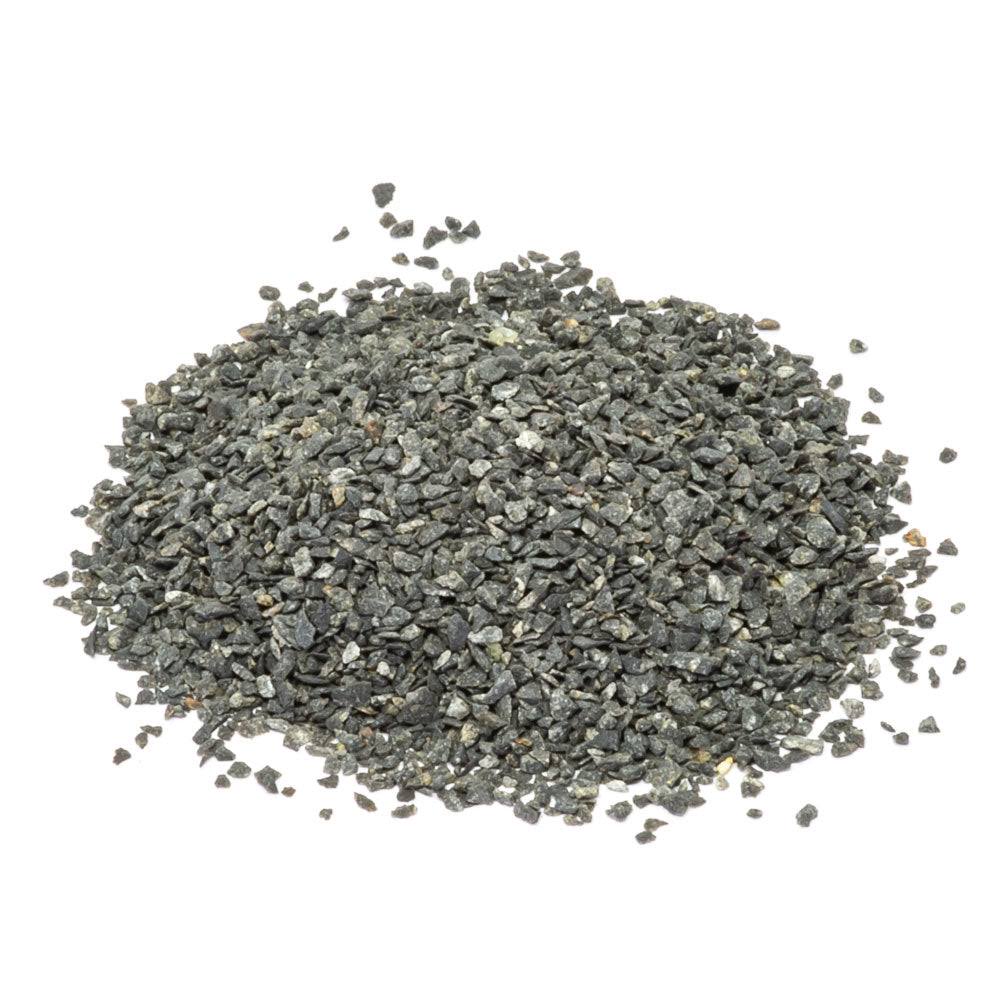
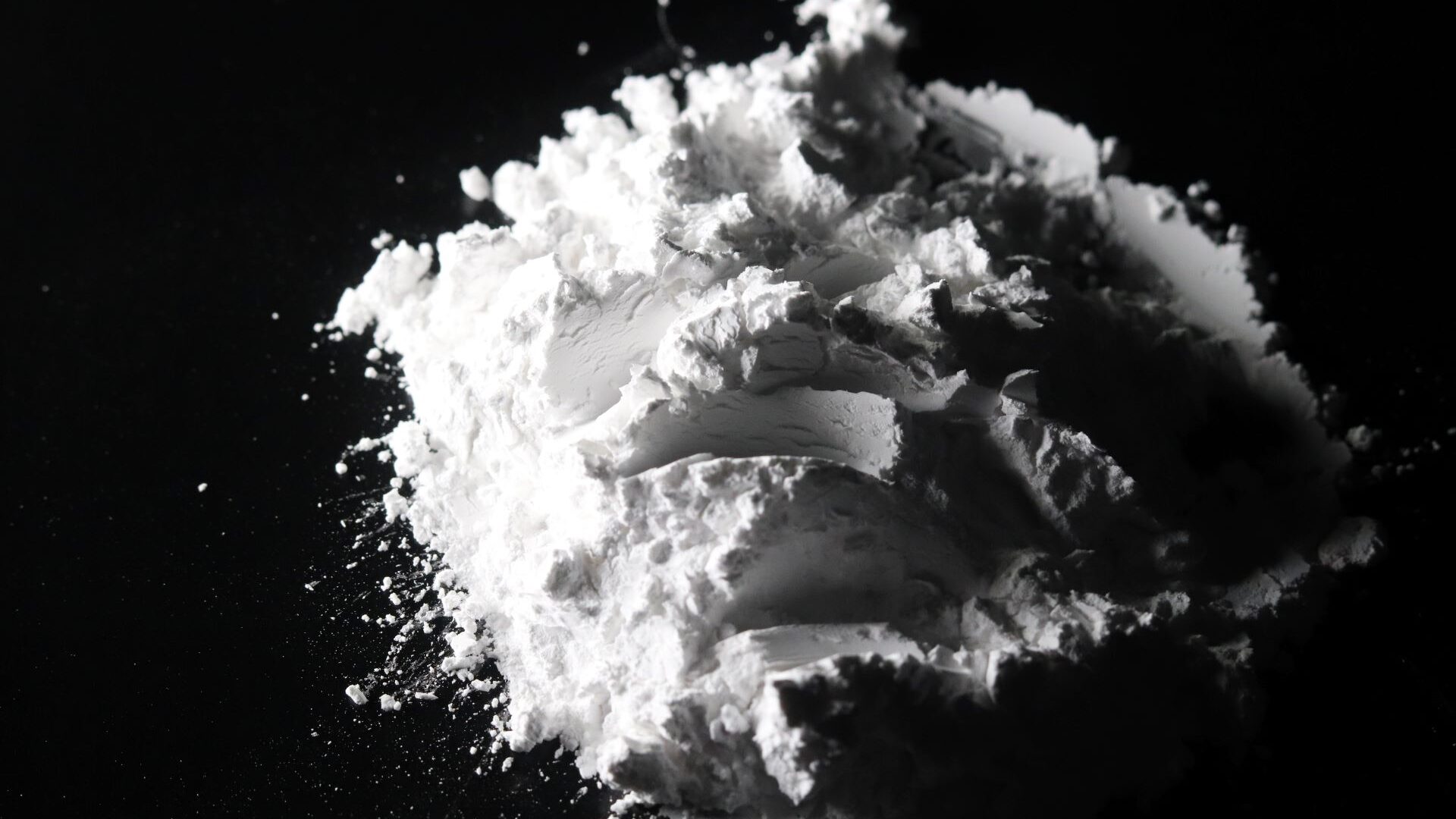
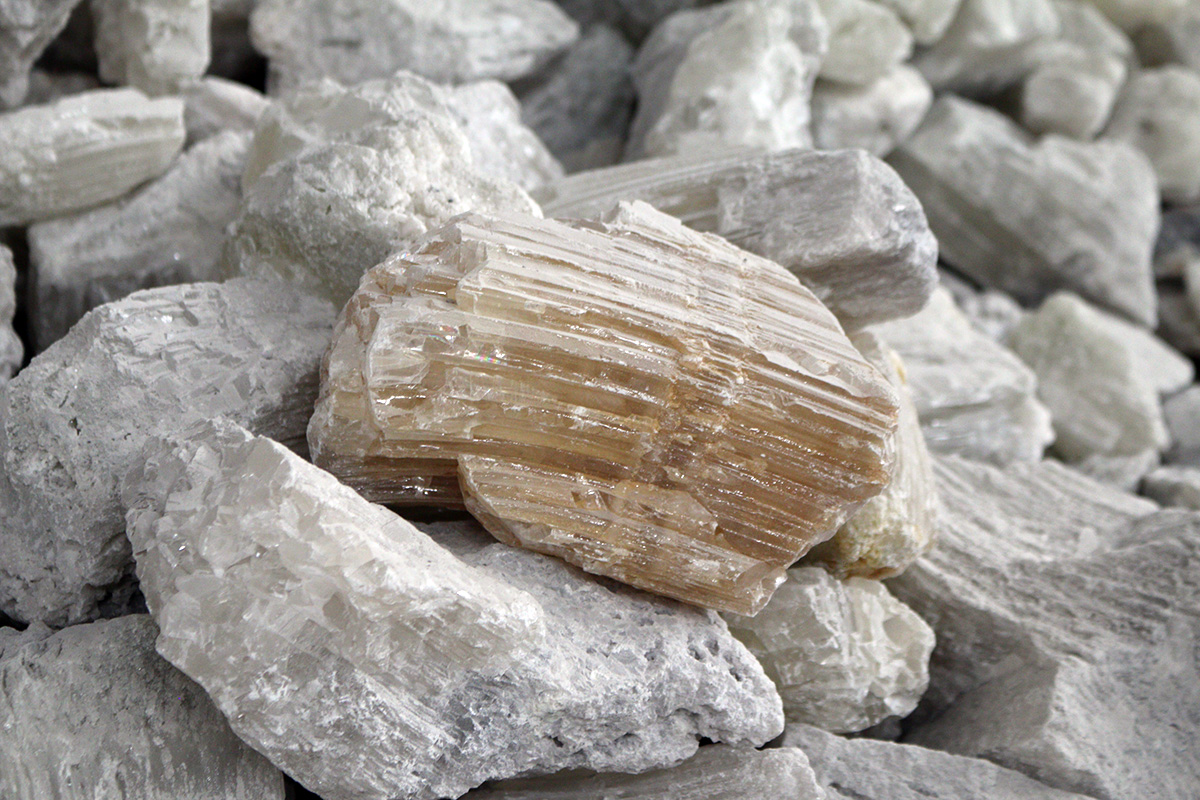
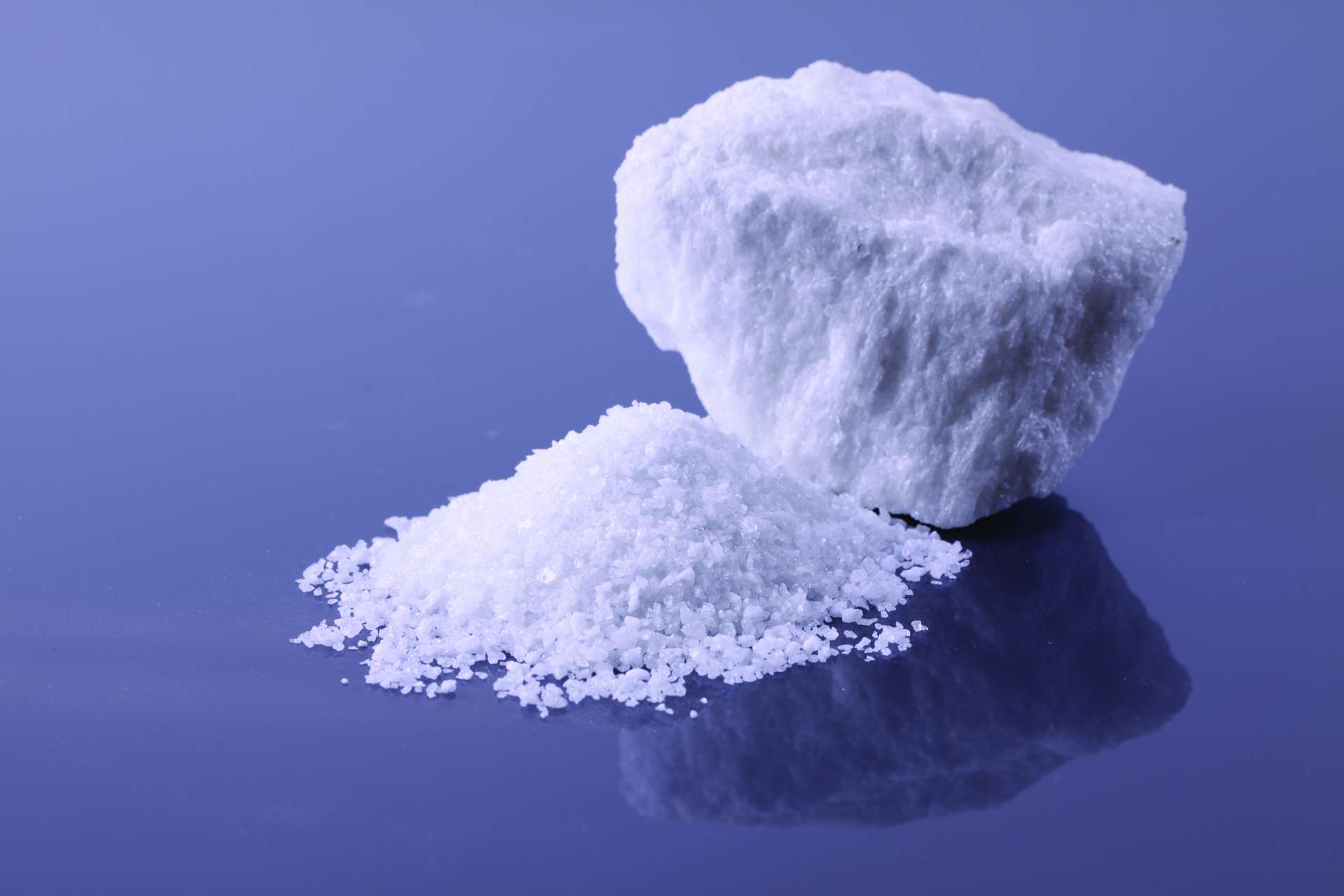
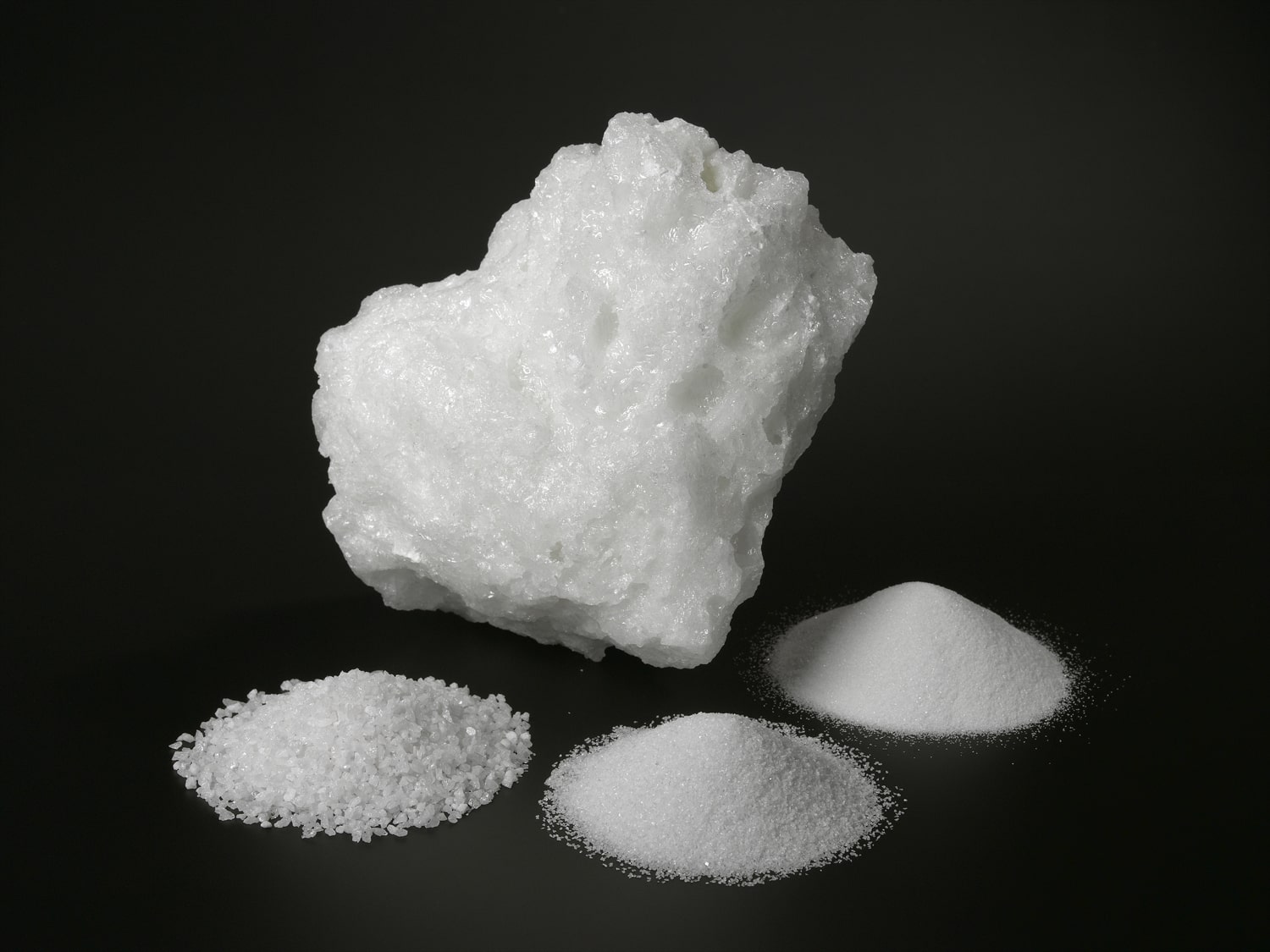
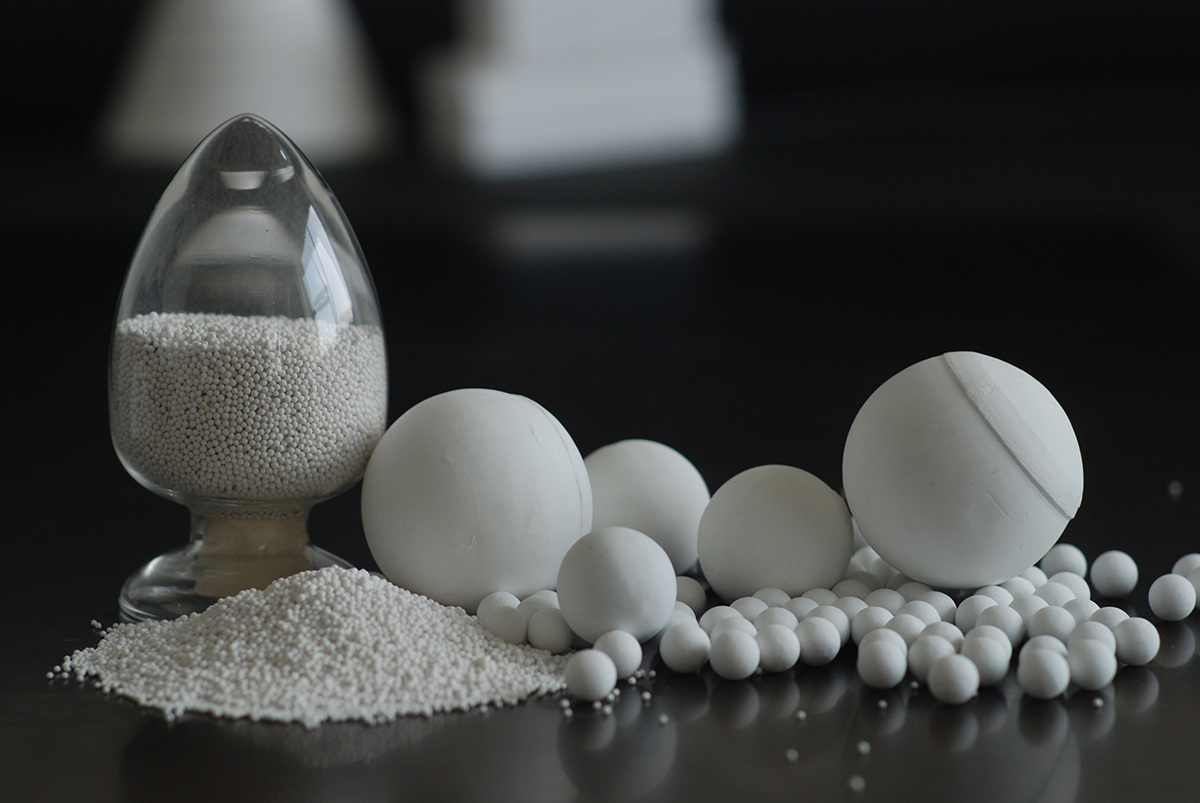
In the world of basic refractories, Sintered Dolomite holds a unique and valuable position. Produced by firing high-purity, natural dolomite rock at extreme temperatures, this material offers an excellent combination of slag resistance and metallurgical benefits, often at a significant cost advantage compared to other basic materials like magnesite. This makes it a strategically important refractory for specific applications in the steel industry.
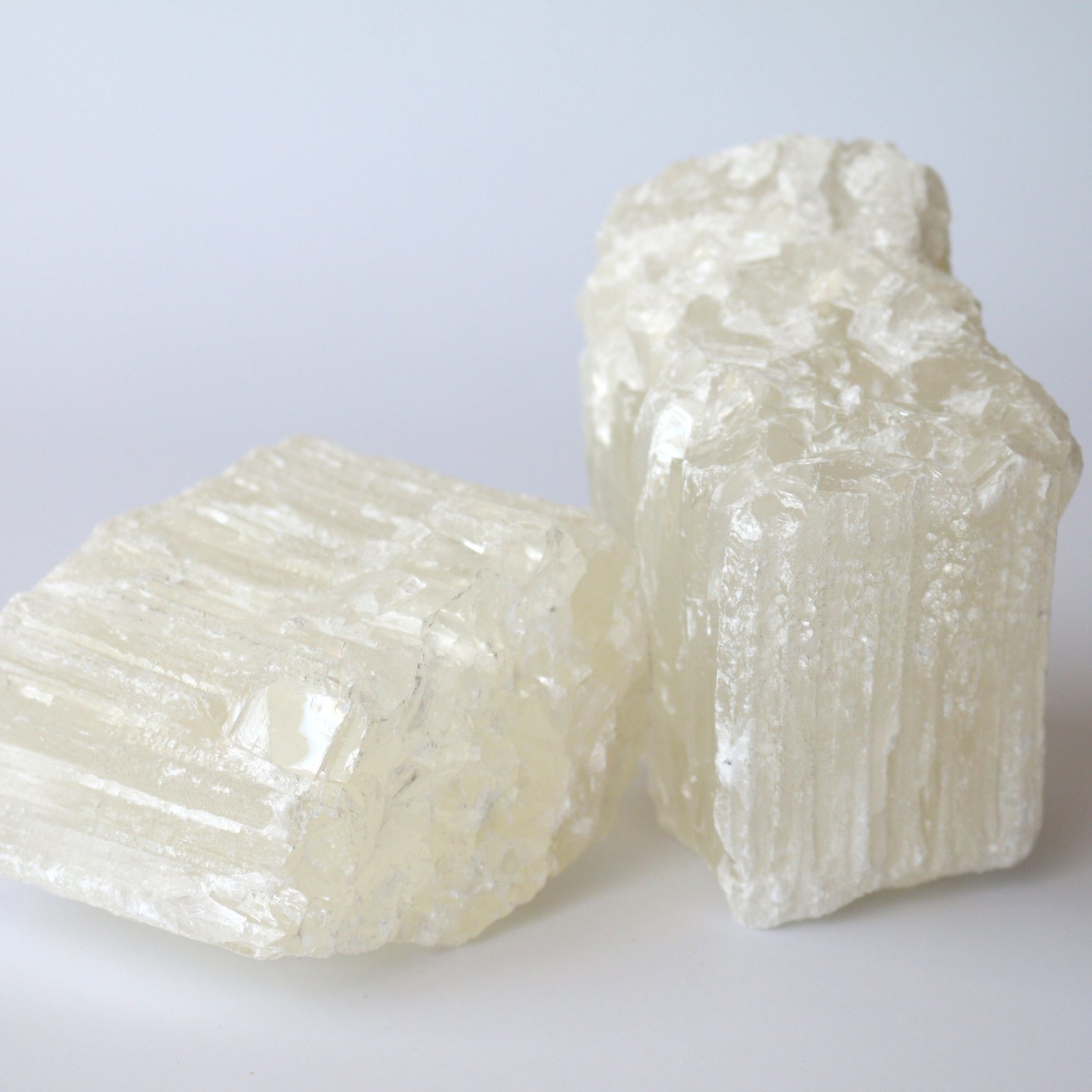
The transformation from raw dolomite (a calcium magnesium carbonate, CaMg(CO₃)₂) to a useful refractory occurs through sintering in a rotary kiln at temperatures over 1700°C. This intense process drives off the carbon dioxide (CO₂) and creates a dense, stable clinker composed of lime (CaO) and periclase (MgO). It is this final chemical composition that gives Sintered Dolomite its key advantages.
The Key Advantages of Dolomite Refractories
The high lime content of Sintered Dolomite provides benefits that go beyond simple heat containment.
- Excellent Basic Slag Resistance: As a highly basic material, Sintered Dolomite offers superb resistance to the corrosive action of the basic slags commonly found in secondary steelmaking and specialty refining processes.
- Active Metallurgical Role: This is the standout feature of dolomite. The free lime (CaO) in the refractory lining can slowly dissolve into the molten steel bath. This actively aids in the refining process by helping to remove impurities like sulfur and phosphorus from the steel, contributing directly to the production of cleaner, higher-quality final products.
- Cost-Effectiveness: For many applications, Sintered Dolomite provides a highly effective and more economical alternative to refractories made from pure magnesite, helping steelmakers manage operational costs.
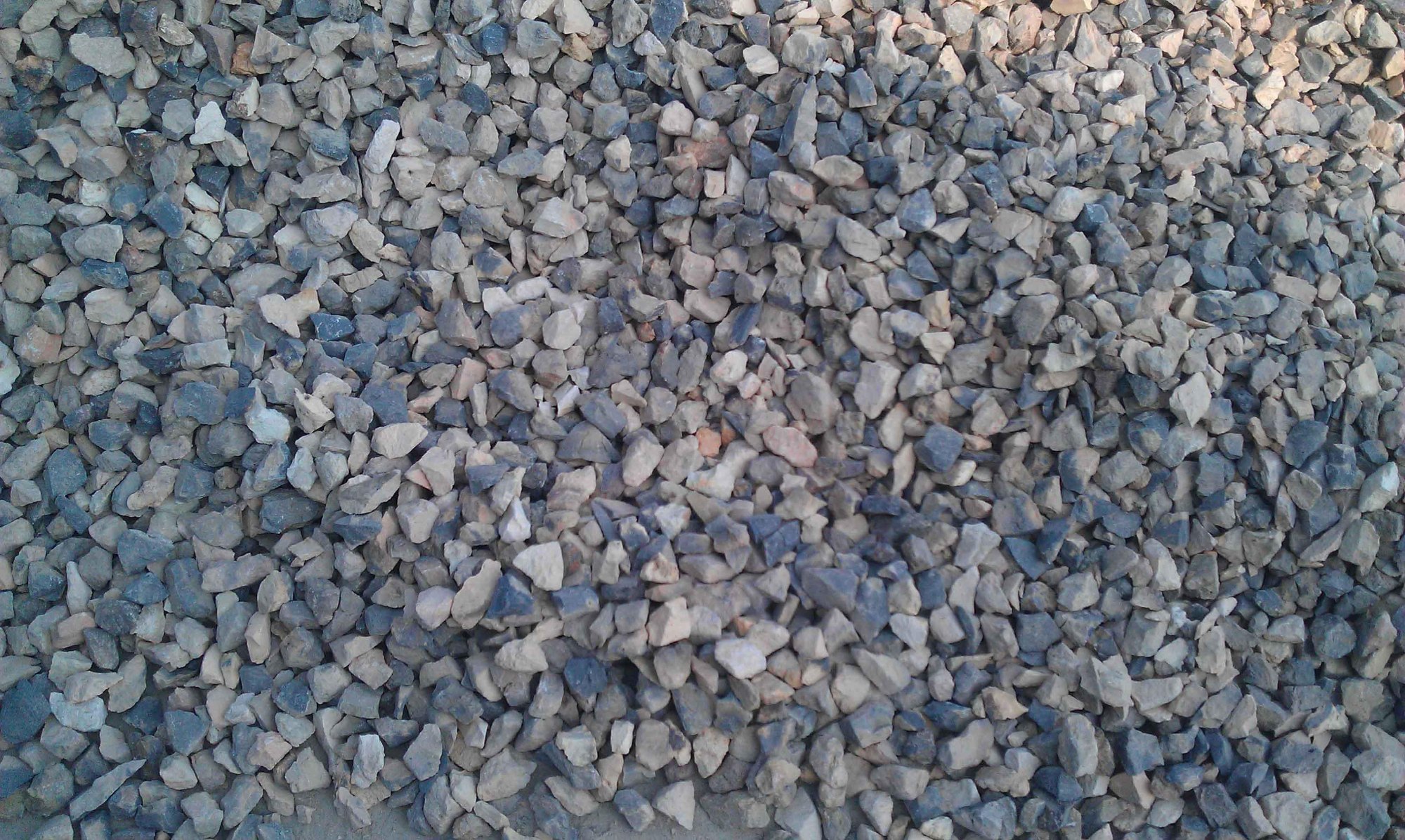
Primary Applications in Steelmaking
The unique properties of Sintered Dolomite make it the preferred lining material for several key steelmaking processes:
- AOD Converters: Dolomite and magnesia-dolomite bricks are the standard for lining Argon Oxygen Decarburization (AOD) vessels, which are used to produce stainless steel and other specialty alloys.
- Ladle Furnaces: It is widely used as a working lining in ladle furnaces, where its slag resistance and refining capabilities are highly beneficial.
- Electric Arc Furnaces (EAFs): Sintered Dolomite is also used in certain EAF applications and is a common component of fettling mixes used for furnace maintenance.
A notable characteristic of Sintered Dolomite is its need for careful handling. The free lime in the material can react with moisture in the atmosphere (hydrate), which can cause it to degrade. Therefore, proper storage is essential to maintain its quality.
The Right Material for Your Refining Needs
Pennekamp Middle East supplies a comprehensive range of basic refractory raw materials, including high-quality Sintered Dolomite. We can help you determine if the unique metallurgical and economic benefits of dolomite are the right fit for your steel refining operations.
Contact us today to speak with a raw materials expert about our Sintered Dolomite products.