The aerospace industry is defined by its constant battle against extreme temperatures. Whether it’s the incredible heat inside a jet engine or the fiery friction of atmospheric re-entry, managing these temperatures is the key to innovation and safety. While the final aerospace components are made from high-tech superalloys and composites, the manufacturing processes used to create them rely on the foundational science of refractory materials.
These heat-resistant materials, traditionally used to line industrial furnaces, have been adapted to become essential tools for building the future of flight.
Forging the Heart of the Jet Engine: Single Crystal Turbine Blades
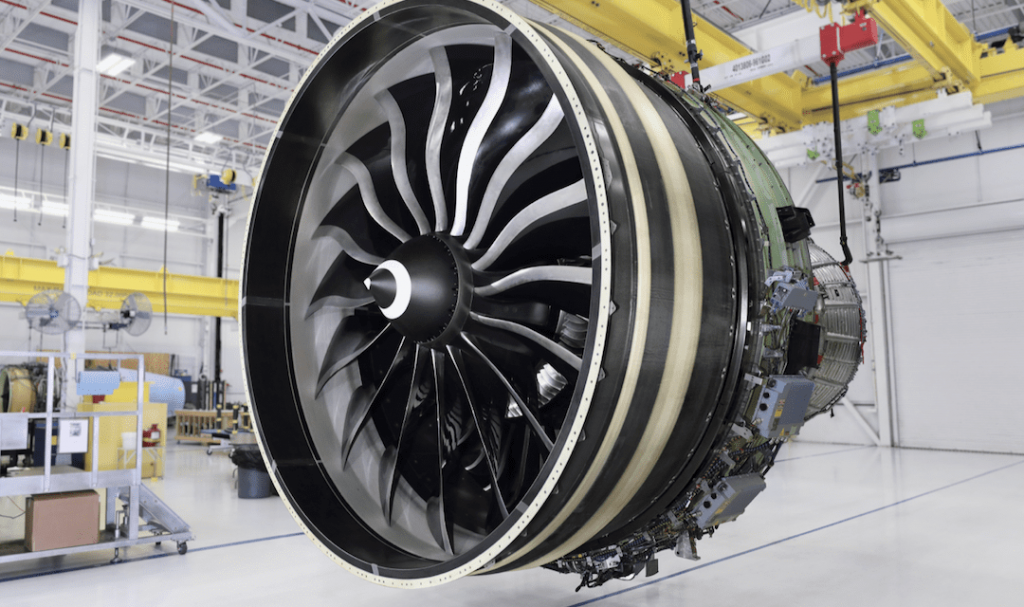
The performance of a modern jet engine is dictated by the durability of its turbine blades. These components must spin at incredible speeds while bathed in hot gases that are well above the melting point of the metal alloy itself. This is made possible by casting the blades from a single metal crystal and engineering intricate internal cooling passages.
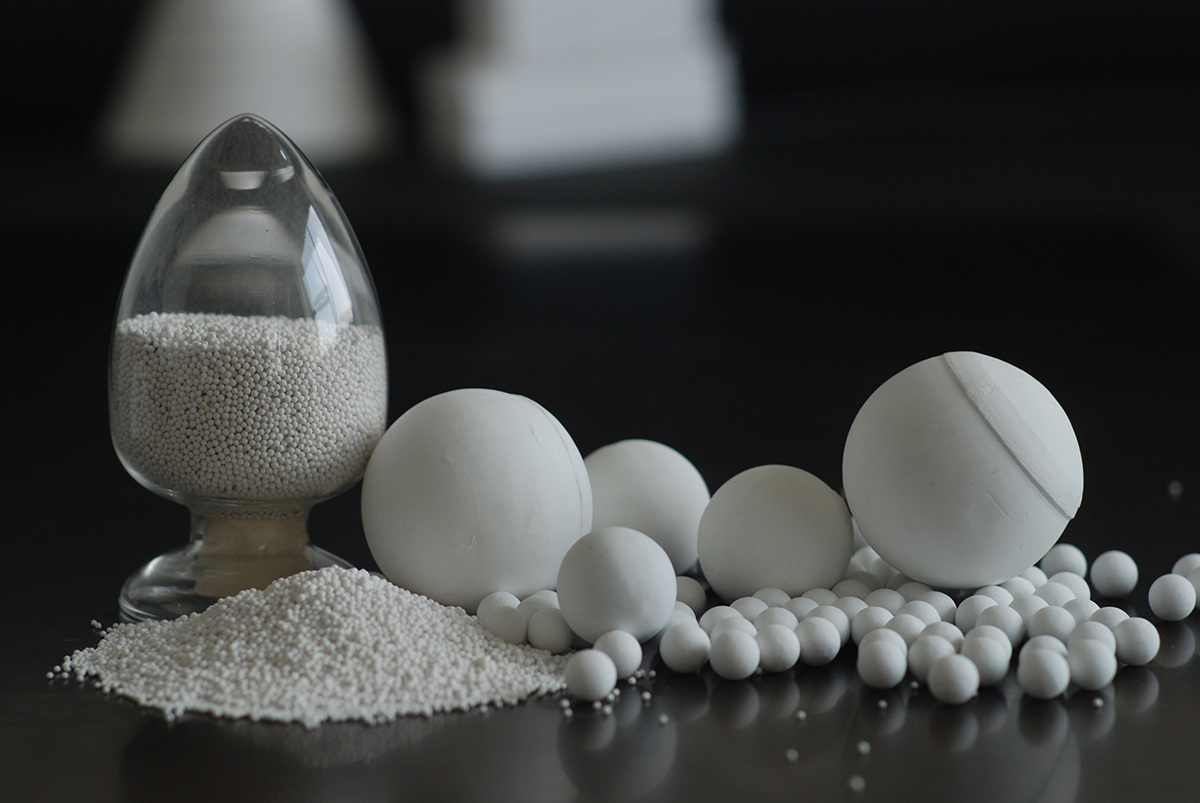
- The Refractory Role: This process, known as investment casting, relies entirely on refractory ceramics. A precise ceramic core, often made from alumina or silica-based materials, is created to form the shape of the internal cooling channels. A wax pattern is molded around this core, which is then coated in a ceramic shell. After the wax is melted out, molten superalloy is poured in. The refractory mold and core must be strong enough to contain the metal, yet weak enough to be chemically leached out later, leaving behind a perfect, hollow single-crystal blade.
Building the Shield Against Re-entry: Thermal Protection Systems (TPS)
When a spacecraft or hypersonic vehicle enters the atmosphere, it is protected by a Thermal Protection System (TPS), or heat shield. These shields are themselves made from advanced refractory materials.
- The Refractory Role: The nose cones and leading edges of these vehicles are often made from Carbon-Carbon (C/C) composites or Ceramic Matrix Composites (CMCs), which can withstand temperatures of 2000°C or more. The manufacturing of these composites is a refractory-intensive process. It requires large furnaces, lined with ultra-high-performance graphite insulation, that can heat the parts in a controlled atmosphere to temperatures that would vaporize most metals.
Directing the Fire: Rocket Propulsion
The nozzle of a rocket motor must channel superheated, high-velocity gases without eroding or melting.
- The Refractory Role: The nozzle “throat,” the narrowest and hottest part of the nozzle, is typically made from high-density, erosion-resistant refractory materials like graphite or carbon-carbon composites. These materials are among the few that can survive the extreme thermal and erosive environment for the required duration of the motor firing.
From casting to curing, refractory materials are the enabling technology that allows aerospace engineers to turn ambitious designs into reality.
The Building Blocks for Advanced Technologies
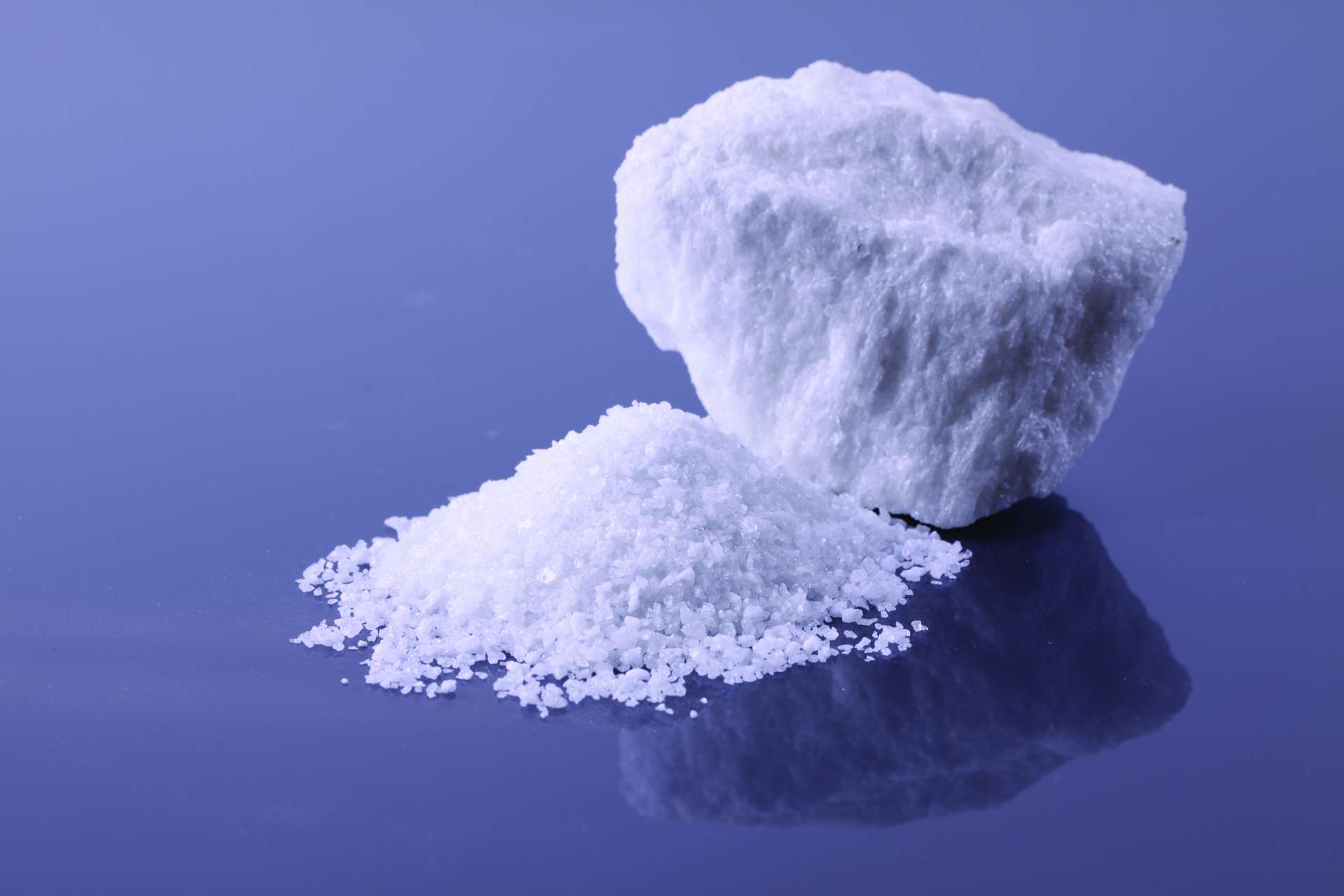
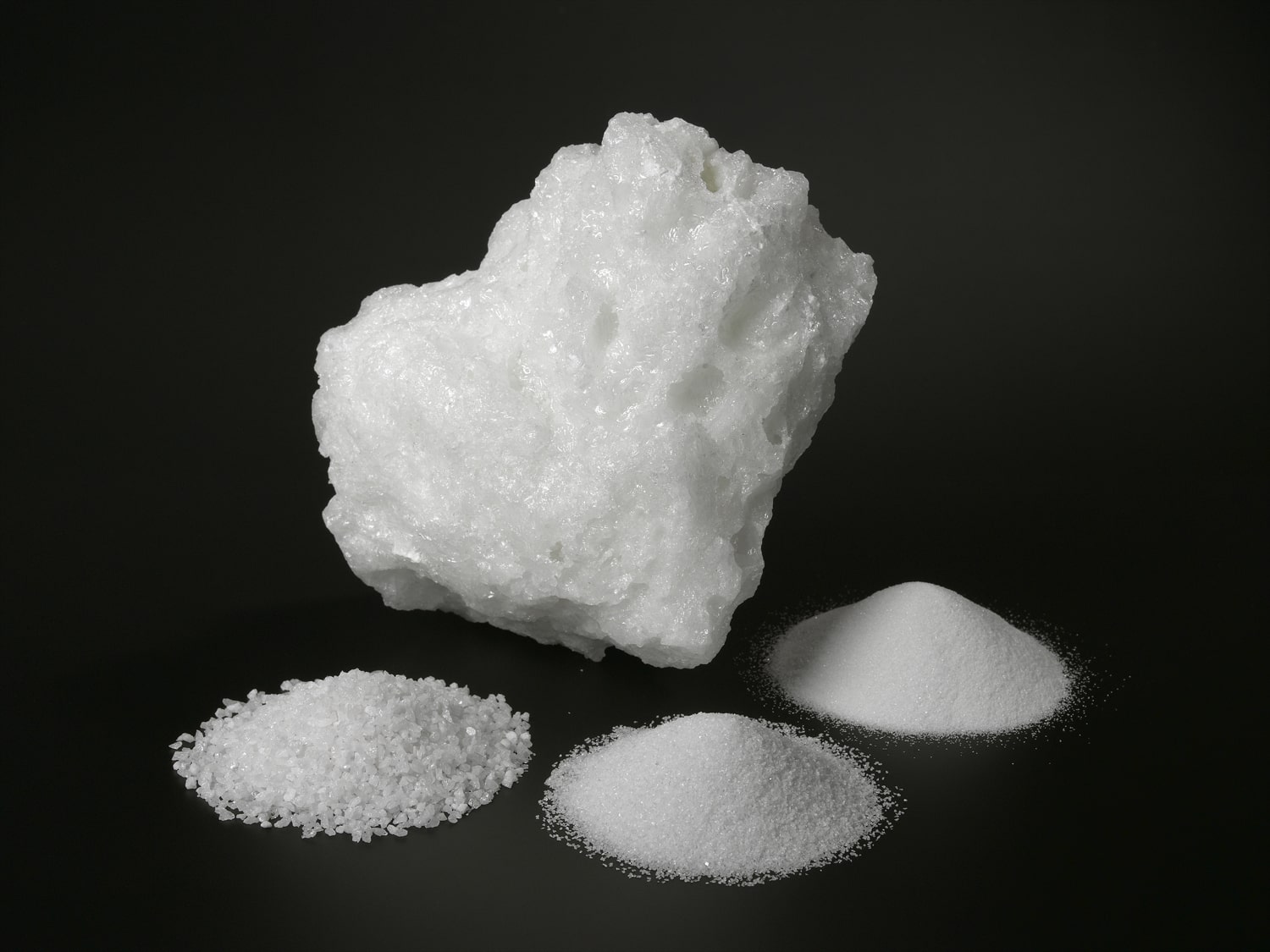
Pennekamp Middle East supplies the high-purity raw materials—such as fused alumina, silicon carbide, and graphite—that serve as the foundation for these advanced refractory and ceramic applications. We are a key partner to the industries that are pushing the boundaries of technology.
Contact us to learn how our portfolio of advanced materials can support your innovative manufacturing processes.