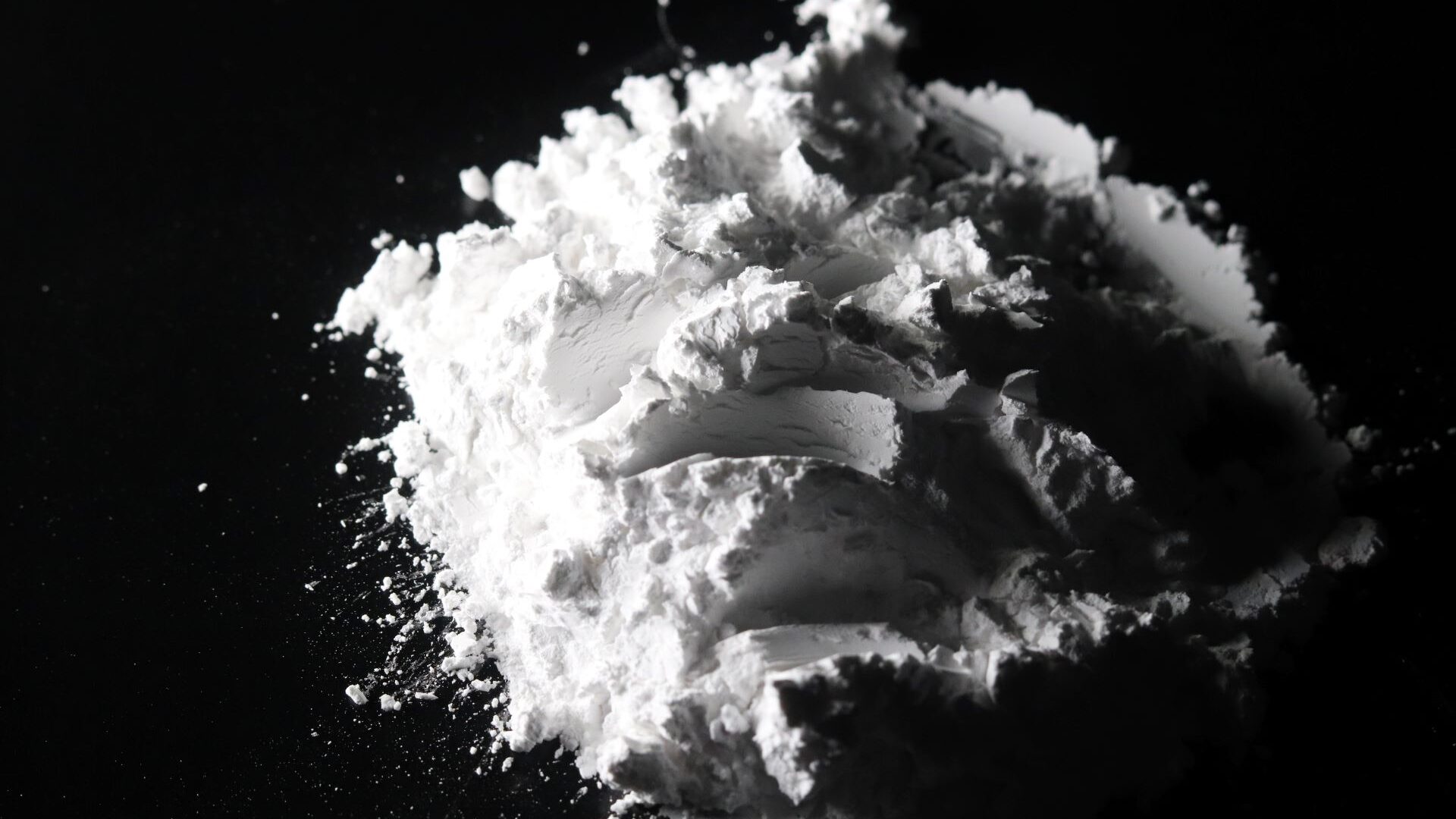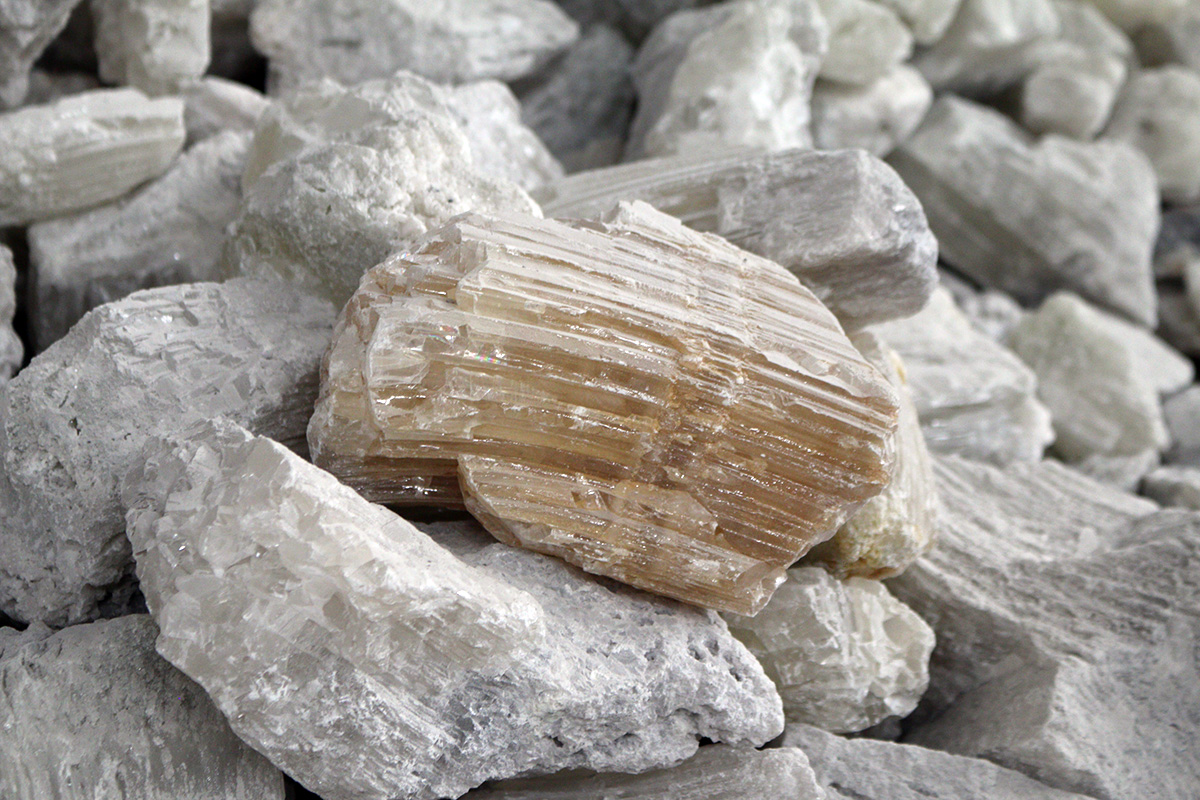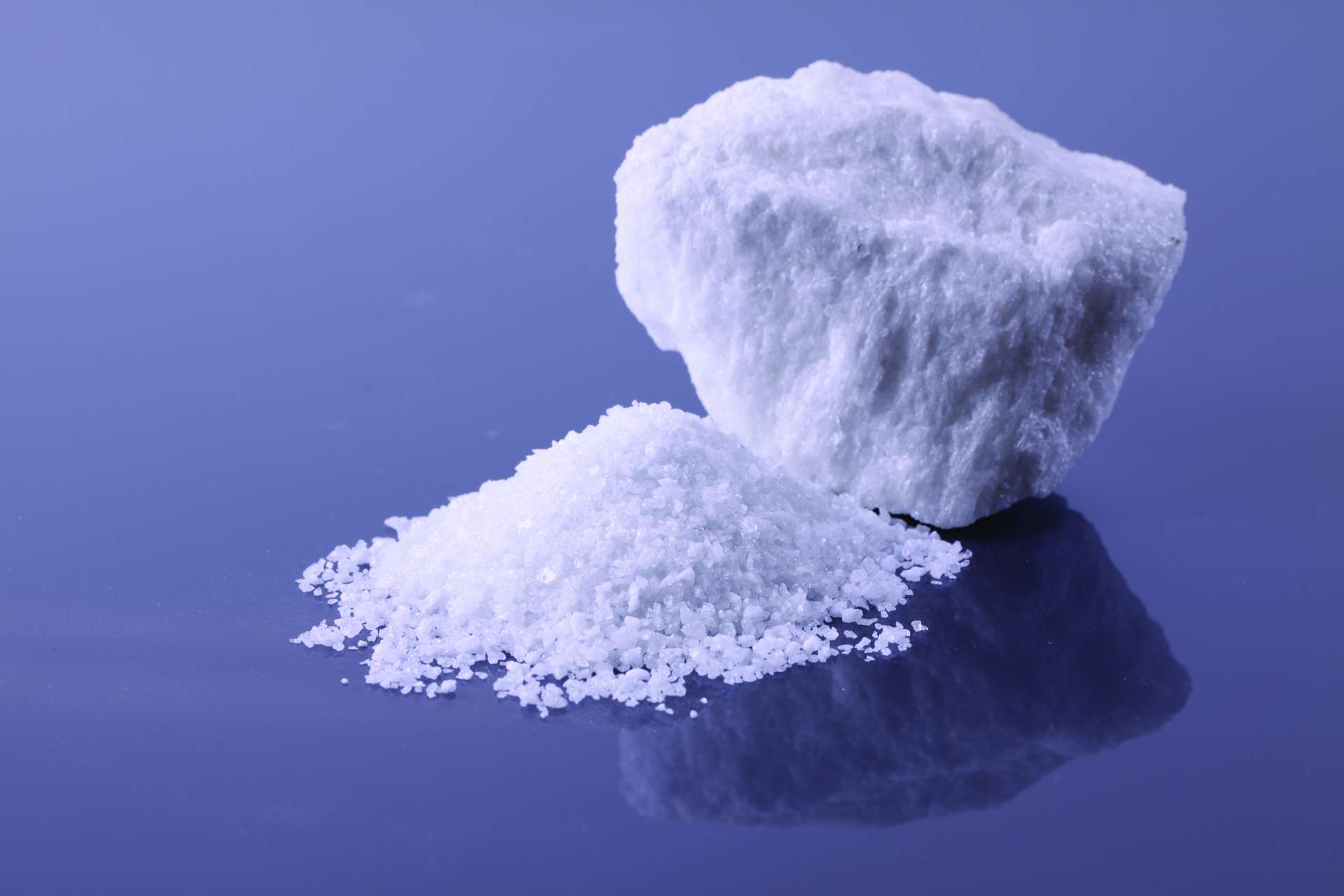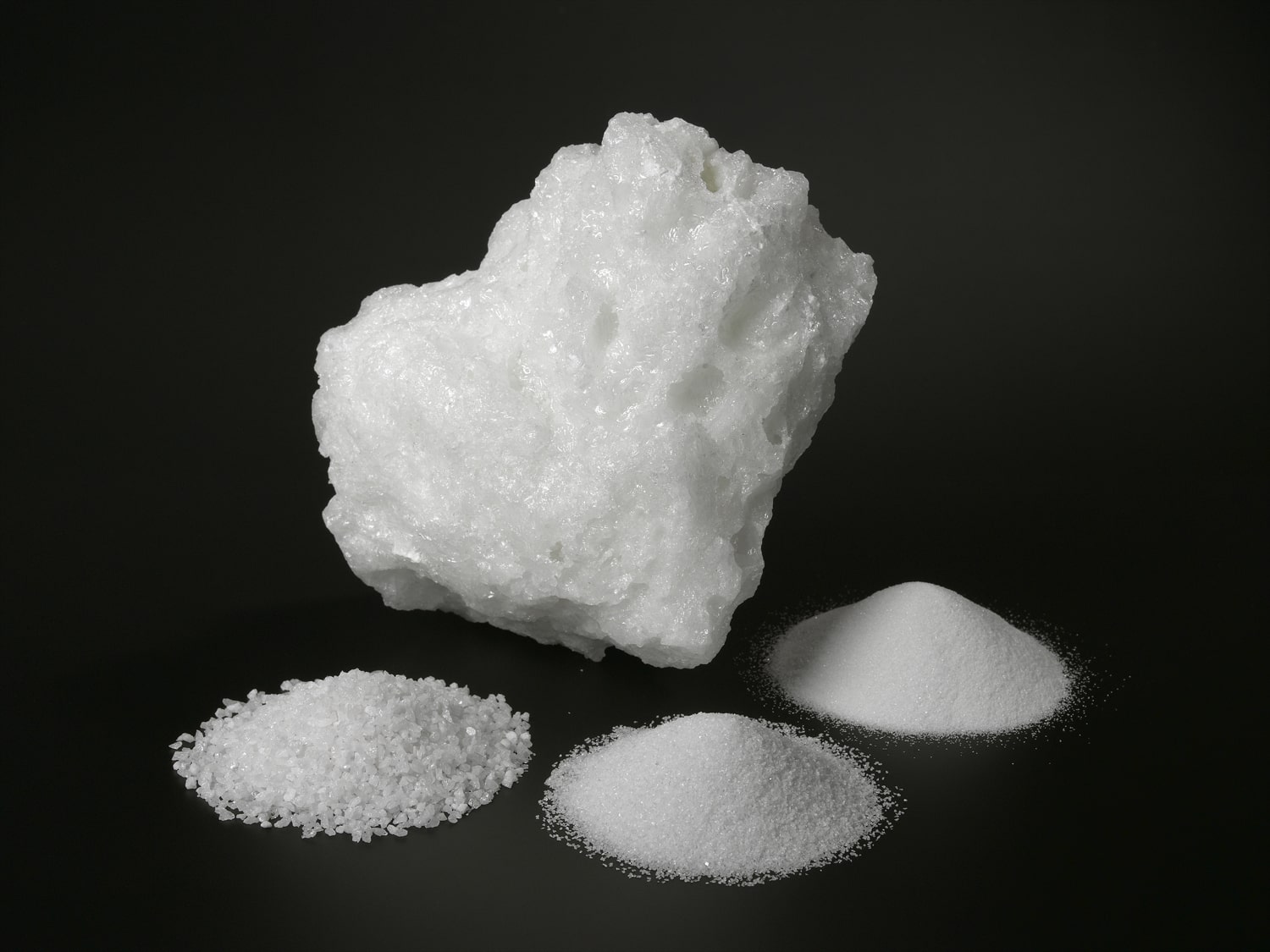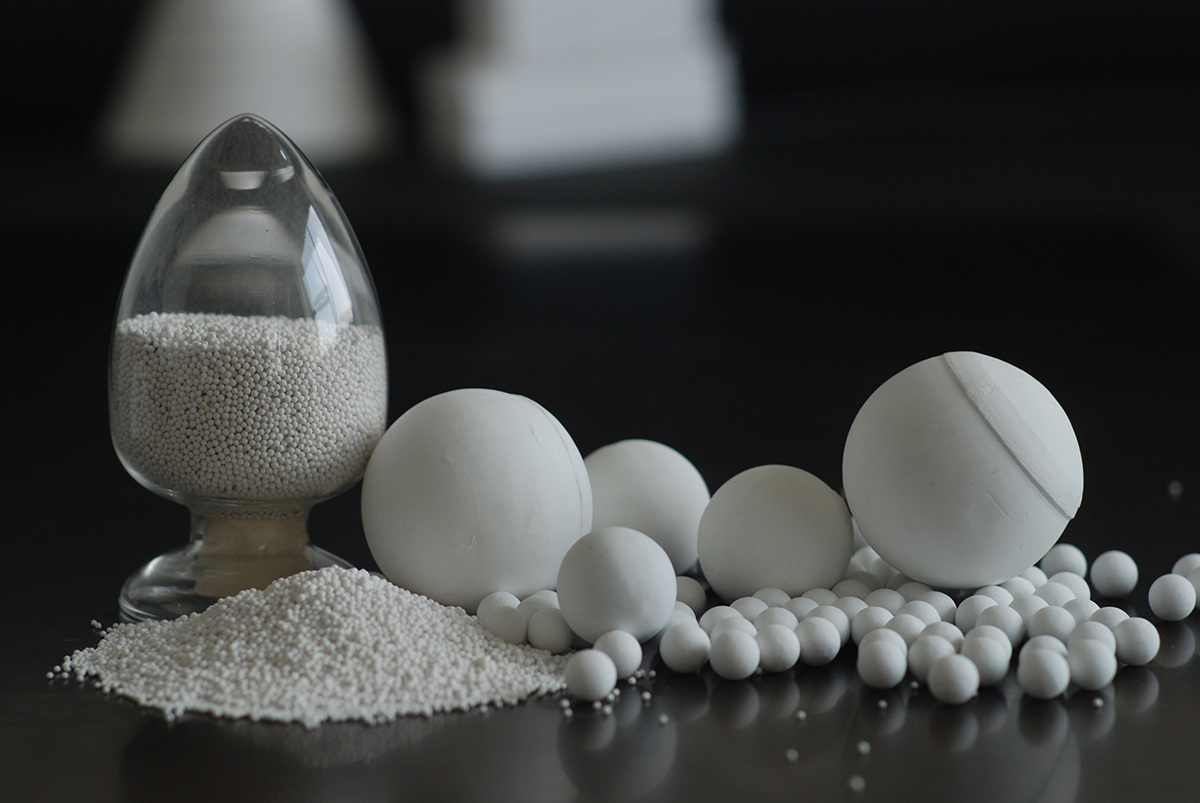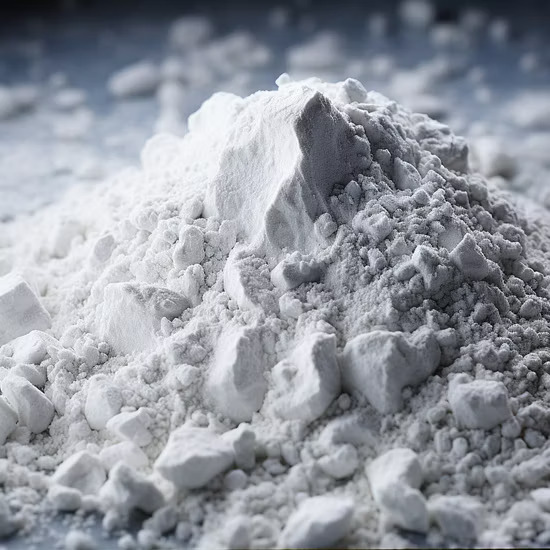
In the vast world of industrial minerals and chemicals, few materials can claim the versatility and foundational importance of Calcined Alumina. This fine white powder, chemically known as aluminum oxide (Al₂O₃), is the essential starting point for an incredible range of products, from the aluminum that frames our windows to the advanced ceramics in our electronics and the refractory linings of high-temperature furnaces.
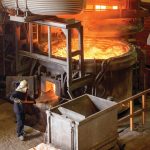
The journey to create this indispensable material is a multi-stage process of refinement and transformation. It begins with bauxite ore, which is put through the Bayer process, a chemical method that dissolves the aluminum-bearing compounds and separates them from impurities. The result is alumina hydrate (Al(OH)₃). To convert this hydrate into a stable, usable oxide, it must undergo calcination. In this critical step, the alumina hydrate is heated in large rotary kilns to temperatures around 1100°C, driving off the chemically bound water molecules to produce pure, anhydrous aluminum oxide—Calcined Alumina.
A Spectrum of Grades for Diverse Applications
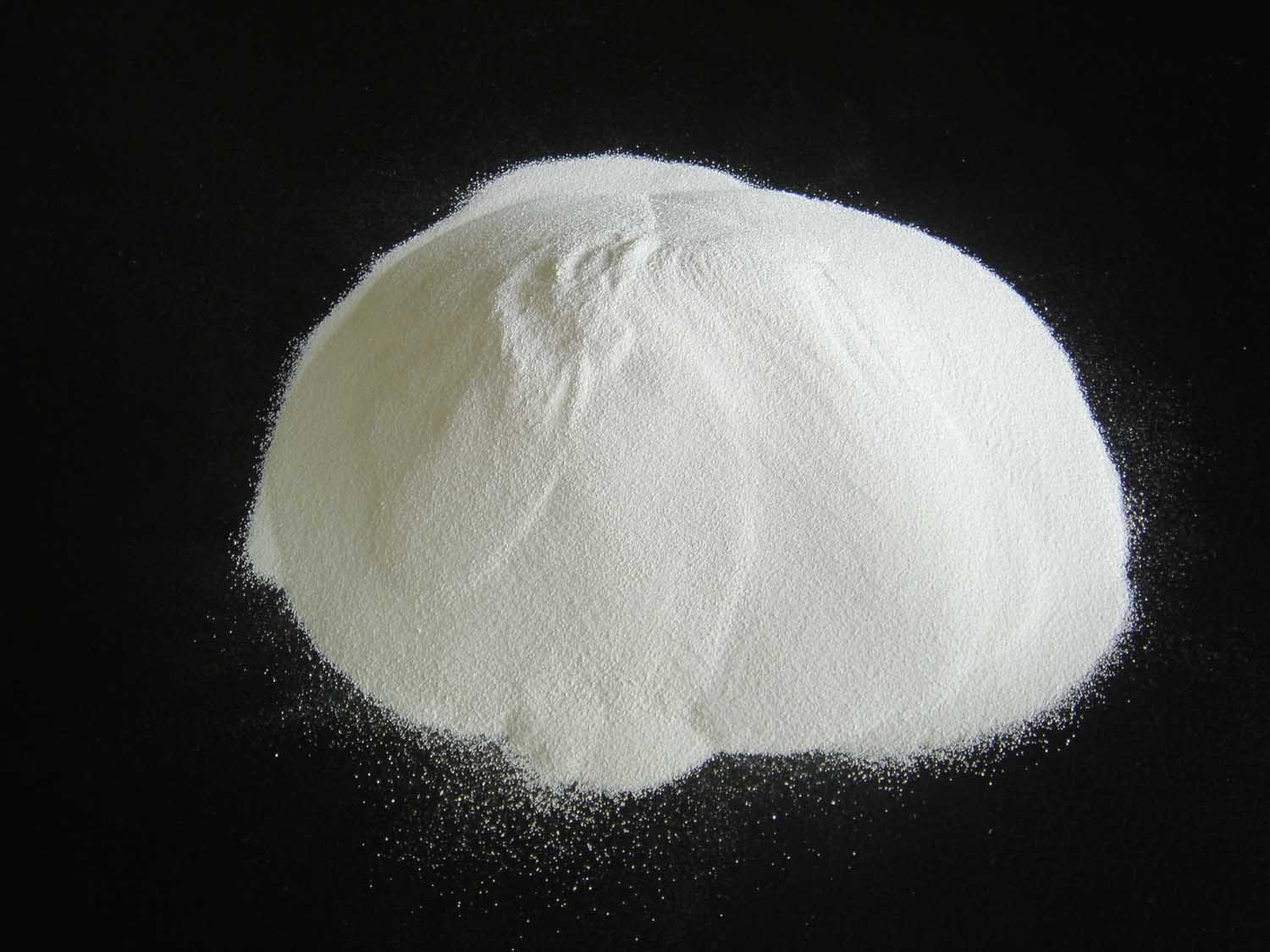
Not all Calcined Alumina is created equal. By precisely controlling the calcination temperature and other process parameters, manufacturers can produce a wide spectrum of grades, each with unique properties tailored for specific applications. These grades are often described by terms like “sandy,” “floury,” or “reactive,” which relate to their particle size, surface area, and chemical reactivity. This allows for an incredible degree of customization for end-users.
Primary Applications Across Industries
The widespread use of Calcined Alumina highlights its fundamental importance to the global economy.
- Aluminum Production: By far the largest application, “smelter-grade alumina” is the primary feedstock for the Hall–Héroult process, where it is dissolved in a cryolite bath and electrolytically reduced to produce pure aluminum metal.
- Refractory Manufacturing: Calcined Alumina is a cornerstone of the refractory industry. It is a key ingredient in high-alumina bricks, monolithic castables, and mortars. Furthermore, it serves as the essential starting material for producing other high-performance synthetic refractory aggregates like White Fused Alumina, Brown Fused Alumina, and Tabular Alumina.
- Technical Ceramics: Its high purity and dielectric properties make it a preferred material for producing advanced ceramic components, including spark plug insulators, substrates for electronic circuits, and wear-resistant seals and tiles.
- Abrasives and Polishing: Finer grades of Calcined Alumina are used as gentle polishing compounds for finishing metals, glass, and plastics.
From foundational industries to high-tech applications, Calcined Alumina is a truly ubiquitous and essential material, forming the unseen backbone of countless products we rely on every day.
Your Source for High-Quality Industrial Minerals
Pennekamp Middle East is a leading supplier of a wide range of refractory and ceramic raw materials, including various grades of high-quality Calcined Alumina. We provide the consistent and reliable materials that are essential for your manufacturing success.
Contact us today to discuss your specific requirements and to learn more about our comprehensive portfolio of products.