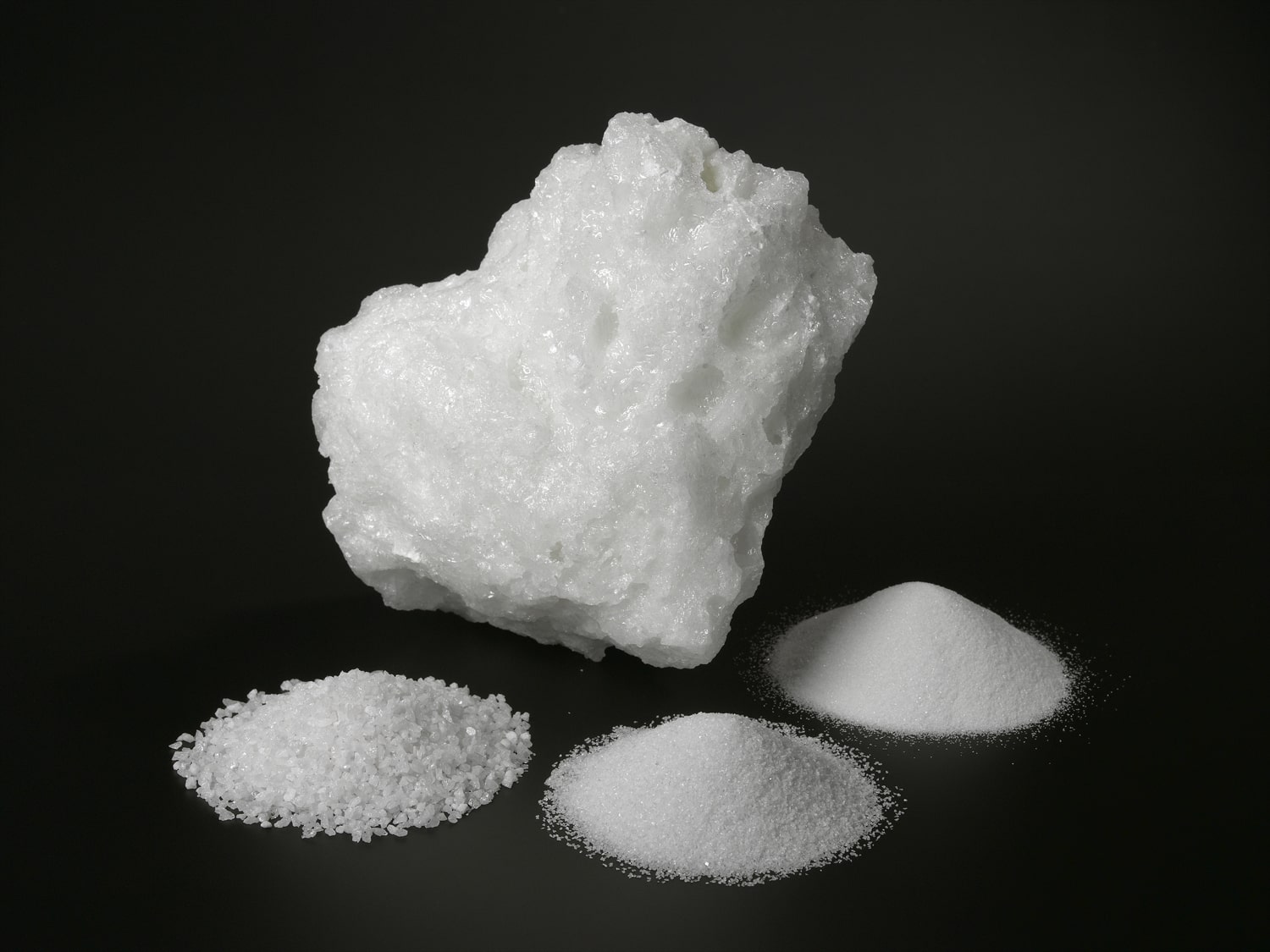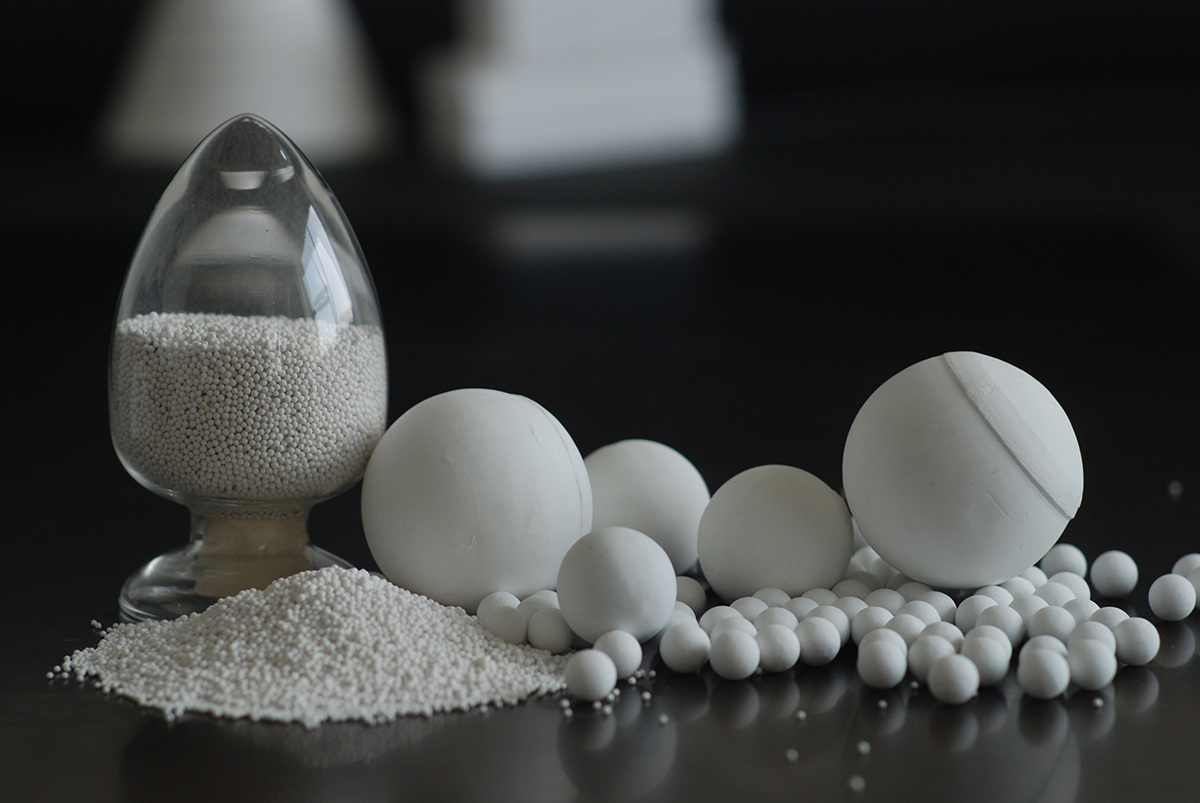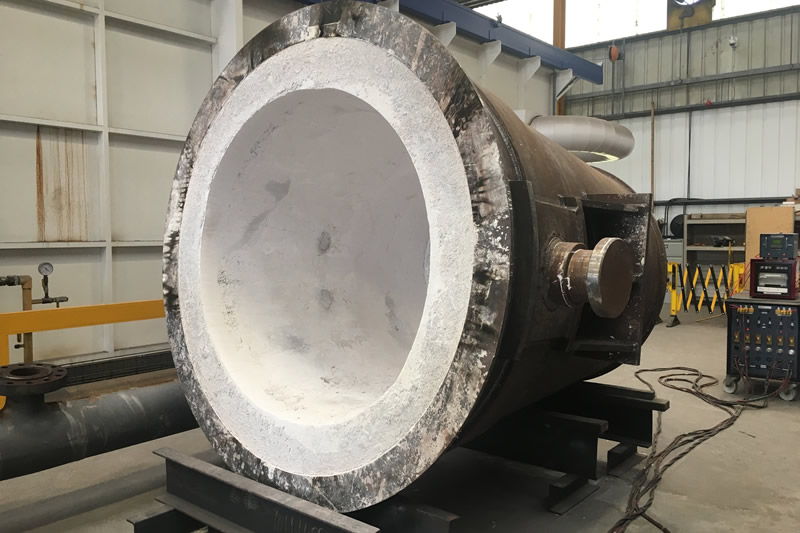
When we admire a new skyline, drive across a modern bridge, or travel through a new airport, we see the impressive results of infrastructure development: steel beams, reinforced concrete, and vast panes of glass. What we don’t see is the intense fire and heat required to create these materials. At the heart of this creation process lies the unseen hero of construction: refractory products.
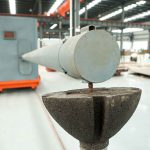
Refractories are advanced, heat-resistant materials that line the high-temperature furnaces, kilns, and vessels used to produce the core building blocks of our society. Without them, large-scale production of the essential materials for infrastructure would be impossible.
The Foundation of Construction: Cement
Cement, the binding agent in concrete, is the world’s most consumed man-made material. It is created in massive rotary kilns, some stretching for hundreds of meters, which heat limestone and other raw materials to over 1450°C. The only reason these steel kilns don’t melt is because they are lined with thousands of tons of durable refractory bricks, such as magnesia-spinel products. These refractories contain the extreme heat, resist chemical attack from the raw materials, and withstand the abrasive, tumbling action inside the kiln, making modern cement production viable.
The Backbone of Strength: Steel
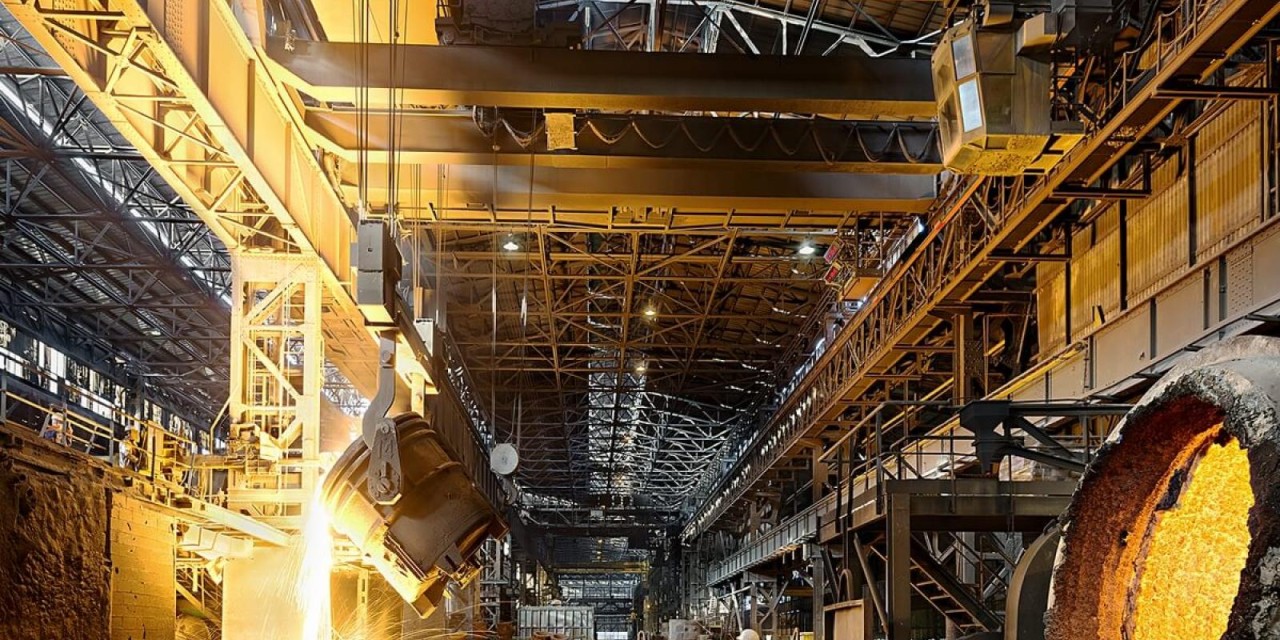
From the reinforcing rebar inside every concrete pillar to the massive structural beams that form a skyscraper’s skeleton, steel provides the essential tensile strength for modern infrastructure. This steel is forged at temperatures exceeding 1600°C in either a Basic Oxygen Furnace (BOF) or an Electric Arc Furnace (EAF). These powerful vessels are lined with high-performance magnesia-carbon (MgO-C) refractory bricks that must contain the violent, superheated process of turning iron or scrap metal into high-quality steel. Every ton of steel used in construction first began its life inside a refractory-lined furnace.
The Windows to the World: Glass
The flat glass used for the facades of buildings, windows, and other architectural features is produced by melting sand, soda ash, and limestone in large, continuously operating furnaces. These glass “tanks” operate at around 1500°C, 24 hours a day, often for more than a decade without stopping. This incredible feat of endurance is only possible due to highly specialized, corrosion-resistant refractory linings, such as fused-cast AZS (alumina-zirconia-silica) blocks, which can withstand the corrosive nature of molten glass for years on end.
There is a direct and unbreakable link between a nation’s ability to develop its infrastructure and the strength of its foundational industries. As a key supplier to the cement, steel, and glass sectors, the refractory industry is a vital, yet often invisible, partner in building the future.
A Foundational Partner for Industrial Growth
Pennekamp Middle East is a leading supplier of the essential refractory materials that power the region’s core industries. By providing the high-quality products that steel mills, cement plants, and glass manufacturers rely on, we are proud to play our part in supporting sustainable infrastructure development.
Contact us to learn how our refractory solutions can enhance the efficiency and reliability of your production process.