Why Water Management Is an Industrial Competitiveness Issue
In steel, cement, petrochemicals, power generation, and non-ferrous industries, water is used for cooling, dust suppression, gas cleaning, slurry handling, and utility operations. When processes become unstable, water usage often rises: more cooling demand, more scrubbing load, more cleaning, and more rework. Sustainable water management is therefore not only an environmental objective; it’s an operational stability objective.
Refractories matter because they shape the stability of high-temperature operations where many water systems are deployed as protective measures.
Protecting Water-Cooled Equipment and Reducing Heat Load
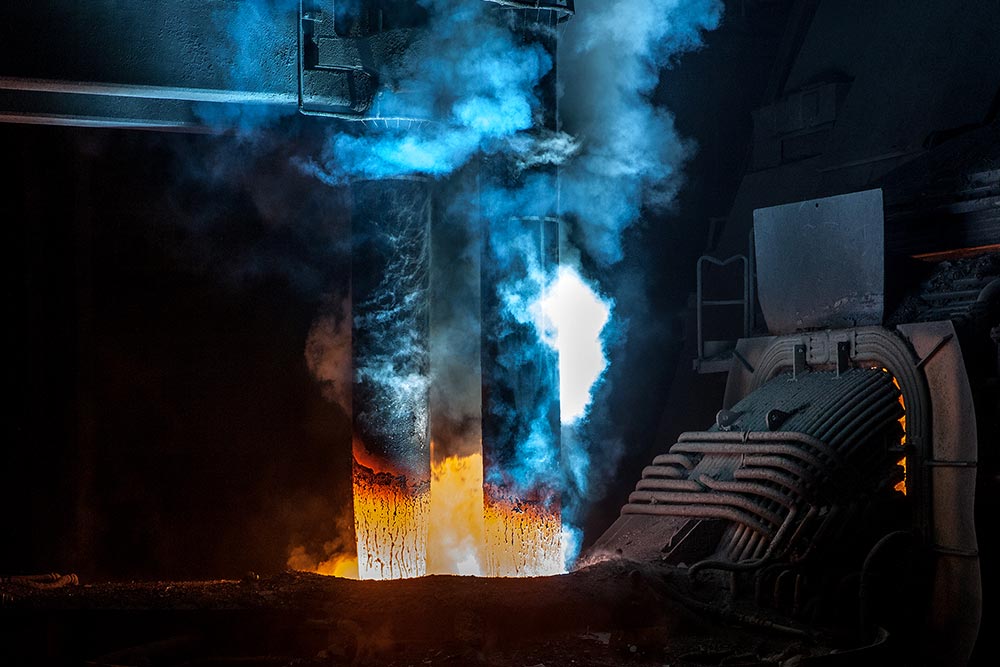
In many furnaces and metallurgical systems, water-cooled panels, ducts, and roof sections are exposed to heat and slag splash. If refractory protection is insufficient, heat transfer to water-cooled components increases. That can push operators toward higher cooling flow rates, higher makeup water, and higher risk of thermal stress or leak events.
Well-designed refractory linings reduce unnecessary heat flux to the shell and cooling circuits. Lower and more stable heat load means cooling can be optimized rather than used as a constant emergency buffer.
Reducing Process Instability That Drives Water Consumption
Unplanned shutdowns and emergency repairs often trigger water-heavy activities: increased cleaning, flushing, wet handling of debris, and additional gas cleaning load during restarts. Refractory solutions that extend campaign life and reduce emergency interventions help minimize these events.
In operations with wet gas scrubbing or water-based dust control, stable furnace operation can also reduce spikes in particulate or off-gas variability that increase water demand in scrubbers.
Supporting Cleaner Operations That Reduce Water-Intensive Rework
When refractories degrade rapidly or react with process chemistry, quality issues can rise—more off-grade product, more reprocessing, and more cleaning. These activities frequently carry a water footprint, especially where quenching, washing, or wet handling is involved.
Stable refractories contribute indirectly to water sustainability by improving first-pass yield and reducing downstream handling and cleanup.
Refractory Selection That Aligns With Water-Sustainability Goals
For water impact, the most relevant refractory attributes are those that improve stability and reduce heat loss: low permeability to resist infiltration, thermal shock resistance in cycling zones, corrosion resistance in slag- or vapor-exposed areas, and consistent quality that reduces variability. Zone-based lining design also matters because hot spots often develop in predictable areas—targeting those zones reduces risk to cooling circuits and shell integrity.
From a procurement perspective, the “water-smart” refractory strategy is usually the one that reduces maintenance frequency and stabilizes operating conditions.
Middle East Context: Water Efficiency and High Utilization
Across the Middle East, industrial plants operate with strong efficiency targets, and water stewardship is increasingly tied to ESG and cost control. Refractory performance becomes part of that strategy when it reduces heat load, protects cooling systems, and prevents disruption-driven water usage spikes.
If you’re working on water efficiency, cooling optimization, or sustainability KPIs and want your refractory strategy to support those goals, contact Pennekamp Middle East with your unit type and current pain points (hot spots, cooling overload, frequent repairs). We’ll recommend refractory raw materials and finished products designed to stabilize operations and reduce water-related operational pressure.