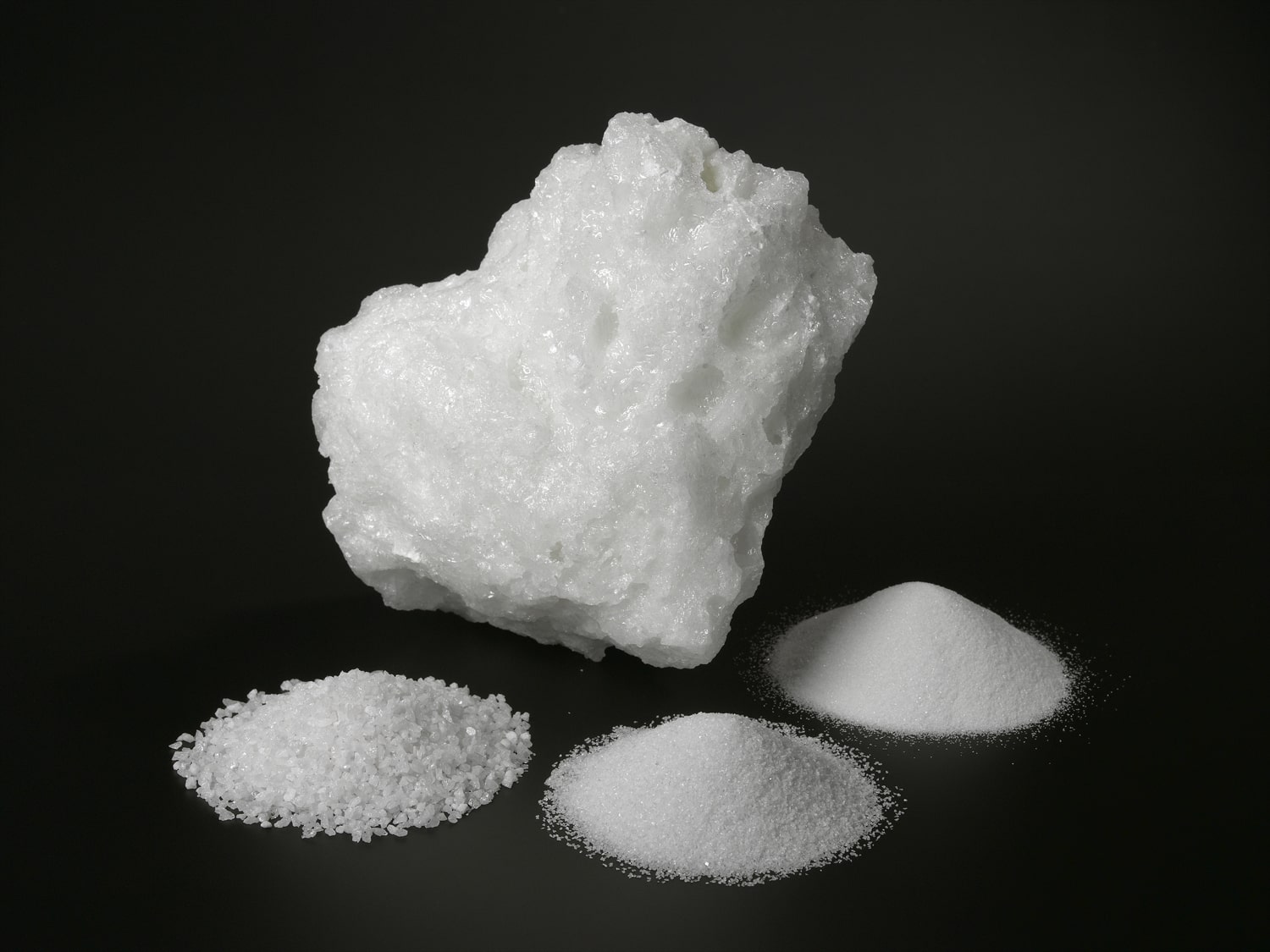
Refractory performance is shaped long before installation—during processing. Controlled atmospheres in firing and heat-treatment influence phase development, oxidation behavior, impurity reactions, and microstructure. For critical applications, controlling atmosphere can be the difference between stable high-temperature performance and early-life failure driven by unexpected chemistry.
Atmosphere Control: More Than Temperature
Firing temperature gets the attention, but atmosphere often determines what actually forms inside the refractory. Oxygen potential, moisture content, and gas composition influence how impurities react, how bonds develop, and whether unwanted phases appear. In some systems, atmosphere control prevents oxidation of sensitive components; in others, it ensures complete reactions that stabilize the microstructure.
For producers, atmosphere is a manufacturing variable. For buyers, it’s a hidden quality driver that affects repeatability.
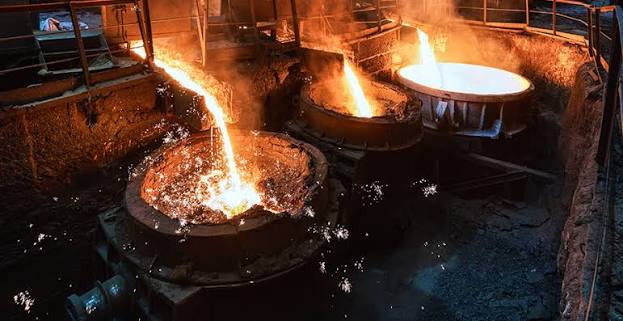
Phase Development and Stability
Many refractories rely on stable mineral phases to deliver hot strength and corrosion resistance. If atmosphere conditions promote formation of glassy bonds or low-melting phases, the refractory may creep or corrode faster in service. Controlled atmosphere can limit these outcomes by managing reactions involving alkalis, sulfur species, or other volatile components that influence microstructure.
Consistency matters: even small atmosphere variations across batches can shift phase balance and change real service behavior.
Carbon-Containing Systems and Oxidation Sensitivity
Carbon-containing refractories are especially sensitive. Uncontrolled oxygen exposure during processing can alter carbon structure and distribution, impacting oxidation resistance and strength. Controlled atmospheres help preserve intended properties and reduce variability that shows up later as unexpected wear or spalling.
Porosity, Permeability, and Hot Behavior
Atmosphere can influence sintering kinetics and pore evolution. That affects density, open porosity, and permeability—key parameters for slag infiltration resistance. A refractory that looks similar chemically can behave differently if processing conditions changed its pore network.
Practical Buyer Implications: What to Ask
When specifying refractory products for critical zones, ask for documentation that reflects manufacturing control: consistent quality metrics across batches, traceability, and performance data aligned to your wear mechanisms. Reliable suppliers can explain how their processing—including atmosphere control—supports stable outcomes.
Middle East Application Reality
In high-throughput Middle East plants, small shifts in refractory quality can cause large operational consequences. Choosing suppliers with disciplined processing control supports predictable maintenance and stable production.
If you’re seeing unexplained variability between refractory batches or inconsistent performance in identical operating conditions, contact Pennekamp Middle East. Share your application and failure pattern, and we’ll help identify whether processing-related property differences are contributing—and recommend products with controlled, repeatable manufacturing quality.