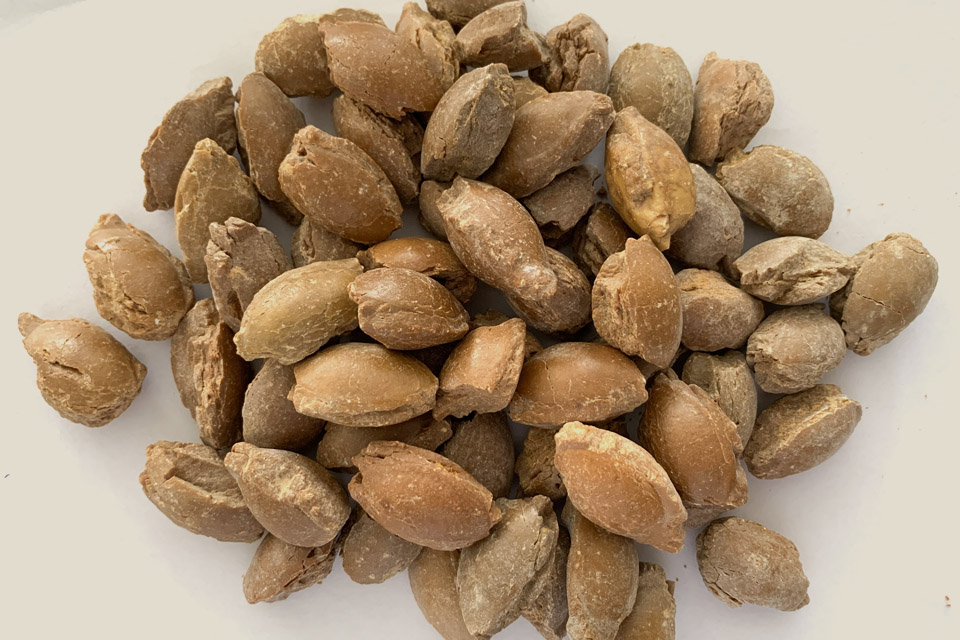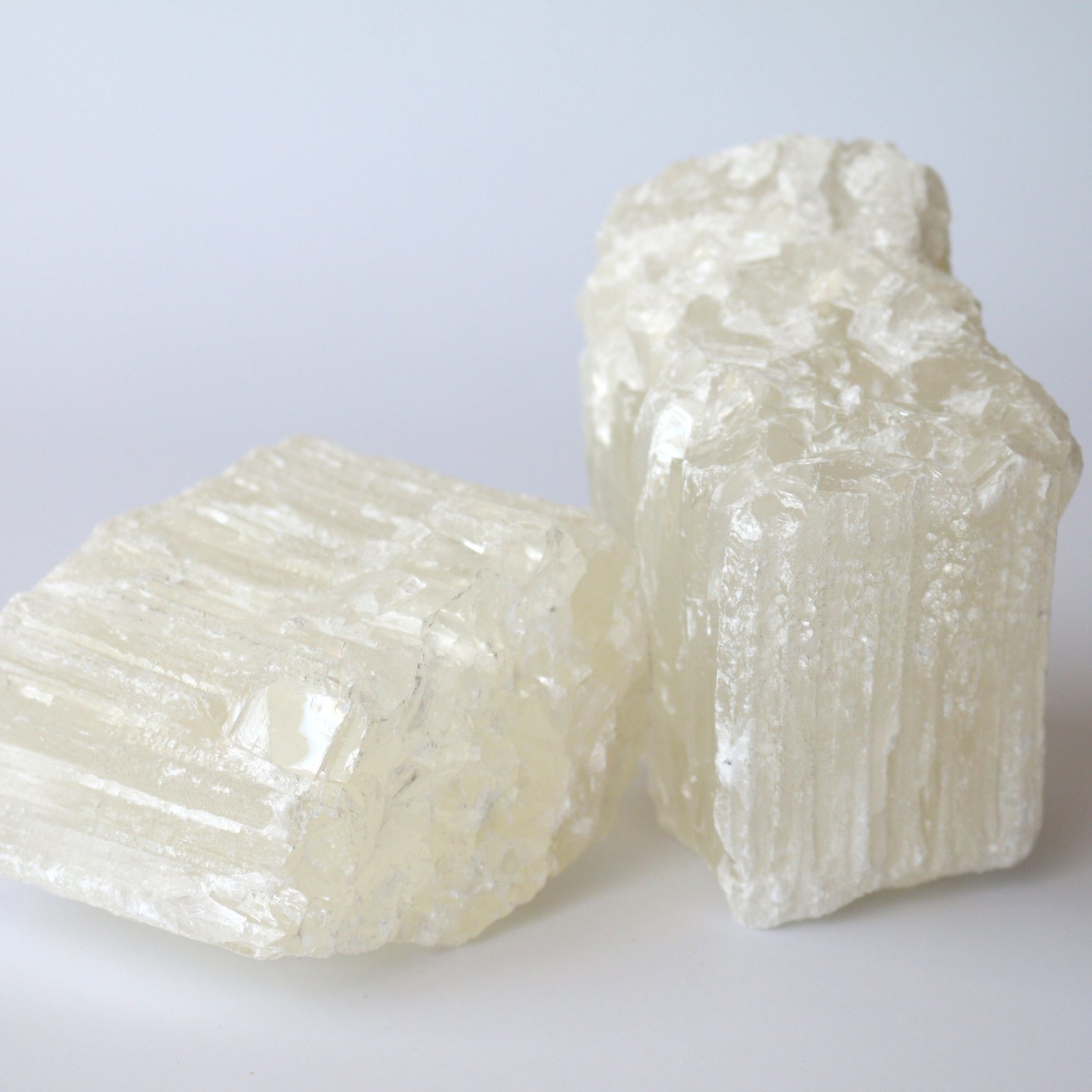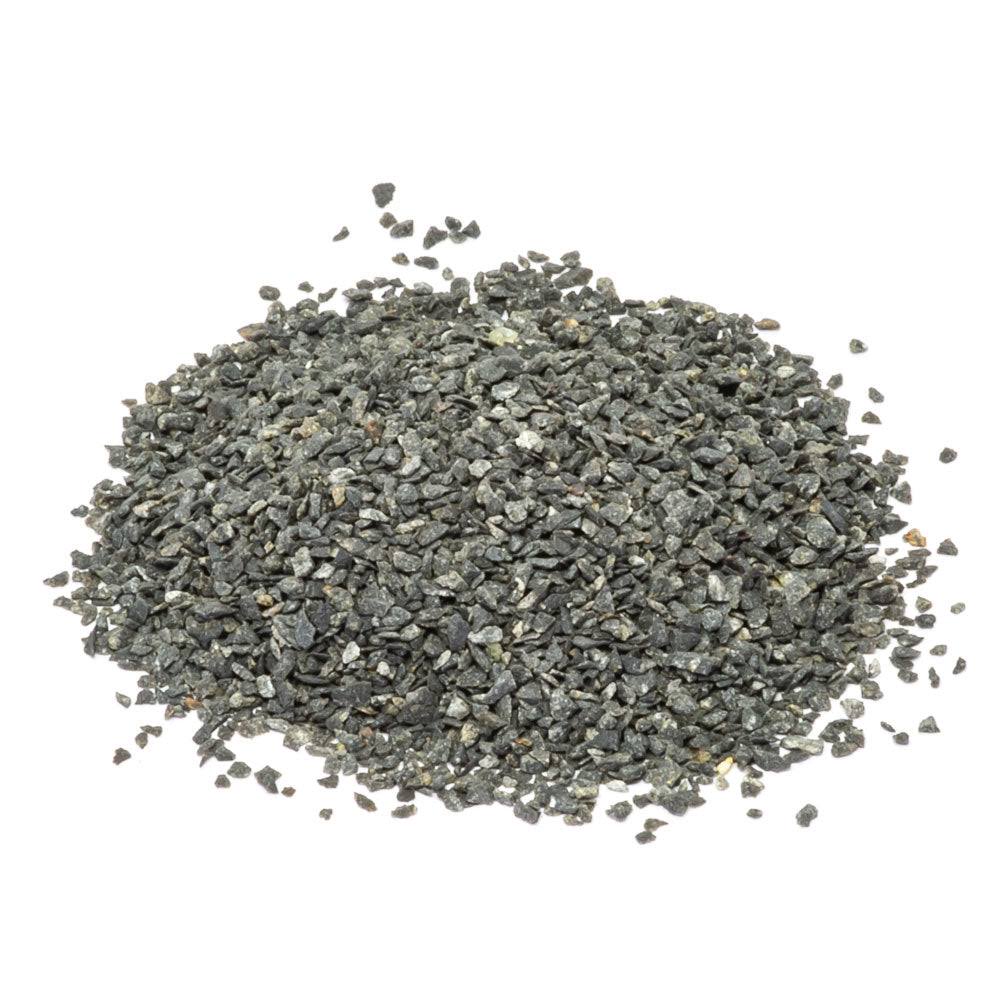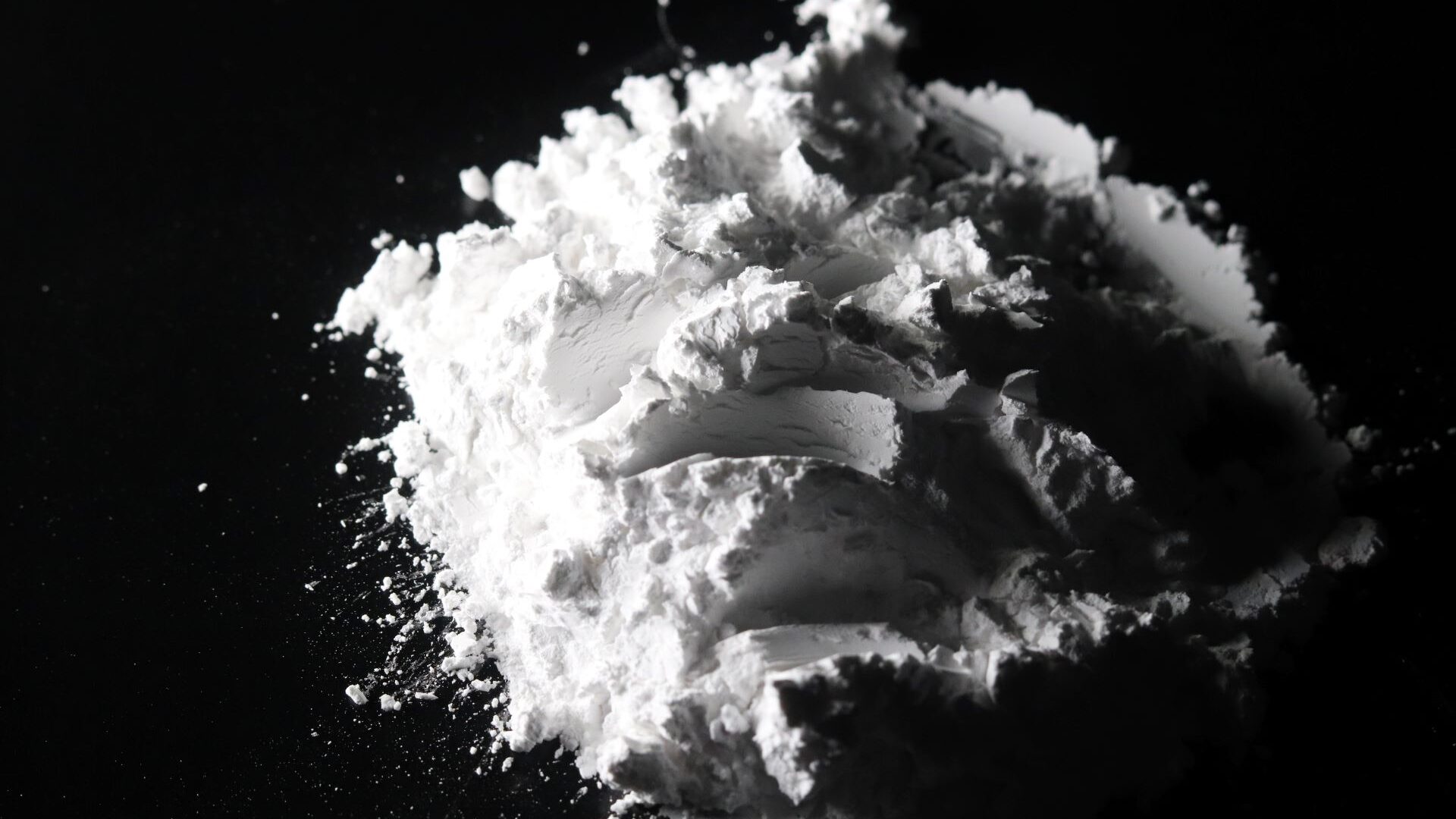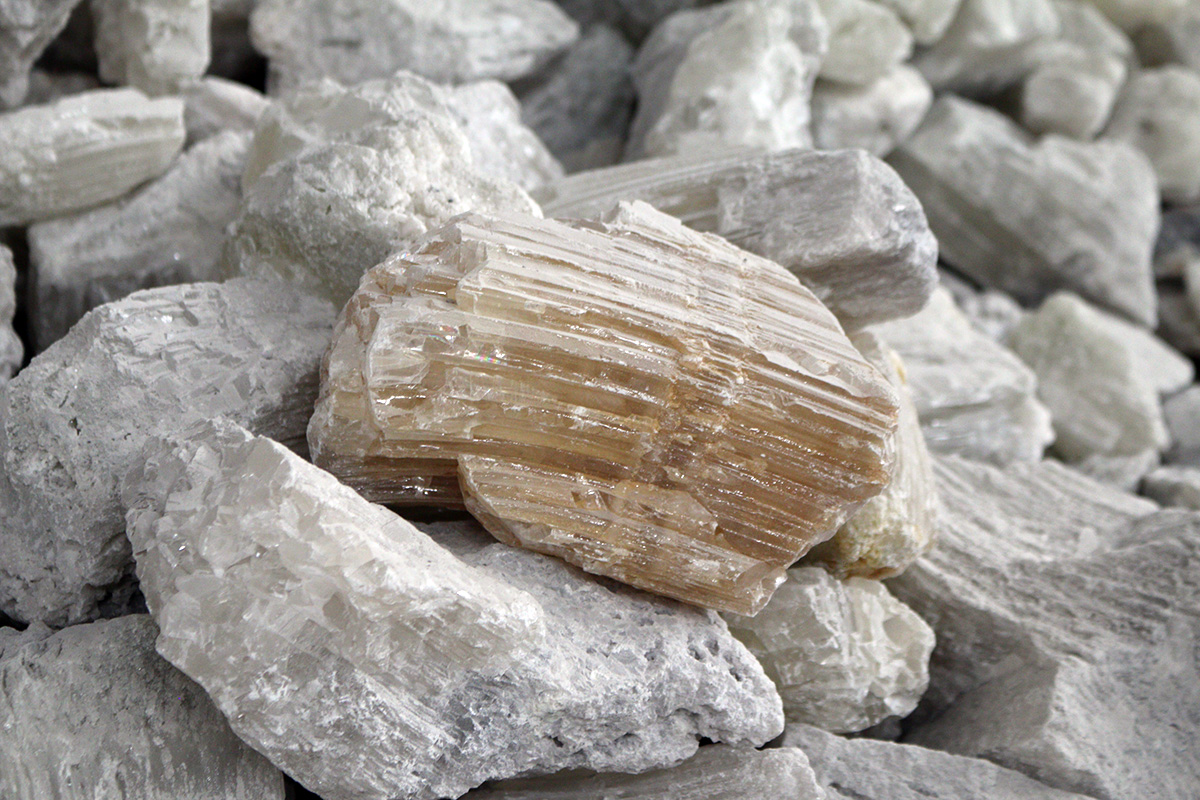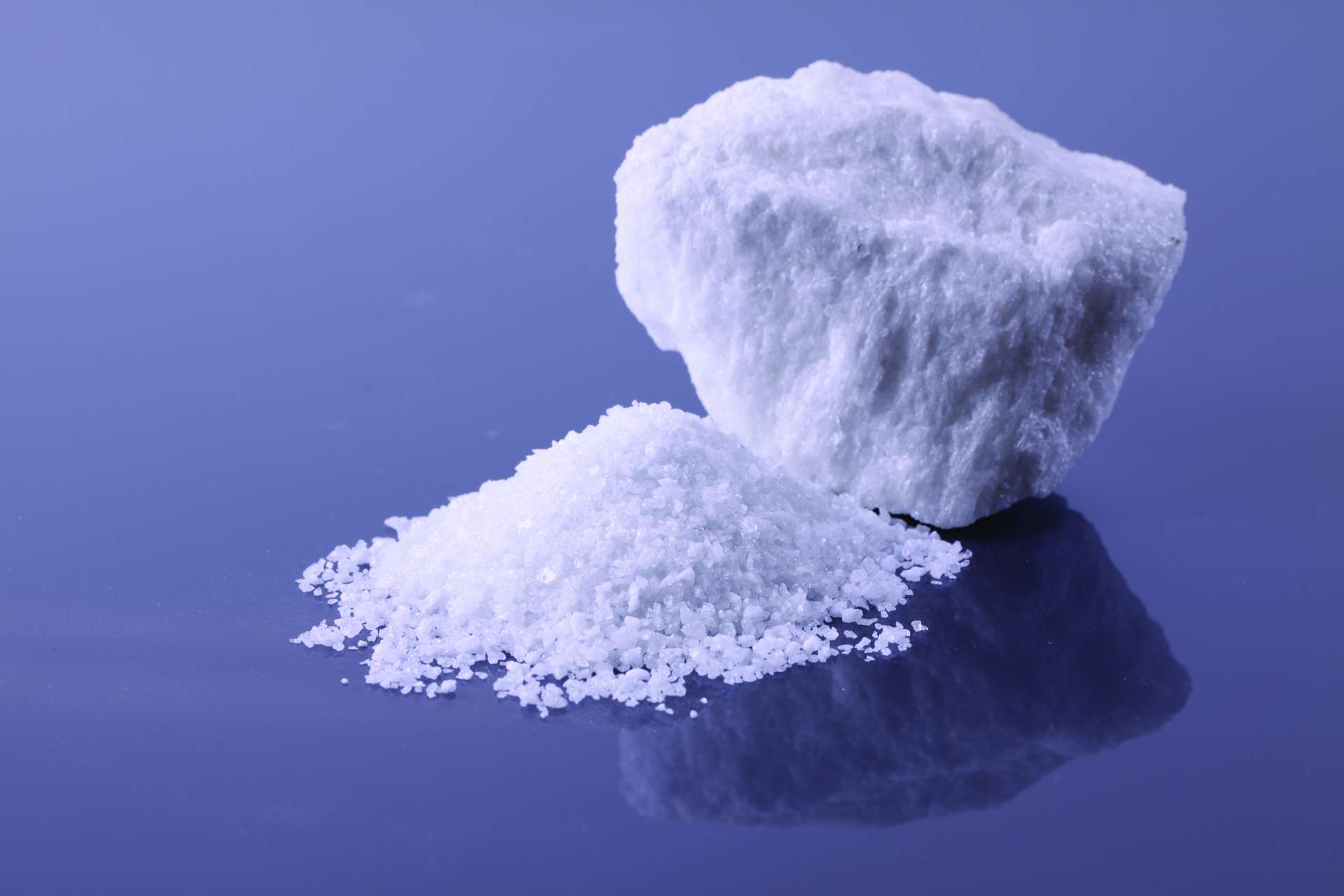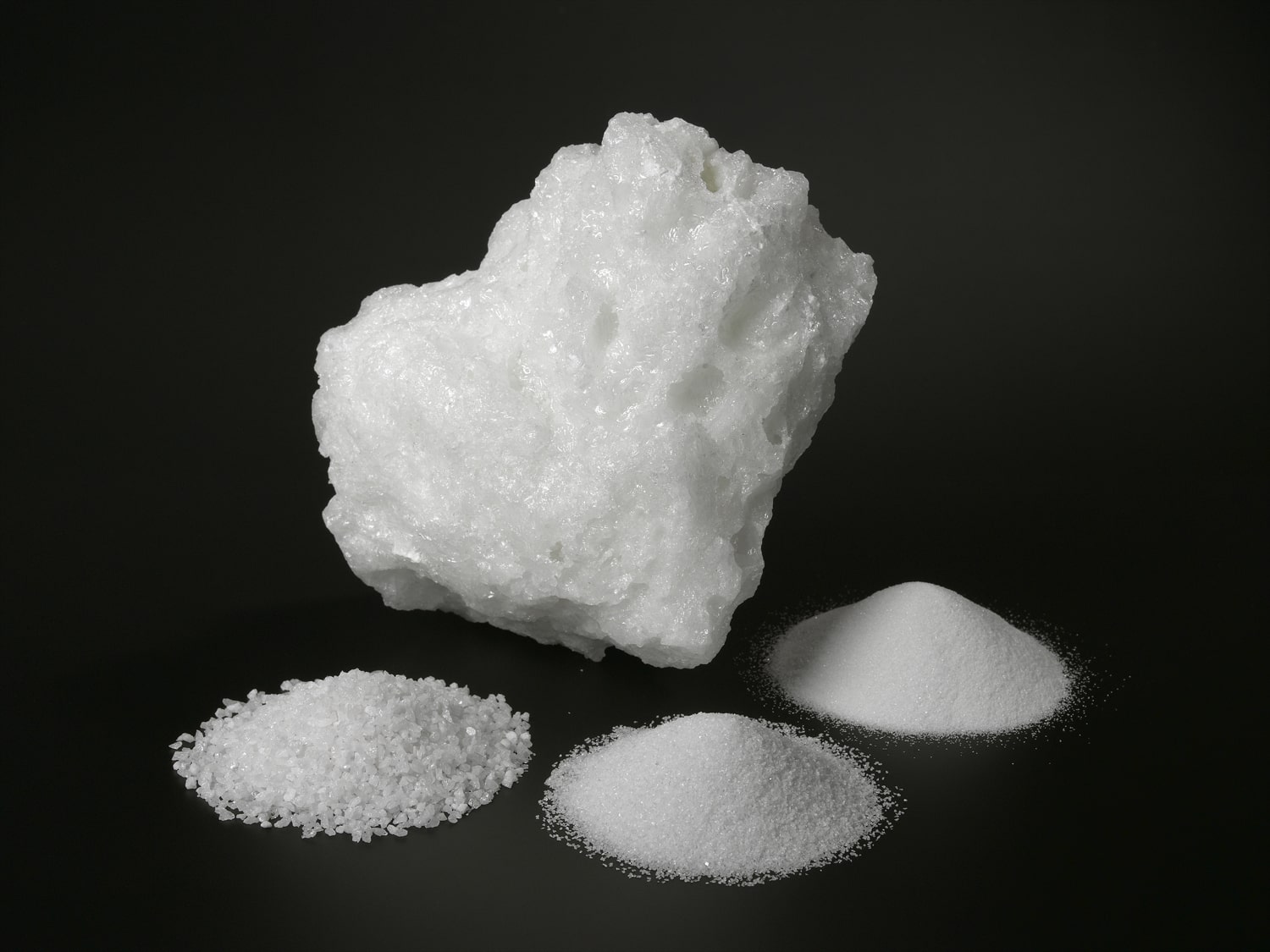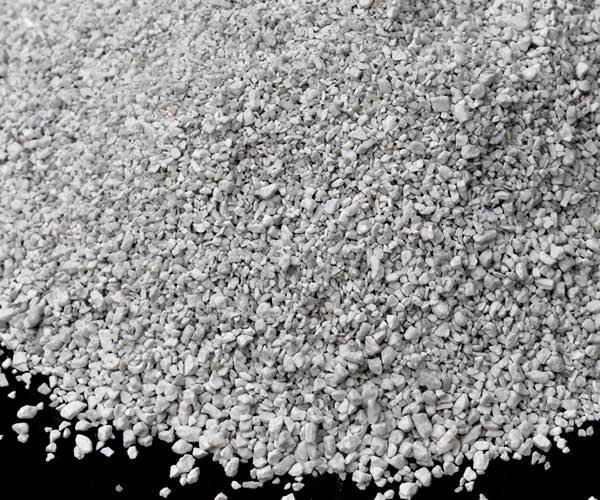
Tundish fluxes are a frontline tool for steel cleanliness and casting stability. By protecting molten steel from re-oxidation, improving slag behavior, and supporting inclusion absorption, the right tundish flux can reduce defects, stabilize sequence casting, and improve yield—especially when matched to steel grade, tundish practice, and operating temperature.
Why Tundish Flux Matters Beyond “Covering”
The tundish is a metallurgical reactor, not just a distributor. Steel is vulnerable to re-oxidation at the free surface, and any instability at this stage can translate into inclusions, nozzle clogging behavior changes, and quality drift across a sequence. A tundish flux forms a protective layer that limits contact with air and helps maintain a more controlled surface condition.
But flux performance is not only about surface coverage. It also influences inclusion capture, interfacial chemistry, and thermal insulation at the tundish top surface—each affecting casting stability.
Clean Steel Link: Inclusion Absorption and Slag Behavior
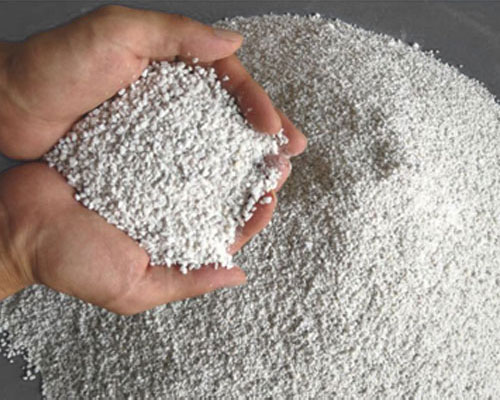
One of the key quality roles of tundish flux is helping inclusions move out of steel and into the slag/flux layer. The effectiveness depends on flux chemistry and physical behavior: viscosity, melting range, and capacity to absorb inclusions without becoming unstable. A flux that is too viscous may not spread well or absorb effectively; too fluid, and it may create turbulence-sensitive behavior and inconsistent coverage.
Matching flux behavior to tundish temperature, steel grade, and flow control practice is what turns “consumable” into quality lever.
Thermal Stability and Temperature Control
Tundish flux also affects heat loss from the top surface. A stable flux layer helps reduce temperature drop across the tundish residence time, improving consistency to the mold and reducing the need for operational compensation. In high-throughput operations, small improvements in temperature stability can reduce variability, improve casting speed control, and support better surface outcomes.
Practical Challenges: Moisture, Handling, and Consistency
Fluxes are sensitive to storage and handling. Moisture uptake can affect flowability, melting behavior, and dosing consistency. In humid environments, packaging integrity and warehouse discipline matter. Consistency between batches matters even more: small changes in chemistry can shift melting range and viscosity enough to impact performance, especially in grades sensitive to cleanliness and clogging.
For procurement teams, reliable specification control and traceability are essential when fluxes are part of the quality system.
Selection Criteria That Actually Reduce Defects
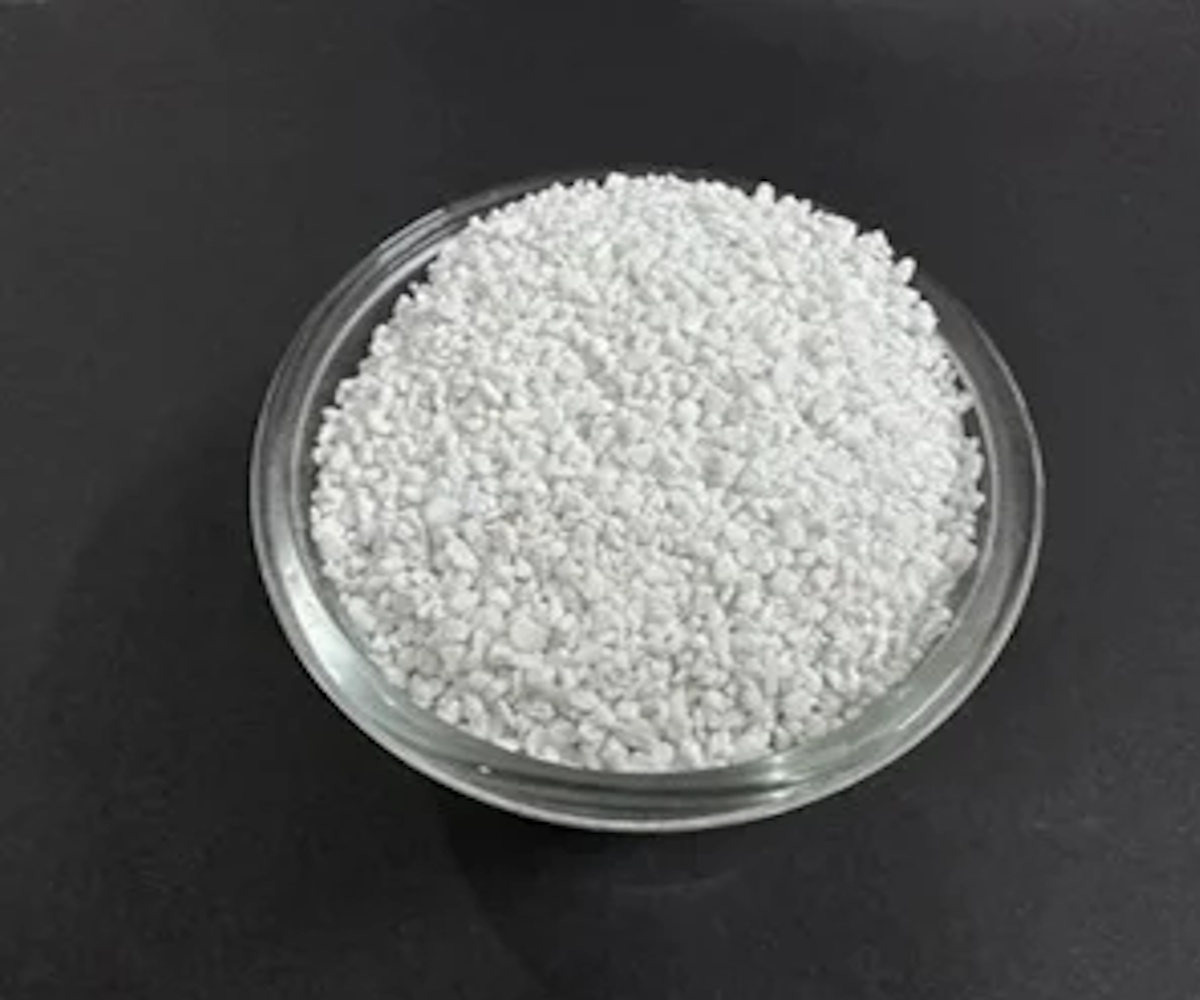
Selecting a tundish flux should start with your defect profile and operating constraints. Are you dealing with re-oxidation indicators, inclusion-related defects, temperature drift, or sequence instability? The flux should be chosen with the end in mind: surface protection, inclusion absorption capability, stability at operating temperature, and compatibility with your tundish refractory and process practices.
Middle East Context: Stability Under Tight Schedules
In Middle East steel operations, sequence stability and predictable logistics are central. Flux reliability supports fewer interruptions and more consistent output quality—especially when supply chains and storage conditions can vary.
If you want to reduce inclusions, stabilize tundish temperature, or improve sequence consistency, contact Pennekamp Middle East with your tundish type, steel grades, and current casting challenges. We’ll help align tundish flux selection with your quality targets and operating conditions, and support you with consistent supply and technical documentation.