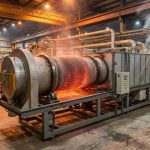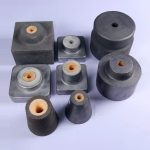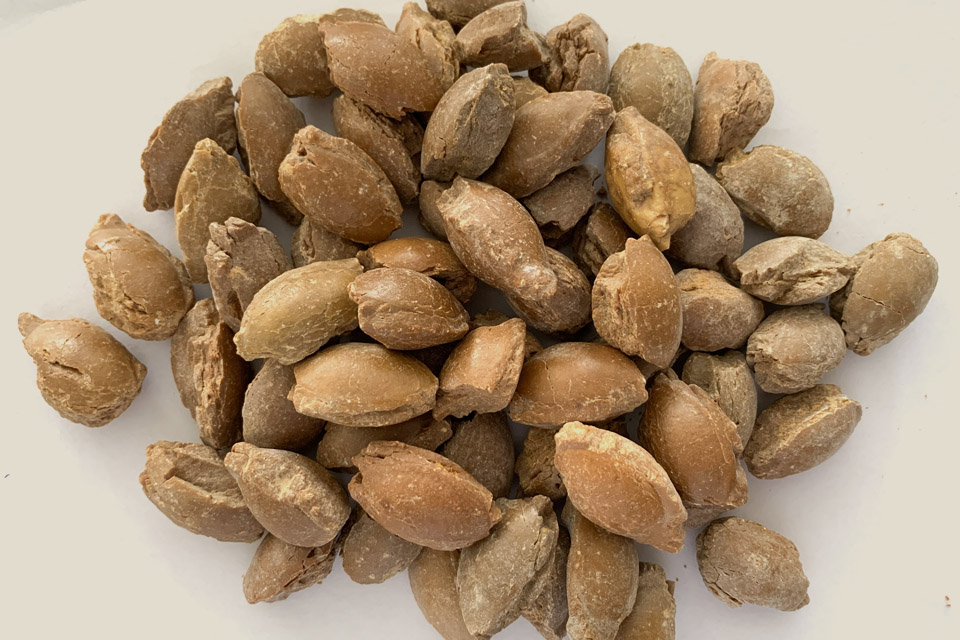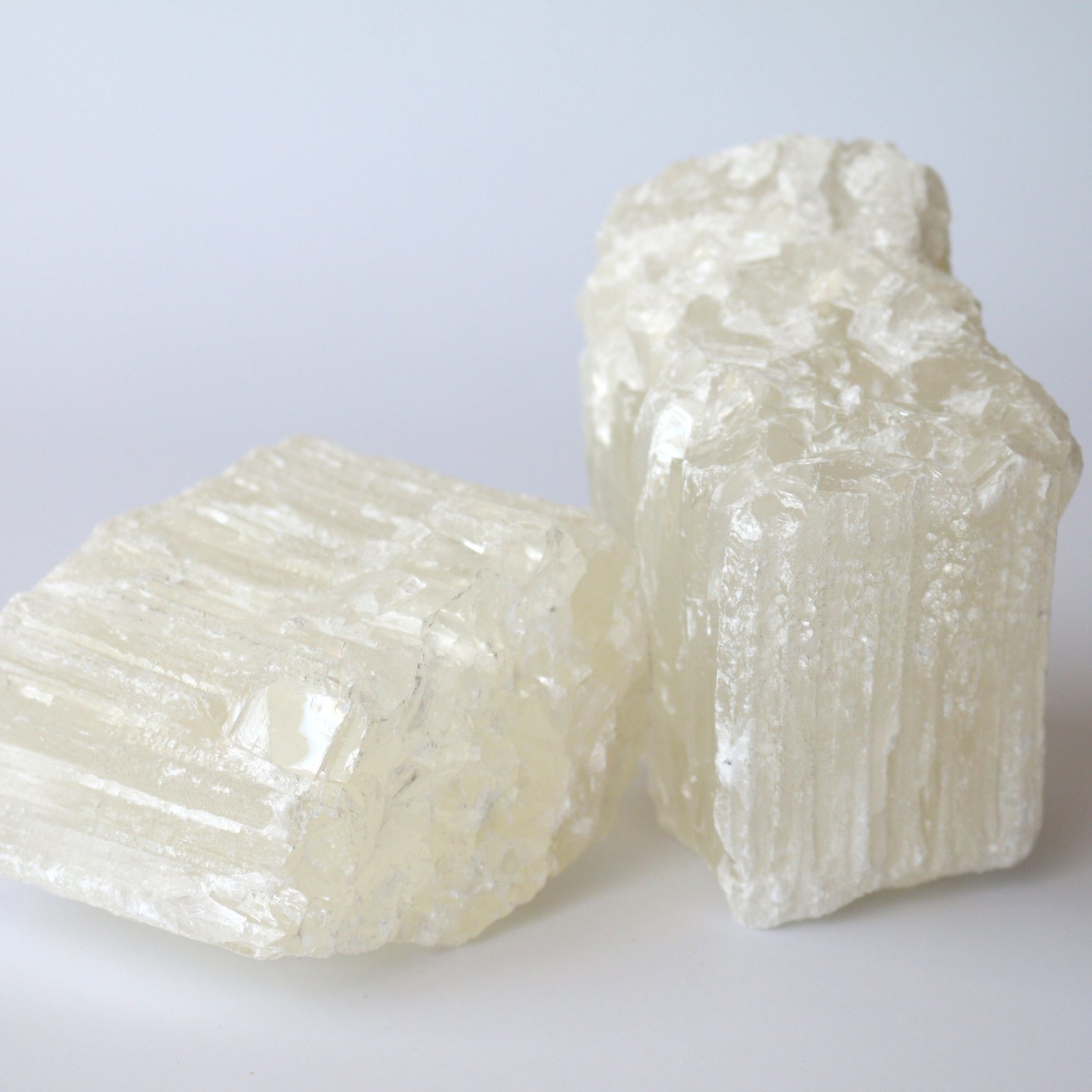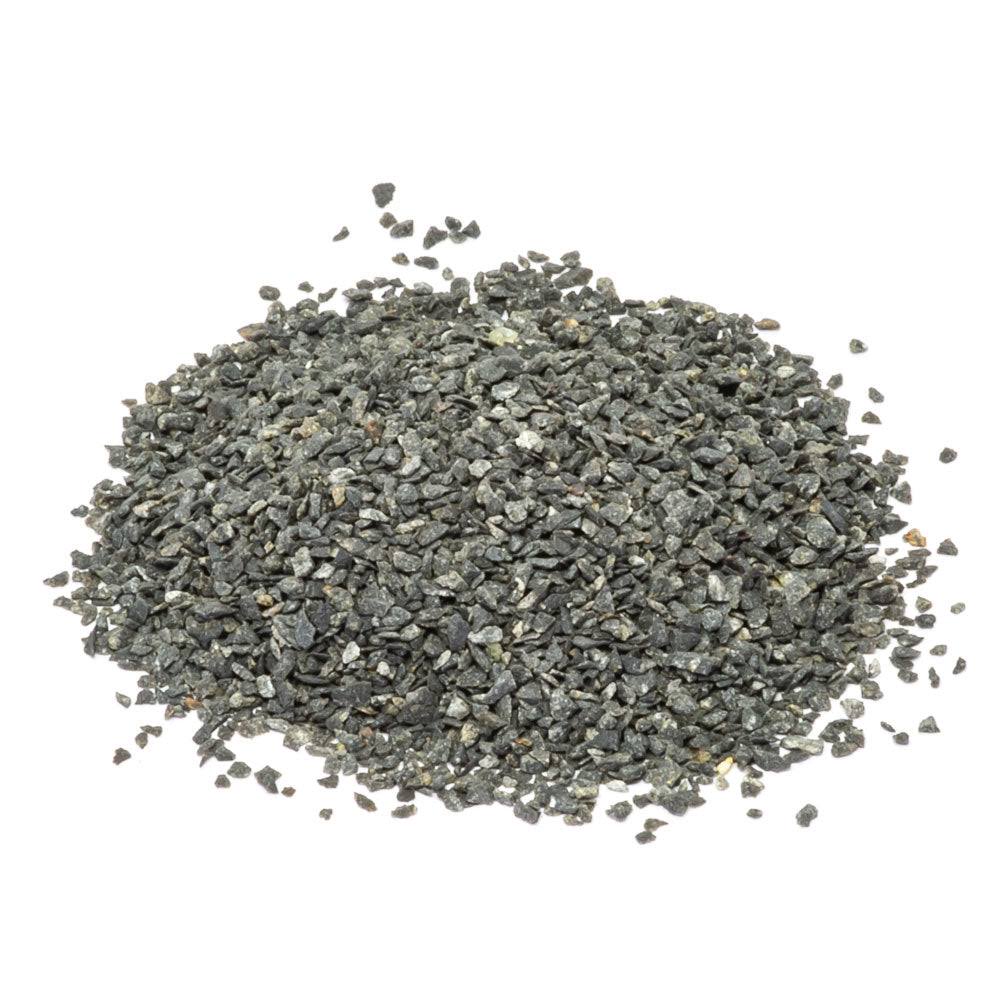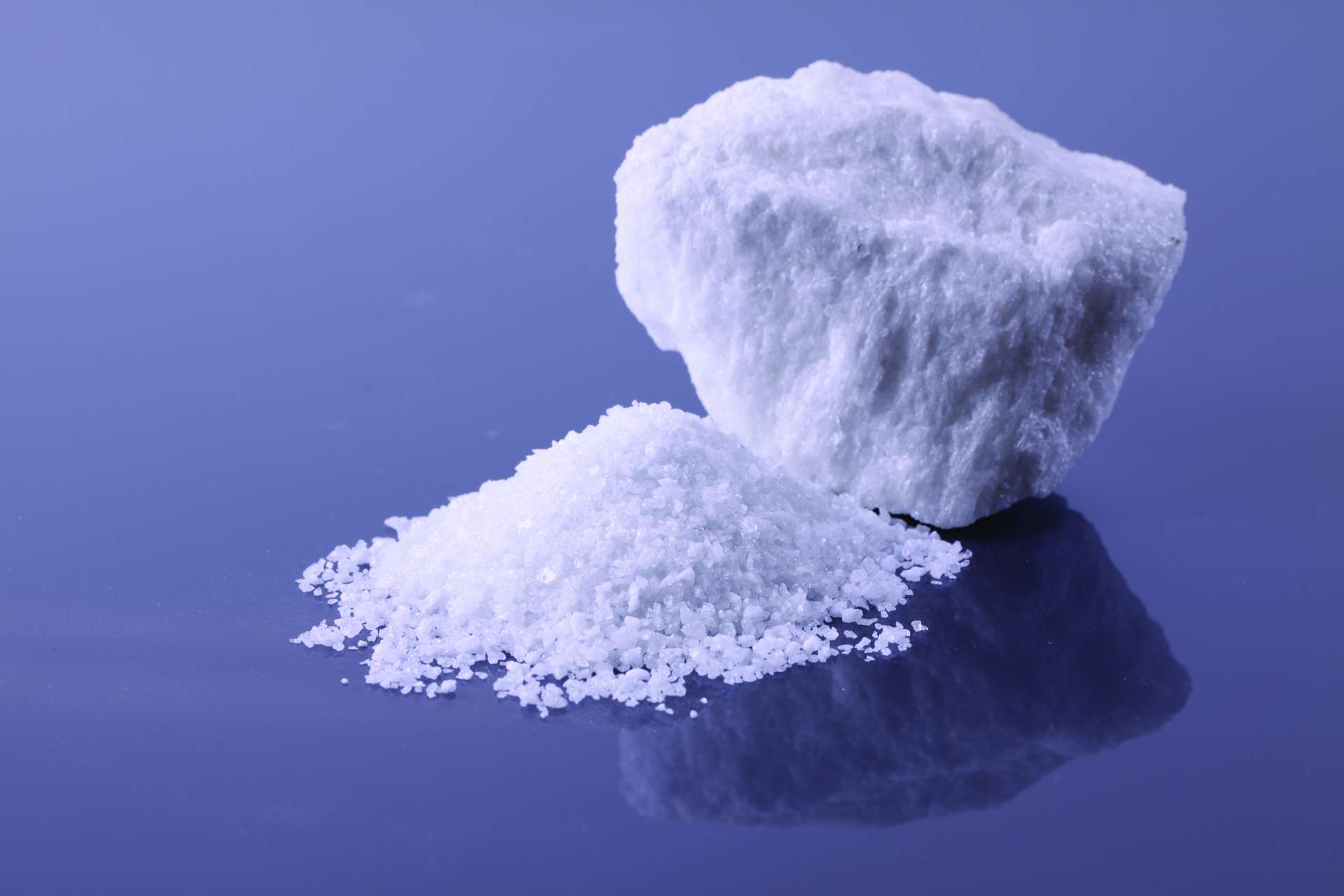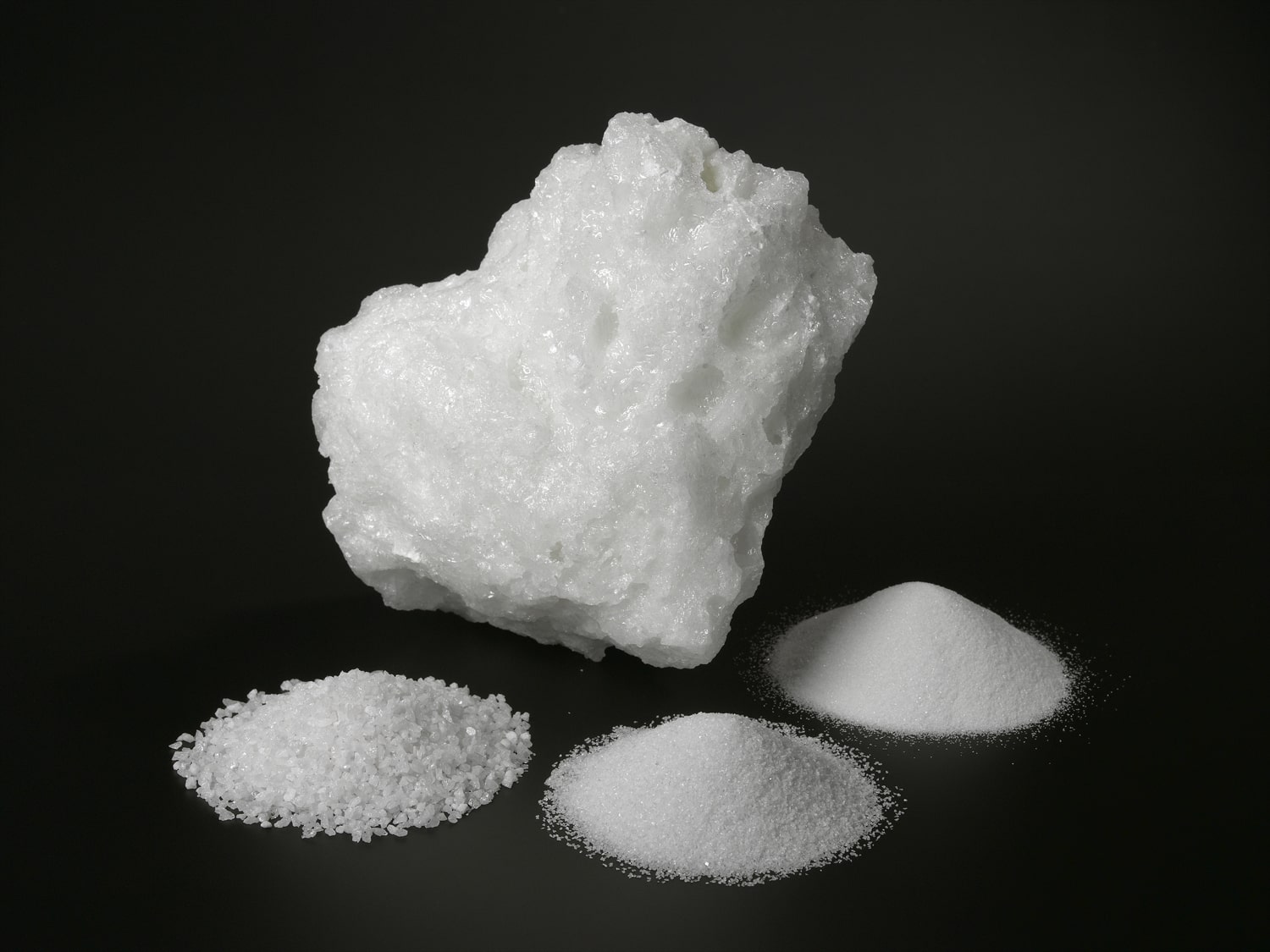
From sulfur and ammonia plants to petrochemical crackers and specialty chemical reactors, the chemical industry depends on stable, high-temperature containment. Refractory materials are a quiet enabler of growth ,protecting assets from heat, corrosion, and thermal cycling while helping operators maintain uptime, efficiency, and product quality under increasingly demanding process conditions.
Why the Chemical Industry Is a Different Refractory Environment
Chemical processing doesn’t just test refractories with temperature ,it tests them with chemistry. Many units operate under aggressive combinations of heat, reactive gases, condensable vapors, dust abrasion, and cyclic operation. Unlike some metallurgical environments dominated by slags, chemical plants often expose linings to acidic or alkali vapors, sulfur-bearing compounds, chlorides, hydrocarbons, steam, and rapid temperature shifts during start-ups and shutdowns.
This creates a performance equation defined by chemical compatibility first, then thermal stability, then mechanical durability. When refractories are mismatched, failure can be fast and disruptive: lining loss, hot spots, damaged shells, and forced shutdowns.
Key Units Where Refractories Enable Capacity and Reliability
In petrochemicals and refining, fired heaters, reformers, crackers, and ducting systems rely on refractories to maintain designed thermal profiles and protect steel structures. In fertilizer and sulfur-related processing, refractory linings may face chemical attack from sulfur compounds and process gases, requiring carefully selected materials with appropriate resistance.
Incinerators, thermal oxidizers, and waste-to-energy units within chemical complexes also depend on refractories that tolerate high temperatures, variable feeds, and corrosive byproducts. These units often drive plant compliance and availability, making refractory reliability strategically important.
How Modern Refractories Support Growth Goals
Growth in the chemical industry is often constrained by uptime, safety, and energy efficiency. Refractories support all three.
First, they stabilize operations. A lining that maintains integrity and controlled permeability reduces heat loss and helps keep the process within target temperature windows. That improves reaction efficiency, reduces fuel waste, and supports steady output.
Second, they protect capital equipment. Shell temperature control and resistance to infiltration prevent long-term damage to steel structures, anchors, and insulation layers. Extending equipment life means expansions and capacity upgrades can rely on existing assets rather than replacing them prematurely.
Third, they support safer operations. Refractory failures can create hot spots and risk events; high-quality linings reduce the probability of sudden breakdown, especially in cyclic services.
Material Selection: Compatibility Is Everything
Material selection in chemical environments begins with identifying the dominant attack mechanism. Is it alkali vapor condensation? Acid gas corrosion? Erosion from catalyst dust? Thermal shock from frequent cycling? The right refractory solution often combines different materials by zone.
High-alumina systems may be selected where strength, abrasion resistance, and stable refractoriness are needed. Silica- or alumina-silicate materials may be suitable in specific services depending on atmosphere and chemical exposure, but must be chosen carefully for compatibility. In extreme chemical environments, specialized compositions and engineered microstructures become necessary to avoid destructive reactions that create weak phases or excessive porosity.
The most effective approach is rarely “one product everywhere.” It’s a controlled design of hot-face, backup, and insulation layers aligned with process chemistry and heat flow.
Installation and Dry-Out: The Hidden Success Factor
In chemical plants, many refractory issues are not purely material issues ,they are installation and heat-up issues. Monolithics can fail early if water content is excessive, curing is inconsistent, or dry-out ramps are rushed. Anchoring systems and expansion allowances must match temperature gradients and movement, or cracking becomes inevitable.
Because chemical plants often schedule shutdowns tightly, the best refractory choice is one that delivers performance without requiring unrealistic installation conditions. Practicality matters: predictable workability, consistent setting behavior, and reliable quality documentation.
Middle East Considerations: Fast Turnarounds and Asset Protection
Across the Middle East, chemical and petrochemical projects prioritize rapid commissioning, high utilization, and long operating campaigns. That increases the value of refractory solutions that are stable, repeatable, and supported by dependable supply. Packaging integrity, moisture protection, and logistics reliability become part of refractory performance ,not just operational convenience.
If you’re planning a turnaround, commissioning a new unit, or experiencing refractory-related hot spots or early lining wear, contact Pennekamp Middle East with your unit type, operating temperature range, and process chemistry. We’ll recommend refractory raw materials and finished products selected for chemical compatibility, uptime, and long-term asset protection.