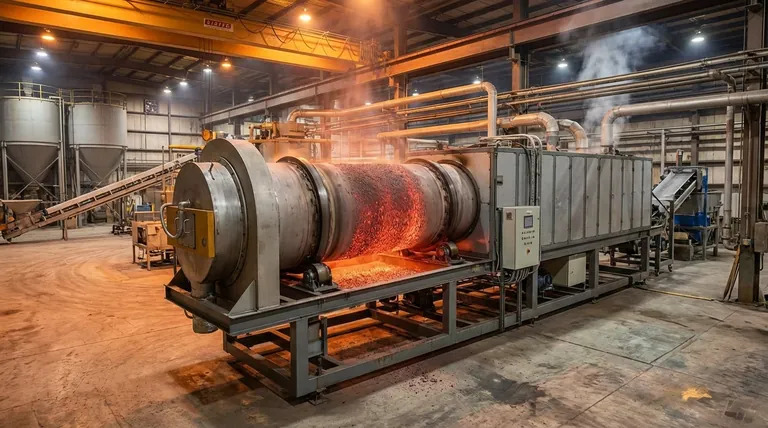
Rotary kilns demand lining systems that handle thermal load, chemical attack, abrasion, and coating behavior ,often simultaneously. This real-world optimization story shows how a targeted refractory lining strategy can improve kiln stability, reduce hot spots, and extend campaign life, turning maintenance into a planned, predictable activity.
Operating Context and Pain Points
A rotary kiln operation faced recurring hot spots and unplanned maintenance interventions, especially around transition zones. The lining showed uneven wear, with sections failing early while other areas remained intact. The result was frequent production interruptions and difficulty maintaining stable operating conditions.
Diagnosis: Mismatch Between Zones and Materials
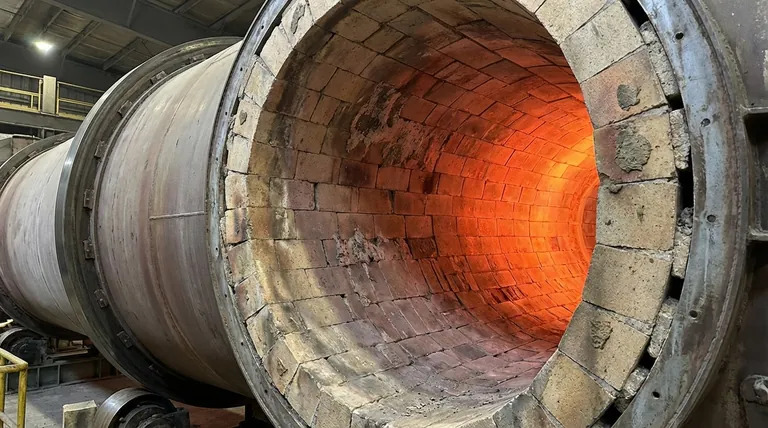
Inspection indicated that the lining specification did not adequately reflect zone differences. High-stress zones experienced thermal cycling and chemical volatility that exceeded the material’s tolerance, leading to cracking and infiltration. In other zones, the lining was over-specified, adding cost without improving performance.
The core issue was not “bad refractory,” but a lack of zone-based design and alignment with actual kiln behavior.
Optimization: Zone-Based Material Selection and Heat Management
The revised approach focused on matching refractory properties to each zone’s wear mechanism. Materials with better thermal shock tolerance were applied in cycling-prone areas, while corrosion-resistant grades were used where chemical attack dominated. Backup insulation strategy was adjusted to stabilize shell temperature and reduce thermal gradients contributing to hot spots.
Installation control was also standardized, including curing and heat-up discipline, to reduce early-life microcracking and ensure target density.
Results: Predictability and Performance Stability
After optimization, the kiln saw fewer hot spots and more stable thermal behavior. Maintenance planning became easier because wear patterns were more predictable. The key improvement was operational confidence: fewer emergency interventions and better control of campaign scheduling.
If your rotary kiln is struggling with hot spots, unstable coating, or recurring lining failures, contact Pennekamp Middle East with your kiln zone map and failure history. Our team can recommend refractory raw materials and finished products designed for your kiln’s real wear profile and operating constraints.