Electric Arc Furnaces rely on specialized refractory components to withstand extreme thermal, chemical, and mechanical conditions while supporting safe and efficient steel production.
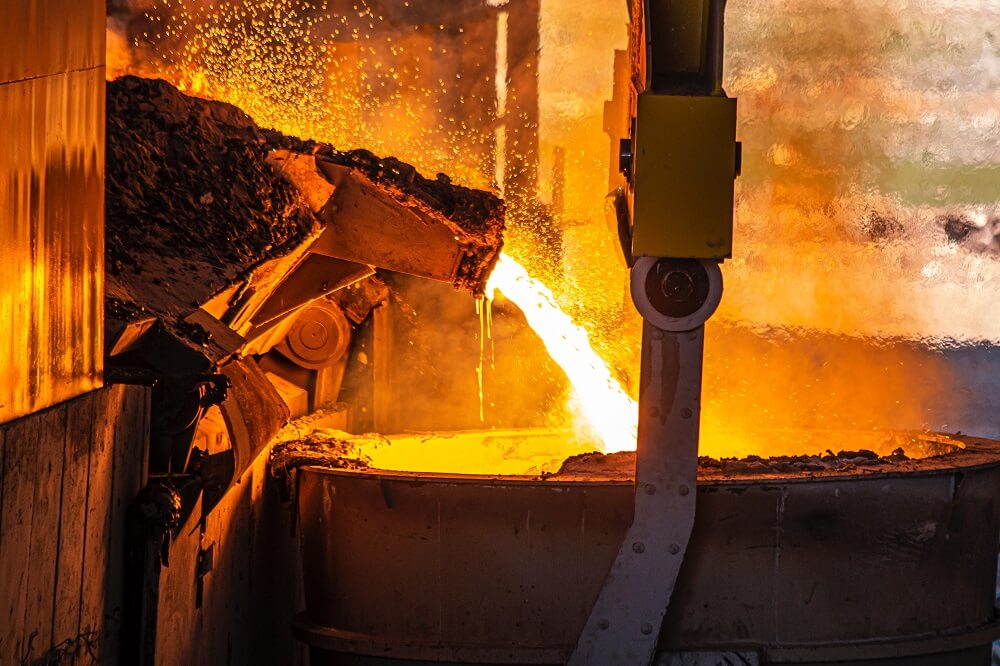
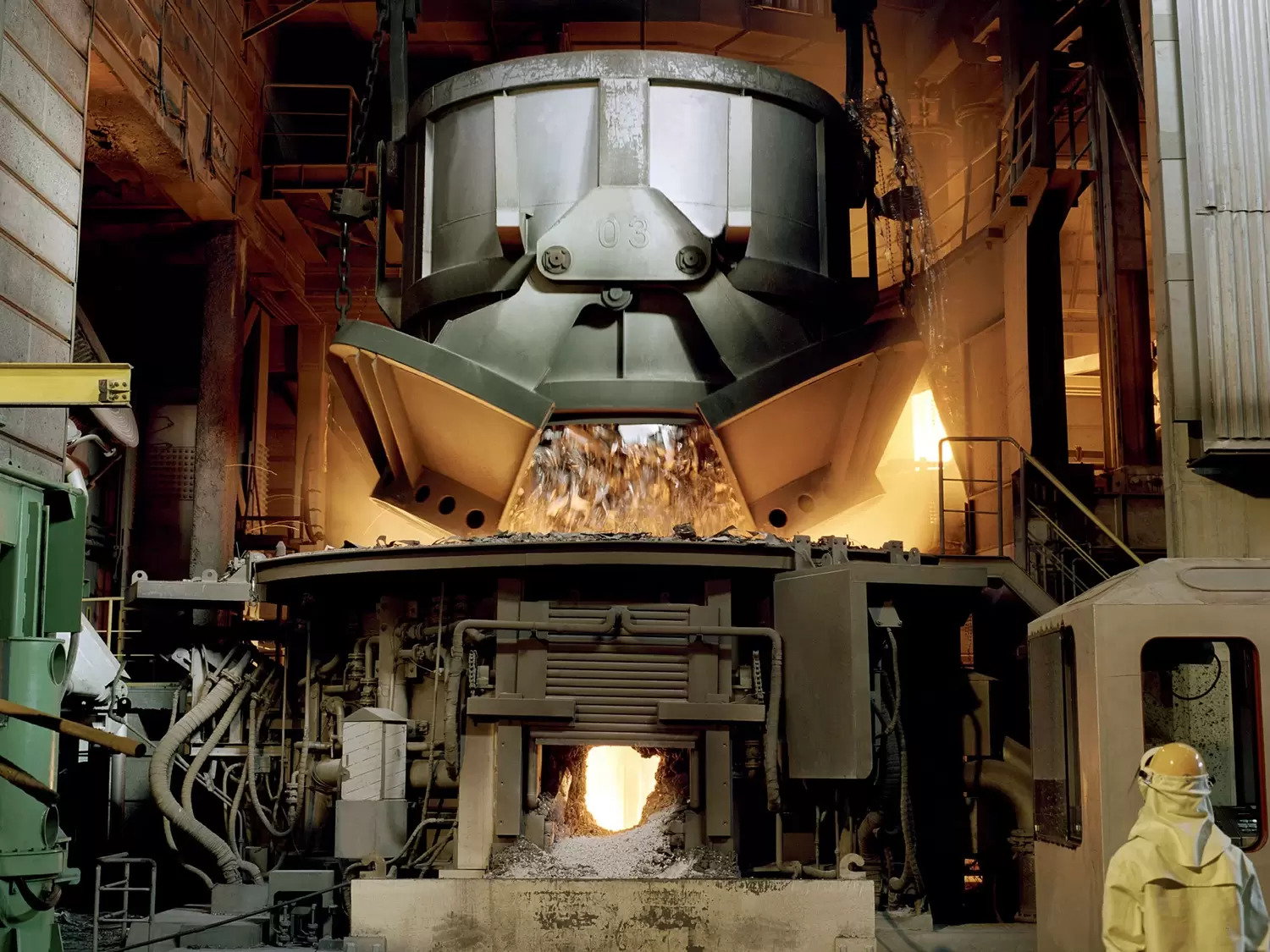
EAF operations expose refractory systems to some of the most severe conditions in the steel industry. Rapid temperature fluctuations, intense arc radiation, high-energy input, and aggressive slags place constant stress on furnace linings and components. To maintain stable operation, each refractory element must be carefully selected for its specific function and location.
Key components include working linings, hearth refractories, slag doors, tap hole materials, and impact zones. These areas experience different types of stress, requiring tailored refractory solutions. Magnesia-based materials are commonly used due to their strong resistance to basic slags, while carbon-containing refractories enhance thermal shock resistance and structural flexibility.
Monolithic refractories play an important role in EAF operations. Castables, ramming masses, and gunning mixes allow for flexible installation and fast repairs, reducing downtime and supporting continuous production. Hot repair materials enable targeted maintenance without full shutdowns, extending campaign life and improving operational efficiency.
The reliability of refractory components directly affects furnace performance. Poorly selected or installed materials can lead to unplanned shutdowns, safety risks, and inconsistent steel quality. Conversely, well-designed refractory systems help stabilize thermal conditions, protect equipment, and support precise process control.
Selecting refractory components based on real operating conditions—rather than generic specifications—is essential for achieving consistent performance in EAF environments.
For EAF-specific refractory components and application-focused solutions, connect with Pennekamp Middle East to discuss your furnace requirements and operational challenges.