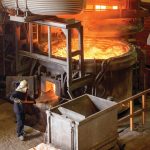
In modern secondary metallurgy, the layer of slag floating on top of the molten steel in the ladle is no longer considered a mere byproduct. It is recognized as a sophisticated and active tool that plays a critical role in the final refining process. However, the slag carried over from the primary furnace (EAF or BOF) is rarely in the ideal state to perform these functions. It is often oxidized, lumpy, and chemically inconsistent.
This is where Slag Conditioners come in. These precisely formulated, engineered materials are added to the ladle to transform the existing slag into a fluid, reactive, and protective blanket with the perfect properties for making clean steel.
The Key Functions of an Ideal Ladle Slag
To understand why conditioning is so important, we must first look at what an ideal ladle slag is designed to do.
- Insulation: It must act as a thermal blanket, covering the entire surface of the molten steel to prevent heat loss to the atmosphere.
- Protection: It shields the liquid steel from reacting with air, preventing reoxidation and the pickup of nitrogen.
- Refining and Cleaning: This is its most active role. The slag must be designed to act like a sponge, absorbing detrimental non-metallic inclusions (like alumina and silica) from the steel bath, thereby “cleaning” the steel. It also plays a key role in desulfurization.
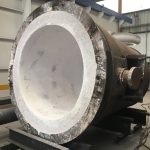
- Refractory Protection: A properly conditioned slag with the correct chemistry is less aggressive towards the ladle’s refractory lining, helping to extend its service life.
How Slag Conditioners Achieve These Goals
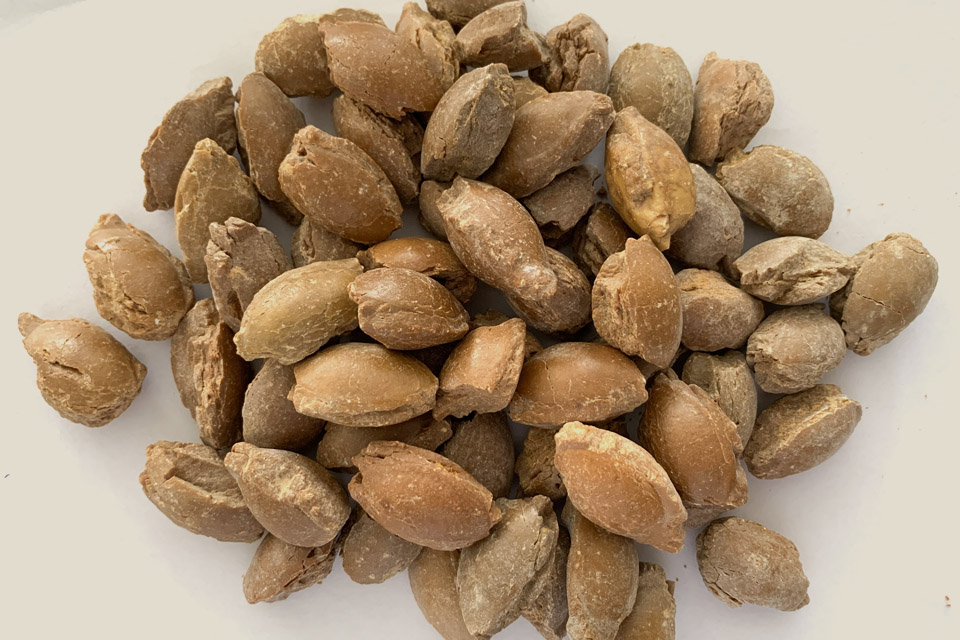
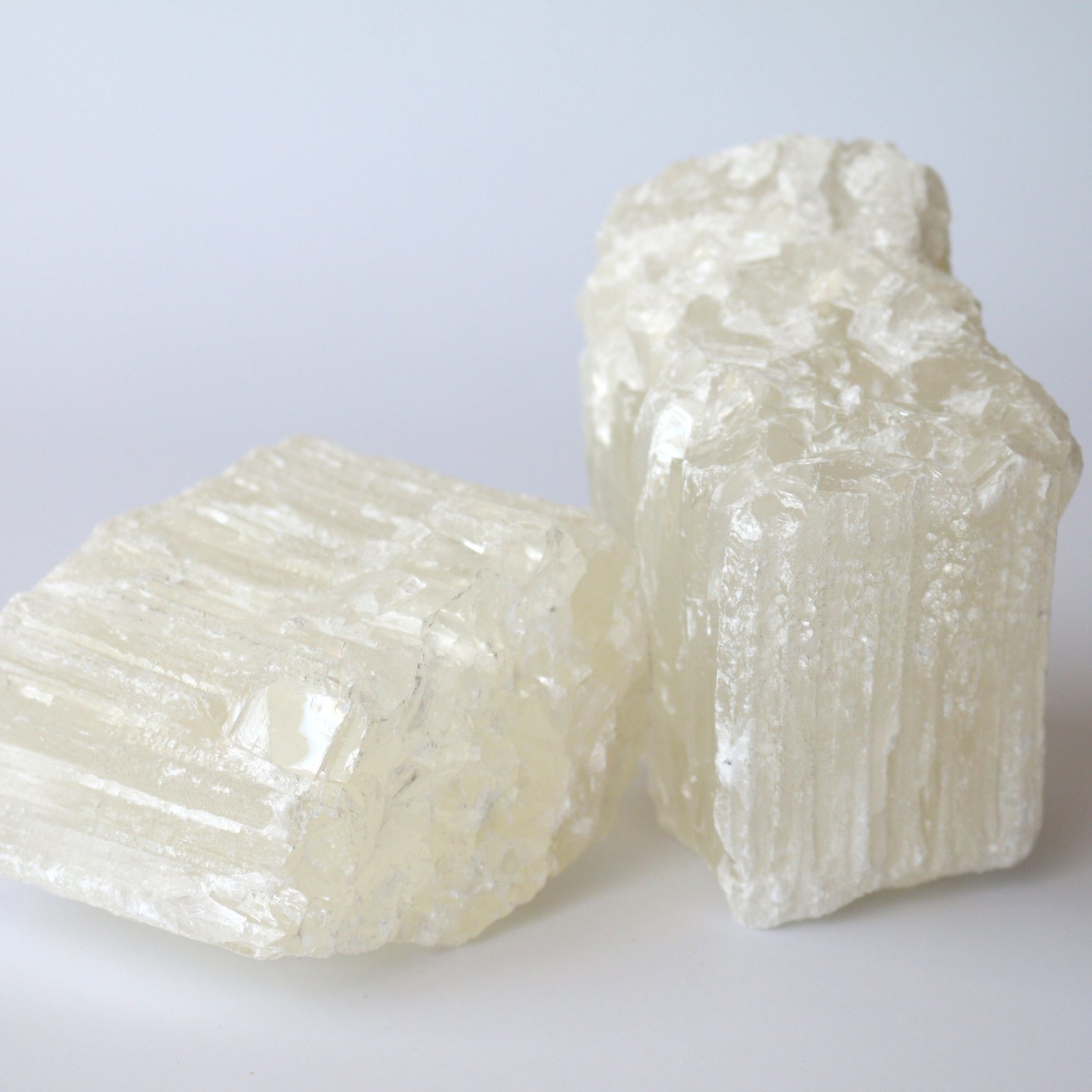
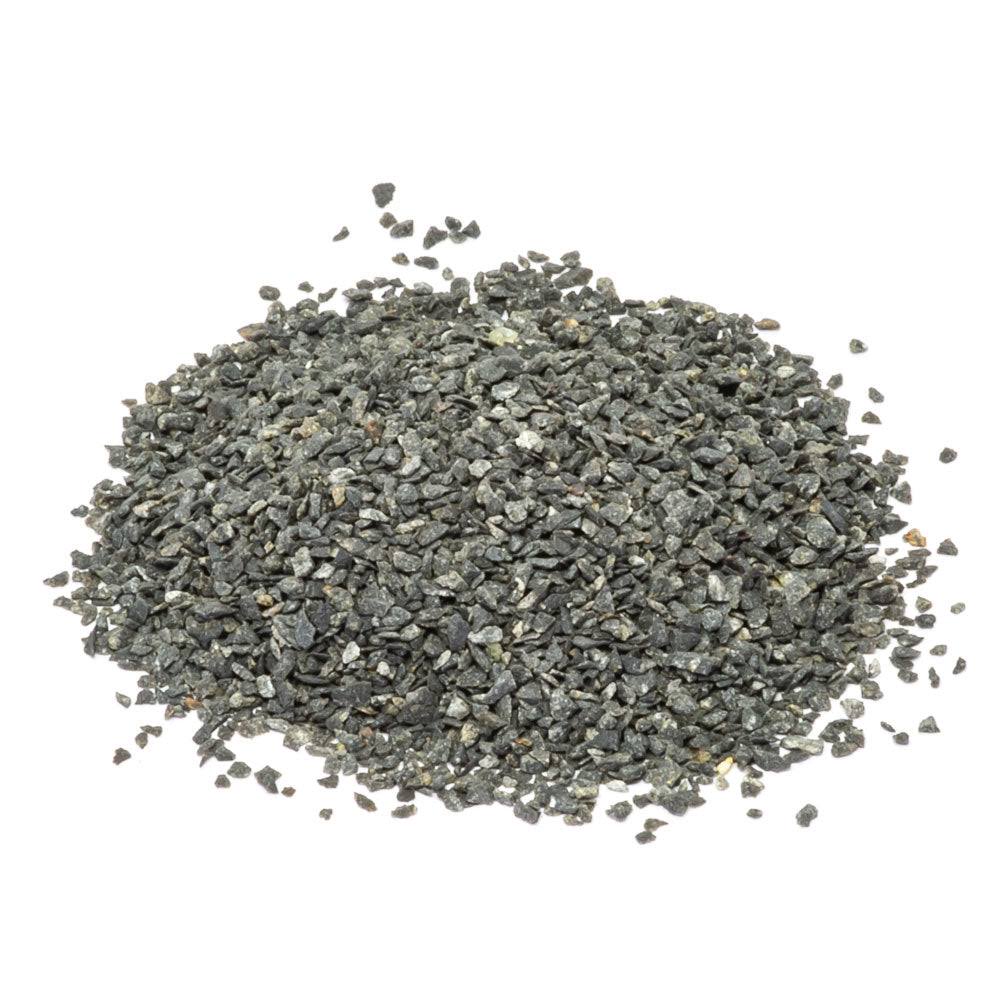
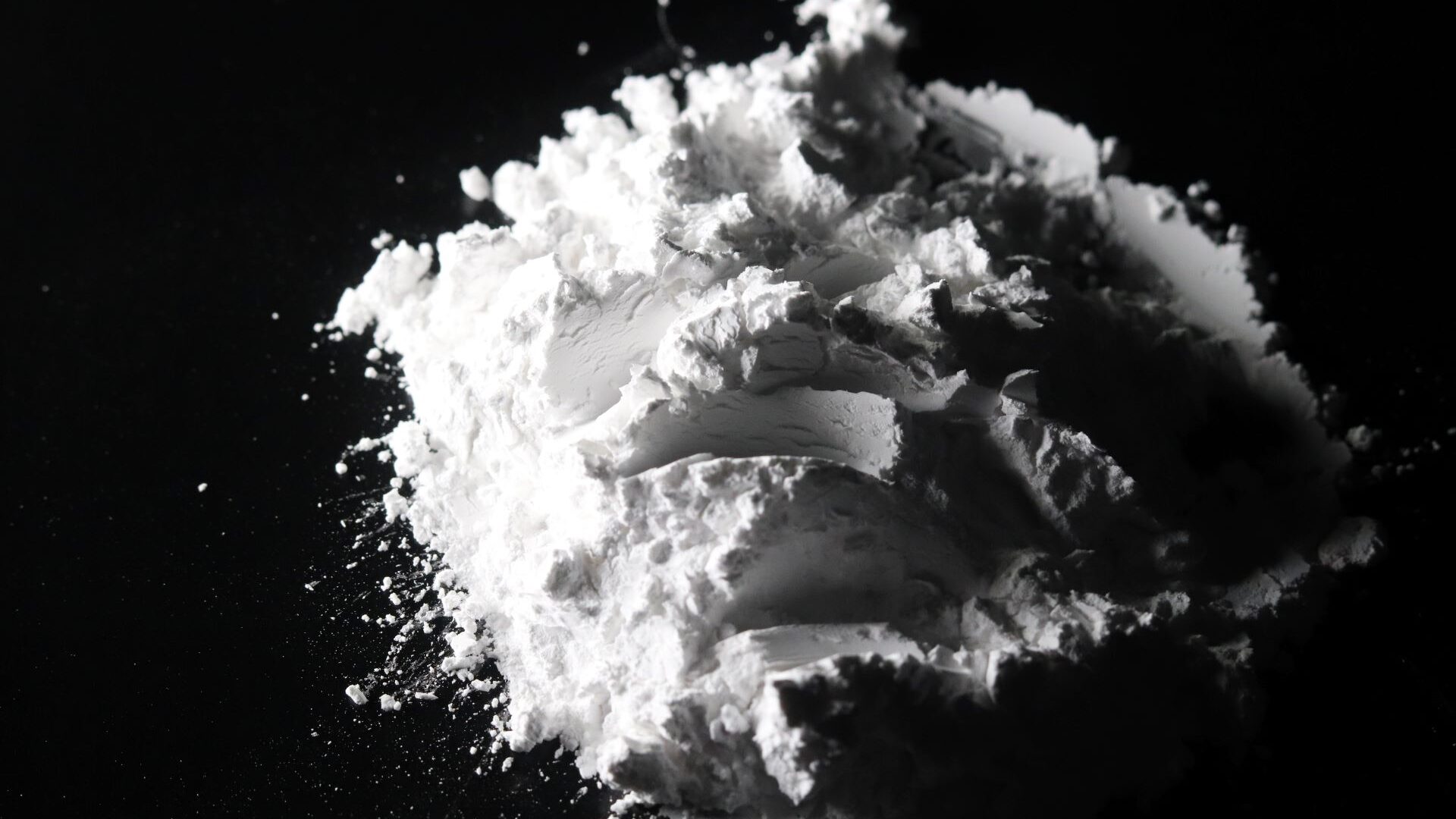
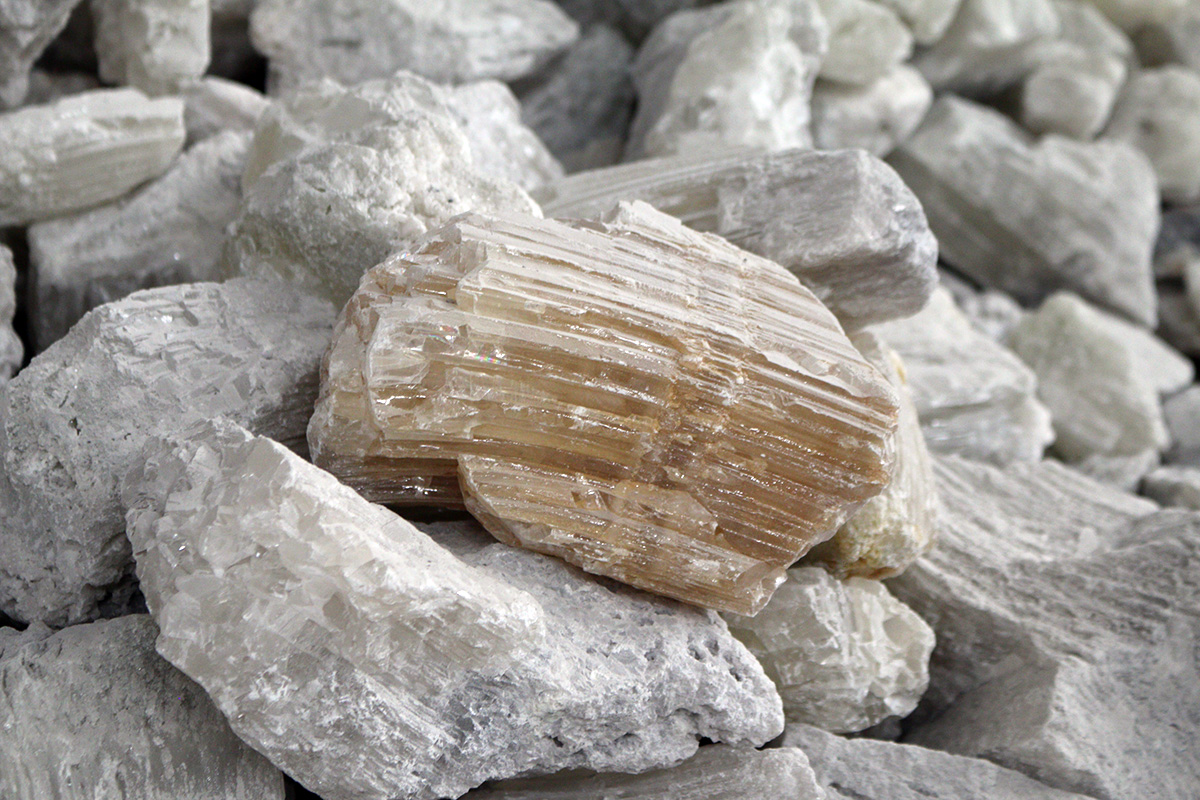
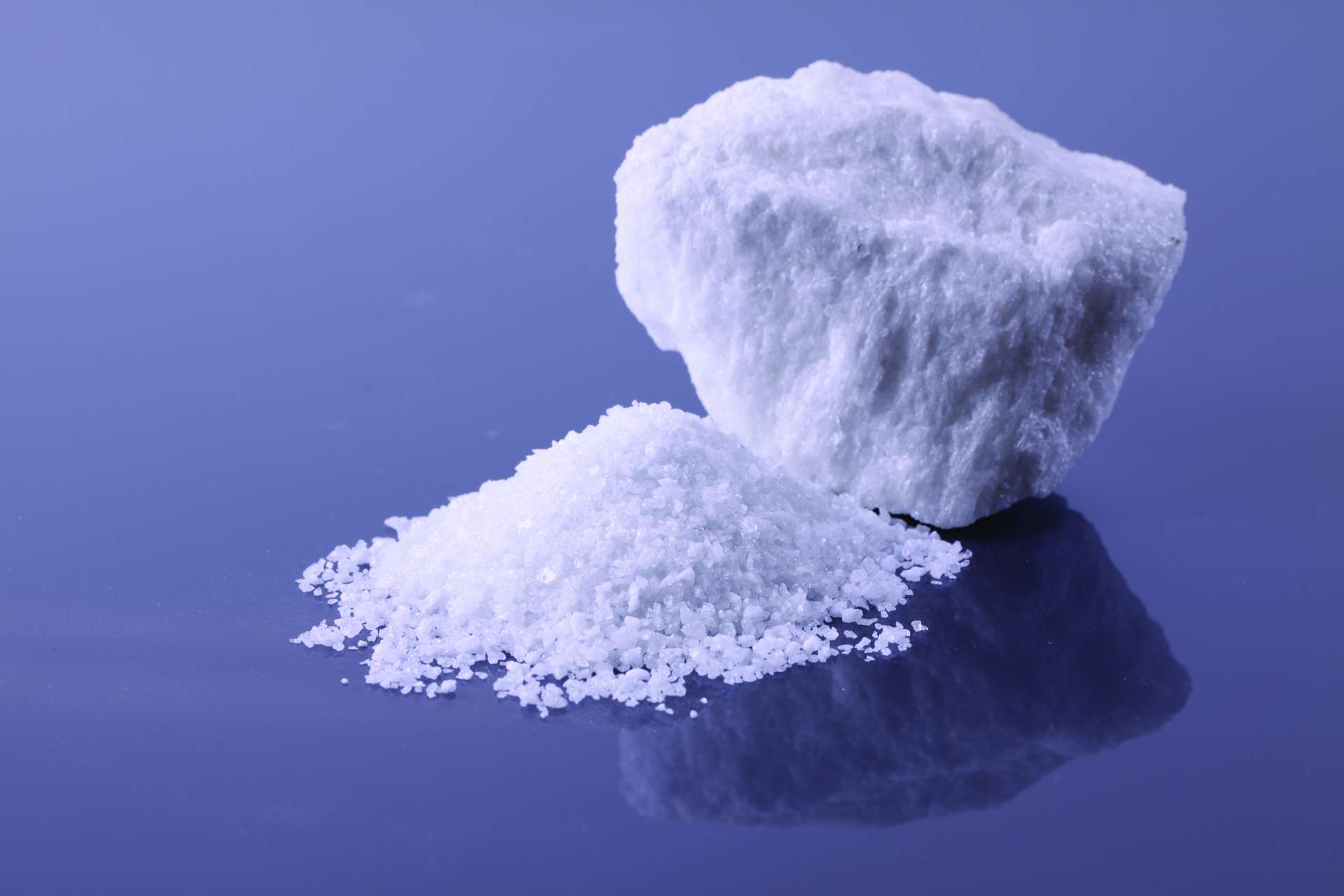
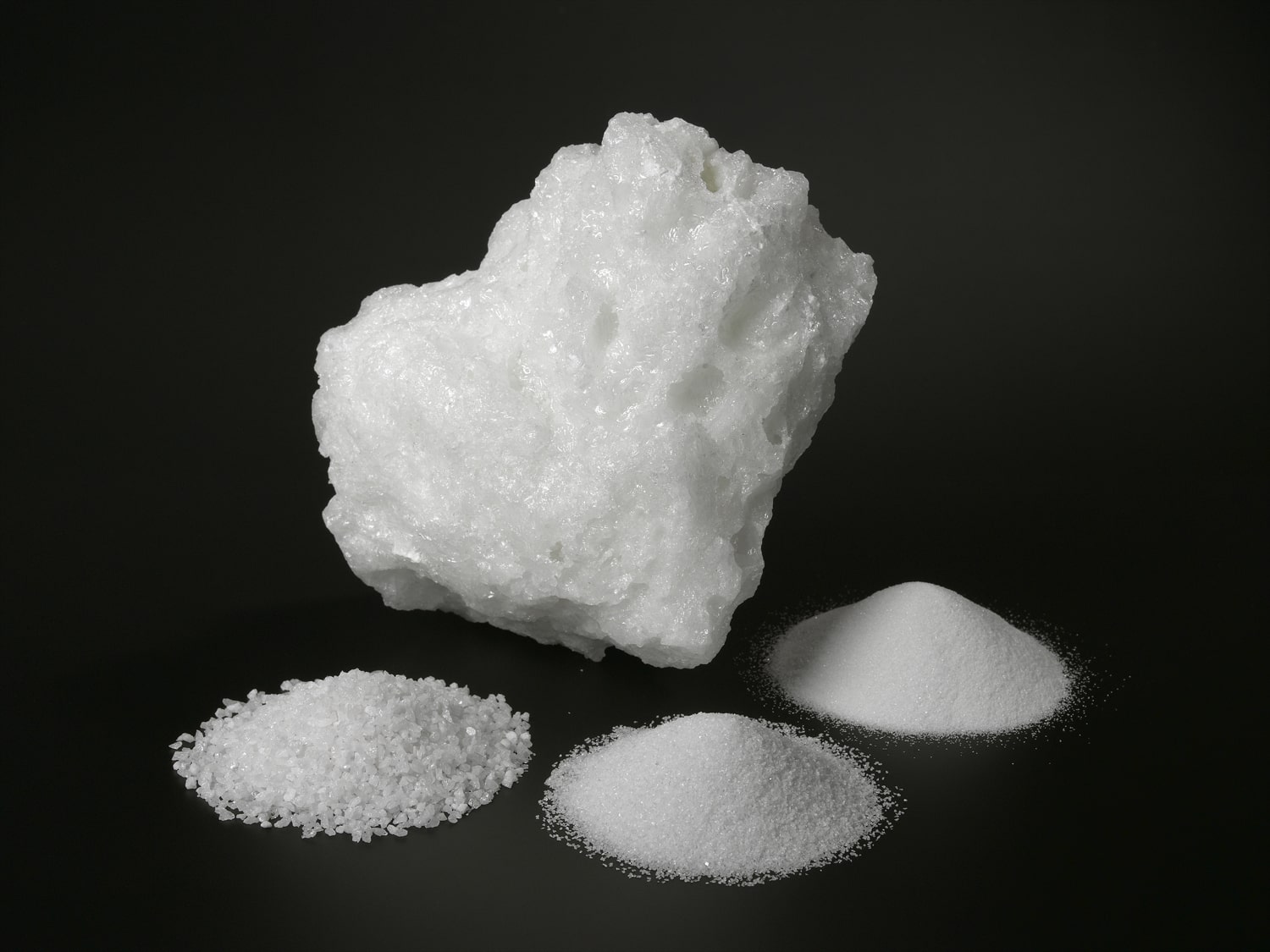
Slag conditioners are synthetic, pre-blended materials, often based on a calcium-aluminate or calcium-silicate system, that are engineered to rapidly achieve the ideal slag properties.
- Promoting Fluidity: They contain fluxing agents that are designed to quickly melt and dissolve the lumpy, oxidized carryover slag, creating a homogenous, liquid slag blanket that can effectively cover the steel and interact with it.
- Adjusting Chemistry for Maximum Cleaning: Slag conditioners are formulated with a specific basicity and chemical composition to maximize their capacity to absorb inclusions. By creating the ideal slag chemistry, its ability to pull sulfur and alumina out of the steel is significantly enhanced.
- Deoxidizing the Slag: Many conditioners contain deoxidizing agents, such as aluminum or carbon. These agents “kill” the iron oxide and other oxides present in the carryover slag, making it a non-oxidizing, protective layer rather than a source of contamination.
In essence, using an engineered slag conditioner is the most reliable and efficient way to ensure the ladle slag is working for you, not against you. It is a critical step in the production of all high-quality and clean steel grades.
Optimize Your Slag Practice with Pennekamp
Pennekamp Middle East offers a range of high-performance casting auxiliaries, including expertly formulated Slag Conditioners. Our products are designed to help you achieve optimal slag fluidity, superior steel cleanliness, and maximum refining efficiency.
Contact us today to learn how our slag conditioning products can improve your ladle metallurgy operations.