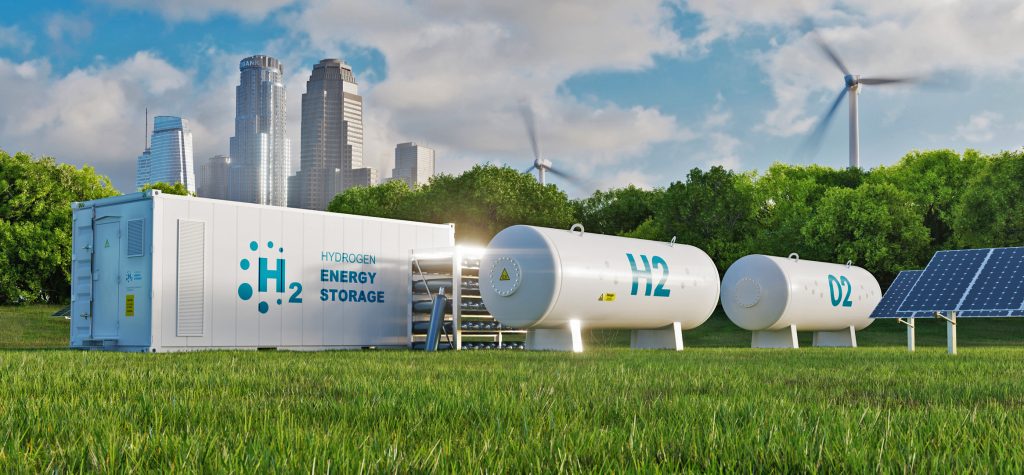
Green hydrogen is widely seen as a cornerstone of a future decarbonized energy system. The vision is clean and simple: use renewable electricity to split water into hydrogen and oxygen. While this process, called electrolysis, can be done at room temperature, a key pathway to making it more efficient and economically viable involves turning up the heat. This is where the world of refractory materials becomes a critical, unseen enabler of the green hydrogen revolution.
The Efficiency Advantage of High-Temperature Electrolysis
The laws of thermodynamics dictate that splitting high-temperature steam is significantly more energy-efficient than splitting liquid water. This has led to the development of advanced technologies like the Solid Oxide Electrolysis Cell (SOEC). These systems operate at very high temperatures, typically between 700°C and 1000°C, to produce hydrogen with much lower electrical energy input compared to their low-temperature counterparts.
However, operating at these temperatures creates a significant engineering challenge: managing the heat.

The Critical Role of Refractory Insulation
For an SOEC system to be efficient, any heat loss to the surrounding environment must be minimized. The entire high-temperature vessel, which contains the delicate electrolysis stacks, must be enclosed in a highly effective thermal management system. This is a direct application for advanced refractory technology.
- High-Performance Insulation: The primary role for refractories in this technology is providing superior insulation. This is achieved using state-of-the-art materials like microporous insulation boards and low-bio persistence ceramic fiber blankets. These materials are designed to provide the maximum possible thermal resistance in a compact, lightweight form, keeping the heat inside the system where it is needed.
- Structural and Sealing Components: Other parts within the hot zone of the electrolyzer, such as structural supports, manifolds, and seals, must also be made from heat-resistant materials. Advanced technical ceramics, which share their origins with refractories, are often used here due to their ability to remain strong and stable in the high-temperature steam and hydrogen atmosphere.
Material Challenges for a Hydrogen Future
The materials used in these systems must not only be excellent insulators but also possess high purity to avoid contaminating the sensitive catalysts within the SOEC. Furthermore, they must be designed for long-term resistance to degradation from the unique atmosphere of high-pressure steam and hydrogen.
As the world scales up the production of green hydrogen, high-temperature electrolysis will be a key pathway to achieving economic viability. The performance of these next-generation systems will depend directly on the quality and engineering of the advanced refractory and ceramic materials used to build them.
The Materials Partner for the New Energy Economy
Pennekamp Middle East is a leading supplier of the high-purity, high-performance insulation and ceramic raw materials that are essential for emerging clean energy technologies. We are ready to partner with the innovators who are building the hydrogen economy.
Contact our material experts today to discuss the requirements for your high-temperature energy application.